
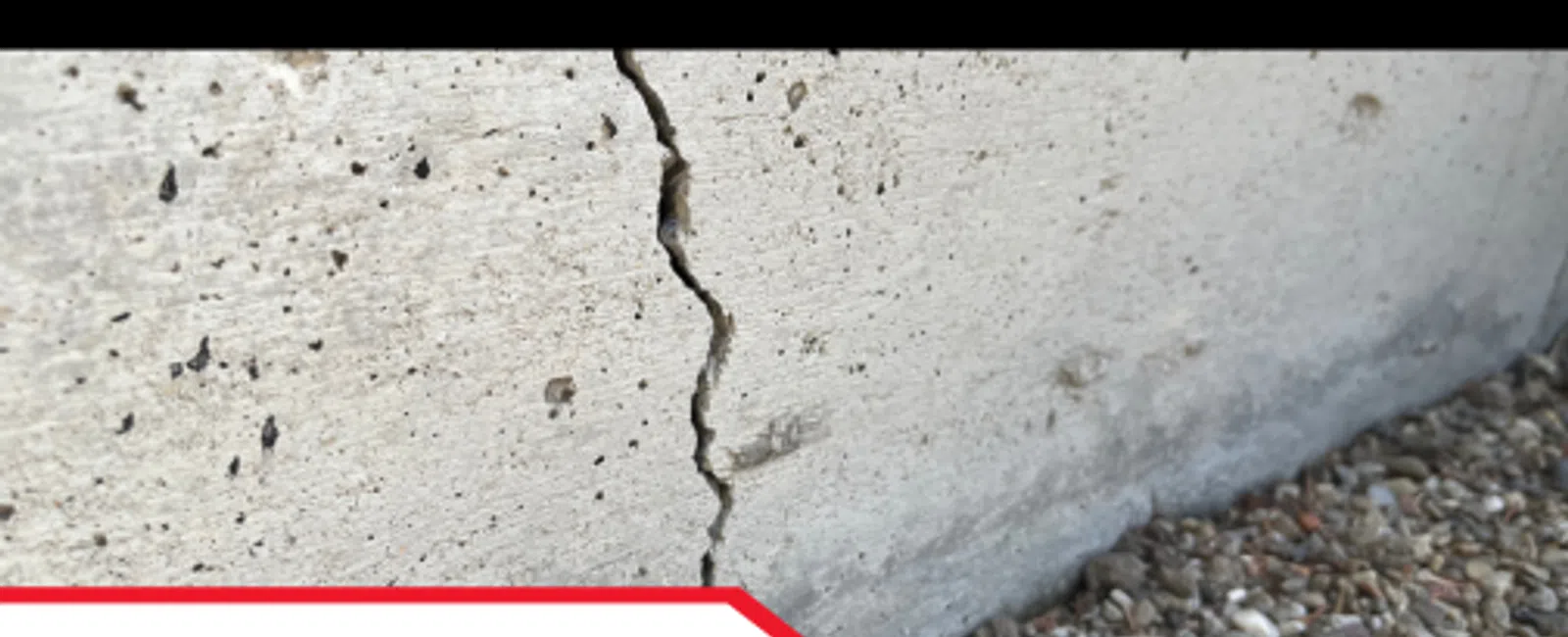
A home's foundation is responsible for supporting every structural component above it, making it one of the most critical systems in any residential property. While homeowners often focus on visible features like roofing, flooring, kitchens, or landscaping, the condition of the foundation has a direct impact on the home's long-term stability, safety, and value. Because many foundation problems begin subtly, what appears to be a small crack today can sometimes develop into a much larger concern if the underlying cause is not identified and addressed. A professional foundation inspection helps homeowners understand whether visible cracking is simply cosmetic or an indication of developing structural foundation issues.
Throughout the Southeastern United States, foundations are exposed to unique environmental conditions that influence how homes settle and age. Expansive clay soils, heavy seasonal rainfall, prolonged humidity, drought cycles, tree root activity, poor drainage, and fluctuating moisture levels all affect the soil supporting a home's foundation. These conditions can cause gradual movement that may eventually result in cracking, uneven floors, sticking doors, wall separations, or moisture intrusion. Understanding why foundation cracks occur—and knowing when they deserve professional evaluation—is an important part of responsible homeownership.
Not every crack is a sign of structural failure. In fact, many homes naturally experience minor settling during the first several years after construction. However, distinguishing between normal settlement and more significant movement requires experience, careful observation, and a thorough understanding of residential construction. Professional Structural inspections, Foundation inspections, Moisture inspections, and Crawl space inspections help identify visible warning signs while providing homeowners with valuable information about the home's current condition.
LunsPro Inspection Group performs comprehensive Home Inspections in the Southeast, helping homeowners and buyers better understand their properties before small concerns become major repairs. Identifying foundation-related issues early often reduces repair costs, preserves property value, and provides peace of mind for current and future homeowners.
Why Foundations Develop Cracks
Concrete is an extremely durable building material, but it is not immune to movement. As concrete cures, settles, and responds to environmental conditions, small cracks may naturally appear over time. The important question is not whether a crack exists, but why it formed and whether it continues to change.
Several factors contribute to foundation cracking, including:
- Natural settlement after construction
- Soil expansion and contraction
- Seasonal moisture changes
- Poor drainage
- Improper grading
- Tree root activity
- Plumbing leaks beneath the slab
- Construction practices
- Erosion around the foundation
Homes throughout the Southeast are especially susceptible because the region experiences alternating wet and dry periods that continually change soil moisture content. These cycles create movement beneath the home that may gradually affect foundation performance.
The Difference Between Cosmetic and Structural Cracks
One of the most common misconceptions among homeowners is that every foundation crack indicates a serious structural problem. Fortunately, that is not always the case.
Hairline cracks that remain stable over time may simply result from normal curing or minor settlement. These are often narrow, uniform, and limited in length.
More concerning structural foundation issues may involve:
- Wide cracks
- Horizontal cracks
- Stair-step masonry cracks
- Expanding cracks
- Bowed foundation walls
- Differential settlement
- Cracks accompanied by floor movement
- Water intrusion through foundation walls
The overall pattern, location, width, and progression of cracking provide valuable clues about the underlying cause.
A professional foundation inspection evaluates these characteristics while considering the home's overall structural performance.
Why Soil Conditions Matter in the Southeast
The soil beneath a home plays a much larger role than many homeowners realize.
Throughout Georgia and neighboring states, expansive clay soils frequently absorb water during wet periods and shrink during drought conditions.
This continual expansion and contraction places stress on foundations year after year.
Other contributing soil conditions include:
- Poor compaction
- Erosion
- Improper fill material
- Drainage deficiencies
- Organic material decomposition
Even well-constructed homes experience some movement as surrounding soils respond to seasonal weather patterns.
Proper drainage and moisture management significantly reduce these risks.
Moisture: A Major Contributor to Foundation Movement
Water is one of the leading causes of developing structural foundation issues.
Too much moisture softens supporting soils.
Too little moisture causes shrinkage.
Both conditions can contribute to uneven settlement.
Professional Moisture inspections often evaluate:
- Crawl spaces
- Foundation walls
- Basement areas
- Exterior grading
- Downspouts
- Surface drainage
- Plumbing leaks
- Moisture intrusion
Maintaining consistent soil moisture around the foundation helps minimize seasonal movement.
Poor Drainage Around the Home
Improper drainage frequently accelerates foundation deterioration.
Common drainage problems include:
- Downspouts terminating near foundations
- Improper grading
- Ponding water
- Overflowing gutters
- Soil erosion
- Landscape drainage issues
Water should always move away from the structure whenever possible.
Long-term exposure to standing water increases the likelihood of settlement, foundation cracking, moisture intrusion, and crawl space problems.
Correcting drainage issues often represents one of the most cost-effective preventive maintenance measures homeowners can take.
Crawl Spaces and Foundation Health
Many Southeastern homes utilize crawl space foundations.
Because crawl spaces remain close to surrounding soil, they are highly influenced by changing moisture conditions.
Professional Crawl space inspections commonly evaluate:
- Moisture levels
- Vapor barriers
- Structural framing
- Foundation walls
- Floor systems
- Plumbing
- HVAC components
- Wood deterioration
- Drainage
Elevated humidity within crawl spaces may contribute to wood rot, insulation damage, microbial growth, and structural movement.
Routine inspections help identify these concerns before they become widespread.
Warning Signs Beyond Foundation Cracks
Foundation movement often affects more than the concrete itself.
Homeowners should also watch for:
- Uneven floors
- Doors that stick
- Windows that become difficult to operate
- Wall cracks
- Ceiling cracks
- Separating trim
- Gaps around windows
- Sloping floors
- Exterior brick cracking
- Chimney movement
These symptoms may develop gradually over several years.
When multiple warning signs appear together, professional evaluation becomes especially important.
The Role of Structural Inspections
Comprehensive Structural inspections evaluate how all visible structural components work together.
Inspectors commonly examine:
- Foundation walls
- Floor framing
- Support beams
- Columns
- Roof framing
- Crawl space supports
- Visible structural movement
- Settlement patterns
Rather than focusing solely on isolated cracks, inspectors evaluate the home's overall structural performance.
This broader perspective helps determine whether movement appears localized or affects multiple building systems.
Foundation Inspections During Home Purchases
A professional foundation inspection is particularly valuable during real estate transactions.
Buyers often focus on cosmetic features while overlooking structural components that may require substantial future investment.
During a home inspection, inspectors document visible observations involving:
- Foundation condition
- Structural movement
- Moisture intrusion
- Drainage
- Crawl spaces
- Floor performance
- Exterior grading
These observations help buyers better understand current property conditions before closing.
Why Early Detection Matters
Small foundation concerns rarely become less expensive over time.
Minor drainage deficiencies today may eventually contribute to:
- Larger foundation movement
- Moisture intrusion
- Structural repairs
- Flooring damage
- Drywall cracking
- Window and door alignment problems
Early maintenance often prevents significantly larger repair projects.
Routine inspections provide opportunities to identify these conditions while corrective measures remain relatively straightforward.
Preventing Foundation Problems
Although no home is completely immune to movement, homeowners can significantly reduce risk through preventive maintenance.
Helpful practices include:
- Maintain clean gutters.
- Extend downspouts away from the home.
- Improve grading where necessary.
- Repair plumbing leaks promptly.
- Monitor foundation cracks regularly.
- Maintain consistent soil moisture.
- Trim vegetation near foundations.
- Schedule periodic inspections.
- Address moisture concerns early.
- Keep crawl spaces dry.
These relatively simple maintenance activities help preserve long-term structural stability.
Foundation Issues in Georgia Homes
Because Georgia experiences prolonged humidity, seasonal storms, clay soils, and varying rainfall, foundation maintenance deserves particular attention.
Professional Home Inspections in Georgia frequently identify:
- Drainage concerns
- Crawl space moisture
- Minor settlement
- Foundation cracking
- Exterior grading deficiencies
Routine inspections provide homeowners with valuable information before these conditions worsen.
Whether scheduling Home Inspections in Atlanta, Home Inspections in Athens, or Home Inspections in Savannah, understanding local environmental conditions helps homeowners better protect their investments.
Regional knowledge also allows inspectors to recognize maintenance patterns commonly affecting homes throughout the Southeast.
Why Professional Home Inspections Matter
Many homeowners only think about inspections when purchasing a house.
However, periodic Home Inspections in the Southeast provide ongoing benefits long after closing.
Professional inspections help homeowners:
- Monitor structural performance
- Identify developing moisture concerns
- Prioritize repairs
- Plan maintenance budgets
- Protect resale value
- Improve long-term home performance
Routine evaluations provide valuable documentation that supports responsible homeownership.
LunsPro Inspection Group emphasizes detailed reporting and practical recommendations so homeowners understand not only what was observed but also why it matters.
Protecting Your Home Starts Below Ground
Small foundation cracks may seem insignificant at first, but they should never be ignored without understanding their underlying cause. While many cracks are the result of normal settlement, others may indicate developing structural foundation issues that could affect the stability, safety, and value of the home if left unaddressed. The combination of changing soil conditions, moisture fluctuations, poor drainage, and natural aging makes foundation monitoring especially important for homeowners throughout the Southeast.
Routine maintenance, effective drainage, and regular inspections remain the best defenses against costly structural repairs. By addressing minor concerns early, homeowners can often prevent moisture intrusion, uneven settlement, and additional damage to floors, walls, roofing systems, and other structural components. A proactive approach helps extend the life of the home while providing greater confidence in its long-term condition.
LunsPro Inspection Group provides comprehensive Home Inspections in the Southeast, including detailed Foundation inspections, Structural inspections, Moisture inspections, and Crawl space inspections that help homeowners better understand the condition of their properties. Whether scheduling Home Inspections in Georgia, Home Inspections in Atlanta, Home Inspections in Athens, or Home Inspections in Savannah, working with experienced inspectors allows homeowners to identify developing foundation concerns before they become major structural problems—protecting both their investment and their peace of mind for years to come.