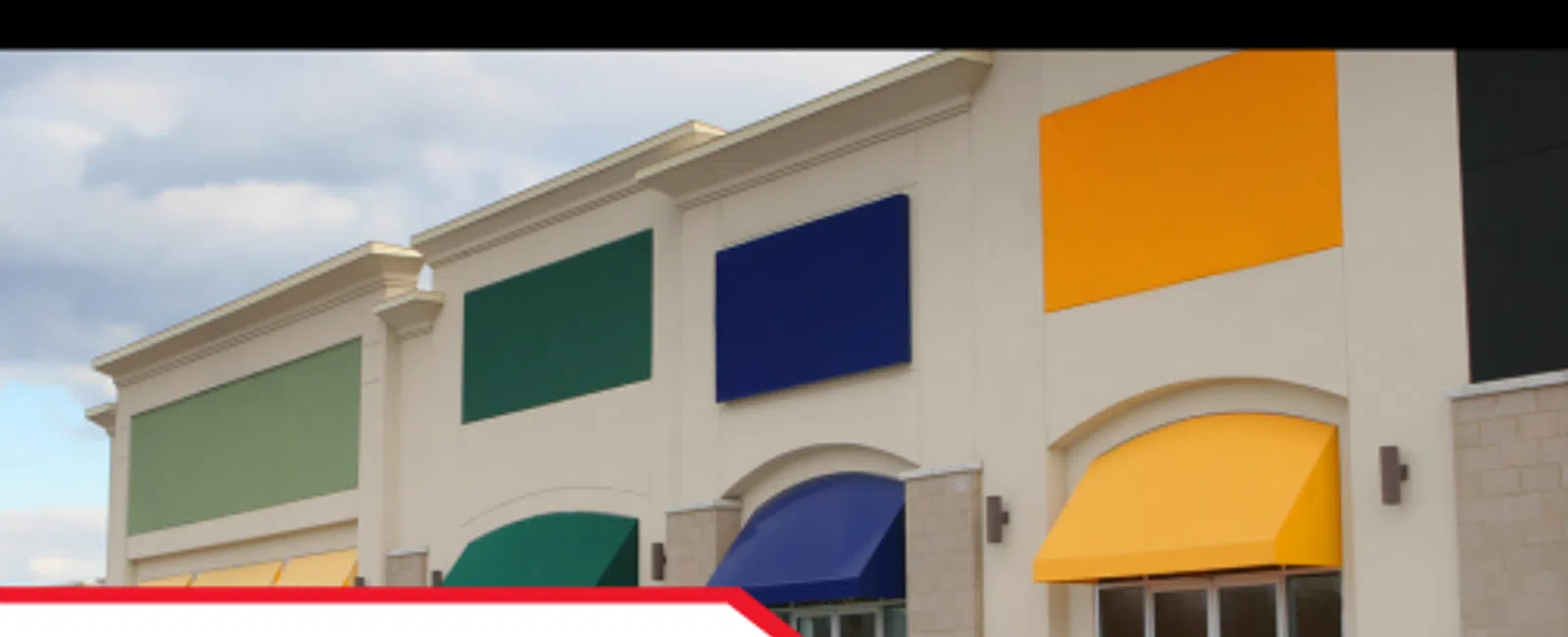
Strip malls and shopping plazas remain some of the most recognizable commercial properties throughout the Southeastern United States. From neighborhood retail centers and grocery-anchored developments to lifestyle centers and mixed-use shopping destinations, these properties serve thousands of businesses and customers every day. Their success depends not only on tenant occupancy and location but also on the condition of the building itself. A professional Southeast strip mall inspection provides commercial property owners, investors, developers, facility managers, landlords, and commercial real estate professionals with valuable insight into the physical condition of these complex assets before acquisition, refinancing, leasing, or long-term ownership planning.
Unlike single-tenant commercial buildings, shopping centers combine numerous tenant spaces with shared roofs, parking lots, sidewalks, utilities, mechanical systems, drainage infrastructure, signage, lighting, and common areas. Deferred maintenance affecting one part of the property can quickly influence neighboring tenants, customer safety, operating expenses, and property value. Comprehensive shopping center commercial inspections help identify visible deficiencies early, allowing owners to prioritize repairs, improve budgeting, and reduce unexpected capital expenditures.
Retail properties throughout the Southeast also experience demanding environmental conditions. High humidity, heavy rainfall, intense summer heat, tropical weather in coastal markets, freeze-thaw cycles in northern portions of the region, and heavy daily vehicle traffic all contribute to the aging of commercial buildings. Regular inspections help owners understand how these conditions affect roofing systems, building envelopes, HVAC equipment, parking lots, drainage, structural components, and tenant spaces over time.
LunsPro Inspection Group performs comprehensive Southeast Commercial Inspections for shopping centers, strip malls, mixed-use developments, retail plazas, and commercial portfolios throughout the region. Detailed inspections support informed decision-making while helping commercial stakeholders protect long-term investments and improve operational reliability.
Why Strip Mall Inspections Are Different
Retail centers differ significantly from office buildings, industrial facilities, or single-tenant commercial properties because nearly every major building system supports multiple businesses simultaneously.
Shared systems often include:
- Roofing
- Parking lots
- Sidewalks
- Exterior lighting
- Utility infrastructure
- Drainage systems
- Mechanical equipment
- Building signage
- Landscaping
- Common walkways
Because maintenance responsibilities generally remain with property ownership rather than individual tenants, inspections focus heavily on evaluating these shared assets.
A professional Southeast strip mall inspection helps owners identify deferred maintenance that could affect lease renewals, tenant satisfaction, insurance planning, operating costs, and future property value.
Common Strip Mall Property Types
Commercial inspections are commonly performed on:
- Neighborhood shopping centers
- Grocery-anchored retail centers
- Mixed-use retail developments
- Lifestyle centers
- Restaurant plazas
- Retail strip malls
- Community shopping centers
- Commercial retail parks
- Power centers
Although each development differs in size and occupancy, all require consistent maintenance of common building systems.
Roofing Systems
Roofing systems remain one of the most valuable assets within retail centers.
Inspectors commonly evaluate:
- Roof coverings
- Flashing
- Roof penetrations
- Rooftop HVAC equipment
- Drainage systems
- Ponding water
- Roof access points
- Sealants
- Visible repairs
Retail centers often contain multiple rooftop HVAC units serving separate tenant suites.
Because roof leaks may interrupt multiple businesses simultaneously, proactive roof maintenance remains essential.
Industry guidance from the International Council of Shopping Centers (ICSC) (https://www.icsc.com/) explains best practices for operating and maintaining retail centers, helping owners understand many of the conditions that commercial inspections commonly evaluate. These recommendations emphasize the importance of routine inspections, preventive maintenance, and coordinated management of shared building systems.
Parking Lots and Traffic Areas
Parking areas experience some of the highest daily use within shopping centers.
Inspectors evaluate:
- Asphalt condition
- Concrete surfaces
- Sidewalks
- Curbs
- Wheel stops
- Accessible parking
- Site lighting
- Striping
- Drainage
- Loading zones
Heavy traffic gradually produces cracking, settlement, and pavement deterioration.
Prompt maintenance extends pavement life while improving customer safety and overall property appearance.
Exterior Building Envelope
Retail buildings rely upon properly maintained exterior systems to protect tenant spaces from weather exposure.
Inspectors commonly evaluate:
- Exterior walls
- Masonry
- EIFS
- Stucco
- Windows
- Doors
- Flashing
- Sealants
- Expansion joints
- Exterior finishes
Water intrusion often begins where sealants deteriorate or flashing fails.
Routine inspections allow owners to address these deficiencies before interior damage affects occupied tenant spaces.
HVAC Equipment
Shopping centers frequently utilize individual rooftop units serving separate businesses.
Commercial inspections typically evaluate:
- Rooftop units
- Air handlers
- Condensate drainage
- Mounting systems
- Refrigerant line insulation
- General equipment condition
- Visible ductwork
- Mechanical rooms
HVAC equipment in retail centers often operates extended hours because of customer traffic and varying tenant schedules.
Routine maintenance reduces downtime while improving energy efficiency.
Electrical Infrastructure
Retail centers require dependable electrical systems to support lighting, signage, restaurants, retail operations, and common areas.
Inspectors visually evaluate:
- Main electrical services
- Distribution equipment
- Electrical panels
- Exterior lighting
- Service equipment
- Visible wiring
- Accessibility
- General condition
Multiple tenant improvements over many years sometimes result in undocumented electrical modifications.
Professional inspections help identify visible concerns requiring additional evaluation.
Plumbing Systems
Commercial plumbing infrastructure serves numerous tenants and customers daily.
Inspectors commonly review:
- Water supply systems
- Drainage piping
- Restroom facilities
- Mechanical rooms
- Utility spaces
- Water heaters
- Visible leaks
- Corrosion
- Fixture condition
Water intrusion resulting from plumbing failures may affect several tenant spaces simultaneously.
Early leak detection helps minimize disruption while reducing repair costs.
Drainage Systems
The Southeast experiences frequent rainfall throughout much of the year.
Proper drainage protects:
- Foundations
- Parking lots
- Sidewalks
- Landscaping
- Tenant entrances
- Building envelopes
Inspectors commonly evaluate:
- Site grading
- Stormwater drainage
- Catch basins
- Downspouts
- Surface runoff
- Ponding water
Drainage deficiencies often accelerate pavement deterioration while increasing moisture intrusion risks.
Structural Components
Commercial inspectors visually evaluate:
- Structural framing
- Roof support systems
- Columns
- Beams
- Foundations
- Exterior walls
- Visible settlement
- Structural movement
While commercial inspections do not replace engineering evaluations, documenting visible structural observations helps owners prioritize additional assessments when necessary.
Property Condition Assessments
Many investors purchasing retail centers request Property Condition Assessments during due diligence.
These assessments commonly evaluate:
- Deferred maintenance
- Immediate repair needs
- Remaining useful life
- Capital planning
- Major building systems
- Long-term ownership considerations
Property Condition Assessments provide valuable information supporting acquisition decisions and reserve planning.
Building Condition Assessments
Existing owners often utilize Building Condition Assessments to support long-term facility management.
These assessments help:
- Prioritize repairs
- Plan renovations
- Improve budgeting
- Support refinancing
- Manage commercial portfolios
- Extend building life
Comprehensive assessments encourage proactive maintenance rather than reacting to unexpected failures.
Building Safety
Commercial inspections include visual observations of accessible life-safety features.
Inspectors may note:
- Exit pathways
- Emergency lighting
- Fire doors
- Accessibility concerns
- General safety observations
Information from the International Code Council (ICC) reinforces nationally recognized building safety standards that influence commercial construction and maintenance. While inspections are not code-compliance inspections, awareness of these standards helps owners better understand why properly maintained building systems remain essential for protecting occupants and businesses.
Building Resilience
Retail properties throughout the Southeast experience demanding environmental conditions, including hurricanes, severe thunderstorms, flooding, high humidity, and extreme heat.
Information provided by FEMA - Building Resilience Resources highlights how resilient building practices can reduce weather-related risks and improve the long-term performance of commercial retail buildings throughout the Southeast. Property owners who understand resilience planning often make more informed maintenance and capital improvement decisions.
Industry resources from the National Institute of Building Sciences (NIBS) further emphasize resilient design, sustainable facility management, and long-term building performance. These principles support shopping center owners seeking to improve operational reliability while reducing lifecycle costs.
Preventive Maintenance
Routine inspections remain one of the most effective ways to protect commercial retail investments.
Resources from the Building Owners and Managers Association (BOMA) emphasize the importance of preventative maintenance, capital planning, and regular inspections for shopping plazas and other multi-tenant commercial properties. Following these practices helps owners reduce emergency repairs while improving tenant retention and budgeting accuracy.
Preventive maintenance programs commonly include:
- Roof inspections
- Parking lot maintenance
- HVAC servicing
- Sealant replacement
- Drainage improvements
- Exterior cleaning
- Lighting inspections
- Sidewalk repairs
These activities extend the useful life of major building systems.
Commercial Inspections Across the Southeast
Many owners manage retail portfolios spanning multiple states.
Professional Southeast Commercial Inspections commonly include:
- Atlanta Commercial Inspections for neighborhood shopping centers, mixed-use developments, and suburban retail corridors.
- Savannah Commercial Inspections, where humidity, coastal weather, and drainage receive additional attention.
- Charlotte Commercial Inspections supporting rapidly expanding retail developments and mixed-use commercial projects.
- Raleigh Commercial Inspections evaluating shopping centers in one of the Southeast's fastest-growing metropolitan areas.
- Greensboro Commercial Inspections for retail plazas serving expanding residential and industrial communities.
- Chattanooga Commercial Inspections focusing on neighborhood shopping centers, business districts, and commercial redevelopment projects.
- Nashville Commercial Inspections supporting retail expansion throughout Middle Tennessee.
- Georgia Commercial Inspections, Florida Commercial Inspections, North Carolina Commercial Inspections, and Tennessee Commercial Inspections that account for each state's environmental conditions, construction practices, and maintenance priorities.
Regional experience helps maintain consistency across multi-state commercial portfolios while recognizing local climate and operational differences.
Why Professional Commercial Inspections Matter
Shopping centers represent substantial long-term investments.
Professional shopping center commercial inspections provide owners with valuable information regarding:
- Deferred maintenance
- Building condition
- Capital planning
- Operational risk
- Future maintenance priorities
- Tenant support
- Budget forecasting
Rather than waiting for major failures to occur, regular inspections encourage proactive maintenance that preserves both building performance and property value.
LunsPro Inspection Group performs comprehensive Southeast Commercial Inspections for investors, developers, commercial landlords, facility managers, business owners, and real estate professionals seeking objective evaluations of retail properties throughout the Southeast.
Protecting Shopping Centers for the Long Term
Retail properties require continuous attention because they serve multiple tenants, welcome large numbers of visitors, and depend on complex building systems operating reliably every day. A professional Southeast strip mall inspection helps owners, investors, and commercial real estate professionals understand the visible condition of roofing systems, parking lots, structural components, HVAC equipment, electrical infrastructure, plumbing, drainage, and common areas before maintenance concerns become costly operational problems. Comprehensive shopping center commercial inspections provide the information needed to prioritize repairs, support budgeting, and preserve long-term property value.
Routine inspections also contribute to stronger tenant relationships and more predictable ownership costs. Identifying deferred maintenance early allows commercial landlords and facility managers to address issues before they disrupt business operations or require emergency repairs. When combined with Property Condition Assessments and Building Condition Assessments, regular inspections become an essential part of responsible commercial asset management throughout the region.
LunsPro Inspection Group provides detailed Southeast Commercial Inspections for shopping centers, retail plazas, mixed-use developments, and commercial portfolios across Georgia, Florida, North Carolina, and Tennessee. Whether performing Atlanta Commercial Inspections, Charlotte Commercial Inspections, Raleigh Commercial Inspections, Savannah Commercial Inspections, Greensboro Commercial Inspections, Chattanooga Commercial Inspections, or Nashville Commercial Inspections, experienced inspectors help commercial stakeholders make informed decisions that support safer, more reliable, and more valuable retail properties throughout the Southeast.