
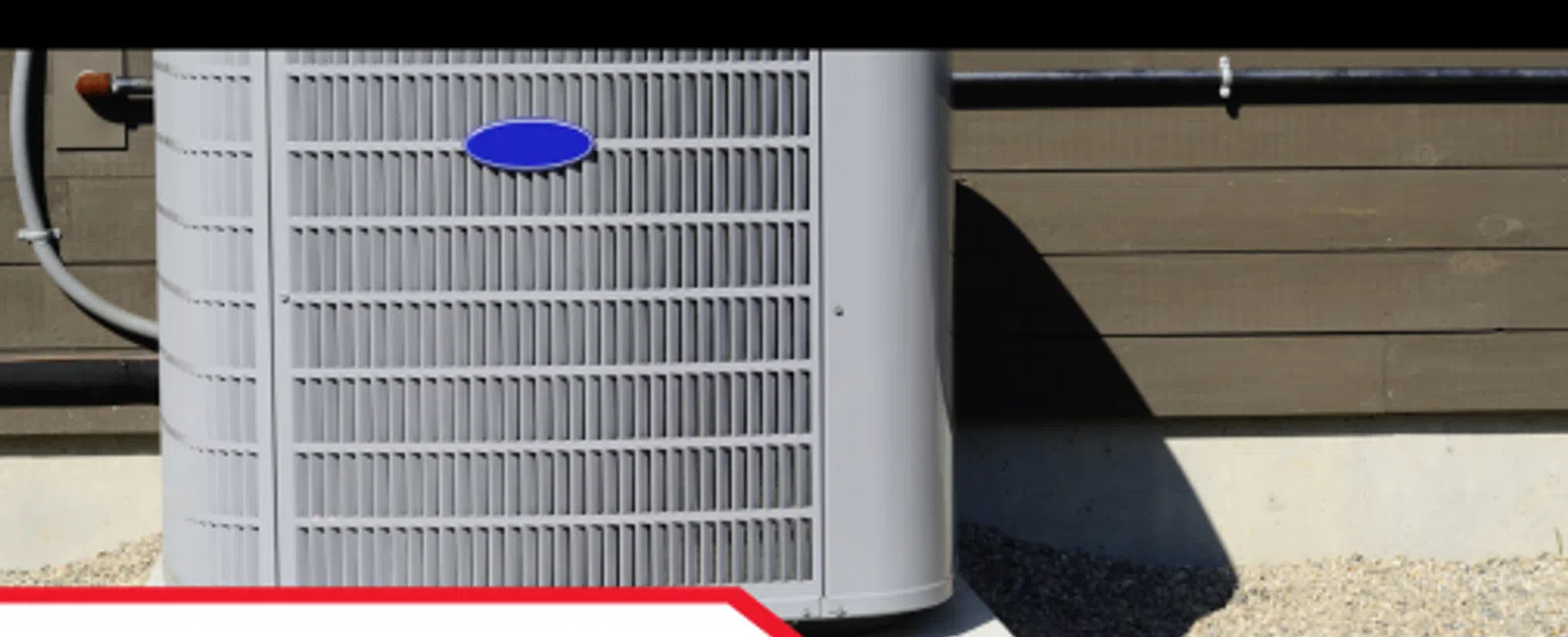
HVAC equipment is one of the most expensive mechanical systems in a home, so it naturally receives significant attention during a real estate transaction. Buyers often want to know how old the furnace, heat pump, air conditioner, or other equipment is and whether replacement may be needed soon. Age is useful information, but it should never be evaluated by itself. A professional HVAC inspection for homebuyers considers the age of the equipment alongside visible condition, normal operation, installation details, accessible ductwork, condensate drainage, controls, maintenance indicators, and other observations that help explain the overall HVAC system condition.
This distinction matters because older equipment is not automatically defective, and newer equipment is not automatically problem-free. A well-maintained system may continue operating effectively beyond typical expectations, while a newer unit can still have installation defects, drainage problems, damaged insulation, improper airflow, or signs of deferred maintenance. Homebuyers should therefore approach HVAC findings with a broader question than simply "How old is it?" The more useful question is, "What does the visible condition and observed operation tell us about the system today?"
Homes throughout the Southeast place substantial demands on heating and cooling systems. High summer temperatures, prolonged humidity, extended cooling seasons, seasonal temperature changes, and frequent storm activity can keep air-conditioning equipment operating for long periods each year. These conditions make regular HVAC maintenance, proper condensate management, clean filters, intact refrigerant-line insulation, and effective airflow especially important.
LunsPro Inspection Group provides comprehensive Home Inspections in the Southeast, including Home Inspections in Florida and Home Inspections in Jacksonville. Through professional HVAC inspections, Air conditioning inspections, Heating system inspections, Homebuyer inspections, and broader Residential property inspections, buyers can gain practical information about the visible condition and normal operation of the home's heating and cooling systems before closing.
HVAC Age Is Useful, but It Is Not the Whole Story
Equipment age can help buyers estimate where a system sits within its general maintenance lifecycle, but age alone does not determine performance.
Several factors influence HVAC condition, including:
- Installation quality
- Maintenance history
- Operating hours
- Climate
- Equipment type
- Indoor air quality
- Filter replacement habits
- Drainage performance
- Electrical condition
- Refrigerant system maintenance
Two systems of the same age may perform very differently. One may have received annual servicing, regular filter changes, prompt repairs, and careful maintenance. The other may have operated for years with clogged filters, neglected condensate lines, damaged insulation, or repeated service problems.
A professional HVAC inspection for homebuyers helps buyers evaluate these visible factors together rather than relying on the manufacturing date as the only indicator.
How Inspectors Estimate HVAC Equipment Age
HVAC equipment often includes a manufacturer label containing model and serial numbers. Depending on the manufacturer, the serial number may contain information that helps determine the approximate production date.
Inspectors may identify the apparent or approximate age of:
- Exterior condenser units
- Heat pumps
- Furnaces
- Air handlers
- Package units
However, age cannot always be confirmed. Labels may be faded, damaged, missing, or difficult to interpret.
Buyers should also understand that different components may have been replaced at different times. A newer outdoor condenser does not necessarily mean the indoor air handler, furnace, ductwork, thermostat, or other system components were replaced at the same time.
This is one reason the HVAC system condition should be evaluated component by component.
Heating and Cooling Equipment
During HVAC inspections, inspectors typically operate equipment using normal controls when weather, safety, and system conditions permit.
Depending on the home, the system may include:
- Central air conditioning
- Heat pumps
- Furnaces
- Electric resistance heating
- Package units
- Mini-split systems
- Other residential heating and cooling equipment
The inspection focuses on visible condition and normal operation rather than comprehensive mechanical diagnostics.
Inspectors may note:
- Unusual sounds
- Visible damage
- Corrosion
- Leakage
- Poor maintenance
- Abnormal operation
- Missing components
- Damaged wiring
- Improper installation details
When significant concerns are observed, evaluation by a qualified HVAC contractor may be recommended.
Exterior Condenser Units
Exterior air-conditioning and heat-pump units are exposed to rain, sunlight, landscaping, debris, and weather throughout their service lives.
During Air conditioning inspections, inspectors may evaluate visible conditions such as:
- Corroded cabinet panels
- Damaged condenser fins
- Vegetation restricting airflow
- Improper clearances
- Visible wiring damage
- Unstable equipment pads
- Refrigerant-line condition
- Signs of deferred maintenance
The outdoor unit needs adequate airflow around it to operate effectively.
Shrubs, vines, leaves, fencing, or stored materials that restrict airflow may reduce efficiency and place additional strain on the equipment.
A deteriorated or uneven equipment pad may also allow the unit to shift over time.
Air Handlers and Furnaces
Interior HVAC equipment may be located in closets, garages, attics, crawlspaces, basements, or utility areas.
Inspectors may look for:
- Visible corrosion
- Cabinet damage
- Moisture
- Rust
- Improper clearances
- Damaged insulation
- Dirty conditions
- Signs of previous leakage
- General maintenance condition
For furnaces, visible venting and combustion-related components may also be evaluated within the home inspection scope.
A Heating system inspection does not replace combustion analysis, heat-exchanger testing, refrigerant measurements, or other specialized diagnostic procedures that HVAC professionals may perform.
Normal Operating Controls and Thermostats
Thermostats are the primary control interface for most residential HVAC systems.
Inspectors generally use normal operating controls to determine whether the system responds appropriately.
Observations may include whether:
- The system activates
- Heating or cooling begins
- The thermostat appears functional
- Equipment cycles normally during the limited inspection period
- Supply registers produce conditioned air
A thermostat operating correctly does not prove the entire HVAC system is free from defects.
Modern programmable and smart thermostats may also contain settings that affect performance, schedules, humidity control, or equipment staging. A home inspection generally does not analyze every programmed function.
Accessible Ductwork
Ductwork distributes conditioned air throughout the home.
Visible sections may be located in:
- Attics
- Crawlspaces
- Basements
- Mechanical rooms
- Utility spaces
Inspectors may identify:
- Disconnected ducts
- Damaged insulation
- Crushed flexible duct
- Poor support
- Visible air gaps
- Moisture or condensation
- Deteriorated materials
Duct deficiencies may affect indoor comfort and energy efficiency.
However, significant portions of duct systems are often concealed behind walls, ceilings, floors, or insulation and cannot be fully evaluated during a standard home inspection.
Supply and Return Registers
Supply registers deliver conditioned air into rooms, while return registers allow air to circulate back toward the HVAC system.
Inspectors may evaluate visible conditions and note whether airflow appears absent or unusually limited at accessible registers.
Potential concerns include:
- Closed or blocked registers
- Damaged grilles
- Poor airflow
- Missing components
- Heavy dirt buildup
Airflow can be influenced by duct design, fan operation, filters, balancing, dampers, equipment sizing, and other factors.
Detailed airflow measurement and balancing require specialized HVAC equipment and are outside the scope of a typical home inspection.
Air Filters and Maintenance Clues
Air filters are simple components, but they can reveal a great deal about maintenance habits.
Dirty filters may restrict airflow and contribute to:
- Reduced efficiency
- Increased system workload
- Poor indoor comfort
- Greater equipment wear
Inspectors may note missing, dirty, improperly sized, or damaged filters where visible.
A neglected filter does not automatically mean the entire system is defective, but it may indicate inconsistent maintenance.
Homebuyers should ask sellers for available HVAC service records when possible. Documentation of routine maintenance, recent repairs, and component replacement can provide useful context that a visual inspection alone cannot.
Condensate Drainage
Air-conditioning systems remove moisture from indoor air, producing condensate that must be safely drained away.
In humid Southeastern climates, this process can generate significant water during cooling season.
Inspectors may evaluate visible:
- Condensate drain lines
- Drain pans
- Auxiliary pans
- Pumps
- Discharge locations
- Signs of leakage
Common concerns include:
- Clogged drain lines
- Rusted pans
- Improper discharge
- Standing water
- Leakage
- Missing secondary protection
Condensate problems can damage ceilings, flooring, framing, insulation, and other materials.
Because cooling equipment operates so frequently in Florida, condensate management deserves particular attention during Home Inspections in Florida.
Refrigerant-Line Insulation
Refrigerant lines connect interior and exterior HVAC components.
The larger suction line is typically insulated to reduce unwanted heat transfer and condensation.
Inspectors may identify:
- Missing insulation
- Deteriorated insulation
- Sun-damaged material
- Exposed refrigerant piping
- Poorly sealed gaps where lines enter the building
Damaged refrigerant-line insulation is often a maintenance issue rather than evidence that the HVAC system has failed, but it should still be corrected.
Exterior insulation can deteriorate quickly under intense Southeastern sunlight.
Corrosion, Leakage, and Deferred Maintenance
Visible corrosion is one of the more common HVAC observations in humid or coastal environments.
Corrosion may affect:
- Exterior condenser cabinets
- Fasteners
- Drain pans
- Refrigerant components
- Electrical enclosures
- Interior equipment
Minor surface corrosion does not necessarily mean equipment replacement is needed. Widespread or severe deterioration, however, may warrant further evaluation.
Visible leakage also deserves attention.
Water around an HVAC system may originate from:
- Condensate drainage
- Drain pans
- Plumbing nearby
- Roof leakage
- Other moisture sources
The source should be investigated rather than assumed.
Common HVAC Warning Signs
Certain observations may suggest that additional HVAC servicing or specialist evaluation is appropriate.
These may include:
- Equipment failing to activate
- Unusual noises
- Weak airflow
- Significant corrosion
- Active leakage
- Damaged wiring
- Repeated cycling
- Poor temperature response
- Damaged ductwork
- Heavy dirt accumulation
- Missing filters
- Damaged condensate components
- Deferred maintenance
No single warning sign automatically proves that the entire system requires replacement.
A licensed HVAC contractor can provide specialized diagnostics when conditions warrant a deeper evaluation.
Older HVAC Systems Are Not Automatically Defective
One of the most important points for buyers to understand is that age is not itself a defect.
An older HVAC system may still:
- Operate normally
- Be well maintained
- Provide adequate heating and cooling
- Show no significant visible deterioration
However, older equipment may still deserve greater budgeting attention because future repair or replacement becomes increasingly relevant as components age.
The home inspection should document observable conditions rather than make unsupported predictions about exactly how long equipment will continue operating.
Buyers should approach older HVAC equipment with realistic expectations while avoiding the assumption that replacement is automatically required solely because of age.
Newer HVAC Systems Can Still Have Problems
The opposite assumption can be equally misleading.
A newer system may still contain:
- Improper installation
- Poor condensate drainage
- Damaged ducts
- Incorrect filter placement
- Poor refrigerant-line insulation
- Electrical concerns
- Maintenance neglect
- Installation debris
New construction and recently renovated homes should therefore receive the same careful inspection as older properties.
The manufacturing date provides context, but visible installation and performance observations remain important regardless of equipment age.
Why Florida Climate Places Heavy Demands on HVAC
Florida homeowners depend heavily on air conditioning.
Long cooling seasons mean equipment may operate for much of the year, making maintenance particularly important.
Heat and humidity can increase:
- Compressor workload
- Fan operation
- Condensate production
- Duct condensation risk
- Outdoor equipment exposure
Coastal areas may also experience increased corrosion from humid, salt-laden air.
During Home Inspections in Jacksonville, inspectors may encounter HVAC equipment affected by prolonged outdoor exposure, high humidity, storm conditions, and extensive cooling demands.
These environmental conditions do not mean Florida HVAC equipment is inherently defective. They simply reinforce the need for proper servicing, drainage management, filter replacement, and routine maintenance.
HVAC Conditions in Attics and Crawlspaces
HVAC equipment and ductwork are frequently located in attics or crawlspaces throughout the Southeast.
These locations can create additional considerations.
Attics may expose equipment to extremely high temperatures, while crawlspaces may expose ducts and components to elevated humidity.
Inspectors may observe:
- Condensation
- Rust
- Sagging ducts
- Damaged insulation
- Water in drain pans
- Poorly supported equipment
These observations should be considered alongside attic ventilation, crawlspace moisture, and drainage conditions.
The HVAC system does not operate independently of the rest of the building.
Planning for Future HVAC Expenses
Heating and cooling systems can represent substantial future homeownership expenses.
Buyers should consider inspection findings when developing a post-closing maintenance and capital plan.
The plan may include:
- Routine servicing
- Filter replacement
- Duct repairs
- Condensate cleaning
- Insulation repairs
- Thermostat updates
- Future equipment replacement
When the system is older or shows significant visible deterioration, obtaining an HVAC contractor evaluation before closing may provide additional information for budgeting.
Buyers should avoid expecting the home inspector to provide an exact replacement date.
No inspection can determine precisely when a compressor, blower motor, control board, heat exchanger, or other component will fail.
Ask for Maintenance Records
Available maintenance documentation can provide valuable context.
Buyers may want to ask for:
- Annual service records
- Repair invoices
- Equipment warranties
- Installation documentation
- Replacement dates
- Contractor information
A system with a consistent service history may be easier to evaluate than one with no documentation.
Records can also help determine whether major components have been replaced separately over time.
HVAC Inspection vs. Specialized HVAC Service
A home inspection evaluates visible conditions and normal operation within a limited period.
A specialized HVAC contractor can perform more detailed testing, which may include:
- Refrigerant measurements
- Electrical diagnostics
- Combustion testing
- Static-pressure testing
- Temperature differential measurements
- Equipment efficiency analysis
- Internal component inspection
These services serve different purposes.
An HVAC inspection for homebuyers can identify visible concerns and determine whether the system responds to normal controls. When significant defects, poor operation, unusual conditions, or maintenance concerns are observed, specialized HVAC evaluation may be recommended.
The Value of a Whole-Home Perspective
HVAC observations often make more sense when evaluated alongside the rest of the property.
For example:
- Poor attic insulation can increase cooling demand.
- Damaged ducts can affect room comfort.
- Crawlspace moisture can contribute to duct condensation.
- Roof leaks may damage attic equipment.
- Poor drainage can affect exterior condenser pads.
Professional Residential property inspections evaluate these relationships instead of treating every system as completely separate.
LunsPro Inspection Group provides detailed Homebuyer inspections that help clients understand HVAC findings within the broader context of roofing, insulation, moisture, electrical systems, and building performance.
Make HVAC Condition Part of the Buying Decision
A professional HVAC inspection for homebuyers helps buyers understand much more than the approximate age of the equipment. Heating and cooling systems should be evaluated based on visible condition, normal operation, installation, accessible ductwork, filters, condensate drainage, exterior units, thermostats, refrigerant-line insulation, corrosion, leakage, and maintenance indicators. Together, these observations provide a more meaningful picture of HVAC system condition than age alone.
Older systems are not automatically defective, and newer equipment is not guaranteed to be free from concerns. Buyers should use the inspection to understand what was observed at the time of evaluation and whether further HVAC servicing or specialist diagnostics may be appropriate. The inspection should support realistic maintenance planning without predicting exactly how long any component will continue operating.
LunsPro Inspection Group provides comprehensive Home Inspections in Florida, including Home Inspections in Jacksonville, as part of its broader Home Inspections in the Southeast. Through professional HVAC inspections, Air conditioning inspections, Heating system inspections, and Residential property inspections, buyers receive practical information about one of the home's most important mechanical systems.
For Southeastern buyers, HVAC planning is particularly important because long cooling seasons, heat, and humidity can place substantial demands on equipment. Reviewing inspection findings, requesting maintenance records, budgeting for future repairs, and scheduling specialized service when necessary can help buyers approach homeownership with clearer expectations and fewer surprises.