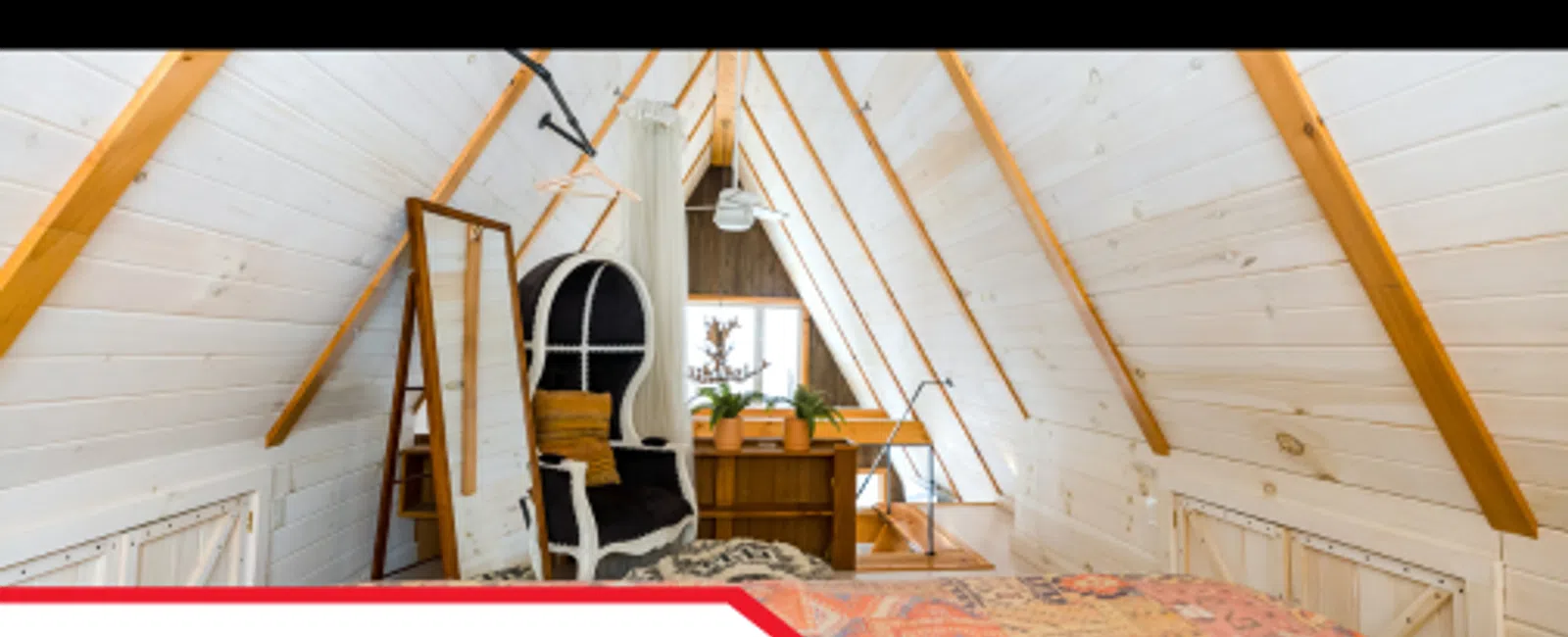
The attic is one of the most revealing areas of a home because it sits directly beneath the roof while also containing structural framing, insulation, ventilation components, electrical wiring, plumbing penetrations, and sometimes HVAC ductwork or equipment. Many problems that are difficult to detect from occupied rooms can leave visible clues in an accessible attic. A professional attic inspection can therefore provide valuable information about how several major home systems are performing together.
For homebuyers, this matters because a house can appear clean, dry, and well maintained from the living areas while still showing evidence of roof leakage, condensation, poor ventilation, insulation deficiencies, damaged framing, or previous repairs above the ceiling. These hidden attic problems may not always create immediate symptoms inside the home, but they can influence future maintenance costs, energy performance, moisture conditions, structural durability, and the expected service life of roofing materials.
Attics are especially important throughout the Southeast, where homes are exposed to high heat, humidity, frequent rainfall, seasonal storms, and changing temperatures. These conditions can create significant temperature and moisture differences between the attic and conditioned living spaces. When roofing, ventilation, insulation, and air sealing do not work together effectively, the attic may become one of the first places where deterioration appears.
LunsPro Inspection Group provides comprehensive Home Inspections in the Southeast, including detailed Home Inspections in North Carolina, to help buyers and homeowners understand visible conditions affecting roofing, framing, insulation, ventilation, moisture management, and other major systems. Through professional Attic inspections, Roof inspections, Moisture inspections, Insulation inspections, and Structural inspections, inspectors can identify clues that may not be obvious from the rooms below.
Why the Attic Is Such an Important Inspection Area
An attic is not simply an empty space above the ceiling. It is where multiple parts of the building intersect.
A typical attic may contain:
- Roof framing
- Roof sheathing
- Insulation
- Ventilation openings
- Electrical wiring
- Plumbing vents
- Bathroom exhaust ducts
- HVAC ductwork
- Air-handling equipment
- Chimney or flue penetrations
Because so many systems pass through or terminate in the attic, deficiencies in one area can affect several others.
For example, a roof leak can wet insulation and damage roof sheathing. A disconnected bathroom exhaust duct can increase attic humidity and contribute to condensation. Poor insulation may increase heat transfer, while inadequate attic ventilation may worsen temperature and moisture conditions.
A thorough attic evaluation helps inspectors consider these relationships rather than treating each component as an isolated system.
Roof Leaks and Moisture Staining
One of the most important things an inspector may identify in an attic is evidence of water entry.
Roof leaks may originate around:
- Flashing
- Roof penetrations
- Plumbing vents
- Chimneys
- Skylights
- Roof valleys
- Damaged shingles
- Low-slope roof transitions
Inside the attic, visible clues may include:
- Dark staining
- Water marks
- Damp insulation
- Rusted fasteners
- Discolored framing
- Previous patching
- Soft or deteriorated sheathing
Not every stain means the roof is actively leaking on the day of the inspection. Some marks may come from an older repair or previous weather event. However, visible evidence deserves careful evaluation because it may indicate a location where water has entered before.
Professional Roof inspections and attic observations work together. Exterior roofing conditions may suggest potential entry points, while interior attic conditions can help confirm whether water has affected materials beneath the roof covering.
Roof Sheathing Deterioration
Roof sheathing forms the structural surface beneath the roofing materials. Depending on the home and construction era, it may consist of plywood, oriented strand board, or older plank decking.
Moisture exposure can contribute to:
- Swelling
- Delamination
- Softening
- Rot
- Discoloration
- Fastener deterioration
From inside an accessible attic, inspectors may observe the underside of roof sheathing and look for visible signs of damage.
This can provide information that is not available from the roof exterior alone.
A roof covering may appear relatively intact while sheathing underneath shows evidence of past leakage, condensation, or long-term moisture exposure. Significant deterioration may require further evaluation by a qualified roofing or structural professional.
Insulation Deficiencies
Insulation plays a major role in controlling heat transfer between the attic and living space.
An insulation inspection may reveal:
- Missing insulation
- Uneven coverage
- Compressed insulation
- Displaced insulation
- Moisture-damaged insulation
- Gaps around attic accesses
- Areas disturbed by previous repairs
- Insulation blocking ventilation paths
Even small gaps can affect energy performance, especially during hot Southeastern summers when attic temperatures become extremely high.
Insulation also provides clues about previous work. Areas where insulation has been removed or disturbed may indicate plumbing repairs, electrical modifications, roof leaks, or HVAC work.
During an attic inspection, inspectors consider both the amount and condition of visible insulation while recognizing that exact thermal performance may require specialized energy testing.
Why Attic Ventilation Matters
Proper attic ventilation helps manage heat and moisture beneath the roof.
Many conventional attic systems use intake vents near the lower roof edges and exhaust vents near the ridge or upper roof area.
Common ventilation components include:
- Soffit vents
- Ridge vents
- Gable vents
- Box vents
- Turbine vents
- Powered attic fans
Problems may develop when vents are blocked, damaged, poorly located, or used in combinations that interfere with intended airflow.
Possible signs of inadequate ventilation include:
- Excessive heat
- Condensation
- Rusted fasteners
- Moisture staining
- Mold-like growth
- Damp insulation
- Premature roof deterioration
Ventilation does not solve every attic problem by itself, but it remains an important part of moisture and temperature management.
Insulation and Ventilation Should Be Evaluated Together
Homeowners sometimes treat insulation and ventilation as completely separate systems. In reality, they influence one another.
Adding large amounts of insulation can improve thermal resistance, but if the material blocks soffit vents or restricts airflow at the eaves, attic ventilation may become less effective.
Likewise, excellent ventilation does not compensate for missing or inadequate insulation.
A balanced attic strategy considers:
- Air sealing
- Insulation
- Intake ventilation
- Exhaust ventilation
- Indoor humidity
- Roof configuration
- Exhaust ducting
During Home Inspections in North Carolina, inspectors frequently encounter attic spaces where one improvement has unintentionally affected another. For example, additional insulation may cover vent openings, or new roof work may alter ventilation without correcting existing insulation deficiencies.
Evaluating both systems together provides a more complete understanding of attic performance.
Bathroom and Exhaust Fans Terminating in the Attic
Bathroom exhaust fans are designed to remove humid air from the home.
When the duct terminates inside the attic instead of outdoors, that moisture may be released directly beneath the roof.
Over time, this can contribute to:
- Condensation
- Damp insulation
- Rust
- Wood staining
- Mold-friendly conditions
- Deterioration of roof sheathing
Kitchen or other exhaust ducts can create similar issues depending on the system.
During an attic inspection, inspectors may look for disconnected, damaged, or improperly terminated ducts where accessible.
This is a good example of how attic observations can reveal a problem that may not be visible from the bathroom or kitchen itself.
Condensation and Elevated Moisture
Condensation is different from a direct roof leak.
It occurs when warm, humid air contacts a cooler surface and releases moisture.
In an attic, this may occur on:
- Roof sheathing
- Metal fasteners
- HVAC ducts
- Plumbing pipes
- Ventilation components
Southeastern humidity can make condensation especially important.
Possible indicators include:
- Water droplets
- Rusted nails
- Moisture staining
- Damp insulation
- Corrosion
- Mold-like growth
Professional Moisture inspections may involve visual observations, moisture meters, or other diagnostic tools when appropriate.
However, inspectors must interpret these findings in context. Elevated moisture may have several possible causes, including ventilation problems, indoor air leakage, roof leaks, plumbing issues, or HVAC condensation.
Structural Framing Concerns
Attics provide one of the best opportunities to view portions of the home's roof framing.
Depending on construction, framing may include:
- Rafters
- Trusses
- Collar ties
- Bracing
- Ridge boards
- Ceiling joists
- Support members
During Structural inspections, inspectors may observe visible conditions such as:
- Cracked framing
- Sagging
- Improper modifications
- Missing bracing
- Damaged trusses
- Cut members
- Unusual repairs
- Water-damaged wood
Structural framing should generally not be modified casually. Trusses in particular are engineered assemblies, and cutting or altering them can affect how loads are transferred through the roof.
When significant modifications or damage are observed, evaluation by a qualified structural engineer may be appropriate.
Damaged or Altered Trusses and Rafters
Home renovations, HVAC installations, attic storage, and plumbing work sometimes result in improper modifications to roof framing.
Examples may include:
- Trusses cut for equipment
- Rafters notched excessively
- Added holes
- Removed bracing
- Improvised supports
- Damaged connections
These alterations may not be visible from the occupied areas of the home.
The attic allows inspectors to see whether framing appears consistent or whether previous work has altered important structural components.
A home inspector does not perform structural calculations. The inspector documents visible concerns and recommends engineering evaluation when conditions warrant it.
Electrical Wiring Concerns
Attics often contain electrical wiring serving lighting, outlets, ceiling fans, HVAC equipment, smoke alarms, and other systems.
Visible concerns may include:
- Open junction boxes
- Exposed splices
- Unsupported wiring
- Damaged insulation
- Improper extensions
- Wiring exposed to physical damage
- Abandoned conductors
Older homes may contain wiring added during multiple renovations.
Newer homes may also have installation defects or temporary wiring that was never properly corrected.
Electrical observations made during an attic evaluation supplement the broader electrical inspection.
Any significant concerns should be addressed by a licensed electrician.
Plumbing Penetrations
Plumbing vent pipes frequently pass through attic spaces before exiting through the roof.
Inspectors may observe:
- Loose piping
- Damaged connections
- Signs of leakage
- Improper support
- Moisture around roof penetrations
- Condensation
Plumbing penetrations through the roof are also common leak locations because they rely on properly installed flashing.
A stain surrounding a plumbing vent may indicate a flashing issue rather than a plumbing leak, which demonstrates why attic conditions must be evaluated alongside roofing observations.
HVAC Ductwork and Equipment
Some homes contain HVAC equipment or ductwork in the attic.
Visible concerns may include:
- Damaged duct insulation
- Disconnected ducts
- Condensation
- Improper support
- Air leakage
- Rusted drain pans
- Condensate problems
An attic air handler can create significant moisture damage if its condensate system leaks.
Because HVAC equipment in attics may be difficult to access, inspectors evaluate it only where safe and practical.
Evidence of Pest Activity
Attics can also provide visible evidence of pests.
Possible signs include:
- Droppings
- Nesting materials
- Chewed materials
- Damaged insulation
- Insect activity
- Entry gaps
Home inspectors may report visible evidence but generally do not provide comprehensive pest identification or treatment.
If significant activity is observed, further evaluation by a qualified pest-control professional may be recommended.
Pests may also create secondary problems by damaging wiring, insulation, ventilation screens, or stored materials.
Why Southeast Climate Conditions Matter
The Southeast creates demanding attic conditions because of prolonged heat and humidity.
During summer, roof surfaces absorb solar heat and can raise attic temperatures substantially. At the same time, humid outdoor air and moisture generated inside the home can increase condensation risk.
Heavy rainfall and storms also test roofing systems frequently.
Seasonal temperature changes can produce repeated expansion and contraction of materials, potentially affecting:
- Sealants
- Flashing
- Fasteners
- Roof coverings
- Vent components
Professional Home Inspections in the Southeast account for these regional conditions when evaluating visible attic performance.
Attic Inspections in Charlotte
Home Inspections in Charlotte may involve older homes, rapidly developed suburban properties, and newer construction.
Common attic observations may include:
- Inadequate ventilation
- Insulation deficiencies
- Roof staining
- Modified framing
- Bathroom exhaust issues
- HVAC duct concerns
Charlotte's humid summers and seasonal storms make moisture management especially important.
Attic Inspections in Raleigh
Home Inspections in Raleigh frequently include homes throughout growing communities where construction practices and attic configurations vary considerably.
Inspectors may evaluate:
- Roof sheathing
- Trusses
- Insulation
- Ventilation
- Electrical wiring
- Exhaust ducts
- Moisture conditions
New construction should not be assumed to be defect-free. Improper insulation placement, blocked vents, disconnected ducts, and incomplete installation can still occur.
Attic Inspections in Greensboro
During Home Inspections in Greensboro, inspectors may encounter older housing alongside renovated and newer properties.
Older homes may contain:
- Previous roof leaks
- Added insulation
- Electrical modifications
- Older framing repairs
- Multiple ventilation systems
Renovation history is particularly important because improvements completed at different times may not work well together.
Accessibility Can Limit an Attic Inspection
Not every attic can be fully entered or inspected.
Access may be limited by:
- Small openings
- Low clearances
- Unsafe framing
- Deep insulation
- Stored belongings
- HVAC equipment
- Exposed wiring
- Deteriorated materials
- Construction design
Inspectors should not enter areas where doing so would create an unreasonable safety risk or cause damage to the property.
In some homes, much of the attic can be evaluated only from the access opening.
The inspection report should document significant limitations when access prevents full observation.
Why Homebuyers Should Pay Attention to Attic Findings
Attic findings can influence decisions about several major systems simultaneously.
For example:
- Roof staining may suggest leakage.
- Rusted nails may suggest condensation.
- Damaged insulation may indicate moisture or previous repairs.
- Cut framing may justify structural evaluation.
- Open electrical splices may require electrician repairs.
- Disconnected exhaust ducts may increase humidity.
- Damaged ductwork may affect HVAC performance.
This makes the attic one of the highest-value areas of a professional home inspection.
Buyers should review attic findings carefully and ask which issues require immediate repair, specialist evaluation, monitoring, or routine maintenance.
Routine Attic Maintenance After Closing
Homeowners should continue monitoring attic conditions after purchasing the property.
Useful maintenance practices include:
- Checking for roof leaks after severe storms
- Keeping ventilation openings unobstructed
- Monitoring insulation
- Confirming exhaust ducts remain connected
- Watching for pest activity
- Inspecting HVAC condensate components
- Avoiding unsafe storage practices
- Maintaining roofing systems
Periodic Attic inspections and broader home maintenance evaluations can help identify changes before they become major problems.
The Attic Can Tell the Story of the Home
A professional attic inspection can reveal important information about roofing, insulation, ventilation, electrical systems, plumbing penetrations, moisture management, and structural framing that may not be visible from the occupied portions of the home. Staining, damaged sheathing, improper exhaust ducts, modified trusses, electrical concerns, condensation, and pest evidence can all provide clues about how the home has performed over time.
These hidden attic problems do not automatically mean a property is unsuitable for purchase. The value of the inspection lies in helping buyers understand what was observed, what may require repair, and where additional specialist evaluation is appropriate. Because attic systems interact closely, insulation, ventilation, moisture control, and roof performance should be considered together rather than as isolated concerns.
LunsPro Inspection Group provides detailed Home Inspections in North Carolina, including Home Inspections in Charlotte, Home Inspections in Raleigh, and Home Inspections in Greensboro, as part of its broader Home Inspections in the Southeast. Through professional Attic inspections, Roof inspections, Moisture inspections, Insulation inspections, and Structural inspections, LunsPro helps homebuyers and homeowners better understand conditions that may otherwise remain hidden above the ceiling.
An attic may be one of the least frequently visited spaces in a home, but it is often one of the most informative. Evaluating it carefully before closing can help buyers identify maintenance needs, investigate significant concerns, and approach homeownership with a more complete understanding of the property's condition.