
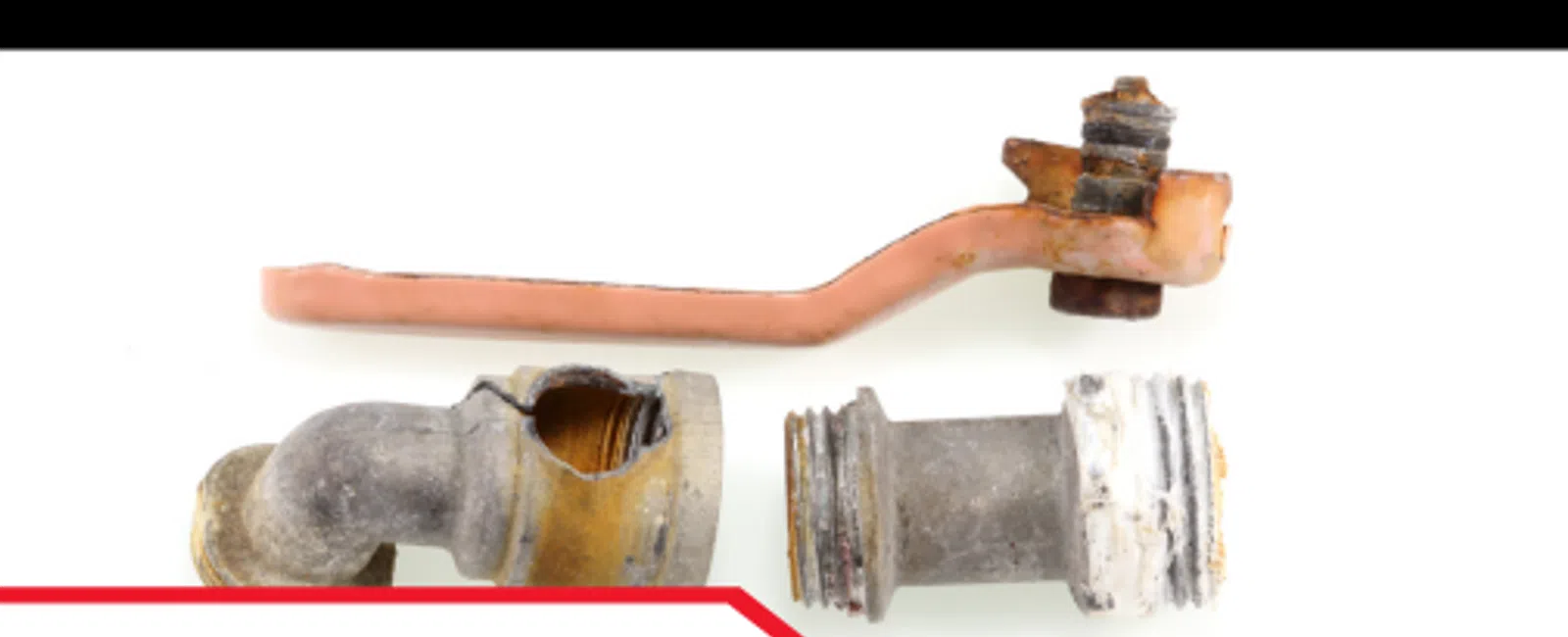
Plumbing is one of the most important systems to evaluate before buying a home because problems can affect far more than sinks, faucets, and toilets. A hidden leak, deteriorated pipe, improperly installed connection, aging water heater, or drainage problem can create repair costs that continue long after closing. For that reason, a professional plumbing inspection for homebuyers should be considered an essential part of a comprehensive residential home inspection rather than a minor checklist item.
Homebuyers often focus heavily on roofing, foundations, HVAC systems, and visible structural concerns, but plumbing defects can create equally serious maintenance challenges. Water has the ability to damage flooring, drywall, cabinetry, insulation, framing, and finishes, and long-term moisture conditions can contribute to deterioration and microbial growth. Even relatively small leaks can become expensive when they continue unnoticed for months or years.
Homes throughout the Southeast can present additional plumbing and moisture concerns because of high humidity, heavy rainfall, crawlspace construction, older housing stock, renovations, and long periods of warm weather. Professional Home Inspections in the Southeast help buyers evaluate accessible plumbing components along with related moisture and structural conditions so they can better understand the property before closing.
LunsPro Inspection Group provides Residential Property Inspections, Moisture Inspections, and other services designed to help buyers identify visible concerns and make more informed decisions about homeownership. While a standard inspection cannot reveal every concealed plumbing problem, it can provide valuable information about the age, condition, operation, and maintenance needs of the visible system.
Why Plumbing Matters Before Closing
A home's plumbing system supports daily activities throughout the entire property. It delivers water to sinks, toilets, showers, appliances, water heaters, exterior faucets, and other fixtures while carrying wastewater away through drain and waste piping.
Because these systems often run through walls, floors, crawlspaces, slabs, ceilings, and underground areas, only portions are visible during a standard home inspection. However, accessible components can still provide useful clues about overall condition.
A professional plumbing inspection for homebuyers may help identify:
- Active leaks
- Evidence of previous leakage
- Corroded piping
- Loose fixtures
- Drainage concerns
- Improper connections
- Water heater deficiencies
- Low water pressure
- Visible moisture damage
- Aging materials
- Drain and waste piping defects
These findings can help buyers determine whether repairs should be addressed before closing, whether specialist evaluation is appropriate, and how much future maintenance may be expected.
Active and Previous Leaks
Leaks are among the most common plumbing problems discovered during home inspections.
Active leaks may be visible under sinks, around toilets, near water heaters, beneath supply lines, in crawlspaces, or around plumbing fixtures. Even slow drips deserve attention because repeated moisture exposure can damage surrounding materials.
Inspectors may also observe signs of previous leakage, including:
- Water stains
- Discolored cabinets
- Damaged flooring
- Swollen wood
- Rust
- Corrosion
- Patching
- Mineral deposits
- Repaired drywall
A previous leak does not always mean the problem remains active. However, buyers should understand what caused the leak, whether it was properly repaired, and whether surrounding materials sustained lasting damage.
Corroded or Deteriorated Piping
Plumbing materials deteriorate differently depending on age, water chemistry, installation quality, maintenance, and environmental exposure.
Visible corrosion may appear as:
- Green or blue staining
- Rust
- Flaking metal
- Mineral buildup
- Discolored fittings
- Moisture around joints
Corrosion does not always mean immediate failure, but it can indicate aging or deteriorating components that may require future repair.
Homes with crawlspaces may provide better access to visible piping, while slab-on-grade homes may conceal much of the plumbing beneath floors or within walls.
During Home Inspections in Georgia, inspectors often evaluate exposed piping in crawlspaces, utility rooms, garages, and cabinets where conditions can be observed without invasive testing.
Aging or Improper Plumbing Materials
Different homes may contain plumbing materials installed during different construction eras.
Visible supply or drain piping may include materials such as:
- Copper
- PEX
- CPVC
- PVC
- Cast iron
- Galvanized steel
- Other older or specialized materials
Some materials can remain serviceable for decades, while others may require increased monitoring due to age, corrosion, brittleness, installation history, or known performance concerns.
A home inspector may identify the visible material and document concerns, but cannot determine the condition of concealed piping throughout the home.
Buyers should ask about the age and maintenance history of the plumbing system, particularly in older properties or homes that have undergone partial renovations.
Low Water Pressure
Low water pressure can affect daily comfort while sometimes indicating broader plumbing concerns.
Possible causes may include:
- Partially closed valves
- Corroded supply piping
- Fixture restrictions
- Pressure regulator problems
- Utility supply conditions
- Leaks
- Mineral buildup
During a home inspection, inspectors may observe water flow at multiple fixtures and note conditions that appear unusually weak or inconsistent.
However, a standard inspection does not always include detailed pressure testing or hydraulic analysis.
If water pressure concerns are significant, further evaluation by a licensed plumber may be appropriate.
Slow or Improperly Draining Fixtures
Drainage problems often become noticeable during routine fixture operation.
Common signs include:
- Slow sinks
- Slow tubs
- Toilets that drain poorly
- Gurgling sounds
- Water backing up
- Multiple fixtures draining slowly
One slow sink may indicate a localized blockage. Multiple slow drains may suggest a larger issue involving shared drain piping or the main sewer line.
A standard home inspection can identify visible drainage performance but cannot always determine what is happening inside concealed or underground piping.
This is where Sewer Scope Inspections may provide additional information.
What Is a Sewer Scope Inspection?
A sewer scope inspection is a specialized evaluation of accessible underground drain or sewer piping using a small camera.
The camera is inserted into an appropriate access point and moved through the line to evaluate visible interior conditions.
A sewer scope may help identify:
- Root intrusion
- Blockages
- Cracks
- Offset joints
- Deterioration
- Standing water
- Collapsed sections
- Damaged piping
Sewer Scope Inspections are especially useful for older homes, properties with mature trees, homes with recurring drainage problems, or situations where underground piping condition is uncertain.
A standard visual plumbing inspection does not include this type of internal sewer-line evaluation unless it is specifically added as a separate service.
Loose or Leaking Fixtures
Plumbing fixtures experience regular use and can loosen or deteriorate over time.
Inspectors may identify:
- Loose toilets
- Leaking faucets
- Damaged sink connections
- Loose shower fixtures
- Deteriorated seals
- Water around tubs
- Damaged caulking
- Improperly secured fixtures
A loose toilet can eventually damage the wax seal and allow water to affect flooring or subflooring.
Similarly, failed caulking around tubs and showers may allow moisture to enter wall or floor assemblies.
These conditions may appear minor initially but can contribute to more significant moisture damage if ignored.
Water Heater Concerns
Water heaters deserve careful attention during a plumbing inspection for homebuyers because replacement can represent a significant expense and improper installation may create safety concerns.
Professional Water Heater Inspections may include visible observations involving:
- Equipment age
- Corrosion
- Leakage
- Temperature and pressure relief components
- Discharge piping
- Venting
- Drain pans
- Shutoff valves
- Connections
- General installation condition
Older water heaters may remain operational while approaching the end of their typical service life.
Buyers should consider both current performance and replacement planning.
Rust around the tank, active leakage, damaged fittings, or improper discharge arrangements may warrant additional evaluation.
Drain and Waste Piping Defects
Drain and waste piping carries wastewater away from the home.
Visible defects may include:
- Leaks
- Corrosion
- Improper slope
- Unsupported piping
- Damaged fittings
- Improper connections
- Previous repairs
- Evidence of blockage
Older homes may contain sections of original drain piping alongside newer repairs.
This mixture is not necessarily a problem, but buyers should understand which components appear older and whether additional evaluation is recommended.
Improper Plumbing Connections
Plumbing systems are frequently modified during renovations, appliance installations, bathroom updates, kitchen remodels, and additions.
Improper connections may include:
- Poorly fitted drain lines
- Flexible piping used inappropriately
- Unsupported supply lines
- Improperly installed traps
- Missing shutoff valves
- Unsealed penetrations
- Improvised repairs
These conditions may create leaks, odors, poor drainage, or maintenance problems.
Home inspectors document visible concerns, but concealed connections inside walls or under slabs cannot be fully evaluated without invasive work.
Plumbing Penetrations and Visible Supply Lines
Pipes often pass through floors, walls, cabinets, foundations, and exterior surfaces.
Inspectors may evaluate visible plumbing penetrations for:
- Gaps
- Moisture
- Damage
- Improper sealing
- Pest entry points
- Deteriorated materials
Visible supply lines under sinks and behind fixtures may also reveal leakage, corrosion, unsupported piping, or aging connections.
Flexible appliance supply lines, washing-machine hoses, and toilet connectors deserve particular attention because failure can result in rapid water discharge.
Moisture Damage Around Fixtures
One of the most important reasons plumbing deserves careful evaluation is the damage leaks can cause to nearby materials.
Visible signs may include:
- Soft flooring
- Swollen cabinetry
- Discolored drywall
- Peeling paint
- Damaged baseboards
- Stained ceilings
- Musty odors
- Mold-like growth
Professional Moisture Inspections can help evaluate visible concerns and may include the use of moisture meters or infrared imaging when appropriate.
These tools can provide additional information, but they do not allow inspectors to see through walls or confirm every concealed leak.
Concealed Leaks and Long-Term Moisture Damage
Concealed plumbing leaks can be difficult to identify because pipes may run inside walls, ceilings, floors, or slabs.
Sometimes the first visible signs include:
- Water stains
- Unexplained odors
- Warped flooring
- Damaged drywall
- Peeling finishes
- Elevated moisture readings
Long-term moisture can contribute to wood deterioration, insulation damage, corrosion, and conditions favorable to microbial growth.
A standard home inspection may identify clues suggesting concealed moisture, but it cannot determine the exact condition of all hidden plumbing.
When significant concerns exist, further evaluation by a plumber, leak-detection specialist, or other qualified professional may be recommended.
Why Plumbing History Matters
Buyers should gather as much information as possible about the home's plumbing history.
Useful questions include:
- Has the home been repiped?
- When was the water heater installed?
- Have there been previous leaks?
- Has the sewer line ever been repaired?
- Are there recurring drain backups?
- Have bathrooms or kitchens been renovated?
- Have major plumbing components been replaced?
Documentation such as repair invoices, warranties, permits, or contractor records can provide valuable context.
A newly renovated bathroom does not necessarily mean the entire plumbing system is new. Cosmetic finishes may hide older supply and waste piping elsewhere in the home.
Plumbing Inspections in Atlanta
Home Inspections in Atlanta often involve a wide range of property ages, from historic homes to new construction.
Older homes may contain:
- Aging supply piping
- Cast iron drainage
- Multiple renovation-era repairs
- Older water heaters
- Underground sewer concerns
Newer properties may still contain installation defects, loose fixtures, drainage problems, or incomplete plumbing connections.
Professional inspections help buyers evaluate visible conditions regardless of the home's age.
Plumbing Inspections in Athens
Home Inspections in Athens may include older homes, student-oriented properties, renovated residences, and newer developments.
Properties with repeated tenant turnover or extensive renovation histories may contain plumbing changes completed at different times.
Inspectors may pay particular attention to:
- Fixture condition
- Visible piping
- Drainage
- Water heaters
- Crawlspace plumbing
- Moisture damage
Understanding the maintenance history can be particularly valuable when evaluating older or frequently updated properties.
Plumbing Inspections in Savannah
Home Inspections in Savannah often require additional awareness of humidity, coastal conditions, crawlspaces, and older construction.
Moisture exposure can accelerate corrosion and deterioration around plumbing components.
Older Savannah homes may also contain combinations of historic construction and modern plumbing upgrades.
Buyers should carefully evaluate visible pipes, drainage, moisture conditions, water heaters, and renovation histories before closing.
Age Matters, but Condition Matters More
Buyers often ask how long plumbing components will last.
There is no exact answer.
The lifespan of piping, fixtures, water heaters, and drainage components depends on:
- Material
- Installation
- Water quality
- Usage
- Maintenance
- Environmental exposure
- Previous repairs
A component can sometimes remain functional beyond typical expectations, while another may fail earlier because of installation defects or environmental conditions.
Home inspectors should not predict exactly when a plumbing component will fail.
Instead, buyers should use the inspection to understand visible condition, apparent age, maintenance history, and current performance.
What Buyers Should Do After the Inspection
After receiving the report, buyers should separate plumbing findings into categories.
Some may involve routine maintenance.
Others may deserve prompt attention before closing.
Possible next steps include:
- Requesting repairs
- Obtaining plumber estimates
- Scheduling a sewer scope
- Evaluating moisture damage
- Reviewing water heater replacement costs
- Requesting maintenance records
- Budgeting for future upgrades
The goal is not to make every older plumbing component new.
It is to understand what is present and how it may affect ownership.
Why Professional Residential Property Inspections Matter
Professional Residential Property Inspections provide buyers with a broader understanding of how plumbing interacts with roofing, foundations, crawlspaces, HVAC systems, electrical components, and interior finishes.
For example, a plumbing leak may create moisture that affects framing. Poor exterior drainage may be mistaken for a plumbing problem. Condensation from HVAC equipment may appear similar to a supply-line leak.
Evaluating the home as a complete system helps distinguish between potential sources and determine which specialist may need to investigate further.
LunsPro Inspection Group provides detailed Home Inspections in the Southeast that help buyers make informed decisions before closing.
Understand the Plumbing Before You Buy
A professional plumbing inspection for homebuyers provides valuable information about the visible condition of one of the home's most frequently used systems. Active leaks, corrosion, aging materials, slow drains, loose fixtures, improper connections, water heater concerns, and moisture damage can all affect future maintenance responsibilities and repair budgets. Identifying these common plumbing problems before closing gives buyers time to ask questions, obtain estimates, request additional evaluations, and better understand the property they are purchasing.
It is equally important to recognize the limitations of a standard inspection. Home inspectors cannot see concealed plumbing inside walls, beneath slabs, or underground, and they cannot predict exactly when a pipe, fitting, fixture, or water heater will fail. When concerns involve underground sewer lines, Sewer Scope Inspections may provide additional information. When visible staining or suspected leaks are present, targeted Moisture Inspections or specialist evaluations may also be appropriate.
LunsPro Inspection Group provides comprehensive Home Inspections in Georgia, including Home Inspections in Atlanta, Home Inspections in Athens, and Home Inspections in Savannah, as part of its broader Home Inspections in the Southeast. Through professional Residential Property Inspections, buyers can better understand plumbing conditions alongside the home's other major systems.
Before closing, buyers should know what plumbing materials are present, how old major components appear to be, what visible deficiencies exist, and whether maintenance records or previous repairs raise additional questions. That information will not eliminate every future plumbing expense, but it can significantly reduce uncertainty and help buyers enter homeownership with more realistic expectations.