
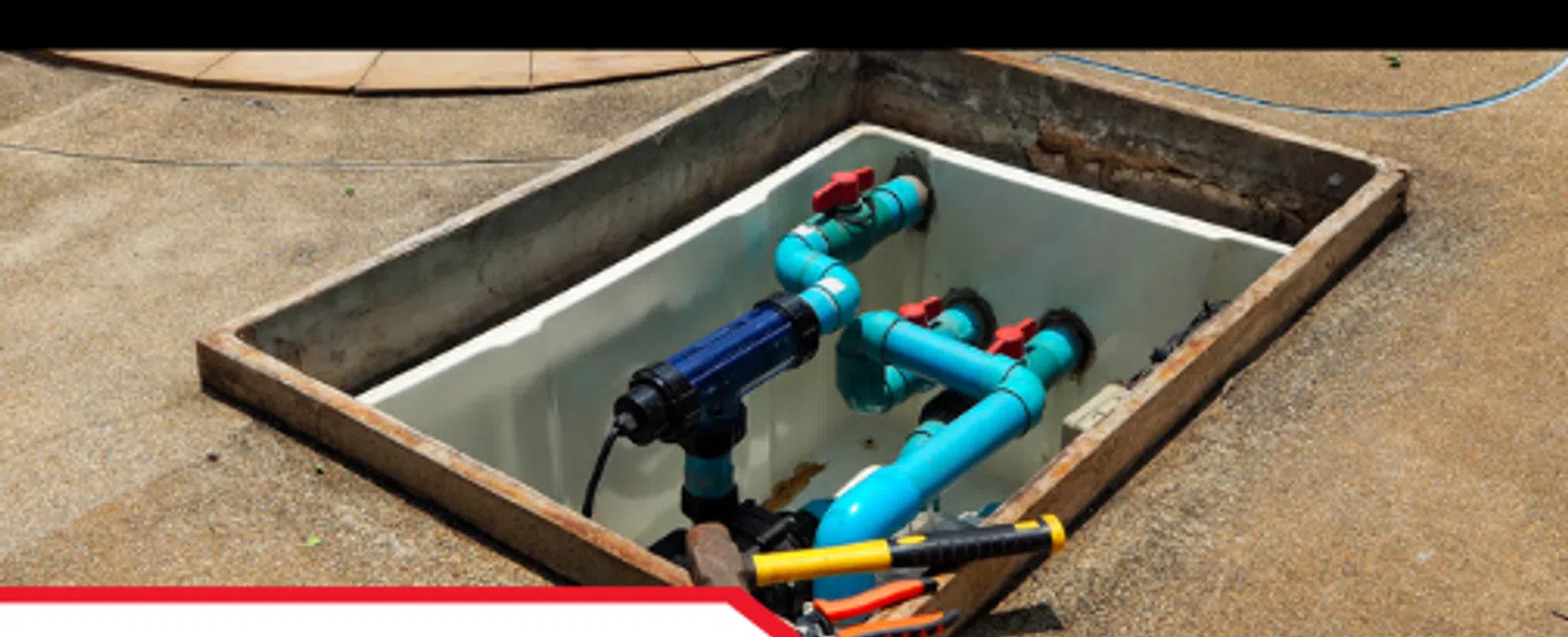
A swimming pool can be an appealing feature for homebuyers, particularly in the Southeast, where warm weather and extended swimming seasons make outdoor recreation an important part of residential living. However, beyond the pool's appearance, buyers should consider the condition of the equipment responsible for circulation, filtration, heating, and everyday operation.
Pool pumps, filters, piping, valves, electrical connections, and automated controls all contribute to a pool's functionality. These components require maintenance and may eventually need repairs or replacement. A pool equipment inspection can help identify visible deterioration, leakage, damaged components, and conditions that may warrant further evaluation before purchasing a property.
Understanding the difference between a standard home inspection and a specialized residential pool inspection is equally important. Not every home inspection includes pool equipment evaluation, and even an inspection that addresses accessible pool components has limitations. Knowing what can be observed, what requires specialized testing, and which maintenance records to request can help buyers make informed decisions about a property with a swimming pool.
Understanding Residential Swimming Pool Equipment
Residential swimming pools rely on several interconnected components to circulate and filter water.
Although equipment arrangements vary by pool design, common components include:
- Pool pumps: Move water through the circulation system.
- Filters: Remove suspended particles from circulating pool water.
- Piping: Carries water between the pool and its equipment.
- Valves: Direct or regulate water movement through different components.
- Pool heaters: Heat circulating water where heating equipment is installed.
- Timers and controls: Manage equipment operating schedules and selected functions.
- Electrical equipment: Supplies power to pumps, heaters, lighting, and other components.
- Circulation fittings: Include skimmers, returns, and other components involved in water movement.
These systems work together, but their condition cannot always be determined through a visual inspection alone.
A swimming pool equipment inspection may document accessible physical conditions and certain operational observations when equipment can be safely operated within the inspection scope.
However, a general inspection does not automatically verify hydraulic performance, filtration effectiveness, electrical safety, or the condition of concealed components.
Pool Pump Condition and Maintenance Considerations
The pool pump is a central component of the circulation system.
It moves water through the filter and associated piping, helping support normal pool operation.
The U.S. Department of Energy's swimming pool pump guidance discusses pump operation and energy-efficiency considerations, including the role of equipment selection and operating practices.
What May Be Observed During a Pool Pump Inspection?
Depending on accessibility and operating conditions, an inspector may document:
- Visible corrosion
- Physical damage
- Water leakage
- Deteriorated connections
- Mounting conditions
- Apparent previous repairs
- Unusual operating noise
- Available maintenance information
These observations may help buyers identify equipment that deserves further attention.
Does Unusual Pump Noise Mean the Pump Is Failing?
Not necessarily.
Unusual sounds may be associated with several operating or mechanical conditions.
A general inspection cannot determine the precise cause of every noise or establish the pump's remaining service life.
Similarly, a pump that operates during an inspection is not guaranteed to perform reliably under all conditions.
Detailed pump diagnostics, flow measurements, and performance testing may require a qualified pool service professional.
Pool Filters, Piping, and Valves
Pool filtration equipment helps remove suspended particles from circulating water.
Residential pools may use cartridge, sand, or diatomaceous earth filters, depending on the system design.
During a pool filter inspection, accessible observations may include:
- Filter housing condition
- Visible corrosion
- Leakage
- Damaged components
- Piping connections
- Valve condition
- Evidence of previous repairs
- Apparent maintenance deficiencies
Why Filter Housing Condition Matters
Filter housings and associated components operate as part of a pressurized circulation system.
Visible cracks, deterioration, or leakage may warrant further evaluation by a qualified professional.
A general inspector should not disassemble pressurized equipment or perform specialized procedures outside the agreed scope.
Visible Pool Plumbing
Pool equipment areas may contain extensive exposed piping and multiple valves.
Potential concerns include damaged piping, deteriorated connections, leakage, or unsupported components.
However, visual observations do not establish the condition of underground plumbing.
A residential pool inspection does not automatically include pressure testing, underground pipe evaluation, or comprehensive leak detection.
These procedures require specialized equipment and appropriate expertise.
Pool Electrical Equipment and Safety Considerations
Swimming pools combine electrical equipment with water, making appropriate electrical installation and maintenance especially important.
Pool-related electrical components may include:
- Pump connections
- Equipment disconnects
- Control panels
- Timers
- Lighting circuits
- Heater connections
- Associated wiring
- Grounding and bonding components
What Visible Electrical Concerns May Be Identified?
Depending on accessibility, an inspection may document:
- Damaged electrical covers
- Corrosion
- Moisture exposure
- Visible wiring deterioration
- Questionable equipment connections
- Physical damage
- Apparent installation concerns
These observations may warrant evaluation by a qualified electrical contractor.
Grounding and Bonding Are Not the Same
Grounding and bonding are related but distinct electrical safety measures.
Grounding provides an intended electrical connection to the grounding system, while bonding connects designated conductive components to help reduce potentially hazardous voltage differences.
Pool installations may contain bonding conductors and connections associated with equipment and other required components.
However, the presence of a visible conductor does not establish that the entire bonding system is properly installed or functioning.
A pool electrical inspection involving comprehensive grounding or bonding verification may require specialized testing by a qualified electrician.
A standard home inspection or visual pool equipment assessment does not automatically include this verification.
Inspectors should not perform energized electrical work or specialized electrical testing outside their qualifications and inspection scope.
Pool Heaters and Automated Controls
Some residential pools include gas, electric, or heat-pump heating equipment.
Others contain automated controls for circulation schedules, heating, lighting, or additional pool features.
Pool Heater Observations
Accessible conditions may include:
- Visible corrosion
- Physical deterioration
- Leakage
- Equipment connections
- Apparent maintenance concerns
- Available service documentation
However, a general inspection does not necessarily include complete heater performance testing, internal component evaluation, or gas-system diagnostics.
A qualified pool heater technician or other appropriate contractor may be needed when concerns are identified.
Automated Pool Controls
Timers and automated systems may manage equipment operation.
An inspector may observe accessible controls and certain basic functions when safe and included in the service.
However, comprehensive programming verification, electronic diagnostics, and specialized control-system testing are not automatically included.
Visible Leaks and Moisture Around Pool Equipment
Water leakage is an important consideration during a pool equipment inspection because prolonged moisture exposure can contribute to deterioration of surrounding components.
Potential observations include:
- Water accumulation near pumps
- Moisture around filter housings
- Leaking pipe connections
- Corroded equipment supports
- Staining around equipment
- Deteriorated surrounding surfaces
Does Water Around Equipment Confirm a Pool Leak?
No.
Water near pool equipment may originate from several sources, including rainfall, equipment drainage, cleaning activities, condensation, or an actual plumbing leak.
A visible wet area does not independently establish the source or severity of a problem.
Specialized leak detection may be needed to investigate suspected losses from underground piping, pool structures, or concealed equipment connections.
A general inspection does not determine every source of moisture or certify that a pool is leak-free.
Pool Safety Features and Surrounding Conditions
Pool safety involves more than the condition of pumps and filters.
Barriers, gates, covers, drain covers, electrical equipment, and walking surfaces may all deserve attention during a property evaluation.
The U.S. Consumer Product Safety Commission's pool and spa safety resources provide information about drowning prevention and other pool-related safety considerations.
Visible Safety Features
Depending on the inspection scope, observations may include:
- Pool barriers and fencing
- Gates and latching hardware
- Pool covers
- Visible drain covers
- Accessible electrical equipment
- Walking surfaces
- Pool deck deterioration
- Damaged or uneven surrounding materials
These features may influence maintenance planning and the need for additional professional evaluation.
Drain Covers and Specialized Safety Components
Pool drain systems may involve specialized safety requirements and equipment.
A visual inspection may identify an obviously damaged or missing cover, but it does not automatically verify drain-system configuration, suction performance, or compliance with applicable safety requirements.
A qualified pool professional may be needed for further evaluation.
Pool Safety Standards and Inspection Limitations
Pool construction and safety requirements can vary by jurisdiction, property type, and installation date.
The International Code Council's I-Codes provide model code frameworks that jurisdictions may adopt or modify.
These frameworks offer useful regulatory context, but a general home or pool equipment inspection does not certify compliance with every applicable building or pool-safety requirement.
The CDC's Model Aquatic Health Code also provides guidance concerning aquatic facility operation and safety.
However, the Model Aquatic Health Code primarily addresses public aquatic facilities. It should not be treated as a universal inspection standard for privately owned residential swimming pools.
Formal compliance assessments may require separate evaluation by qualified professionals or the appropriate local authority.
Pool Water Quality and Equipment Condition
Pool circulation and filtration systems contribute to overall pool operation, but equipment condition and water quality are separate evaluation subjects.
The CDC's Healthy Swimming resources provide information about safe swimming practices, pool maintenance, and the importance of appropriate water treatment.
A pump or filter that appears physically intact does not establish that pool water is properly treated.
Likewise, clear-looking water does not confirm appropriate chemical conditions.
A general home inspection or visual pool equipment assessment does not automatically include water chemistry testing, microbiological analysis, or certification of water quality.
Homebuyers seeking this information should consult an appropriately qualified pool professional.
Maintenance Records and Equipment Replacement Planning
Pool equipment may require periodic servicing, repairs, and eventual replacement.
Before purchasing a home, buyers may benefit from requesting:
- Equipment installation dates, where documented
- Service records
- Previous repair documentation
- Equipment replacement histories
- Manufacturer operating instructions
- Available warranties
- Pool maintenance records
Does Equipment Age Determine Remaining Service Life?
Not by itself.
The condition and longevity of pool equipment can depend on installation quality, maintenance, operating conditions, environmental exposure, and usage.
Older equipment does not automatically require replacement.
Similarly, newer equipment may still have installation or maintenance concerns.
A qualified pool professional can provide additional evaluation when buyers need information about equipment performance or replacement planning.
Standard Home Inspection vs. Specialized Pool Inspection
One important question for buyers is whether pool equipment evaluation is included in the home inspection they are scheduling.
A standard residential home inspection generally focuses on accessible building components, including roofing, structure, plumbing, electrical systems, HVAC equipment, and interior and exterior conditions.
Pool equipment evaluation is not automatically included in every home inspection.
Depending on the inspection provider and market, pool-related services may be available as separate ancillary inspections.
What May Require Specialized Evaluation?
A comprehensive pool assessment may involve services beyond general visual observations, including:
- Hydraulic performance testing
- Specialized pump diagnostics
- Leak detection
- Underground piping evaluation
- Electrical bonding verification
- Water chemistry testing
- Structural pool-shell engineering
- Detailed heater diagnostics
- Formal pool code-compliance evaluation
A visual pool equipment inspection does not replace these specialized services.
Buyers should confirm the scope and availability of any pool inspection before scheduling.
What If the Pool Is Winterized or Not Operating?
Pool equipment cannot always be evaluated under normal operating conditions.
A property may have a pool that is:
- Winterized
- Drained
- Shut down
- Disconnected from power
- Undergoing repairs
- Otherwise nonoperational
These circumstances can significantly limit inspection findings.
Why Operational Status Matters
When equipment is not operating, an inspector may be unable to observe pump performance, circulation, active leakage, or certain control functions.
Even when equipment is accessible, visual observations cannot establish how the system will perform once returned to service.
A qualified pool professional may need to evaluate the equipment after appropriate startup procedures.
Homebuyers should understand these limitations before relying on inspection findings.
Pool Equipment Considerations Across the Southeast
Residential pools are found throughout Georgia, North Carolina, South Carolina, Tennessee, and Florida.
However, pool designs, operating schedules, equipment arrangements, and maintenance requirements vary by property and climate.
In warmer markets such as Jacksonville and Savannah, some homeowners may operate pools for extended portions of the year.
In Atlanta, Charlotte, Raleigh, Greensboro, Greenville, Chattanooga, and Nashville, seasonal temperatures may influence pool use, maintenance schedules, and winterization practices.
These differences can affect equipment exposure and maintenance planning, but they do not mean every pool operates year-round or experiences the same conditions.
LunsPro Inspection Group provides residential home inspection services throughout these Southeastern markets.
Homebuyers interested in a pool inspection before buying a home should confirm whether a pool inspection or applicable ancillary service is offered for their specific location and what equipment or features the service includes.
Why Pool Equipment Deserves Attention Before Closing
Swimming pool equipment represents an important maintenance consideration for homebuyers because pumps, filters, piping, electrical components, heaters, and controls all contribute to the pool's operation. Visible deterioration, corrosion, leakage, damaged components, and maintenance deficiencies may indicate the need for further professional evaluation.
A pool equipment inspection can help buyers understand accessible equipment conditions and identify concerns that may deserve attention before purchasing a property. However, visual observations cannot establish complete equipment performance, underground plumbing condition, electrical bonding integrity, or the remaining service life of every component.
Understanding inspection limitations is particularly important when pools are winterized, drained, shut down, or otherwise nonoperational. Buyers should also recognize that specialized testing, pool safety certification, and detailed equipment diagnostics may require qualified pool professionals, electricians, or other specialists.
For homebuyers throughout Georgia, North Carolina, South Carolina, Tennessee, and Florida, LunsPro Inspection Group supports informed purchasing decisions through professional residential home inspections and applicable ancillary services where available.
By reviewing equipment maintenance records, confirming inspection scope, and arranging specialized evaluations when appropriate, buyers can better understand the potential maintenance responsibilities associated with owning a home with a swimming pool.