Roof ventilation is one of the most important yet frequently overlooked parts of a home's roofing and attic system. Homebuyers often focus on visible roof coverings, missing shingles, flashing defects, or signs of active leakage, but the condition of the ventilation system can be just as important to the long-term performance of the roof. A professional roof ventilation inspection helps determine whether air can move effectively through the attic, whether intake and exhaust vents appear properly arranged, and whether visible conditions suggest heat or moisture is becoming trapped beneath the roof.
For homes throughout the Southeast, proper ventilation is especially important because attics are regularly exposed to high temperatures, elevated humidity, heavy rainfall, and long cooling seasons. When warm, moisture-laden air remains trapped in an attic, it can contribute to condensation, insulation damage, wood deterioration, mold-friendly conditions, and premature aging of roofing materials. These attic ventilation problems may not be obvious during a casual property tour, making professional evaluation an important part of the home inspection process.
Roof ventilation should not be viewed as a single component. It is part of a larger system that includes the roof covering, attic insulation, air sealing, bathroom and kitchen exhaust ducts, soffits, ridge vents, gable vents, and mechanical equipment. A deficiency in one area can reduce the effectiveness of the entire system. For example, a ridge vent may be present, but blocked soffit vents can prevent cool exterior air from entering the attic. Similarly, sufficient vent openings may exist, but improperly routed exhaust fans can introduce excessive moisture into the attic.
LunsPro Inspection Group provides detailed Home Inspections in the Southeast, including professional Roof inspections, Attic inspections, Moisture inspections, and Home maintenance inspections. By examining the relationship between the roof and attic, inspectors help buyers and homeowners better understand conditions that may affect comfort, energy efficiency, indoor air quality, and the service life of major building materials.
What Is Roof Ventilation?
Roof ventilation is the planned movement of air through the attic or enclosed roof space. Most conventional attic ventilation systems use a combination of intake vents and exhaust vents.
Intake vents are generally located near the lower edges of the roof, commonly along the soffits or eaves. These openings allow cooler exterior air to enter the attic. Exhaust vents are located higher on the roof and allow warm air to leave.
Common exhaust vent types include:
- Ridge vents
- Box vents
- Turbine vents
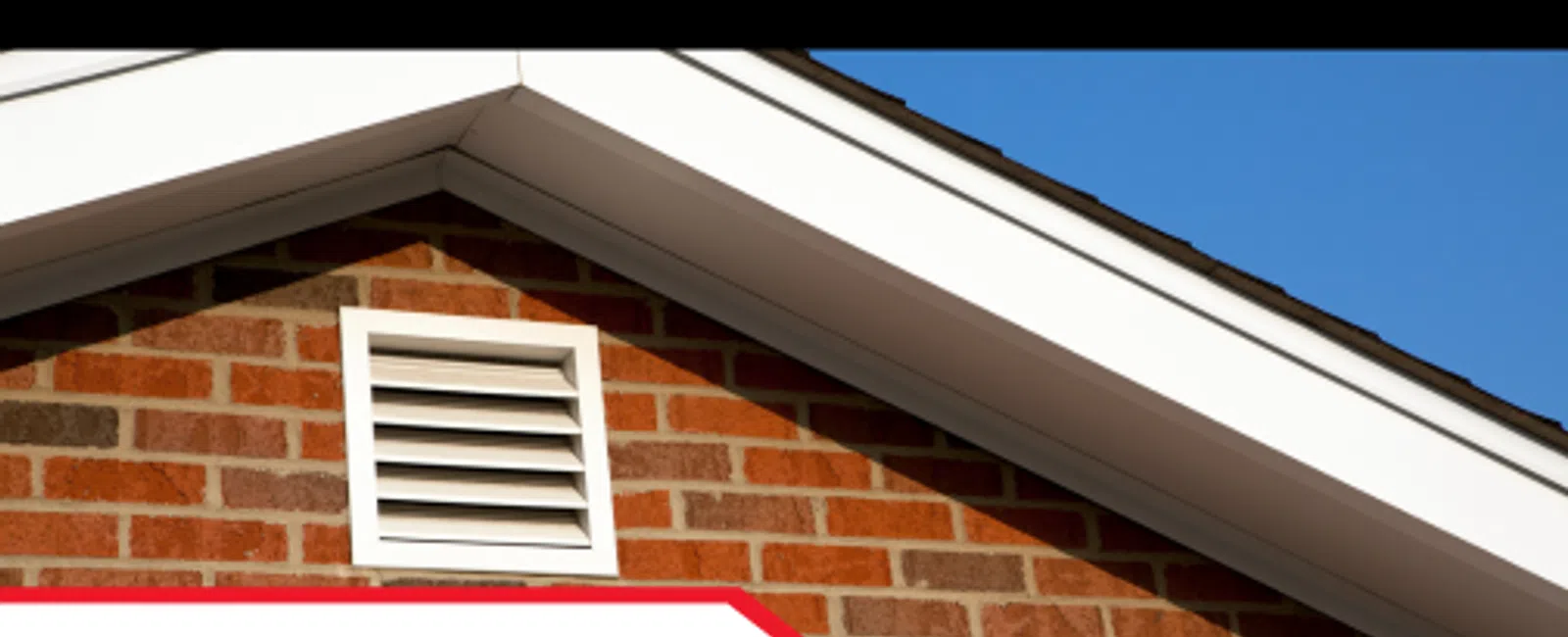
- Gable vents
- Powered attic fans
When the system is balanced and unobstructed, air can move through the attic more effectively. This movement helps reduce excessive heat and moisture accumulation.
A roof ventilation inspection evaluates the visible condition and general arrangement of these components. The inspector may look for missing vents, blocked openings, damaged vent covers, incompatible vent types, inadequate air pathways, or other conditions that may limit ventilation.
Why Attic Heat Is a Concern
Attic temperatures can rise dramatically during warm weather, especially under dark-colored roof coverings exposed to direct sunlight. In Georgia and other Southeastern states, roof surfaces may receive intense solar exposure for much of the year.
Excessive attic heat may contribute to:
- Accelerated aging of roofing materials
- Increased cooling demands
- Higher energy costs
- Reduced indoor comfort
- Heat damage to stored belongings
- Greater stress on HVAC systems
- Deterioration of attic insulation
Ventilation alone does not control every heat-related issue. Insulation levels, air sealing, roofing materials, roof color, and attic design also influence temperature. However, proper airflow remains an important part of a complete attic and roofing strategy.
During Home Inspections in Georgia, inspectors often encounter attics with high temperatures, limited intake ventilation, obstructed soffits, or uneven airflow. These observations may justify maintenance, further evaluation, or improvements by a qualified roofing or ventilation contractor.
How Moisture Enters an Attic
Moisture can enter an attic from both exterior and interior sources.
Exterior sources may include:
- Roof leaks
- Damaged flashing
- Wind-driven rain
- Failed roof penetrations
- Condensation around metal components
Interior moisture may come from:
- Bathroom exhaust fans
- Kitchen exhaust ducts
- Plumbing leaks
- Air leakage from living spaces
- Unsealed attic access openings
- Humid indoor air
One of the most common and preventable concerns involves exhaust fans that terminate inside the attic rather than outdoors. Bathrooms produce substantial moisture, especially during showers. If that air is discharged into the attic, it can condense on cooler roof framing, roof sheathing, fasteners, and ductwork.
A thorough Attic inspection includes checking visible exhaust duct routing where accessible. Inspectors may note disconnected ducts, damaged ducting, excessive condensation, or vents that appear to terminate improperly.
Attic Ventilation Problems and Condensation
Condensation occurs when warm, humid air contacts a cooler surface. In an attic, these surfaces may include roof sheathing, nails, metal flashing, HVAC ducts, or framing components.
Possible signs of condensation include:
- Rusted roofing nails
- Water droplets on metal surfaces
- Dark staining on roof sheathing
- Damp insulation
- Musty odors
- Mold-like growth
- Wood discoloration
- Corrosion around fasteners
These conditions do not always indicate an active roof leak. In some cases, the moisture is coming from indoor air or improperly vented exhaust systems rather than rainfall.
Professional Moisture inspections help distinguish between visible moisture patterns and identify areas that may require further investigation. Moisture meters and infrared imaging may sometimes support visual observations, although these tools must be interpreted in context.
Persistent condensation can gradually reduce the strength of wood materials, damage insulation, and create conditions favorable to fungal growth. Correcting the ventilation problem early may help prevent more extensive repairs.
Intake and Exhaust Vent Balance
Effective roof ventilation depends on having both intake and exhaust openings. A system with only exhaust vents may not perform well if there is no clear path for replacement air to enter the attic.
Likewise, a home may have numerous soffit vents, but insufficient exhaust ventilation near the roof ridge. In either case, airflow may be limited.
Common balance problems include:
- Blocked soffit vents
- Too few intake vents
- Too few exhaust vents
- Multiple competing exhaust systems
- Insulation covering vent openings
- Missing attic baffles
- Improper vent placement
Baffles, also called vent chutes, are often installed between roof rafters near the eaves. They create an air channel between the soffit and attic while preventing insulation from blocking the intake path.
During a roof ventilation inspection, inspectors look for visible evidence that intake air can move into the attic. In areas where insulation completely covers soffit openings, ventilation may be significantly reduced.
Problems With Mixing Ventilation Types
More ventilation is not always better. Mixing incompatible vent types can interfere with intended airflow.
For example, a ridge vent is generally designed to function as the primary high-level exhaust. If powered attic fans or open gable vents are also present, they may pull air from the ridge rather than from the soffits. This can disrupt the natural airflow pattern and potentially draw rain or humid exterior air into the attic under certain conditions.
Inspectors may identify:
- Ridge vents combined with powered fans
- Multiple exhaust systems at different roof levels
- Gable vents competing with ridge vents
- Powered fans without adequate intake area
- Abandoned or damaged vents
These conditions do not always mean the system has failed, but they may warrant evaluation by a qualified roofing professional. The design of the roof, attic volume, climate, and vent placement all matter.
The Role of Attic Insulation
Ventilation and insulation serve different purposes, but they must work together.
Insulation helps slow heat transfer between the attic and conditioned living areas. Ventilation helps manage heat and moisture within the attic itself.
Common insulation concerns include:
- Uneven coverage
- Compressed insulation
- Missing insulation
- Insulation blocking soffits
- Moisture-damaged insulation
- Gaps around attic accesses
- Displaced insulation near mechanical equipment
Poor insulation may increase energy loss even when roof ventilation is adequate. Conversely, a heavily insulated attic may still develop moisture problems if indoor air leaks through ceiling penetrations or exhaust ducts terminate inside the space.
A complete Attic inspection evaluates visible insulation conditions along with ventilation, roof framing, moisture indicators, and exhaust systems. This broader approach gives homeowners a more useful understanding than evaluating ventilation alone.
Roof Ventilation and Roofing Material Life
Roofing materials are exposed to weather from above and attic conditions from below. Excessive heat and moisture can contribute to premature wear, especially when combined with installation deficiencies or poor maintenance.
Potential effects may include:
- Curling or deteriorated shingles
- Accelerated granule loss
- Decking damage
- Corroded fasteners
- Failed adhesives
- Moisture-related wood deterioration
- Shortened roof service life
A professional Roof inspection evaluates roofing materials, flashing, penetrations, drainage, and visible ventilation components. The attic inspection provides another perspective by showing whether moisture, heat, or leakage is affecting the underside of the roof.
Homebuyers should understand that a roof can appear acceptable from the exterior while still showing significant concerns inside the attic.
Regional Concerns in Georgia
Georgia's climate creates several challenges for roof and attic systems. Long summers, strong sunlight, high humidity, heavy rain, and seasonal storms all affect attic conditions.
During Home Inspections in Atlanta, inspectors may evaluate homes ranging from older urban properties to newer suburban construction. Older homes may have limited original ventilation, while renovated properties may contain combinations of old and new vent systems that do not function well together.
Home Inspections in Athens often involve a mix of historic homes, rental properties, student housing, and newer residential developments. Changes to insulation, roofing, or HVAC systems may affect attic airflow, particularly when renovations were completed at different times.
During Home Inspections in Savannah, humidity, coastal weather, and wind-driven rain make moisture management especially important. Salt air can also contribute to corrosion of metal roof components, fasteners, vents, and mechanical equipment.
Across all three markets, proper ventilation is only one part of moisture control. Roof condition, exterior drainage, indoor humidity, air sealing, and exhaust ducting must also be considered.
Warning Signs Homebuyers Should Notice
Although buyers should rely on a professional inspection, some visible signs may suggest possible attic ventilation problems.
These include:
- Very hot upper-level rooms
- Musty odors
- Water stains near ceilings
- Rusted attic fasteners
- Damp insulation
- Dark roof sheathing
- Missing soffit vents
- Painted or blocked vent openings
- Visible mold-like growth
- Prematurely aged shingles
- Bathroom fans venting into the attic
- Excessive condensation on ducts
No single sign confirms that ventilation is the only issue. Roof leaks, plumbing problems, poor insulation, HVAC deficiencies, and air leakage can create similar symptoms.
The purpose of the home inspection is to examine these conditions together and determine what additional evaluation or repair may be appropriate.
New Construction Can Have Ventilation Problems
Newer homes are not automatically free from roof ventilation concerns. Installation errors, design limitations, and construction debris can affect performance from the beginning.
Common new-construction concerns may include:
- Soffit vents blocked by insulation
- Missing baffles
- Disconnected exhaust ducts
- Inadequate vent openings
- Roofing underlayment covering vents
- Damaged ridge vents
- Poorly sealed attic penetrations
A home may also meet minimum construction requirements while still benefiting from improved ventilation, insulation, or air sealing based on the homeowner's comfort and energy-efficiency goals.
Professional Home Inspections in Georgia can help identify visible deficiencies before they lead to condensation, comfort problems, or premature material deterioration.
Older Homes and Retrofitted Ventilation
Older homes often require special attention because attic systems may have changed many times over the life of the property.
A home may originally have relied on gable vents, then later received soffit vents, a ridge vent, powered fans, additional insulation, or a new roof. If these upgrades were completed independently, the final system may not function as intended.
Common concerns include:
- Abandoned vents
- Sealed gable openings
- Insufficient soffit intake
- Added insulation blocking airflow
- Powered fans drawing conditioned air from the house
- Roof replacements covering existing openings
- Damaged or incomplete retrofits
A qualified contractor may need to evaluate the system as a whole and recommend corrections based on the current attic configuration.
Powered Attic Fans
Powered attic fans are sometimes installed to reduce attic temperatures, but their performance depends on proper sizing, intake ventilation, controls, and air sealing.
Potential concerns include:
- Inadequate intake air
- Excessive energy consumption
- Failed motors
- Damaged wiring
- Poor thermostat settings
- Drawing conditioned air from the home
- Competing with ridge vents
- Creating negative pressure
If the attic floor contains air leaks, a powered fan may pull cooled indoor air into the attic rather than relying solely on exterior intake vents. This can increase energy use and place additional demand on the HVAC system.
Inspectors may document the fan's visible condition and basic operation when accessible, but detailed airflow analysis or system design generally requires a qualified ventilation specialist.
Ventilation, Energy Efficiency, and Comfort
Proper ventilation can support energy efficiency, but it is not a substitute for adequate insulation and air sealing. Homeowners sometimes expect attic vents alone to solve high cooling bills or uncomfortable rooms.
Energy performance depends on several factors:
- Insulation depth and condition
- Air leakage
- Window performance
- HVAC efficiency
- Duct condition
- Roof color and material
- Attic ventilation
- Solar exposure
- Building orientation
A Home maintenance inspection can help identify visible conditions that may be contributing to energy loss. However, homeowners seeking detailed energy analysis may also benefit from an energy audit or evaluation by a qualified building-performance professional.
Routine Roof and Attic Maintenance
Roof ventilation systems require ongoing maintenance just like other home components.
Homeowners should periodically:
- Keep soffit vents clear
- Remove nests and debris
- Monitor ridge vents for damage
- Inspect bathroom exhaust ducts
- Check for condensation
- Look for roof leaks
- Maintain gutters and downspouts
- Replace damaged vent screens
- Avoid covering vents with stored items or insulation
- Schedule professional inspections
After major storms or roofing work, homeowners should confirm that ventilation components remain intact and unobstructed.
Periodic Home maintenance inspections are especially useful for identifying gradual changes that may not be obvious during everyday living. Small problems are generally easier and less expensive to correct before they affect framing, insulation, roofing, or interior finishes.
Why Professional Evaluation Matters
Attics are often difficult to access, poorly lit, hot, and filled with insulation, wiring, ductwork, and framing. Walking in an attic without proper knowledge can damage ceilings, disturb insulation, or expose the individual to electrical, structural, or environmental hazards.
Professional inspectors are trained to evaluate accessible areas while recognizing the limitations created by restricted entry, low clearances, insulation, stored belongings, or unsafe conditions.
LunsPro Inspection Group combines Roof inspections, Attic inspections, Moisture inspections, and broader Home Inspections in the Southeast to evaluate how roofing, ventilation, insulation, and moisture conditions interact. Clear reporting helps buyers understand visible deficiencies and determine when further review by a roofer, HVAC contractor, electrician, insulation contractor, or other specialist may be appropriate.
Protecting the Roof and Attic as One System
A professional roof ventilation inspection provides important information about how air, heat, and moisture move through one of the most critical areas of a home. Proper ventilation can help manage attic temperatures, reduce condensation, protect insulation, and support the long-term performance of roofing and structural materials. When intake vents are blocked, exhaust systems are poorly arranged, or indoor moisture is discharged into the attic, the resulting attic ventilation problems may contribute to damage that extends far beyond the vent openings themselves.
Homebuyers should remember that roof ventilation is not an isolated feature. Its performance depends on roof condition, insulation, air sealing, exhaust ducting, indoor humidity, and attic design. A complete inspection evaluates these components together rather than assuming that the presence of a ridge vent or soffit openings guarantees effective airflow. Understanding visible conditions before purchasing a home allows buyers to budget for repairs, request specialist evaluations, and make better-informed decisions.
LunsPro Inspection Group provides comprehensive Home Inspections in the Southeast, including Home Inspections in Georgia, Home Inspections in Atlanta, Home Inspections in Athens, and Home Inspections in Savannah. Through detailed Roof inspections, Attic inspections, Moisture inspections, and Home maintenance inspections, LunsPro helps homeowners and buyers identify conditions that may affect roof performance, energy efficiency, comfort, and long-term property maintenance.
Roof and attic concerns are often easiest to manage when they are identified early. A professional inspection can reveal blocked intake vents, damaged exhaust vents, improper duct termination, condensation, insulation deficiencies, and other warning signs before they develop into more extensive repairs. For Southeastern homeowners, where heat and humidity place continuous stress on attic systems, understanding roof ventilation is an important part of protecting the entire home.