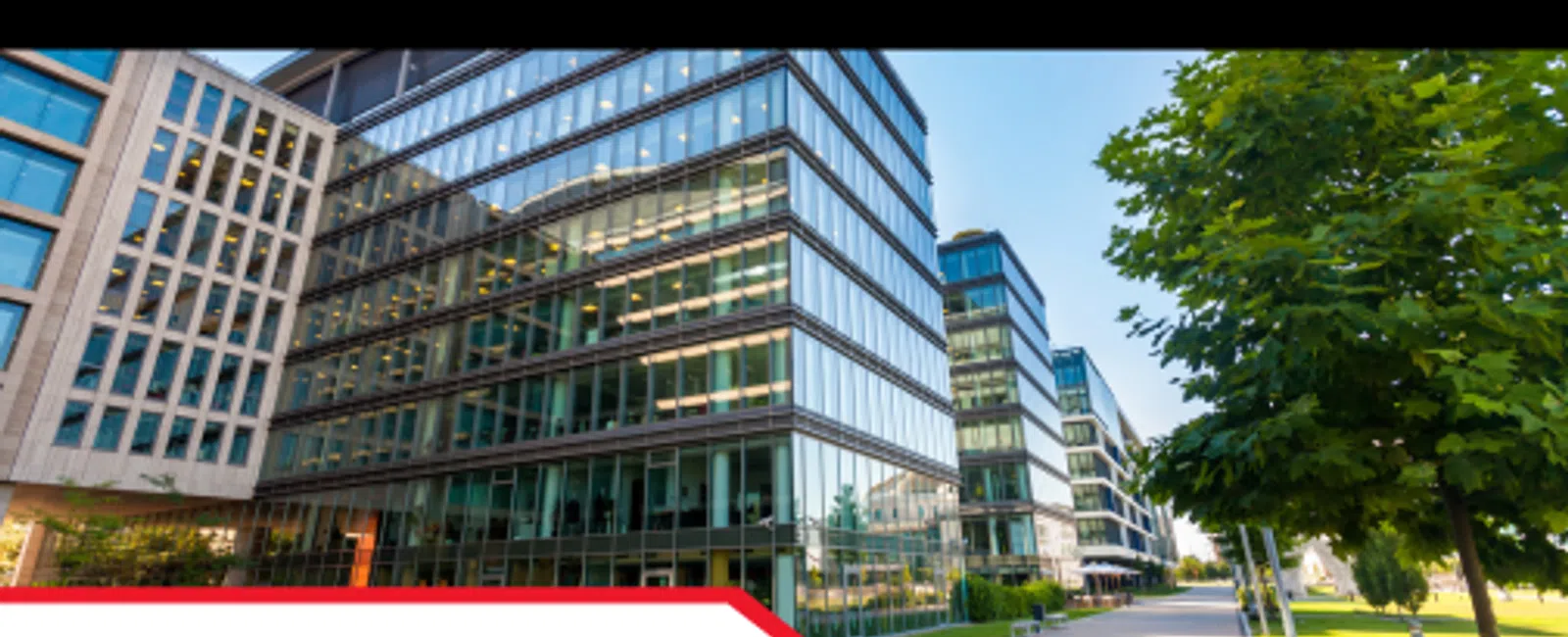
Office buildings are complex commercial assets that must support employees, tenants, customers, technology, and daily business operations. Whether a property is a small professional office, a multi-story corporate facility, a medical office, or a multi-tenant business center, its physical condition can directly affect operating costs, tenant satisfaction, financing, insurance, and long-term marketability. A professional office building commercial inspection helps property stakeholders understand the visible condition of major systems before purchasing, refinancing, leasing, renovating, or creating a capital improvement plan.
Commercial office properties throughout Georgia, Florida, and North Carolina face a demanding Southeastern climate. High humidity, heavy rainfall, intense sunlight, seasonal storms, wind-driven rain, and extended cooling seasons can accelerate deterioration of roofing membranes, exterior sealants, HVAC equipment, drainage systems, and interior finishes. Coastal properties may also experience salt-related corrosion, while inland buildings can be affected by temperature fluctuations, clay soils, and severe thunderstorms. Comprehensive commercial office property inspections help identify these regionally influenced concerns before they lead to business interruptions or expensive repairs.
The condition of an office building cannot be judged by its lobby, paint, flooring, or recent tenant improvements alone. Renovated interior spaces may conceal aging mechanical equipment, deferred roof maintenance, outdated electrical infrastructure, plumbing leaks, or moisture intrusion within the building envelope. Investors and owners need an objective evaluation that looks beyond cosmetic improvements and considers how the building's systems work together.
LunsPro Inspection Group provides professional Office Building Inspections, Commercial Property Inspections, and other Southeast Commercial Inspections for owners, investors, lenders, developers, facility managers, and commercial real estate professionals. Detailed reporting helps stakeholders understand visible deficiencies, prioritize additional evaluations, and make informed decisions about commercial office properties across Georgia, Florida, and North Carolina.
What Is an Office Building Commercial Inspection?
An office building commercial inspection is a visual assessment of accessible building components and systems. The scope depends on the property's size, age, construction type, occupancy, client objectives, lender requirements, and transaction conditions.
A commercial office inspection may include observations of:
- Site grading and drainage
- Parking lots and pedestrian surfaces
- Foundations and visible structural components
- Exterior walls and cladding
- Windows, doors, and sealants
- Roofing systems and rooftop equipment
- Heating, ventilation, and air-conditioning systems
- Electrical service and distribution
- Plumbing systems and fixtures
- Interior common areas
- Tenant spaces
- Restrooms and break rooms
- Mechanical and utility rooms
- Accessibility-related conditions
- Fire and life-safety components within the inspection scope
- Evidence of moisture intrusion
- Deferred maintenance
The inspection is designed to help the client understand the property's current visible condition. It is not a guarantee of future performance, an environmental site assessment, or a formal code-compliance inspection. Specialized systems or suspected concerns may require additional evaluation by engineers, contractors, environmental consultants, or other qualified professionals.
Why Office Building Inspections Matter During Due Diligence
Financial performance is only one part of an office property acquisition. Rent rolls, lease terms, occupancy, location, and projected income must be considered alongside the building's physical condition. An aging roof, multiple end-of-life HVAC units, deteriorated parking surfaces, or widespread sealant failure can materially affect the economics of an otherwise attractive investment.
Professional Commercial Due Diligence Inspections help buyers evaluate visible conditions before the due diligence period expires. Findings can support discussions about repair responsibilities, purchase terms, capital reserves, and the need for specialist evaluations.
Depending on the transaction, Commercial Due Diligence may involve:
- Reviewing available maintenance records
- Evaluating major building systems
- Identifying deferred maintenance
- Estimating near-term repair priorities
- Reviewing previous renovations
- Documenting visible moisture concerns
- Comparing physical conditions with the investment plan
- Coordinating additional specialty inspections
When financing is involved, LunsPro's Investor & Lender Packages can help organize relevant inspection findings for buyers, lenders, asset managers, and other transaction stakeholders.
Property Condition Assessments for Office Properties
Some acquisitions require more than a general commercial inspection. A Property Condition Assessment (PCA) provides a structured evaluation of major building systems and may identify immediate repairs, deferred maintenance, and anticipated capital needs.
ASTM E2018 Property Condition Assessments follow an industry-recognized framework for assessing improvements at commercial real estate properties. A typical assessment may involve a site visit, document review, interviews, and preparation of a property condition report based on the agreed scope.
Standards established by ASTM International outline the nationally recognized ASTM E2018 Property Condition Assessment (PCA) process, providing investors and lenders with valuable information about building systems, deferred maintenance, and projected capital expenditures before purchasing or refinancing office properties. ASTM explains that the framework is intended to identify and communicate material physical deficiencies through baseline observations and research, making it particularly relevant to office property acquisitions and financing.
When notable deficiencies are found, Cost-to-Cure Assessments can provide planning-level estimates for correcting identified conditions. These assessments can help stakeholders determine whether anticipated repairs fit within acquisition budgets, reserve schedules, or renovation plans.
Roofing Systems and Rooftop Equipment
Commercial office roofs can represent one of the property's largest repair and replacement expenses. Many office buildings use low-slope roofing systems with membranes, internal drains, scuppers, parapets, flashing, and numerous mechanical penetrations.
Professional Roof Inspections may evaluate visible conditions such as:
- Ponding water
- Open seams
- Damaged roofing membranes
- Deteriorated flashing
- Failed sealants
- Blocked drains or scuppers
- Improper previous repairs
- Damaged penetrations
- Corroded rooftop equipment
- Interior evidence of leakage
Large or difficult-to-access roof areas may benefit from Drone Roof Inspections. Aerial imagery can help document broad roof surfaces, drainage patterns, equipment locations, storm-related damage, and areas that cannot be safely observed from conventional access points.
Roof observations should also be evaluated alongside the exterior wall system. Water found inside an office building may originate from roof edges, parapets, wall transitions, windows, exterior joints, or penetrations rather than the main roof surface.
Building Envelope Inspections
The building envelope separates conditioned interior space from outdoor weather conditions. It includes the roof, exterior walls, windows, doors, sealants, flashing, cladding, and transitions between different materials.
During Inspections, inspectors may identify:
- Cracked or damaged exterior finishes
- Failed sealants
- Deteriorated window perimeters
- Gaps around wall penetrations
- Corrosion
- Improper drainage details
- Water staining
- Efflorescence
- Previous repairs
- Visible moisture damage
Building envelope deficiencies can contribute to water intrusion, energy loss, uncomfortable interior conditions, and deterioration of concealed materials. These issues are especially important in Florida and coastal Georgia, where wind-driven rain and persistent humidity may exploit small exterior openings.
In Charlotte and Raleigh, rapid temperature changes and seasonal storms can also stress sealants, wall joints, roofing transitions, and exterior finishes. Detecting visible deterioration early gives owners more time to plan repairs before water reaches interior materials.
HVAC Performance and Tenant Comfort
Office properties depend heavily on reliable HVAC systems. Employees and tenants expect consistent temperatures, appropriate ventilation, and humidity control throughout the workday. Mechanical problems can lead to occupant complaints, elevated utility costs, condensation, equipment failures, and lease disputes.
An office inspection may include observations of:
- Rooftop package units
- Air handlers
- Condensing units
- Boilers or chillers when within scope
- Accessible ductwork
- Condensate drainage
- Equipment age
- Visible corrosion
- Damaged insulation
- General operating condition
- Mechanical-room maintenance
- Accessible controls
In Florida, air-conditioning equipment often operates for extended periods, increasing wear and making condensate management especially important. In Georgia and North Carolina, systems must frequently transition between heating and cooling as seasonal conditions change.
Infrared Thermal Imaging Inspections may supplement visual observations by identifying temperature differences associated with insulation deficiencies, HVAC distribution concerns, electrical heating, or possible moisture. Thermal imaging does not independently diagnose a defect, but it can help determine where further investigation may be appropriate.
Electrical Infrastructure and Office Technology
Modern office tenants require dependable electrical capacity for computers, servers, lighting, communications equipment, security systems, and specialized business operations. Older office buildings may have undergone repeated interior renovations, resulting in modified circuits, additional panels, abandoned wiring, or equipment that no longer matches the current occupancy.
Commercial inspectors may evaluate accessible portions of:
- Main electrical service
- Distribution panels
- Tenant panels
- Visible wiring
- Electrical rooms
- Exterior lighting
- Emergency lighting
- Disconnects
- Equipment clearances
- Visible corrosion or damage
Conditions suggesting overheating, improper modifications, damaged components, or inadequate capacity should be reviewed by a qualified electrical professional. Thermal imaging may also be useful for identifying unusual temperature patterns at accessible electrical equipment when the scope and operating conditions permit.
Plumbing, Restrooms, and Underground Drainage
Office building plumbing systems serve restrooms, break rooms, water heaters, utility spaces, irrigation systems, and sometimes specialized tenant operations. Even a relatively small plumbing leak can damage flooring, drywall, ceilings, cabinetry, insulation, and adjacent electrical components.
Commercial office inspections may include accessible observations of:
- Water supply piping
- Drainage piping
- Plumbing fixtures
- Water heaters
- Restrooms
- Break-room plumbing
- Utility rooms
- Visible leakage
- Corrosion
- Drainage performance
For older properties, buildings with recurring backups, or sites where underground piping condition is uncertain, Sewer Scope Inspections may provide useful additional information. A sewer camera evaluation can help identify visible blockages, root intrusion, deterioration, separated joints, or damaged underground drainage piping when access conditions allow.
Moisture Intrusion and Indoor Environmental Conditions
Moisture intrusion can affect office buildings through roof leaks, exterior wall failures, plumbing problems, foundation seepage, HVAC condensation, or poor site drainage. Unresolved moisture can damage finishes, reduce indoor comfort, and create conditions that warrant environmental evaluation.
Moisture Intrusion Assessments may investigate visible indicators such as:
- Water stains
- Damp materials
- Musty odors
- Deteriorated drywall or ceiling tiles
- Corrosion
- Damaged flooring
- Failed exterior sealants
- Efflorescence
- Condensation
- Evidence of previous repairs
When moisture has affected interior materials, Mold Inspections and Mold Testing may be appropriate based on observed conditions and client concerns. Indoor Air Quality (IAQ) Testing may also be useful when occupants report odors, irritation, excessive dust, or persistent comfort problems.
Radon Testing may be considered for certain office properties, particularly where employees regularly occupy ground-level or below-grade spaces. The appropriateness of testing depends on the building configuration, occupancy, location, and the client's risk-management objectives.
Parking Lots, Walkways, and Site Drainage
The building itself is only one part of an office property. Parking areas, sidewalks, curbs, retaining walls, exterior lighting, landscaping, and drainage infrastructure can represent substantial maintenance obligations.
Inspectors may document:
- Pavement cracking
- Potholes
- Settlement
- Damaged curbs
- Uneven walkways
- Trip hazards
- Ponding water
- Erosion
- Poor grading
- Damaged drainage structures
- Retaining wall concerns
- Exterior lighting deficiencies
Site conditions affect accessibility, tenant experience, stormwater management, and long-term maintenance costs. Parking lot deterioration can become especially expensive when widespread resurfacing, drainage correction, or structural repair is necessary.
Multi-Tenant Office Buildings
Multi-tenant office properties introduce additional inspection considerations because several businesses may rely on shared systems. Multi-Tenant Commercial Property Inspections may evaluate common roofs, HVAC equipment, electrical rooms, plumbing infrastructure, corridors, restrooms, entrances, parking facilities, and exterior components.
Inspection findings should be compared with lease documents to determine which maintenance responsibilities belong to ownership and which belong to individual tenants. Important questions may include:
- Who maintains tenant HVAC equipment?
- Which party is responsible for interior plumbing?
- Are roof repairs an ownership responsibility?
- How are common-area expenses allocated?
- Have previous tenant improvements affected shared systems?
- Are vacant suites being maintained appropriately?
Understanding these responsibilities helps investors evaluate operating expenses and avoid assuming that every repair is covered by tenant obligations.
Maintenance Assessments and Capital Planning
Office buildings require continuous maintenance after the transaction is complete. Periodic Commercial Maintenance Assessments help owners monitor aging systems, update repair priorities, and plan future capital expenditures.
Best practices published by the Building Owners and Managers Association (BOMA) demonstrate how preventative maintenance, capital planning, and routine commercial property inspections help office buildings remain safe, efficient, and attractive to tenants while reducing long-term ownership costs. BOMA's building-management resources address preventive maintenance programs, maintenance costs, capital planning, and operational practices that are directly relevant to office property managers.
A proactive maintenance program may include:
- Scheduled HVAC servicing
- Recurring roof evaluations
- Exterior sealant replacement
- Plumbing inspections
- Electrical maintenance
- Drain and gutter cleaning
- Parking lot repairs
- Moisture monitoring
- Window and door maintenance
- Life-safety system servicing
Guidance from the National Institute of Building Sciences (NIBS) also emphasizes building performance, resilience, and lifecycle management. These concepts complement Building Condition Assessments by encouraging owners to evaluate how current maintenance decisions affect long-term reliability, occupant needs, and asset performance.
Facility management guidance from the U.S. General Services Administration - Real Estate highlights best practices for operating and maintaining large commercial buildings, reinforcing the value of comprehensive commercial inspections throughout a property's lifecycle. GSA maintains and manages a broad portfolio of workplaces and publishes facility standards and management resources focused on safe, modern, and efficient buildings.
Building Standards and Safety Considerations
Office properties must support safe occupancy, reliable systems, and appropriate emergency access. Commercial inspectors may observe accessible exit routes, emergency lighting, fire doors, electrical-room access, guardrails, stairs, and other visible safety-related components within the agreed scope.
Resources from the International Code Council (ICC) explain model standards affecting building, fire, mechanical, electrical, plumbing, and energy performance. These standards are relevant to commercial office properties because renovations, occupancy changes, system replacements, and tenant improvements may affect how a building is safely used.
A commercial inspection is not a municipal code inspection, and inspectors do not approve a property for occupancy. However, visible conditions may indicate that review by the local authority, a design professional, or a qualified contractor is warranted.
Atlanta Commercial Inspections
Atlanta's office market includes downtown towers, suburban office parks, medical facilities, converted buildings, mixed-use developments, and smaller professional properties. Atlanta Commercial Inspections should consider the age of the property, prior renovations, roof configuration, HVAC responsibilities, tenant improvements, parking infrastructure, and drainage.
Older Atlanta office buildings may contain aging equipment or systems modified over multiple decades. Newer properties may still have drainage, building envelope, installation, or maintenance concerns. A thorough inspection gives stakeholders a more complete understanding regardless of building age.
Athens Commercial Inspections
Athens' environment makes moisture management, corrosion, roof condition, and exterior maintenance important priorities. Athens Commercial Inspections may place particular emphasis on wind-driven rain exposure, sealant deterioration, low-slope roofing, drainage, exterior metal components, and humidity-related conditions.
Historical or renovated office properties can also require careful evaluation because older construction may have been altered to accommodate modern mechanical, electrical, and communications systems.
Florida Commercial Office Inspections
Florida office buildings face intense ultraviolet exposure, prolonged cooling demands, heavy rain, tropical weather, and coastal corrosion in many markets. Inspectors should carefully evaluate roofing membranes, rooftop equipment, exterior openings, drainage, HVAC condensate systems, sealants, and visible moisture indicators.
Owners and investors should not assume that a recently renovated office suite indicates the entire property has been comprehensively updated. Mechanical equipment, underground piping, roofing, electrical distribution, and exterior components may remain significantly older than interior finishes.
Charlotte Commercial Inspections
Charlotte's commercial market includes corporate offices, financial-service properties, medical buildings, mixed-use developments, suburban office parks, and multi-tenant assets. Charlotte Commercial Inspections may involve large mechanical systems, extensive parking areas, shared roofs, tenant electrical panels, and numerous interior buildouts.
Rapid growth also means investors may encounter recently developed properties beside older buildings that have undergone several renovations. Both require detailed evaluation because new construction and existing buildings can have different types of deficiencies.
Raleigh Commercial Inspections
Raleigh and the Triangle region support technology, research, healthcare, education, government, and professional-service tenants. Raleigh Commercial Inspections should be tailored to the building's current occupancy and intended future use.
An office property being converted for medical, laboratory, or technology use may require additional electrical capacity, ventilation, plumbing, structural support, or specialized equipment. Understanding the base building's existing condition helps owners determine whether planned improvements are realistic.
Selecting the Right Inspection Scope
Every office property is different. Before scheduling an inspection, stakeholders should clearly define:
- The purpose of the inspection
- Building size and number of structures
- Occupancy and tenant access
- Property age
- Known renovations
- Lender requirements
- Areas included in the inspection
- Available maintenance records
- Specialized concerns
- Reporting deadlines
A smaller owner-occupied office may need a different scope than a multi-story, multi-tenant complex. A formal PCA may also differ from a general commercial inspection in research, reporting, cost estimation, and client requirements.
LunsPro's Commercial Inspection Resources and Blog Articles can provide additional educational information about choosing an inspection scope, evaluating commercial systems, planning maintenance, and conducting property due diligence.
Protecting Office Property Investments
A professional office building commercial inspection helps owners, investors, developers, facility managers, lenders, and business professionals understand how the visible condition of a property may affect its operation and financial performance. Roofing, HVAC systems, electrical infrastructure, plumbing, building envelopes, parking areas, drainage, and indoor environmental conditions all contribute to the property's long-term reliability. Identifying deficiencies before acquisition, refinancing, leasing, or renovation allows stakeholders to investigate concerns, gather estimates, and plan repairs more effectively.
The benefits of commercial office property inspections continue after closing. Property Condition Assessments, ASTM E2018 Property Condition Assessments, Building Condition Assessments, Cost-to-Cure Assessments, and Commercial Maintenance Assessments support capital planning throughout the building's lifecycle. When specific concerns exist, specialized services such as Drone Roof Inspections, Infrared Thermal Imaging Inspections, Mold Inspections and Mold Testing, Indoor Air Quality Testing, and Sewer Scope Inspections can provide additional insight.
LunsPro Inspection Group offers professional Office Building Inspections, Commercial Property Inspections, Commercial Due Diligence Inspections, and Commercial Real Estate Inspections throughout Georgia, Florida, and North Carolina. Through consistent reporting and relevant specialty services, LunsPro's Southeast Commercial Inspections help clients evaluate office properties in Atlanta, Athens, Charlotte, Raleigh, and other growing Southeastern commercial markets with greater clarity and confidence.