
A home's plumbing system includes components that are easy to see, such as faucets, sinks, toilets, and exposed piping. But an important part of the system may be buried underground and largely hidden from view: the sewer lateral that carries wastewater away from the home. Because this piping is concealed, its interior condition generally cannot be evaluated through a standard visual home inspection alone.
A sewer scope inspection provides homebuyers with another way to understand this hidden portion of a property. Using a specialized camera inserted through an accessible entry point, the inspection allows accessible portions of the sewer line to be viewed from the inside. Depending on conditions, the camera may reveal blockages, root intrusion, damaged piping, offsets, low areas, debris, deterioration, or evidence of previous repairs.
Not every sewer line has significant defects, and a sewer scope should not be approached with the assumption that a problem will be found. Instead, a sewer inspection before buying a home can provide additional information about a component that might otherwise remain largely unknown until after closing.
What Is a Sewer Scope Inspection?
A sewer scope is a camera-based inspection of accessible portions of a property's sewer piping.
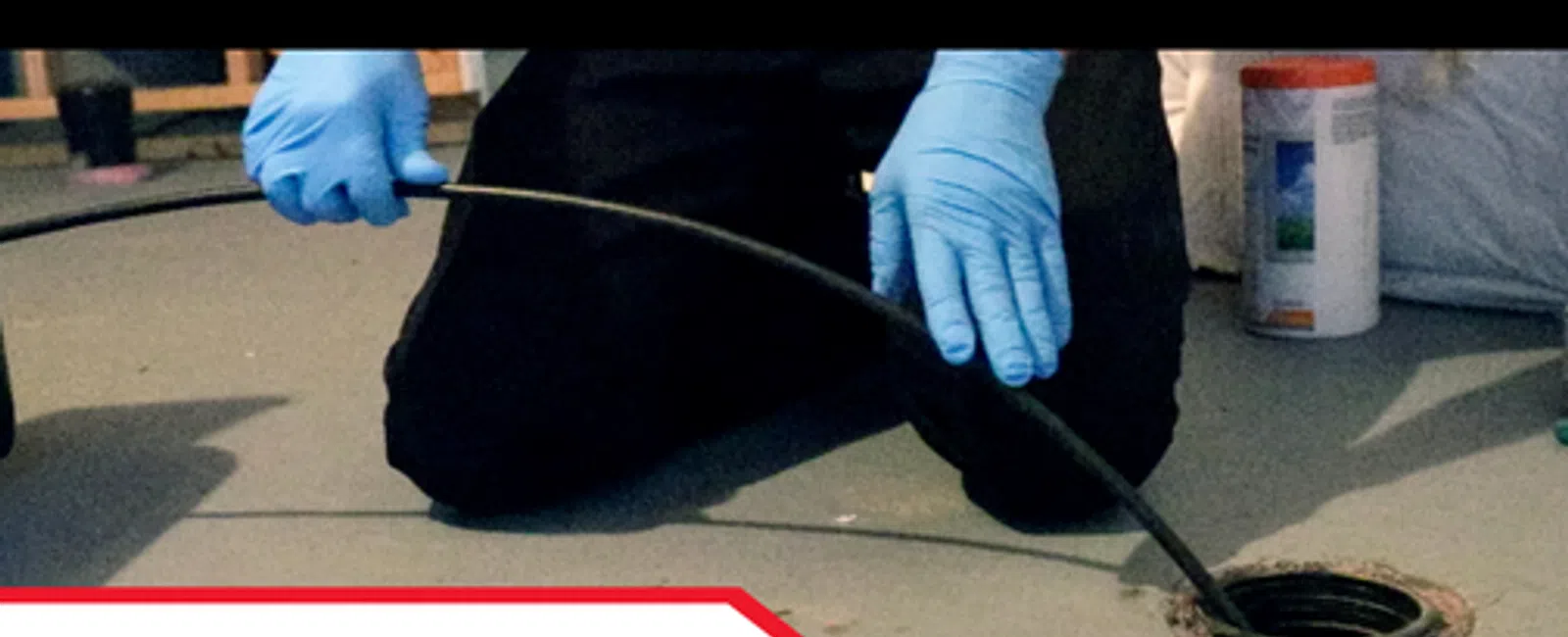
During a sewer camera inspection, a flexible cable equipped with a camera is introduced through an appropriate access point. The camera is advanced through accessible portions of the sewer lateral while the inspector reviews the interior of the pipe.
This process can provide information about conditions that are not visible from inside the house.
A residential sewer scope is not the same as excavating the pipe or conducting destructive investigation. Visibility depends on factors such as access, pipe configuration, standing water, blockages, debris, and the physical condition of the line.
The inspection also does not evaluate an entire municipal sewer network. It focuses on accessible piping associated with the individual property within the defined inspection scope.
Why Doesn't a Standard Home Inspection Cover the Sewer Line?
A conventional home inspection evaluates many visible and accessible plumbing components.
An inspector may operate fixtures and observe:
- Faucets
- Sinks
- Toilets
- Tubs and showers
- Visible supply piping
- Accessible drain piping
- Water heaters
- Drainage performance at fixtures
These observations provide useful information about the plumbing system, but they do not allow the inspector to see inside buried sewer piping.
A toilet may flush normally and a sink may appear to drain appropriately while a condition exists farther along the sewer lateral.
That does not mean normal drainage is meaningless. It simply means fixture operation and the internal condition of underground piping are different questions.
A home sewer line inspection adds information by allowing the camera to view portions of the line that would otherwise remain concealed.
What Can a Sewer Scope Reveal?
The exact findings vary from property to property. Many lines may show relatively routine conditions, while others may contain areas that deserve further evaluation.
Potential observations include:
Blockages and Debris
Accumulated debris or other material may restrict the interior of a sewer line.
A camera inspection can sometimes identify the approximate location and visible nature of an obstruction. Depending on the condition, further evaluation or drain cleaning may be recommended.
Root Intrusion
Roots may enter sewer piping through existing openings, deteriorated areas, or compromised joints.
A sewer pipe camera inspection can sometimes show root growth inside the line and help identify the area involved.
Mature trees near a property do not automatically mean the sewer line is damaged. Root intrusion depends on the condition and configuration of the piping as well as surrounding site conditions.
Cracked or Broken Piping
A camera may reveal visible cracking, broken sections, or other physical deterioration.
The significance of a crack depends on its location, extent, pipe material, and surrounding conditions. A qualified plumber may be needed to determine appropriate next steps.
Offsets and Connection Concerns
Sections of sewer piping connect at joints. In some cases, the camera may reveal visible offsets or other concerns at connections.
Some conditions may have little apparent effect on current drainage, while others may contribute to debris accumulation or require additional evaluation.
Bellies or Low Areas
A sewer line may contain a low area where water or debris collects.
Standing water observed during a sewer lateral inspection can indicate a condition that deserves further investigation, but the camera alone may not establish the exact cause or extent of the issue.
Scaling and Deterioration
Some piping may exhibit internal scaling, surface deterioration, corrosion-related conditions, or other changes that affect the interior surface.
The importance of these observations should be evaluated in the context of the pipe material, drainage condition, and overall findings rather than age alone.
Evidence of Previous Repairs
Sewer laterals may contain multiple materials or visible transitions indicating previous repair or replacement.
A previous repair is not automatically a defect.
However, connections between materials, repaired sections, or unusual configurations may deserve closer observation, particularly if other concerns are visible nearby.
Older Homes Can Have Different Sewer Materials
Older properties may contain sewer piping installed decades ago, while other homes have undergone partial or complete sewer-line replacement.
A single property may even contain several generations of piping because sections were repaired at different times.
Pipe age and material provide useful context, but neither should be used by itself to declare that a sewer line requires replacement.
A better evaluation considers the visible interior condition of the line.
Questions include:
- Is the pipe visibly damaged?
- Are joints significantly offset?
- Is root intrusion present?
- Does water appear to collect in low areas?
- Is substantial deterioration visible?
- Are previous repairs apparent?
- Does a condition warrant plumber evaluation?
This condition-based approach avoids assuming that an older sewer pipe has failed simply because of its age.
Trees Do Not Automatically Mean Sewer Damage
Large trees often concern homebuyers because of the possibility of root intrusion.
Roots can enter piping where openings or compromised connections already provide access. Once inside, roots may grow within the pipe and potentially affect drainage.
But the presence of mature trees does not establish that root intrusion exists.
A sewer scope provides more direct information by examining the accessible interior of the piping rather than drawing conclusions solely from the landscaping above it.
If significant roots are observed, a plumber may recommend further evaluation, cleaning, locating the affected section, or another property-specific response.
Sewer Problems and the Larger Wastewater System
Individual sewer laterals ultimately connect with broader wastewater infrastructure in properties served by public sewer systems.
The EPA's information about sanitary sewer overflows provides broader context about how blockages, failures, and other problems within wastewater systems can contribute to unintended wastewater releases.
The EPA's broader National Pollutant Discharge Elimination System addresses wastewater and pollutant discharges at a regulatory level, while the agency's water research programs examine broader water and wastewater infrastructure topics.
These resources help provide context for the importance of wastewater management, but their scope is much broader than a residential sewer inspection.
A residential sewer scope does not assess municipal sewer infrastructure, wastewater-treatment operations, regulatory compliance, or the condition of an entire public sewer network. It evaluates accessible portions of piping associated with the individual property as defined by the inspection scope.
Sewer Scope vs. Septic Inspection
Not every home sends wastewater to a public sewer system.
Some properties rely on onsite septic systems. These systems collect and treat household wastewater on the property rather than conveying it to a municipal sewer network.
The EPA's septic system guidance explains the basic role of onsite wastewater treatment systems and the importance of proper maintenance.
A sewer scope and septic inspection are not interchangeable services.
A sewer line inspection typically evaluates accessible sewer piping with a camera. A septic-system evaluation involves different components and may address the septic tank, distribution components, drainfield, or other portions of the onsite system depending on the service provided.
Homebuyers should first understand which type of wastewater system serves the property and select the appropriate inspection services.
Is a Sewer Scope a Plumbing Code Inspection?
No.
Modern plumbing systems are influenced by building and plumbing standards. The International Code Council's I-Codes provide model codes used as a basis for regulations adopted by many jurisdictions.
However, a sewer scope inspection should not be represented as a formal plumbing code-compliance inspection.
The purpose of the camera inspection is to document visible conditions inside accessible portions of the sewer line. It does not certify that the piping meets every current code provision or determine whether older installations must comply with standards adopted after they were installed.
When code-related questions arise, the appropriate local authority or qualified plumbing professional may need to provide additional guidance.
What Happens If the Sewer Scope Finds a Concern?
A finding does not automatically mean the entire sewer line must be replaced.
The appropriate response depends on what is observed.
Possible next steps may include:
- Further evaluation by a qualified plumber
- Drain cleaning
- Additional camera evaluation
- Locating the affected portion of the line
- Obtaining repair estimates
- Evaluating a specific damaged section
- Considering repair or replacement when supported by the findings
For example, an obstruction may require a different response from a broken pipe. Root intrusion may lead to recommendations different from those associated with a significant offset or deteriorated section.
Property-specific evaluation is more useful than universal repair recommendations.
Can a Sewer Camera See Everything?
No. Sewer scopes have limitations.
Visibility can be affected by:
- Standing water
- Heavy debris
- Blockages
- Pipe configuration
- Access limitations
- Sharp turns
- Pipe diameter
- Camera travel limitations
The camera primarily shows what is visible from inside accessible piping. It does not directly show surrounding soil conditions or every condition outside the pipe.
Some concerns may require additional diagnostic work by a plumber or other qualified professional.
Homebuyers should view the sewer scope as another source of due-diligence information rather than a guarantee against future sewer problems.
Why Consider a Sewer Scope Before Buying?
One of the strongest reasons for scheduling a sewer scope for homebuyers is that the sewer lateral is both important and largely concealed.
Without a camera inspection, buyers may know that fixtures drained during the general home inspection but have relatively little information about the interior of the buried line.
A sewer scope can help answer questions such as:
- Is visible root intrusion present?
- Are there apparent cracks or damaged sections?
- Is significant debris visible?
- Are low areas holding water?
- Are unusual offsets present?
- Is there evidence of previous repair?
- Does a plumber need to evaluate a particular condition?
The value is information, not a prediction that a sewer failure will occur.
Sewer Scope Inspections Across the Southeast
Homes throughout the Southeast vary widely in age, plumbing materials, development patterns, landscaping, and wastewater systems.
LunsPro Inspection Group serves residential inspection markets throughout Georgia, North Carolina, South Carolina, Tennessee, and Florida, including communities around Atlanta, Athens, Savannah, Charlotte, Raleigh, Greensboro, Greenville, Charleston, Nashville, Chattanooga, and Jacksonville.
An older home in Atlanta, Charlotte, or Savannah may present different sewer-line considerations from newer construction outside Raleigh, Nashville, or Jacksonville. Properties in established neighborhoods may contain piping installed or repaired at different times, while newer developments may have more recent sewer infrastructure.
Location or property age alone should not be used to predict sewer condition. The purpose of a sewer scope inspection is to gather direct visual information about the accessible interior of the line.
A standard home inspection provides valuable information about visible plumbing fixtures and accessible piping, but underground sewer laterals present an important limitation: most of the line cannot be directly observed from inside the home. Normal drainage at a sink or toilet also does not prove that every accessible portion of the buried sewer pipe is free from defects.
A sewer camera inspection helps address that information gap. Depending on visibility and access, it may reveal blockages, roots, cracks, broken piping, offsets, deterioration, low areas, debris, scaling, connection concerns, or previous repairs. These observations can help buyers determine whether additional plumber evaluation or repair estimates would be useful before making decisions about the property.
Sewer scopes also have defined limits. They do not evaluate municipal wastewater infrastructure, replace septic-system inspections, certify plumbing-code compliance, or guarantee that the sewer line will remain problem-free. Some findings require additional diagnostic work before their significance can be fully understood.
For homebuyers across Georgia, North Carolina, South Carolina, Tennessee, and Florida, adding a sewer scope inspection to the due-diligence process can provide useful information about one of the home's most concealed systems. The goal is not to assume that a problem exists. It is to see what can reasonably be seen, understand any conditions that are identified, and make the next decision with better information.