Buyers Trust Us
Realtors Refer Us
Carolina Beach's Best Inspection Team


Why Choose LunsPro?
See how our standard inspection services stack up to the competition
LunsPro Inspection Group
Our Competitors
Services Offered
LunsPro Inspection Group
Our Competitors

Drone Inspections
Drones used on all inspections
Most home inspectors are not FAA licensed

Infrared Technology
Infrared used on all inspections
Typically additional costs associated

Additional Services In-house
Termite, Radon, Mold, Sewer & More
Most inspectors outsource additional services

Availability
Same day, next day and weekend availability
Most inspectors have limited availability
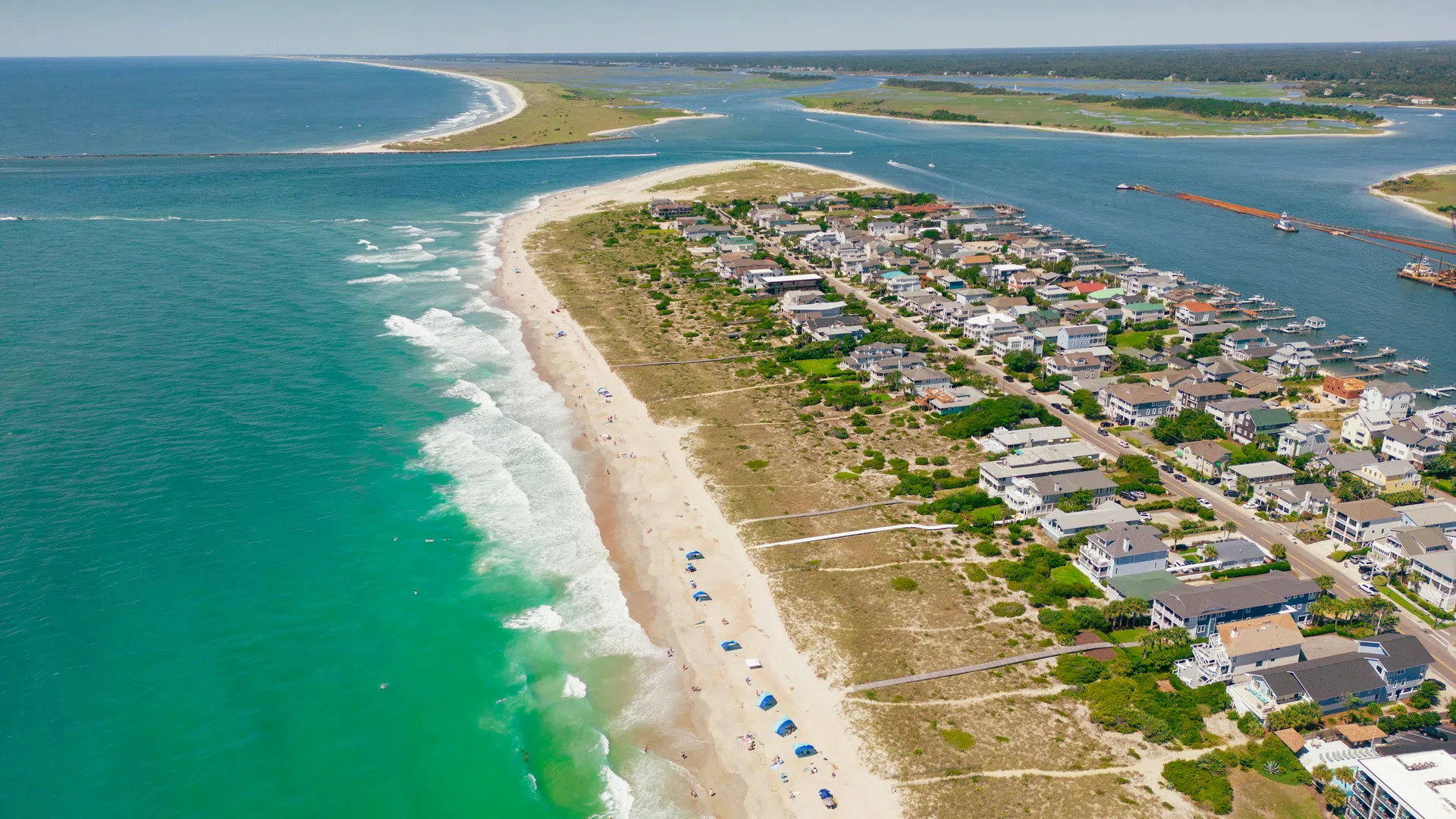
Serving all of Carolina Beach & Beyond Since 1984
LunsPro's certified inspectors are available 7 days a week to serve Carolina Beach, North Carolina and surrounding areas in New Hanover County. We proudly perform property inspections in nearby communities such as Kure Beach, Wilmington, Wrightsville Beach, and Castle Hayne.
Our Carolina Beach-area professional home inspections include a comprehensive structural and mechanical evaluation of resale homes, covering the foundation, interior, exterior, roof, attic, plumbing, electrical, HVAC, water heater, and more. We conduct highly accurate 48-hour radon testing in Carolina Beach. Additionally, termite, pest, and rodent evaluations are performed by a separate licensed pest inspector. We also offer mold testing, stucco inspection, and sewer line evaluations in the Carolina Beach area. Our services extend beyond residential properties; we also specialize in new construction and commercial property inspections throughout Carolina Beach and nearby areas.
Carolina Beach Area New Construction,
Commercial, Multi-Unit and More!

New Construction
Building a new home in Carolina Beach? Allow us to perform phase inspections to ensure you are getting the quality of home you are paying for! We typically perform 3 phase inspections - Framing, Pre-Drywall & Final.

Commercial Properties
We have specialized in commercial property inspections in Carolina Beach for over 20 years. We will customize an inspection quote to fit the property's characteristics and your budget!

Seller's Inspections
Selling your Carolina Beach home and want a competitive edge? A pre-sale inspection enables the seller to address problems before the home hits the market, which could help prevent a deal falling through caused by issues uncovered during a buyer's inspection.

Multi-Unit Inspections
Buying a duplex, triplex or larger multi-family property in Carolina Beach? We can help you save money! We offer discounts for multi-unit inspections. Give us a call to learn more!

Pool & Spa
Looking at a Carolina Beach area home with a pool? Our pool & spa certified inspectors are ready to give you peace of mind.

Winterization Services
During the winter months, homes in Carolina Beach become vulnerable to damage caused by colder temperatures. Allow us to safeguard your vacant property by having us perform our highly effective winterization services!
Additional services for added peace of mind.
Sewer Scope
Our certified inspectors use sophisticated sewer-line cameras to inspect up to 120 feet of the home's drainpipe, to examine the sewer lines and other underground pipes for any flaws, imperfections, or serious problems.
Termite / Pest / Wood Destroying Insects & Organisms Inspection
Includes inspection for termites, pests, rodents, squirrels, wood-destroying insects and organisms & more. Performed by a licensed pest inspector. This service is important even if the seller is providing a termite warranty because the inspector is looking for much more than just termites.
Mold & Air Quality Testing
Mold is highly prevalent in many homes, particularly those in humid climates such as Carolina Beach. Exposure to mold can cause a number of health issues for many people. Our mold service utilizes air quality and surface sampling where the results are analyzed by a separate laboratory and additionally, air particle testing is also available!
Radon Testing
Radon is a radioactive gas that is the leading cause of lung cancer among nonsmokers. Although you can't smell it or taste it, radon is naturally occurring and may exist in dangerous levels in your home without you even knowing it. Our service tests for radon for 48 continuous hours using state-of-the-art radon detection equipment.
Certified Inspectors
Our experienced and certified home inspectors are there to provide clarity during the real estate transaction process. Our inspectors go through the most rigorous training program in the state, and all become ASHI & InterNACHI Certified. In addition, all of our inspectors are FAA Certified Drone Pilots.

More Inspection Services
We offer all types of inspections including New Construction phase, Multi-family, Commercial, Pool & Spa, Sewer Scope, Investor, iBuyer, and more.
Live Lead Serve
Our company motto is: Live Lead Serve. We are committed to giving back to our communities and making the world a better place. We consistently partner with Toys 4 Tots in Atlanta, Operation Gratitude, No Longer Bound, KW Red Day, Red Cross, English Bulldog Rescue of Atlanta, Bully Ball, first responders and several other great organizations.
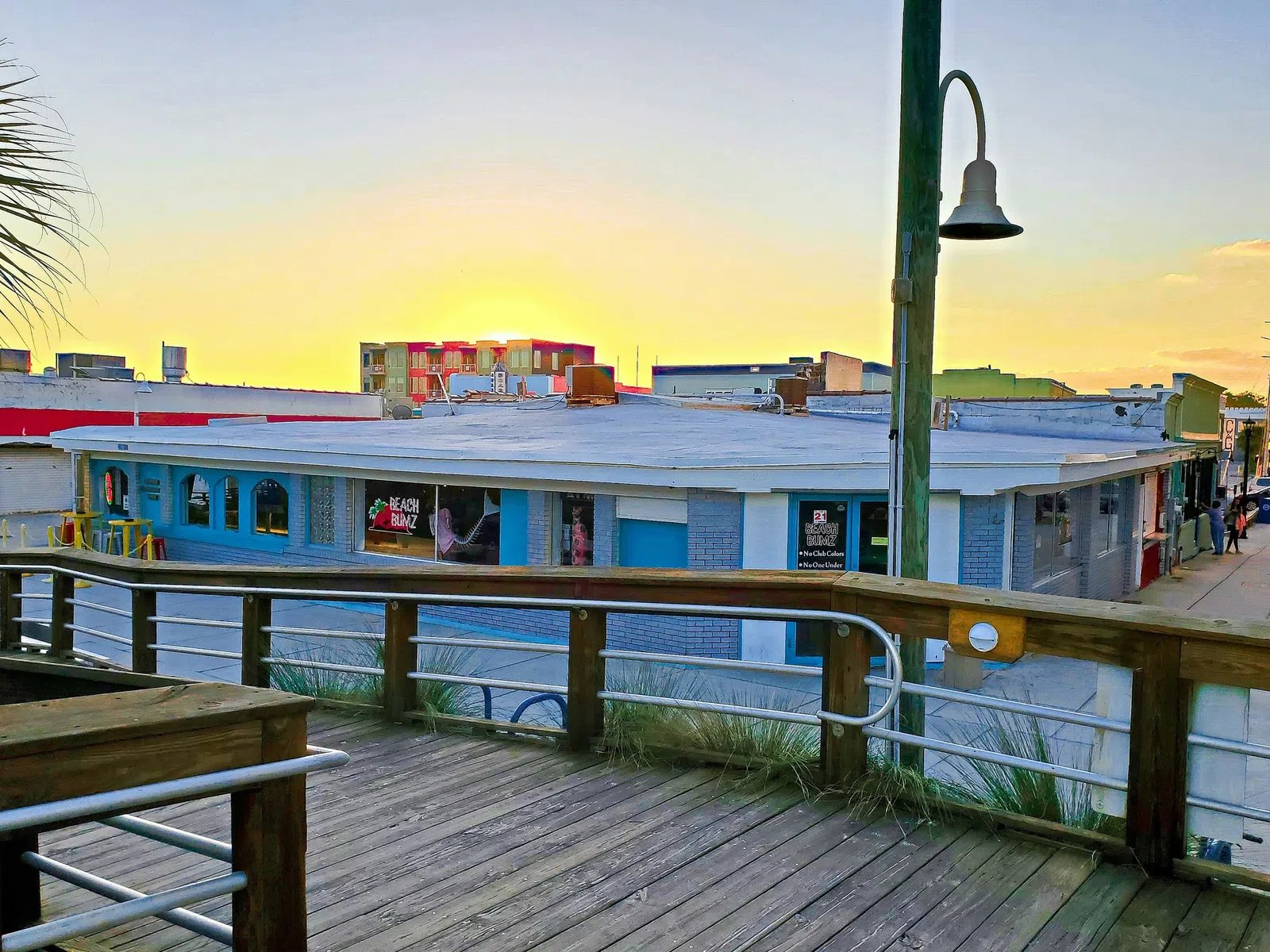
Carolina Beach History
Carolina Beach is a coastal town in New Hanover County located on the northern portion of Pleasure Island, a barrier-island community between the Atlantic Ocean and the Cape Fear River system. Long before the development of modern beach towns, Indigenous peoples inhabited the broader lower Cape Fear region and relied on its rivers, marshes, estuaries, forests, and coastal waters for food, transportation, and trade. European settlement expanded throughout southeastern North Carolina during the colonial period, with Wilmington emerging as the region's major port. For many years, however, the island areas south of Wilmington remained comparatively undeveloped because access was difficult and the landscape consisted largely of dunes, marshes, maritime forests, and tidal waterways. Carolina Beach began taking shape as a recreational destination during the late nineteenth and early twentieth centuries as residents of Wilmington and surrounding communities sought easier access to the Atlantic coast.
Tourism became the economic foundation of Carolina Beach as transportation improved and visitors began traveling to the shoreline for swimming, fishing, entertainment, and seasonal vacations. Early development included cottages, boarding houses, restaurants, amusement facilities, and gathering places designed to serve summer visitors. By the early twentieth century, Carolina Beach was becoming increasingly recognized as a regional vacation destination. The town was incorporated in 1925, establishing a formal municipal government during a period when beach development was expanding along the North Carolina coast. Over the following decades, locally owned businesses, fishing operations, hospitality establishments, and recreational attractions became essential parts of the economy, while permanent residential neighborhoods gradually developed alongside seasonal properties.
Transportation improvements played a particularly important role in Carolina Beach's growth. Earlier travelers relied on boats, ferries, and limited road connections to reach the island, but improved bridges and highways made automobile access increasingly practical. U.S. Highway 421 became the primary roadway connecting Carolina Beach with Wilmington and the rest of New Hanover County. The road continues south through neighboring Kure Beach toward Fort Fisher, linking the communities of Pleasure Island with historic and recreational destinations farther down the peninsula. Improved bridge access over the Intracoastal Waterway also helped transform Carolina Beach from a relatively isolated seasonal destination into a year-round residential community. These transportation links made commuting, commercial deliveries, tourism, and emergency services considerably more reliable.
Carolina Beach developed a distinctive community identity centered on its boardwalk, waterfront recreation, fishing culture, and family-oriented beach atmosphere. The Carolina Beach Boardwalk became a focal point for entertainment, restaurants, shops, festivals, and seasonal activities, helping distinguish the town from other coastal communities in southeastern North Carolina. Fishing has also remained an important part of local life, supported by nearby ocean waters, the Cape Fear River, and the Intracoastal Waterway. The town's marina facilities, fishing charters, public beach access points, and recreational areas continue to attract both residents and visitors. Annual events and community celebrations reinforce Carolina Beach's reputation as a lively yet approachable coastal town.
Natural resources are another defining feature of the community. Carolina Beach State Park protects hundreds of acres along the Cape Fear River and preserves coastal habitats that differ substantially from the oceanfront landscape only a short distance away. The park is especially known for its longleaf pine ecosystems and populations of Venus flytraps, one of the world's most recognizable carnivorous plants and a species native to a relatively small area of southeastern North Carolina and northeastern South Carolina. Trails, camping areas, boating access, and educational programs give residents and visitors opportunities to experience the region's distinctive natural environment. The nearby coastal marshes, tidal creeks, dunes, and maritime vegetation further contribute to Carolina Beach's ecological diversity.
Like many barrier-island communities, Carolina Beach has also been shaped by hurricanes, coastal storms, erosion, flooding, salt exposure, and changing building practices. Significant storms have periodically damaged homes, businesses, piers, roads, and infrastructure, leading to rebuilding and improvements in construction standards over time. Elevated homes, flood-conscious design, wind-resistant materials, drainage planning, and ongoing shoreline management have become increasingly visible parts of the built environment. These conditions have influenced the town's architecture, with traditional beach cottages standing alongside newer elevated residences, condominiums, townhomes, and modern coastal construction.
Today, Carolina Beach combines the character of a traditional North Carolina beach town with the amenities of a growing year-round residential community. Homeowners enjoy convenient access to the Atlantic Ocean, Carolina Beach State Park, the boardwalk, restaurants, boating facilities, fishing opportunities, and nearby Kure Beach and Fort Fisher. Wilmington is also close enough to provide access to larger employment centers, healthcare, shopping, higher education, and cultural attractions. The local housing market includes historic cottages, established single-family neighborhoods, vacation properties, condominiums, townhomes, waterfront residences, and new construction. Carolina Beach's combination of coastal recreation, natural resources, community traditions, and proximity to Wilmington continues to make it one of New Hanover County's most distinctive places to live and own property.
Frequently Asked Questions
Q What areas do you serve for home inspections in Carolina Beach?
LunsPro Inspection Group serves Carolina Beach, North Carolina, and nearby communities including Kure Beach, Wilmington, Wrightsville Beach, and Castle Hayne.
Q What types of inspections do you offer in Carolina Beach?
We offer comprehensive home inspections for resale homes, new constructions, and commercial properties in Carolina Beach. Our inspections cover structural and mechanical components, including foundation, roof, plumbing, electrical, HVAC, and more.
Q Do you provide specialized inspections such as radon testing and termite inspections in Carolina Beach?
Yes, we offer specialized inspections including radon testing, termite, pest, and rodent evaluations by licensed inspectors, mold testing, stucco inspection, and sewer line evaluation in Carolina Beach.
Q What is included in your Carolina Beach area home inspections?
Our Carolina Beach home inspections include a thorough evaluation of the property's structure and mechanical systems, providing detailed reports on the condition of the foundation, interior, exterior, attic, water heater, and more.
Q How accurate are your radon tests in Carolina Beach?
Our radon testing in Carolina Beach consists of an extremely accurate 48-hour test, ensuring reliable results for homeowners and buyers concerned about indoor air quality.
Q Do you conduct home inspections for new construction properties in Carolina Beach?
Yes, we specialize in new construction inspections in Carolina Beach, ensuring that newly built homes meet quality standards and adhere to local building codes.
Q How long does a typical home inspection in Carolina Beach take?
The duration of a home inspection depends on the size and complexity of the property. On average, inspections may take 2 to 3 hours to complete, providing ample time for a thorough assessment.
Q Can I attend the home inspection?
Absolutely! We encourage clients to attend the home inspection. This allows homeowners and buyers to ask questions, gain insights into the property's condition, and receive recommendations from our certified inspectors.
Q What happens after the home inspection?
Following the home inspection, we provide clients with a comprehensive inspection report detailing our findings, including any issues or areas of concern. Our team is available to answer any further questions and provide guidance on the next steps.
Q How do I schedule a home inspection in Carolina Beach with LunsPro?
You can easily schedule a home inspection by contacting our office via call or text at
833-586-7776, email to [email protected] or schedule online here.