
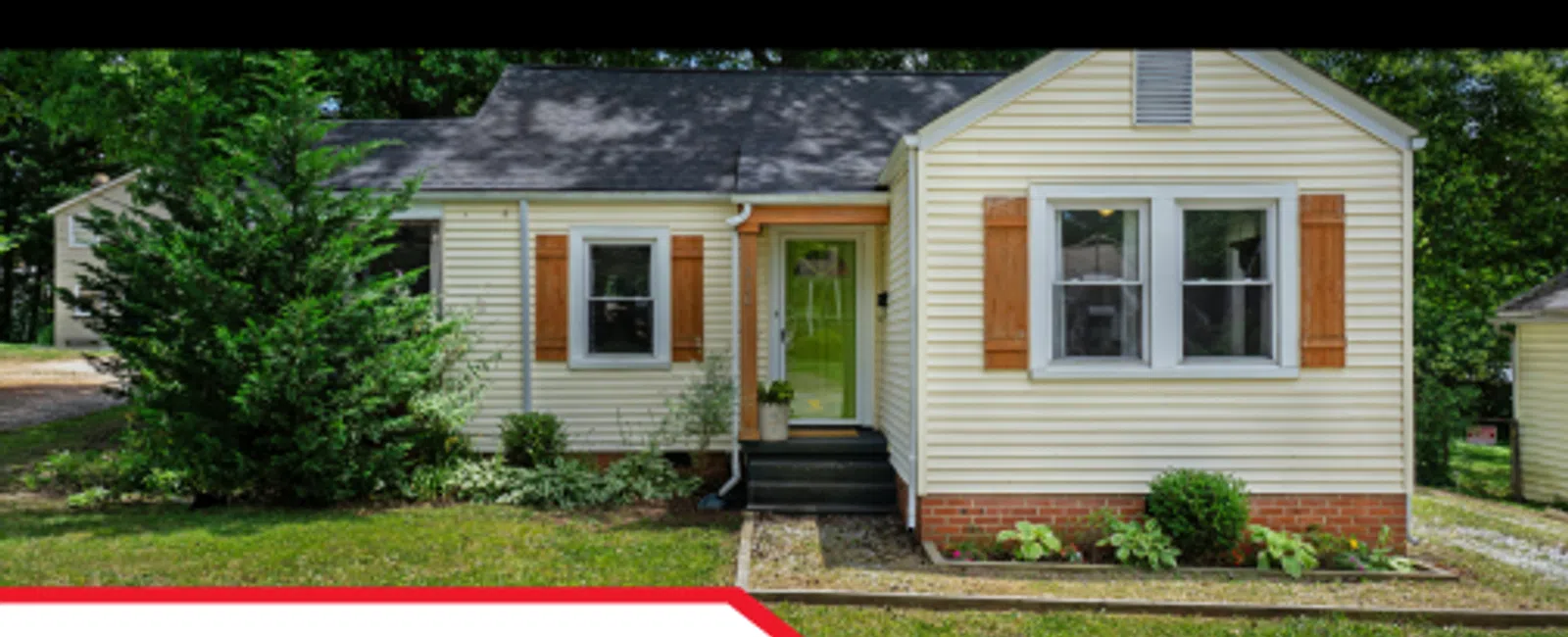
Homes built during the 1950s often have a level of craftsmanship, character, and architectural detail that attracts today's buyers. Established neighborhoods, mature landscaping, solid wood materials, and traditional floor plans can make these properties especially appealing. However, a home that has been standing for more than 70 years has also experienced decades of weather exposure, moisture, maintenance, renovations, repairs, and changes in construction standards.
That history does not automatically make an older home unsafe or unsuitable. Many 1950s homes remain comfortable and dependable because previous owners maintained and updated them carefully. The challenge for buyers is determining which parts of the property have been improved, which systems are approaching the end of their useful service, and which visible conditions may need further evaluation or repair.
During an inspection of a 1950s Tennessee home, Licensed and Certified Inspector Jared W. documented concerns affecting the exterior masonry, crawl space, patio, HVAC system, electrical system, plumbing fixtures, flooring, attic framing, and older wiring. His observations demonstrate why buyers should look beyond cosmetic updates when evaluating an established property.
Through LunsPro Inspection Group, experienced Licensed and Certified Inspectors perform detailed Southeastern Residential and Commercial Inspections for clients throughout Nashville, Chattanooga, Atlanta, Charlotte, Raleigh, Greensboro, Greenville, Savannah, Charleston, and surrounding communities. A professional inspection helps buyers understand visible and accessible conditions before they commit to owning an older home.
Significant Step Cracking in Brick Veneer
One of the most noticeable concerns found during the inspection was significant step cracking in the brick veneer.
Step cracks follow mortar joints in a stair-step pattern. They commonly appear near windows, doors, garage openings, corners, and other interruptions in a masonry wall. The presence of a small crack does not automatically identify a structural failure, but wider cracks, displacement, loose bricks, and movement across several areas deserve attention.
Jared observed a step crack measuring approximately one-quarter inch wide. He also found other areas where the cracking was significant enough that individual bricks could be moved by hand.
These observations go beyond minor surface imperfections. Loose and displaced masonry can indicate that the veneer has shifted from its original position. A home inspector documents the visible pattern, location, width, and displacement without assuming the precise cause.
Porch Settlement and Displaced Masonry
The front porch area showed visible foundation settlement, cracking, and displacement in the surrounding brick veneer.
Porches may settle differently from the main structure because they can have separate foundations or supports. When movement occurs, visible symptoms may include:
- Cracks in masonry
- Separation from the home
- Uneven walking surfaces
- Displaced brick courses
- Gaps near steps or landings
- Walls that lean or bow
Jared described portions of the veneer as visibly uneven or "swimming" along the wall. He also measured areas that were more than one-half inch out of plumb over a four-foot distance.
An out-of-plumb wall does not remain vertically aligned. When combined with cracking and displacement, this type of movement may warrant further evaluation by an appropriately qualified professional.
Brick Veneer Pulling Away From the Structure
Jared observed that the brick veneer at one corner and on both sides of the garage appeared significantly out of plumb. Based on the visible movement, he noted that the veneer might be detaching from the structure.
Brick veneer is generally an exterior cladding system rather than the primary load-bearing wall. It is typically connected to the framed structure with ties and supported at the foundation.
If the veneer shifts, bows, or loses effective attachment, the wall can become less stable. The exact condition cannot be fully determined through appearance alone, but pronounced movement should not be dismissed as cosmetic.
This is one reason exterior inspection is so important. A freshly painted interior may attract attention during a showing, while significant masonry movement may already be visible outside.
Closed Crawl-Space Vents
The crawl-space vents around the home were closed during the inspection.
Jared explained that the vents should remain open under the configuration he observed to support airflow and reduce condensation and moisture concerns. Crawl-space ventilation recommendations can vary depending on how the space was designed, whether it is vented or encapsulated, and the conditions present. Homeowners should avoid changing a crawl-space system without understanding its intended design.
In a traditionally vented crawl space, blocked or closed vents may reduce airflow. When moisture enters through the soil, exterior air, plumbing leaks, or drainage problems, inadequate ventilation can contribute to damp conditions.
The concern becomes more significant when closed vents appear alongside other evidence of moisture.
A Neglected Crawl Space
The crawl space contained stored debris, including car parts, and showed signs of long-term neglect.
Crawl spaces are easy to ignore because they are out of sight, but they remain an important part of the home. They may contain structural framing, plumbing lines, wiring, HVAC ducts, insulation, and other components that affect the property above.
Excess debris can make inspection and maintenance more difficult. It may also conceal damaged materials, leaks, pest activity, or moisture conditions.
A well-maintained crawl space should remain accessible enough for homeowners and qualified professionals to evaluate visible components and complete repairs when needed.
Excess Moisture and a Musty Odor
Jared reported a strong musty odor and other signs of excess moisture inside the crawl space.
Musty odors often indicate damp conditions, although smell alone does not identify the specific source. Moisture may enter a crawl space through several pathways, including:
- Ground moisture
- Poor exterior drainage
- Plumbing leaks
- Condensation
- Open foundation penetrations
- Improperly directed roof runoff
- Humid outdoor air
The first step is identifying where the moisture is coming from. Treating only the visible symptom without correcting the source may allow the problem to continue.
Camel Cricket Evidence
The inspection also revealed camel cricket feces on the floor framing.
Camel crickets are often associated with cool, dark, and damp environments. Their presence does not prove the full extent of a moisture problem, but it can support other observations showing that the crawl space has conditions favorable to moisture-loving pests.
Pest evidence should be considered along with odor, visible dampness, condensation, wood condition, drainage, and ventilation.
The presence of pests is another reason crawl spaces should not become long-term storage areas or remain unexamined for years.
Fungal-Like Growth on HVAC Ductwork
Jared observed fungal growth on HVAC ductwork associated with condensation.
Condensation can develop when warm, humid air contacts a cold duct surface. If insulation is damaged, incomplete, or poorly sealed, moisture may collect on the duct exterior.
Repeated condensation can dampen nearby materials and create conditions that support biological growth.
A home inspection can document visible growth and moisture conditions, but it does not necessarily determine the exact organism. Additional assessment or remediation may be recommended when the extent or cause requires specialized expertise.
Moisture Reaching Interior Flooring
Inside the home, dark staining was visible in portions of the flooring. Jared connected the staining to high moisture content moving upward from the crawl space.
Crawl-space moisture does not always remain below the home. Damp conditions can affect subflooring, floor framing, insulation, ductwork, and finished flooring.
Possible signs of moisture influence may include:
- Dark staining
- Musty indoor odors
- Buckled or uneven flooring
- Soft subfloor areas
- Elevated moisture readings
- Deteriorated floor materials
The exact source should be evaluated before repairs are planned. Replacing stained flooring without correcting the moisture below may not provide a lasting solution.
Cracked and Displaced Patio Surfaces
The exterior patio was heavily cracked and showed visible displacement.
Displaced concrete can create an uneven walking surface and a potential trip hazard. Low areas can also collect ponding water rather than allowing it to drain away.
Standing water may contribute to surface deterioration and can affect nearby drainage conditions, depending on the patio's slope and location.
Homeowners should evaluate both the safety concern and the reason water is collecting. Repairs may involve more than sealing the cracks if the underlying slab has shifted.
An Aging HVAC Package Unit
The property had a package HVAC unit manufactured in 2007. Jared described the equipment as aged and noted that it was beyond the service period he commonly expects for this type of unit.
Equipment age alone does not prove that an HVAC system has failed. Some units operate longer than expected, while others require major repairs earlier. Maintenance history, installation quality, operating conditions, and component condition all influence performance.
For buyers, an older HVAC unit is important for budgeting. Even if it operates during the inspection, homeowners should be prepared for the possibility of repairs or replacement as the equipment continues to age.
Ungrounded Three-Prong Receptacles
Jared found that receptacles throughout the home were not grounded, even though three-prong outlets had been installed.
A three-prong receptacle can create the appearance of grounding, but the third opening does not guarantee that an equipment grounding path is actually present.
Older homes may have wiring systems installed before modern grounding practices became common. Installing three-prong outlets without appropriate protection or grounding can create a misleading condition for homeowners using appliances and electronics.
An electrical inspection may identify the visible condition, but correction should be performed by a qualified electrician familiar with older residential wiring.
Missing GFCI Protection
The home also lacked ground-fault circuit interrupter protection in areas where it would now commonly be expected.
Jared specifically noted an outlet located within six feet of a sink that was not GFCI protected.
GFCI devices are designed to quickly interrupt electrical power when they detect an imbalance that may indicate current flowing along an unintended path. They are commonly used near sinks and other locations where electricity and water may come into close proximity.
Older homes may predate modern GFCI practices, but buyers should still understand where protection is absent and discuss appropriate upgrades with a licensed electrician.
Loose Toilets and Potential Leakage
A toilet was loose at the base during the inspection.
A toilet should remain securely attached to the floor. Movement can compromise the seal between the toilet and the drain connection, potentially allowing water or waste to leak around the base.
If leakage continues unnoticed, nearby materials may become damaged. Possible consequences include:
- Wet subflooring
- Staining
- Odors
- Deteriorated flooring
- Soft areas around the fixture
A loose toilet should be evaluated and repaired rather than simply monitored, especially when movement is already noticeable.
Damaged and Repaired Roof Framing
In the attic, Jared observed repaired and broken rafters as well as failing purlin bracing.
Rafters support the roof covering and transfer loads toward the walls. Purlin systems and their braces may provide additional support depending on the roof's framing design.
Visible concerns can include:
- Broken members
- Improvised repairs
- Inadequate fastening
- Sagging supports
- Split lumber
- Displaced bracing
A home inspector documents what is visible but does not redesign the roof structure. Significant framing damage or failing support components may require review by a qualified contractor or structural professional.
Braided Cloth-Covered Wiring
The attic also contained braided cloth-covered service wiring, a material commonly encountered in some older homes.
Older cloth-covered wiring may remain in service, but age, heat, movement, and previous modifications can affect its condition. The covering may become brittle, frayed, damaged, or otherwise deteriorated over time.
The presence of older wiring does not establish that every section is defective. However, buyers should understand the type of electrical system present and whether repairs, upgrades, or further evaluation are needed.
This becomes especially important when older wiring is found alongside ungrounded receptacles and missing GFCI protection.
Why Older Homes Require a Whole-House Perspective
The findings in this property were not limited to one system.
Exterior settlement related to the masonry and porch. Moisture affected the crawl space, ductwork, and interior flooring. Electrical concerns involved grounding, GFCI protection, and older wiring. Structural concerns extended into the attic. Plumbing fixtures and HVAC equipment also required attention.
This demonstrates why home inspections should consider the property as an interconnected system.
For example, poor drainage can influence foundation and crawl-space conditions. Crawl-space moisture can affect flooring, ductwork, framing, and indoor comfort. Aging electrical systems may contain several different concerns rather than one isolated defect.
Older Homes Across the Southeast
Homes built during the 1950s are common throughout Nashville, Chattanooga, Atlanta, Charlotte, Raleigh, Greensboro, Greenville, Savannah, and Charleston.
Although construction methods and environmental conditions differ across these markets, buyers frequently encounter combinations of original materials, partial renovations, deferred maintenance, and modern updates.
A renovated kitchen or newly painted exterior does not establish the condition of the crawl space, attic framing, electrical system, foundation, or HVAC equipment. Those less-visible components may have received very different levels of attention over the years.
How LunsPro Inspection Group Helps Buyers
LunsPro Inspection Group provides detailed Southeastern Residential and Commercial Inspections designed to help clients better understand visible and accessible property conditions.
Its Licensed and Certified Inspectors evaluate major systems and components, including:
- Structural elements
- Foundations
- Roofing and attic framing
- Exterior masonry
- Crawl spaces
- Electrical systems
- Plumbing fixtures
- HVAC equipment
- Interior surfaces
- Drainage and safety concerns
The purpose is not to guarantee a problem-free property or predict every future repair. It is to provide clear documentation that helps clients make more informed decisions.
A 1950s home can offer lasting value, character, and comfort, but its condition cannot be determined by age or appearance alone. The issues documented by Licensed and Certified Inspector Jared W. show how decades of moisture exposure, movement, equipment aging, older electrical practices, and deferred maintenance can affect many areas of one property.
Significant masonry cracking, an out-of-plumb brick veneer, porch settlement, crawl-space moisture, flooring damage, aging HVAC equipment, ungrounded receptacles, missing GFCI protection, loose plumbing fixtures, damaged roof framing, and cloth-covered wiring all deserve consideration before purchase. Not every issue carries the same level of urgency, but buyers benefit from understanding the complete picture.
For homeowners and buyers throughout Nashville, Chattanooga, Atlanta, Charlotte, Raleigh, Greensboro, Greenville, Savannah, Charleston, and surrounding Southeastern communities, a professional inspection provides an opportunity to look beyond finishes and identify visible concerns that may influence safety, maintenance, and future budgeting.
Through comprehensive Southeastern Residential and Commercial Inspections, LunsPro Inspection Group and its Licensed and Certified Inspectors help clients approach older homes with realistic expectations. An established home does not need to be perfect to be a worthwhile purchase, but buyers should know what they are walking into before they take ownership.