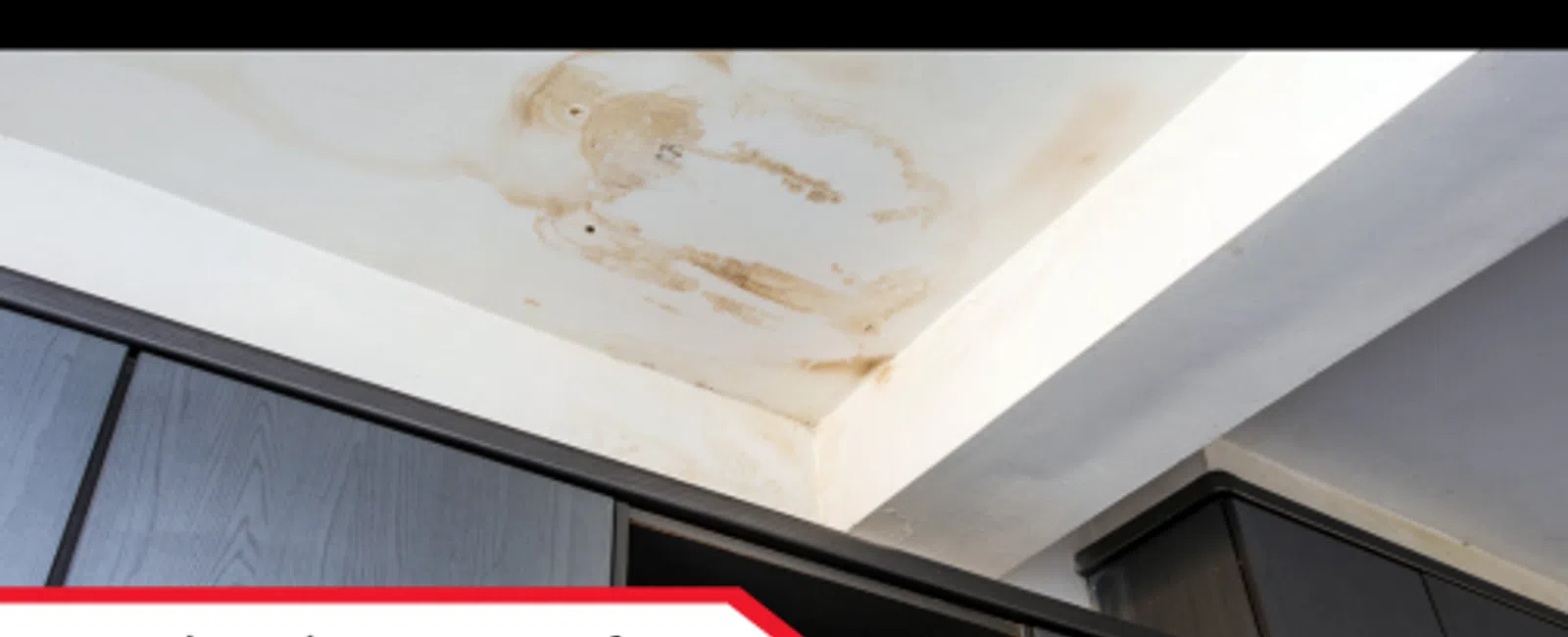
Water intrusion is one of the most common issues identified during home inspections, yet it is also one of the most misunderstood. Many homeowners first notice a leak when they see a stain on a ceiling, a wet spot on drywall, or discoloration around a fixture. However, by the time water becomes visible inside the home, it has often traveled through multiple building materials before reaching that location.
Because water rarely follows a straight path, identifying the true source of a leak requires more than simply locating where moisture becomes visible. Professional inspectors often trace evidence back to its origin, evaluating roof structures, attic spaces, and building materials to better understand how water entered the home. This process can reveal conditions that would otherwise remain hidden.
In a recent inspection, Licensed Inspector Devin P. followed signs of moisture to a section of roof decking where water intrusion was visible. Moisture was present on the oriented strand board (OSB), and a penetration through the material appeared to be allowing water into the structure. While the observation itself was straightforward, it highlights an important principle of home inspections: identifying the source of a problem is often more valuable than simply identifying the symptom.
For homeowners throughout the Southeast, inspections conducted by LunsPro Inspection Group help uncover these types of conditions before they become larger concerns. Through comprehensive Southeastern Residential and Commercial Inspections, Licensed Inspectors evaluate roofing systems, attic spaces, structural components, and moisture-related conditions to provide homeowners with a more complete understanding of their property.
A roof serves as the primary weather barrier for a home. It protects the structure from rain, wind, sunlight, and seasonal weather conditions. When that protective barrier is compromised, even a small opening can create a pathway for moisture intrusion.
Many homeowners assume that roof leaks are always obvious. In reality, some of the most significant water-related issues begin as very small openings that allow moisture to enter gradually over time. Because these conditions often develop behind finished surfaces, professional inspections play a critical role in identifying visible signs before larger problems emerge.
Understanding Roof Decking
Roof decking forms the structural base beneath roofing materials. It provides a stable surface that supports shingles, membranes, underlayment, and other roofing components.
Modern roof decking is commonly constructed using:
- OSB (oriented strand board)
- Plywood
- Engineered wood products
The decking plays an essential role because it serves as the layer directly beneath the exterior roofing materials.
When moisture reaches this layer, inspectors often pay close attention to signs of:
- Water staining
- Moisture accumulation
- Material deterioration
- Visible penetrations
- Structural concerns
Because the roof deck is concealed beneath roofing materials, many homeowners never see it unless an inspection or repair is performed.
What Is OSB?
OSB, or oriented strand board, is a commonly used structural panel in residential construction.
It is manufactured by compressing layers of wood strands with adhesives under pressure to create a durable panel suitable for structural applications.
OSB is frequently used for:
- Roof decking
- Wall sheathing
- Subflooring
Its widespread use makes it a common material encountered during home inspections.
When moisture enters a roofing system, the condition of the OSB often provides important clues about the history and location of water intrusion.
Why Water Intrusion Deserves Attention
Water can affect multiple building materials once it enters a structure.
Potentially affected areas include:
- Roof decking
- Structural framing
- Insulation
- Ceiling finishes
- Wall materials
Because moisture can travel through these materials before becoming visible, the source of the problem is not always located directly above the visible symptom.
This is one reason why tracing moisture back to its point of entry is such an important part of the inspection process.
How Water Travels Through a Home
One of the challenges associated with roof leaks is that water often follows the path of least resistance.
After entering the structure, moisture may:
- Travel along framing members
- Follow roof decking surfaces
- Move through insulation
- Appear in a completely different location from the original entry point
This can make leak diagnosis difficult for homeowners who are only able to observe the visible symptoms.
Professional inspections focus on evaluating accessible areas to better understand where moisture may be entering the home.
The Importance of Identifying Penetrations
During this inspection, Licensed Inspector Devin P. identified a penetration in the OSB associated with visible moisture.
A penetration refers to an opening, gap, or breach that allows something to pass through a building material.
When penetrations occur within roofing systems, they deserve attention because they may create pathways for water intrusion.
Potential sources of roof penetrations can include:
- Mechanical installations
- Fasteners
- Previous repairs
- Construction-related conditions
- Damage from external factors
Regardless of the cause, visible moisture around a penetration is an important observation.
Why Roof Leaks Are Common in the Southeast
Homes throughout the Southeastern United States face environmental conditions that place significant demands on roofing systems.
These conditions include:
- Heavy rainfall
- Thunderstorms
- High humidity
- Seasonal weather changes
- Strong wind events
Over time, exposure to these conditions can test even well-constructed roofing systems.
Because of this, Southeastern homeowners benefit from periodic roof evaluations and professional inspections.
Through Southeastern Residential and Commercial Inspections, Licensed Inspectors consider these regional factors when assessing homes.
Hidden Moisture Can Be Difficult to Detect
One of the reasons professional inspections are valuable is that moisture often develops in areas homeowners cannot easily access.
Examples include:
- Attic spaces
- Roof cavities
- Behind wall surfaces
- Above finished ceilings
Without entering these spaces, it may be impossible to identify the visible signs associated with developing moisture concerns.
This is why inspectors routinely evaluate areas that homeowners may rarely enter.
What Licensed Inspectors Look For
When evaluating a roof leak, Licensed Inspectors focus on identifying visible indicators that help explain the condition.
These observations may include:
- Water staining
- Visible moisture
- Material deterioration
- Penetrations
- Signs of previous leakage
- Conditions associated with roof performance
The goal is to document visible findings and provide homeowners with a clearer understanding of what is occurring.
The Value of Following the Evidence
One of the key lessons from this inspection is the importance of following visible evidence rather than focusing solely on symptoms.
Finding a water stain may reveal that a problem exists.
Finding the source helps explain why the problem exists.
Professional inspections often involve connecting multiple observations to better understand the condition of the property.
This systematic approach helps provide more meaningful information to homeowners.
Why Roof Inspections Matter
Roofing systems represent one of the most important protective barriers in a home.
Regular evaluations help identify visible concerns involving:
- Roofing materials
- Flashing systems
- Roof penetrations
- Structural components
- Moisture-related conditions
By identifying these conditions early, homeowners gain a better understanding of their home's overall performance.
What Homeowners Can Learn From This Inspection
The roof leak identified by Licensed Inspector Devin P. provides several valuable takeaways.
Water Often Travels
The visible symptom may not indicate the actual source.
Small Openings Matter
Even relatively minor penetrations can allow moisture into a structure.
Attics Provide Important Clues
Many roofing issues become visible from inside the attic before they appear elsewhere.
Moisture Can Remain Hidden
Problems may develop long before obvious interior damage appears.
Professional Inspections Add Value
Licensed Inspectors help identify visible conditions and trace evidence to its source.
How LunsPro Inspection Group Helps Homeowners
LunsPro Inspection Group provides comprehensive inspection services designed to help homeowners better understand their properties.
Their Licensed Inspectors evaluate:
- Roofing systems
- Structural components
- Attic spaces
- Plumbing systems
- HVAC equipment
- Interior and exterior conditions
Through detailed observations and reporting, homeowners receive valuable insight into the condition of their home.
This information supports informed decision-making and greater confidence throughout the ownership process.
The roof leak identified by Licensed Inspector Devin P. highlights one of the most important principles in home inspections: finding the source matters. While visible water damage often captures attention, understanding where the moisture entered the structure provides far more useful information about the condition of the home.
For homeowners throughout the Southeast, inspections performed by LunsPro Inspection Group provide critical insight into roofing systems and moisture-related conditions. Through comprehensive Southeastern Residential and Commercial Inspections, Licensed Inspectors evaluate accessible areas, identify visible concerns, and help homeowners better understand how water affects their property.
Ultimately, a successful inspection goes beyond identifying symptoms. By tracing moisture back to its origin and documenting visible conditions along the way, professional inspectors help homeowners gain a clearer picture of their home's overall performance and maintenance needs.