
When purchasing a newly constructed home, many buyers assume that every system has been installed perfectly and thoroughly reviewed throughout the building process. While modern construction offers many advantages, no home is completely immune from defects, oversights, or installation issues. This reality is one of the primary reasons professional inspections remain valuable even for brand-new homes.
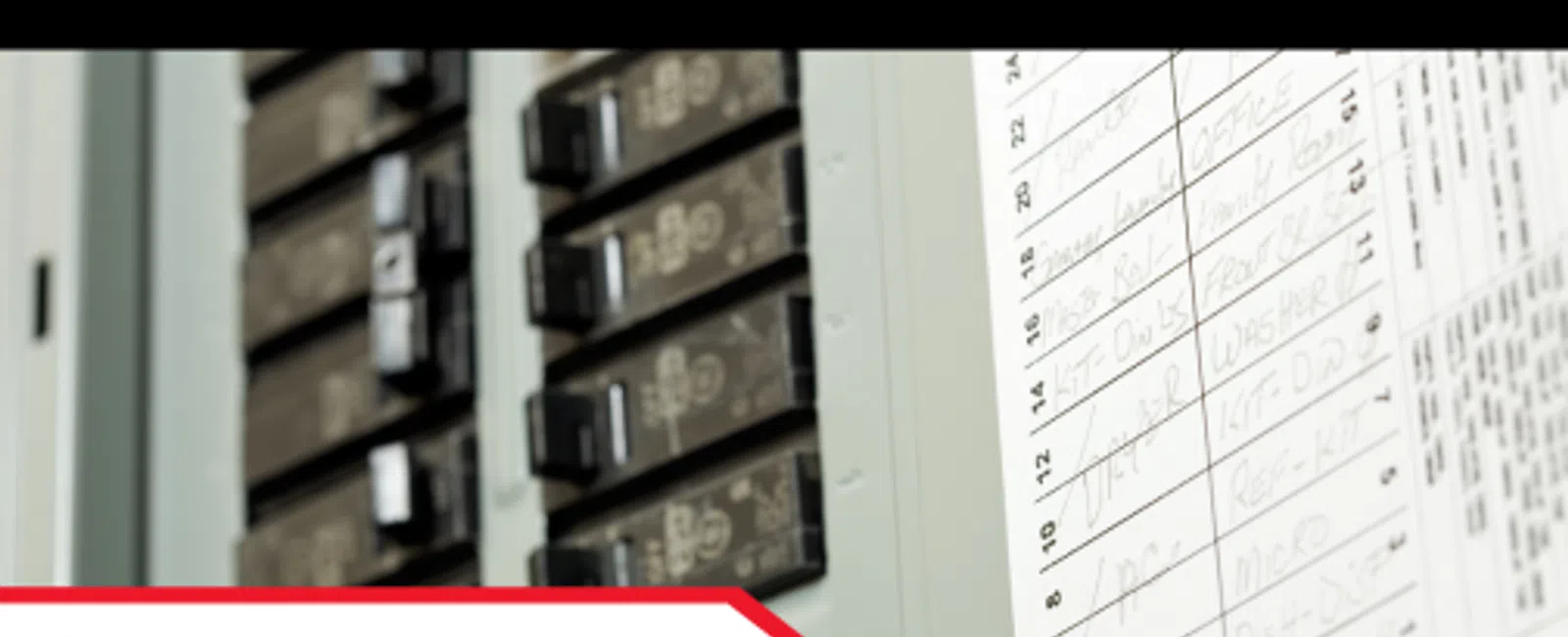
In a recent inspection, Licensed Inspector Matt F. identified a melted wire inside the electrical panel of a newly constructed residence. The condition was visible within the panel and represented a significant electrical concern. Although the home was newly built, the damaged conductor demonstrated that serious issues can exist regardless of a property's age. Findings like this reinforce an important lesson for homeowners: some of the most critical defects are located in areas that homeowners rarely see.
For homeowners throughout the Southeast, inspections conducted by LunsPro Inspection Group provide valuable insight into conditions that may not be apparent during a walkthrough. Through comprehensive Southeastern Residential and Commercial Inspections, Licensed Inspectors evaluate electrical systems, structural components, roofing systems, plumbing installations, and many other aspects of a property to help homeowners better understand the condition of their investment.
Electrical systems are among the most important components of any home. Modern households depend on electricity for lighting, heating and cooling equipment, appliances, communication systems, and countless daily activities. Because these systems operate continuously, proper installation and maintenance are critical.
While many defects are cosmetic in nature, electrical concerns often deserve special attention because they involve systems responsible for distributing power throughout the home. A damaged conductor inside an electrical panel is not merely an aesthetic issue—it is an indication that abnormal conditions have occurred within the system.
Understanding the Electrical Panel
The electrical panel serves as the central distribution point for electricity throughout a home. Power enters the residence through the service equipment and is distributed through circuits that supply various rooms and systems.
The panel contains:
- Circuit breakers
- Conductors (wires)
- Bus bars
- Terminal connections
- Protective components
Together, these elements work to safely distribute electrical power throughout the property.
Because all branch circuits originate from the panel, conditions found inside the panel are often considered particularly important during an inspection.
What a Melted Wire Indicates
A melted wire typically indicates that excessive heat developed at some point within the electrical system.
Electrical conductors are designed to carry electricity safely while remaining within specific operating temperatures. When temperatures exceed acceptable limits, damage can occur to the wire insulation and surrounding materials.
Visible melting may indicate:
- Excessive heat generation
- High resistance at a connection
- Improper installation
- Loose electrical connections
- Equipment defects
- Overloaded conditions
While determining the exact cause generally requires further evaluation by a qualified electrical professional, visible melting itself is an important condition that should not be ignored.
Why Heat Develops in Electrical Systems
Electricity naturally generates heat as it flows through conductors. Under normal circumstances, this heat remains within acceptable levels.
However, certain conditions can cause temperatures to rise beyond intended limits.
These may include:
Loose Connections
When electrical connections are not properly secured, resistance can increase. Increased resistance often leads to elevated temperatures.
Improper Installation
Incorrect installation methods can affect the performance of electrical components and connections.
Damaged Components
Defective breakers, terminals, or conductors can contribute to overheating.
Excessive Load
Electrical systems must be properly designed and installed to accommodate anticipated loads.
Any condition that causes abnormal heat generation deserves attention.
Why This Is Significant in a New Construction Home
One of the most noteworthy aspects of this inspection is that the home was newly constructed.
Many buyers assume that a new home has fewer risks because:
- Components are new
- Systems have not experienced long-term wear
- Construction recently occurred
- Materials have not aged
However, new construction homes can still contain defects.
Potential issues may arise from:
- Installation errors
- Construction oversights
- Material defects
- Incomplete work
- Coordination challenges among subcontractors
The presence of a melted conductor in a new home demonstrates why inspections remain important regardless of a property's age.
Hidden Problems Are Often the Most Serious
Electrical panels are rarely opened by homeowners during routine ownership.
As a result, conditions inside the panel can remain hidden for extended periods.
Many homeowners regularly observe:
- Walls
- Floors
- Ceilings
- Appliances
But few people inspect the interior of their electrical panel.
This makes professional inspections particularly valuable because they provide access to information that may otherwise remain unknown.
Why Electrical Inspections Matter
Electrical systems operate behind the scenes every day.
Because most components are concealed, problems can develop without obvious symptoms.
Professional inspections help identify visible conditions involving:
- Service equipment
- Branch circuit wiring
- Breakers
- Panel components
- Accessible electrical systems
By evaluating these components, Licensed Inspectors provide homeowners with a better understanding of system conditions.
Common Signs of Electrical Heat Damage
While homeowners may not routinely open electrical panels, certain signs can occasionally indicate electrical concerns.
Potential indicators include:
- Burn marks
- Discoloration
- Unusual odors
- Flickering lights
- Warm electrical components
- Visible damage to wiring
However, some conditions produce no noticeable symptoms at all.
This is why inspections often reveal issues that homeowners were previously unaware of.
The Importance of Attention to Detail
The melted conductor identified by Licensed Inspector Matt F. illustrates the importance of thorough evaluations.
Many inspection findings involve:
- Small details
- Hidden locations
- Specialized knowledge
Without careful observation, certain defects may remain undiscovered.
Professional inspections focus on evaluating systems systematically to identify visible concerns throughout the property.
Why Southeastern Homes Require Comprehensive Evaluations
Homes throughout the Southeastern United States face unique environmental conditions that influence building systems.
These conditions may include:
- High humidity
- Frequent storms
- Heavy rainfall
- Seasonal temperature changes
- Long cooling seasons
Because electrical systems play a critical role in operating HVAC equipment and other household systems, comprehensive evaluations are especially important.
Through Southeastern Residential and Commercial Inspections, Licensed Inspectors assess homes while considering the demands placed on these systems by regional conditions.
What Licensed Inspectors Look For
During an electrical inspection, Licensed Inspectors evaluate accessible electrical components for visible defects or irregularities.
Observations may include:
- Panel condition
- Breaker configuration
- Visible wiring conditions
- Electrical connections
- Signs of overheating
- Physical damage
The goal is to document visible conditions and provide homeowners with information about the system's apparent condition at the time of the inspection.
The Value of New Construction Inspections
One of the biggest misconceptions in real estate is that new homes do not need inspections.
In reality, new construction inspections frequently identify issues involving:
- Roofing systems
- Plumbing installations
- Structural components
- HVAC systems
- Electrical equipment
Even highly skilled builders and contractors can encounter mistakes, oversights, or unexpected conditions.
An independent inspection provides an additional layer of evaluation before homeowners move in.
What Homeowners Can Learn From This Finding
The melted wire identified by Licensed Inspector Matt F. offers several important lessons.
New Homes Can Have Significant Defects
Age alone does not determine quality.
Hidden Areas Matter
Some of the most important findings occur in locations homeowners rarely access.
Electrical Systems Deserve Careful Evaluation
Electrical components play a critical role in the home's overall function.
Small Discoveries Can Be Important
A single damaged conductor may reveal larger concerns requiring attention.
Professional Inspections Provide Valuable Insight
Experienced inspectors help identify visible issues that might otherwise remain hidden.
How LunsPro Inspection Group Helps Homeowners
LunsPro Inspection Group provides comprehensive inspections designed to help homeowners better understand their properties.
Their Licensed Inspectors evaluate:
- Electrical systems
- Roofing systems
- Structural components
- HVAC equipment
- Plumbing systems
- Interior and exterior conditions
Through detailed documentation and professional observations, homeowners gain valuable information about the property's condition.
This helps support informed decisions and greater confidence throughout the homeownership process.
The melted wire discovered by Licensed Inspector Matt F. inside a new construction electrical panel serves as a powerful reminder that serious issues can exist even in brand-new homes. While many buyers associate new construction with flawless workmanship, conditions like this demonstrate the importance of independent evaluations before relying solely on appearances.
For homeowners throughout the Southeast, inspections performed by LunsPro Inspection Group provide valuable insight into visible conditions affecting both new and existing homes. Through comprehensive Southeastern Residential and Commercial Inspections, Licensed Inspectors help uncover issues that may otherwise remain hidden from view.
Ultimately, a professional inspection is about understanding the property beyond what is visible during a casual walkthrough. Whether a home is newly constructed or decades old, identifying important findings early helps homeowners make informed decisions and better protect their investment.