Water intrusion is one of the most common and potentially damaging issues found during residential inspections. While some leaks make themselves known through obvious signs such as staining, dripping water, or damaged drywall, others remain hidden behind finished surfaces for extended periods. Because moisture can travel through building materials before becoming visible, identifying the source of a leak is not always straightforward.
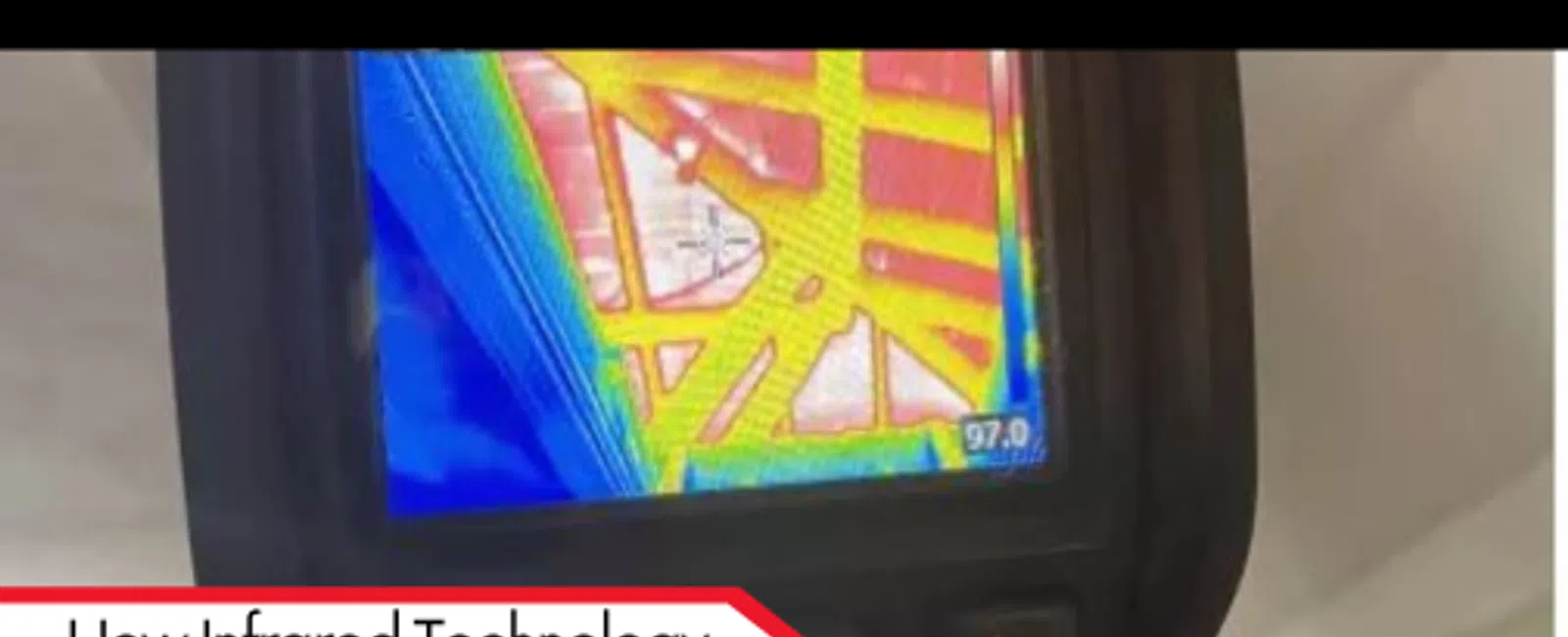
This is where modern inspection technology can provide additional insight. During a recent inspection, Licensed Inspector Matt F. identified a ceiling leak and utilized infrared imaging technology to evaluate the affected area. While the leak itself was visible, the infrared camera helped reveal temperature differences associated with moisture, providing additional information about the extent of the condition.
For homeowners throughout the Southeast, inspections conducted by LunsPro Inspection Group combine visual observations with advanced tools such as infrared thermal imaging. Through comprehensive Southeastern Residential and Commercial Inspections, Licensed Inspectors help homeowners better understand conditions that may not be immediately apparent during a standard walkthrough.
Water is often described as one of a home's greatest enemies because of its ability to affect multiple building components simultaneously. A small roof leak, plumbing issue, or exterior moisture intrusion can eventually impact ceilings, walls, insulation, flooring, and structural materials. Because moisture frequently develops behind finished surfaces, homeowners may not recognize the issue until visible damage appears.
By the time a stain develops on a ceiling, water may have already traveled through multiple layers of material. This is why identifying moisture early is so important. Professional inspections provide an opportunity to evaluate both visible and concealed conditions using specialized equipment designed to assist in the inspection process.
Understanding Ceiling Leaks
A ceiling leak occurs when water enters an area above the finished ceiling surface and eventually finds a pathway downward. While the visible symptom may appear as a stain, discoloration, bubbling paint, or damaged drywall, the actual source of the moisture may originate elsewhere.
Potential sources of ceiling moisture can include:
- Roofing defects
- Flashing concerns
- Plumbing leaks
- HVAC condensation issues
- Exterior water intrusion
- Mechanical system failures
Because water often travels before becoming visible, determining the origin of a leak can be more complicated than it initially appears.
Why Water Often Stays Hidden
One of the challenges associated with moisture intrusion is that building materials frequently conceal developing problems.
Water can move through:
- Attic insulation
- Framing cavities
- Drywall assemblies
- Ceiling structures
- Mechanical penetrations
As moisture migrates through these materials, it may remain invisible until enough accumulation occurs to create noticeable symptoms.
In many cases, the visible stain is not directly beneath the source of the intrusion.
What Infrared Technology Does
Infrared cameras allow inspectors to observe surface temperature variations that are not visible to the naked eye.
These cameras do not see through walls or ceilings. Instead, they detect differences in heat patterns that may indicate unusual conditions.
During inspections, infrared technology can help identify:
- Temperature anomalies
- Areas affected by moisture
- Insulation irregularities
- Air leakage patterns
- HVAC performance concerns
When moisture is present, affected materials often display temperature characteristics that differ from surrounding areas.
Why Infrared Imaging Is Valuable
Infrared imaging provides inspectors with an additional tool for evaluating a home's condition.
Benefits include:
Enhanced Observation
Temperature differences can reveal conditions that may otherwise remain unnoticed.
Non-Invasive Evaluation
Infrared technology allows inspectors to gather additional information without damaging building materials.
Better Documentation
Thermal images provide visual documentation that can help explain observed conditions.
Improved Understanding
Combining visual observations with thermal imaging often provides a more complete picture of the situation.
During the inspection conducted by Licensed Inspector Matt F., infrared imaging helped support the evaluation of the ceiling leak by highlighting areas associated with moisture.
Moisture and Building Materials
Water affects building materials differently depending on the material involved and the duration of exposure.
Materials commonly affected by ceiling leaks include:
Drywall
Drywall may stain, soften, sag, or deteriorate when exposed to prolonged moisture.
Insulation
Wet insulation can lose effectiveness and remain damp for extended periods.
Wood Framing
Structural components can be affected by repeated or ongoing moisture exposure.
Paint and Finishes
Visible cosmetic damage often develops as moisture migrates through finished surfaces.
The sooner moisture is identified, the greater the opportunity to understand the condition before further deterioration occurs.
Why Southeastern Homes Require Special Attention
Homeowners throughout the Southeastern United States face unique environmental challenges that increase the importance of moisture management.
Regional conditions include:
- High humidity
- Frequent rainfall
- Thunderstorms
- Seasonal weather fluctuations
- Extended warm-weather periods
These conditions create an environment where water intrusion concerns deserve careful attention.
Through Southeastern Residential and Commercial Inspections, Licensed Inspectors evaluate homes with these regional factors in mind.
Common Signs of Ceiling Moisture
While some moisture issues remain hidden, homeowners may occasionally observe visible indicators.
Potential signs include:
- Ceiling stains
- Discoloration
- Peeling paint
- Bubbling finishes
- Sagging drywall
- Visible water marks
However, the absence of visible symptoms does not necessarily mean moisture is absent.
This is one reason why inspection technology can be valuable.
The Importance of Early Detection
Identifying moisture concerns early provides homeowners with important information about their property.
Early detection can help:
- Increase awareness of developing issues
- Improve understanding of moisture conditions
- Support maintenance planning
- Reduce uncertainty about hidden areas
Professional inspections focus on documenting conditions observed at the time of the evaluation, giving homeowners valuable insight into the home's performance.
What Licensed Inspectors Look For
Licensed Inspectors evaluate ceilings and surrounding building components for signs of moisture intrusion.
Observations may include:
- Visible staining
- Surface damage
- Thermal irregularities
- Moisture-related conditions
- Related building components
When infrared technology is available, it may be used as a supplemental tool to support observations made during the inspection.
This combination of technology and experience helps provide a more thorough evaluation.
How Infrared Complements Visual Inspections
Infrared imaging does not replace a visual inspection. Instead, it enhances the inspector's ability to identify areas that warrant closer attention.
A professional inspection combines:
- Visual observations
- System testing
- Thermal imaging
- Documentation
- Professional experience
Together, these elements provide homeowners with a more comprehensive understanding of their property.
The Value of Professional Inspections
Through inspections performed by LunsPro Inspection Group, homeowners receive detailed information about visible conditions throughout the property.
Licensed Inspectors evaluate:
- Roofing systems
- Plumbing components
- HVAC systems
- Structural elements
- Interior finishes
- Moisture-related concerns
This comprehensive approach helps identify issues that may not be apparent during everyday occupancy.
What Homeowners Can Learn From This Inspection
The ceiling leak identified by Licensed Inspector Matt F. highlights several important lessons.
Water Can Travel
The visible symptom may not reveal the full extent of the condition.
Technology Adds Value
Infrared imaging can help identify temperature differences associated with moisture.
Early Awareness Matters
Understanding a condition sooner provides more information for future decisions.
Moisture Isn't Always Visible
Some issues remain concealed behind finished surfaces.
Professional Inspections Provide Insight
A trained inspector can combine visual observations with advanced tools to evaluate the property more thoroughly.
How LunsPro Inspection Group Helps Homeowners
LunsPro Inspection Group provides professional inspection services throughout the Southeast designed to help homeowners better understand their properties.
Their Licensed Inspectors use a combination of experience, observation, and technology to evaluate homes and document visible conditions.
Through comprehensive Southeastern Residential and Commercial Inspections, homeowners receive valuable insight into both obvious and hidden aspects of a property's condition.
This information supports informed decision-making and greater confidence throughout the homeownership process.
The ceiling leak identified by Licensed Inspector Matt F. demonstrates how moisture issues can develop beyond what is immediately visible. While the leak itself was observable, the use of infrared imaging provided additional insight into the affected area and helped illustrate the value of modern inspection technology.
For homeowners throughout the Southeast, professional evaluations performed by LunsPro Inspection Group provide an important opportunity to identify visible moisture-related concerns before they become larger problems. Through detailed Southeastern Residential and Commercial Inspections, Licensed Inspectors combine visual observations with advanced tools to deliver a more complete understanding of a home's condition.
Ultimately, successful homeownership depends on awareness. Whether the concern is a visible ceiling stain or a hidden moisture condition revealed through thermal imaging, professional inspections help homeowners better understand their property and make informed decisions about its maintenance and care.