Many homebuyers assume that a newly constructed home is free from significant defects. After all, the materials are new, the systems have never been used, and construction has recently been completed. While new construction offers many advantages, it does not eliminate the possibility of installation errors, overlooked details, or incomplete workmanship. In fact, some of the most important findings discovered during inspections occur in homes that have never been occupied.
Roofing systems are one of the most critical components of a home because they serve as the primary defense against weather. Even relatively small installation deficiencies can create pathways for moisture intrusion that may affect the structure over time. When key roofing components are missing or improperly installed, the consequences can extend far beyond the roof surface itself.
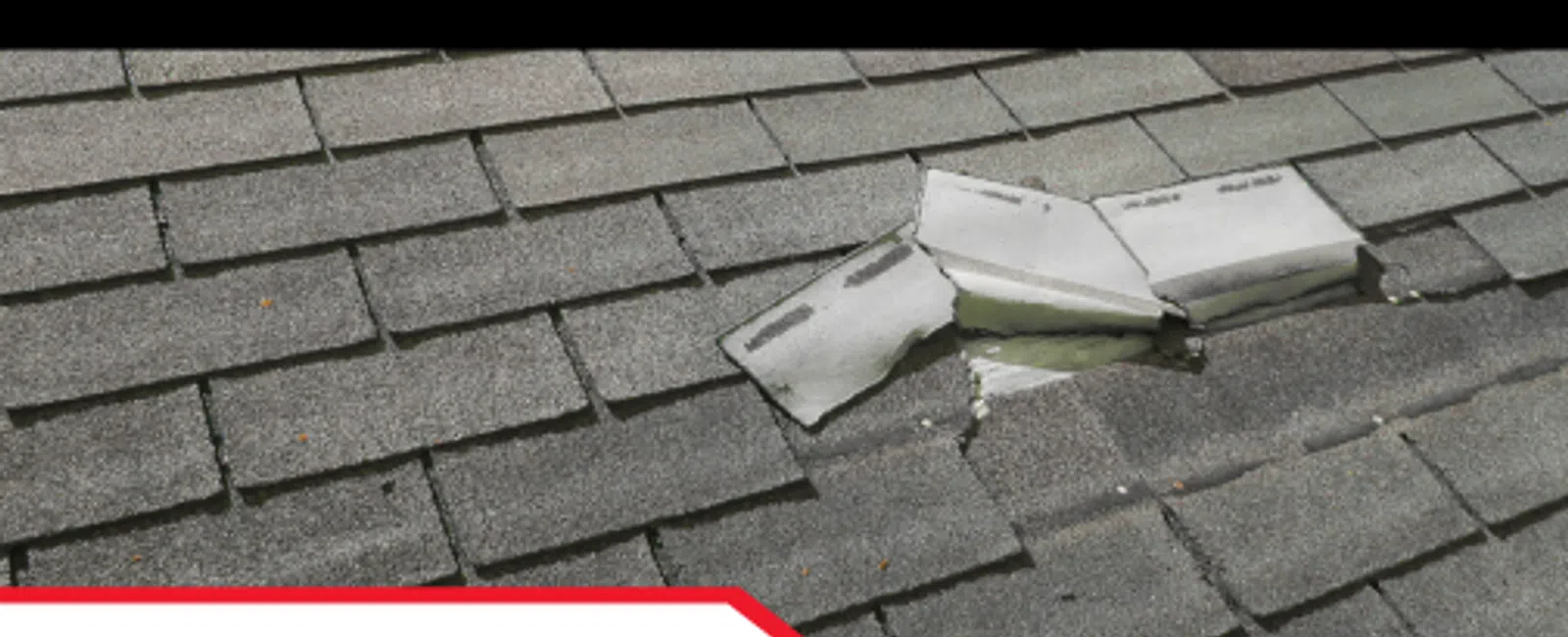
During a recent inspection, Licensed Inspector Jared W. observed a condition that immediately stood out. While evaluating a newly constructed home, he noticed portions of the roof where the flashing appeared unusual from the ground. Upon closer examination, the issue became clearer: sections of flashing were missing, and portions of the roof assembly also lacked proper underlayment. Despite the home being newly built, these roofing deficiencies were present and visible during the inspection.
For homeowners throughout the Southeast, inspections conducted by LunsPro Inspection Group help identify issues like these before they become larger concerns. Through comprehensive Southeastern Residential and Commercial Inspections, Licensed Inspectors evaluate roofing systems and other critical components to provide homeowners with valuable insight into a property's condition.
What Is Roof Flashing?
Roof flashing is a material installed at vulnerable areas of a roof to help direct water away from openings, joints, and transitions. Flashing is commonly installed where roofing materials meet other building components.
Typical flashing locations include:
- Roof-to-wall intersections
- Chimneys
- Dormers
- Roof penetrations
- Valleys
- Skylights
These areas are often more susceptible to water intrusion than open roof surfaces because they involve transitions between different materials or changes in roof geometry.
Proper flashing helps create a water-shedding system that directs moisture away from the structure.
Why Flashing Is So Important
Shingles provide the primary protective layer on many residential roofs, but flashing plays an equally important supporting role.
Without properly installed flashing:
- Water may enter vulnerable roof areas
- Moisture can bypass protective roofing layers
- Structural materials may become exposed
- Hidden leaks may develop
Flashing is designed to work with roofing materials rather than replace them. Together, they form a system intended to manage water effectively.
What Is Roof Underlayment?
Underlayment is another important roofing component that often goes unnoticed by homeowners because it is installed beneath the visible roofing material.
Underlayment serves as a secondary layer of protection between the roof deck and exterior roofing materials.
Its functions include:
- Providing additional moisture resistance
- Protecting roof decking
- Acting as a backup water barrier
- Helping manage water infiltration during severe weather
Although underlayment is hidden after construction is complete, it remains an important part of the overall roofing system.
Missing Flashing and Missing Underlayment
One notable aspect of this inspection was that both flashing concerns and underlayment concerns were observed.
Licensed Inspector Jared W. noted that:
- Flashing appeared incorrect from the ground
- Further evaluation revealed missing flashing
- Portions of the roof lacked underlayment
These findings demonstrate how multiple installation issues can sometimes occur within the same roofing area.
When multiple protective components are absent, the roof's ability to manage moisture may be affected.
Why Roofing Details Matter
Roofing systems rely on multiple layers working together.
These layers often include:
- Roofing materials
- Flashing
- Underlayment
- Roof decking
- Structural framing
Each component performs a specific function. When one layer is missing, the system may become more vulnerable to water intrusion.
This is why inspectors evaluate roofing systems as a whole rather than focusing solely on the visible surface.
Why New Construction Homes Still Need Inspections
Many buyers assume that municipal inspections and builder quality control processes eliminate the need for an independent inspection.
However, newly built homes can still contain:
- Installation oversights
- Incomplete components
- Construction defects
- Missing materials
- Workmanship concerns
Modern construction projects involve multiple contractors and subcontractors working on different portions of the home. With so many individuals involved, occasional mistakes can occur.
Independent inspections provide an additional layer of evaluation designed to identify visible conditions before homeowners move in.
The Importance of Looking Closer
One of the key lessons from this inspection is the value of careful observation.
Licensed Inspector Jared W. first noticed something unusual while viewing the roof from the ground.
Rather than ignoring the observation, he performed a closer evaluation and discovered:
- Missing flashing
- Missing underlayment
- Roofing conditions that warranted attention
This highlights the importance of thorough inspections and attention to detail.
Sometimes the most significant findings begin with something that simply "doesn't look right."
Moisture Intrusion Risks
The primary concern associated with missing flashing and underlayment is moisture intrusion.
Water entering a roofing system can affect:
- Roof decking
- Structural framing
- Insulation
- Ceiling finishes
- Interior surfaces
Moisture may travel through building materials before becoming visible, making early detection especially valuable.
Professional inspections help identify conditions that could potentially contribute to moisture-related concerns.
Southeastern Weather Creates Additional Challenges
Homes throughout the Southeastern United States face weather conditions that place significant demands on roofing systems.
These conditions often include:
- Heavy rainfall
- Thunderstorms
- High humidity
- Strong winds
- Seasonal weather fluctuations
Because roofs serve as the first line of defense against these elements, proper installation becomes especially important.
Through Southeastern Residential and Commercial Inspections, Licensed Inspectors evaluate homes with these environmental factors in mind.
What Licensed Inspectors Look For
Roof inspections involve much more than checking for damaged shingles.
Licensed Inspectors evaluate:
- Flashing installation
- Roofing materials
- Roof penetrations
- Drainage pathways
- Underlayment visibility where accessible
- Signs of moisture intrusion
This comprehensive approach helps identify visible conditions that may affect roof performance.
Why Hidden Roofing Defects Can Be Costly
Roofing defects often remain concealed until water intrusion occurs.
Homeowners may not notice problems until they observe:
- Ceiling stains
- Water damage
- Moisture in attic spaces
- Interior deterioration
By that point, repairs may involve more than simply addressing the roofing issue itself.
This is one reason why preventative inspections provide significant value.
What Homeowners Can Learn From This Inspection
The findings identified by Licensed Inspector Jared W. offer several important lessons.
New Homes Are Not Immune
Even newly constructed homes can contain significant deficiencies.
Roofing Systems Are Layered
Protection depends on multiple components working together.
Details Matter
Missing flashing and underlayment may not be obvious from a casual observation.
Moisture Prevention Starts at the Roof
Proper installation helps protect the structure below.
Professional Inspections Add Value
Independent evaluations help identify visible concerns before they become larger issues.
How LunsPro Inspection Group Helps Homeowners
LunsPro Inspection Group provides detailed inspection services designed to help homeowners better understand their property.
Their Licensed Inspectors evaluate:
- Roofing systems
- Structural components
- Electrical systems
- Plumbing systems
- HVAC equipment
- Interior and exterior conditions
Through comprehensive reporting and careful observations, homeowners receive valuable information about visible conditions throughout the property.
This information supports informed decision-making and greater confidence during the homeownership process.
The missing roof flashing and underlayment identified by Licensed Inspector Jared W. demonstrate why independent inspections remain valuable—even for brand-new homes. While many buyers expect new construction to be free from significant concerns, installation oversights and missing components can still occur.
For homeowners throughout the Southeast, inspections performed by LunsPro Inspection Group provide important insight into roofing systems and other critical building components. Through comprehensive Southeastern Residential and Commercial Inspections, Licensed Inspectors help identify visible conditions that might otherwise go unnoticed.
Ultimately, a roof's performance depends on far more than the shingles visible from the street. Components such as flashing and underlayment play critical roles in protecting the home from moisture intrusion. By investing in a professional inspection, homeowners gain a clearer understanding of their property's condition and greater confidence in their investment.