
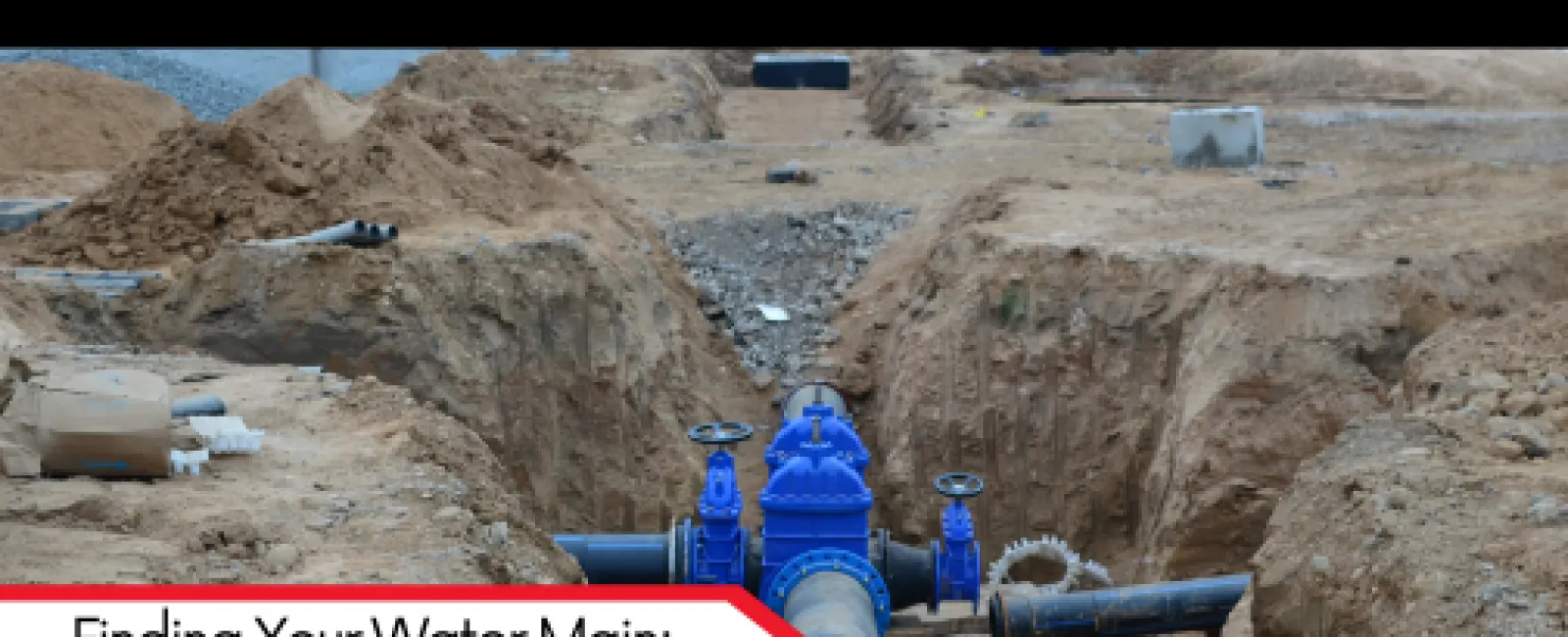
Knowing how to locate your home's water main is a critical yet often overlooked aspect of property ownership. The water main controls the flow of water into the entire home, and in an emergency, the ability to shut it off quickly can prevent extensive property damage, costly repairs, and significant disruption. Burst pipes, leaking fixtures, appliance failures, and storm-related flooding can all escalate rapidly if the water supply is not stopped promptly.
For homeowners throughout the Southeast—and especially in Florida—understanding where the water main is located is particularly important. Regional factors such as aging infrastructure, high humidity, corrosive soil conditions, hurricanes, and freeze events in some Southeast areas can all contribute to plumbing failures. This article provides a detailed explanation of what the water main is, why it matters, where it is typically located, and how homeowners can safely identify and manage it as part of responsible property ownership.
What Is the Water Main?
The water main, often referred to as the main water shut-off valve, is the primary control point for the water supply entering a home. When this valve is closed, water flow to the entire property stops. This allows homeowners to isolate plumbing systems during emergencies, major repairs, or extended absences.
The water main is typically installed where the municipal water line or private well supply enters the structure. While individual fixtures and appliances may have localized shut-off valves, the main water shut-off is the most important control for preventing widespread water damage.
Why Locating the Water Main Is So Important
Preventing Water Damage
Water damage is one of the most common and expensive issues homeowners face. A burst pipe, failed water heater, or broken washing machine supply line can release hundreds of gallons of water in a short period of time. Knowing where the water main is located allows homeowners to stop the flow immediately, minimizing damage to floors, walls, cabinetry, and personal belongings.
In Florida and other Southeast states, water damage can be especially destructive due to high humidity and warm temperatures, which accelerate mold growth and material deterioration.
Emergency Preparedness
Plumbing emergencies often occur without warning. During hurricanes, tropical storms, or severe weather events common throughout the Southeast, pipes may be damaged by shifting structures, debris, or flooding. In these situations, the ability to quickly shut off the water supply is essential for safety and damage control.
Additionally, in the rare event of a municipal water contamination advisory, homeowners may be instructed to shut off their water supply. Knowing the exact location of the water main ensures compliance with public safety guidance.
Supporting Repairs and Maintenance
Any major plumbing repair or system upgrade requires shutting off the main water supply. Homeowners who are unfamiliar with their water main may waste valuable time searching for it during an urgent repair, increasing the risk of further damage.
Common Locations of the Water Main
The location of the water main varies based on regional construction practices, the age of the home, and whether the property is connected to a municipal water system or a private well. In the Southeast and Florida, the following locations are most common.
Inside the Home
In many homes, especially older properties, the water main is located inside near where the water line enters the structure. Typical locations include:
-
Garage
-
Utility room
-
Laundry room
-
Mechanical closet
-
Under a kitchen sink (less common)
The shut-off valve may be mounted on a wall or floor and is often connected to a visible pipe entering the home from below or through an exterior wall.
Exterior of the Home
In Florida and other warm-climate regions, it is common for the water main to be located outside the home. Exterior shut-off valves are often installed to reduce the risk of interior water damage and to accommodate slab-on-grade construction, which is prevalent throughout the Southeast.
Exterior water mains are typically found:
-
Near the foundation wall
-
Close to the hose bib or irrigation connection
-
In a ground-level valve box near the structure
Underground Meter Box
Many homes served by municipal water have an additional shut-off valve located at the water meter. This is often housed in a ground-level box near the street or sidewalk. While this valve is primarily intended for utility access, it can be used in emergencies if the interior or exterior shut-off is inaccessible or malfunctioning.
Homeowners should use caution when operating the meter valve, as damage to utility equipment can result in additional costs.
How to Locate Your Water Main Step by Step
-
Identify Where Water Enters the Home
Start by determining where the main water line enters the structure. This is often the lowest visible plumbing penetration in the home or near the foundation. -
Follow Visible Plumbing Lines
Trace the cold-water line back from the water heater or major fixtures until you find the main valve. -
Check Common Utility Areas
Look in garages, utility rooms, and exterior walls, especially in Florida homes built on concrete slabs. -
Inspect the Exterior Perimeter
Walk around the exterior of the home and look for a valve, pipe, or ground-level access box near the foundation. -
Locate the Water Meter
If needed, find the water meter near the street. The shut-off valve is typically located just before or after the meter.
Types of Water Main Shut-Off Valves
Understanding the type of valve installed can help ensure safe operation.
Gate Valves
Older homes often have gate valves, which require multiple turns to open or close. These valves are prone to corrosion and failure, especially in humid Southeast environments.
Ball Valves
Ball valves are more common in newer homes and are considered more reliable. They use a lever handle that turns 90 degrees to shut off water. When the handle is perpendicular to the pipe, the water is off.
Curb Stop Valves
These are utility-installed valves located at the water meter and typically require a special tool to operate.
Regional Considerations in Florida and the Southeast
High Humidity and Corrosion
The warm, humid climate in Florida accelerates corrosion of metal plumbing components. Exterior shut-off valves and underground fittings are especially vulnerable, making regular inspection important.
Slab-on-Grade Construction
Many Southeast homes are built on concrete slabs, meaning water lines often enter through the foundation rather than a basement. This construction style influences where the water main is located and can make access less obvious.
Storm and Hurricane Risk
During hurricane season, homeowners should know where the water main is located and ensure it is accessible before a storm arrives. Preemptively shutting off water during extended evacuations can reduce the risk of unnoticed leaks or flooding.
When Not to Operate the Water Main
There are situations where homeowners should avoid operating the water main themselves:
-
If the valve is heavily corroded or leaking
-
If the valve handle breaks or will not turn
-
If the area is flooded or unsafe
-
If the valve appears to be part of utility-owned equipment
In these cases, a licensed plumber or utility provider should be contacted.
How Home Inspections Help Identify Water Main Issues
A professional home inspection includes identifying the location and condition of the main water shut-off valve. Inspectors serving Florida and the Southeast often encounter valves that are difficult to access, improperly labeled, or in poor condition.
Identifying these issues during an inspection allows homeowners and buyers to address deficiencies, improve emergency preparedness, and reduce the risk of future water damage.
Knowing how to find your water main is a fundamental responsibility of homeownership. This single valve plays a critical role in preventing water damage, supporting emergency response, and enabling safe plumbing maintenance. In the Southeast and Florida, where environmental conditions and construction practices present unique challenges, this knowledge is particularly valuable.
Taking the time to locate the water main, understand how it operates, and ensure it remains accessible can save homeowners from costly repairs and unnecessary stress. Whether facing a sudden plumbing failure or preparing for severe weather, quick access to the water shut-off provides control in situations where every minute matters.
A professional home inspection can further support this effort by confirming the water main's location, condition, and functionality. Ultimately, understanding your water main is not just about convenience—it is about protecting your home, your investment, and your peace of mind throughout Florida and the broader Southeast.