When most buyers and homeowners think about property inspections, their attention is typically focused on visible systems such as the roof, foundation, HVAC equipment, and electrical components. While these areas are unquestionably important, one of the most critical—and most frequently overlooked—systems in any property lies completely out of sight: the sewer line. A sewer scope inspection provides direct insight into the condition of this underground system, revealing issues that cannot be detected through a standard visual inspection alone.
In the Southeast, and particularly in Florida, sewer line problems are far more common than many property owners realize. Aging infrastructure, aggressive root growth, shifting soils, and high water tables create an environment where sewer lines are vulnerable to damage and deterioration. A sewer scope inspection allows homeowners, buyers, and investors to make informed decisions by identifying defects before they escalate into costly emergencies. Understanding the importance of this inspection is essential for protecting both property value and long-term financial stability.
What Is a Sewer Scope Inspection?
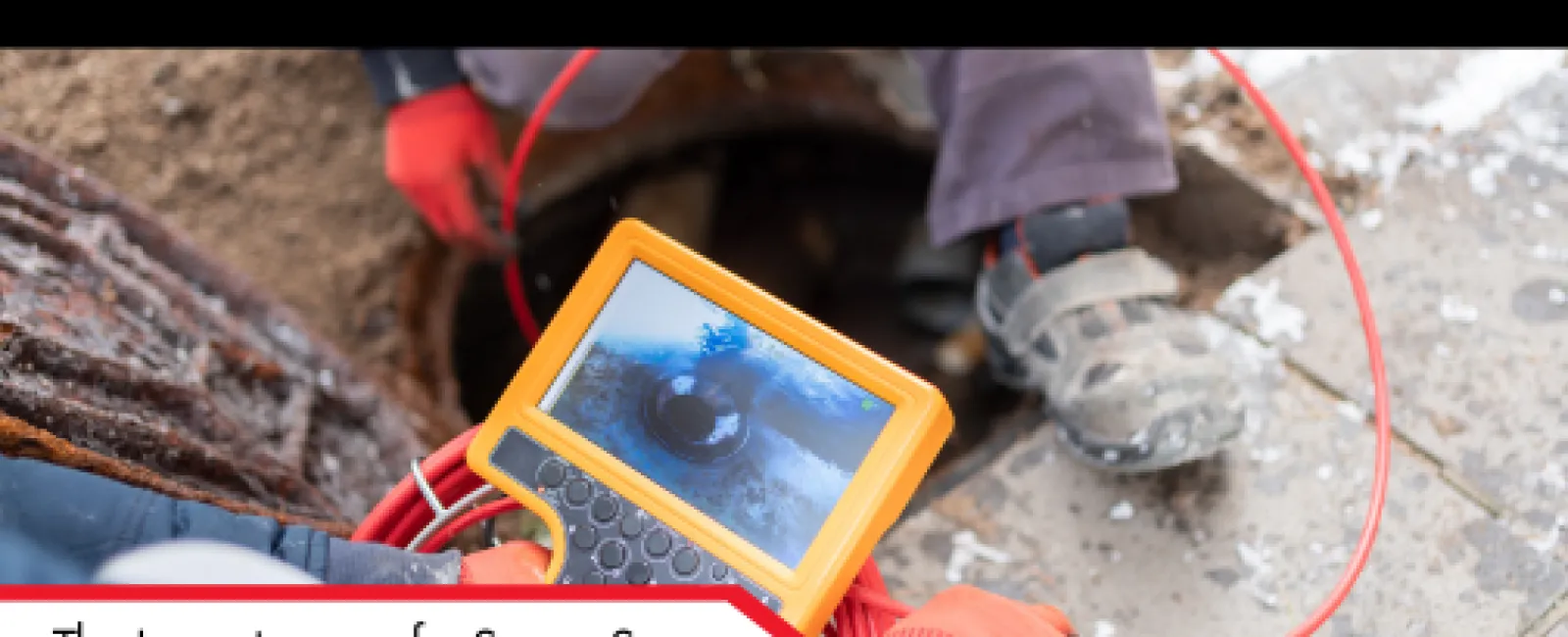
A sewer scope inspection is a specialized evaluation of a property's main sewer line using high-resolution camera technology. During the inspection, a licensed professional inserts a flexible, waterproof camera into the sewer cleanout or other access point. The camera travels through the pipe, transmitting real-time video to a monitor for detailed assessment.
This process allows inspectors to examine the interior condition of the sewer line from the house to the municipal connection or septic system. Unlike other inspection methods, a sewer scope provides direct visual confirmation of defects such as cracks, obstructions, corrosion, misaligned joints, and root intrusion. The result is a clear, objective understanding of the sewer system's functionality and remaining lifespan.
Why Sewer Scope Inspections Are Not Included in Standard Home Inspections
Many property buyers assume that a standard home inspection covers every major system. However, sewer lines are typically excluded because they are buried underground and require specialized equipment and training to evaluate properly. Without a sewer scope inspection, buyers are often purchasing a property with no real knowledge of the sewer line's condition.
This gap in inspection coverage can be costly. Sewer line repairs or replacements can range from several thousand to tens of thousands of dollars, depending on the extent of the damage and local excavation requirements. A sewer scope inspection helps close this gap by providing critical information that would otherwise remain hidden until a failure occurs.
The Importance of Sewer Scope Inspections in the Southeast and Florida
Aging Infrastructure and Construction Materials
In many parts of the Southeast, especially Florida, homes built before the 1980s often feature sewer lines made of cast iron, clay, or Orangeburg pipe. These materials are known to deteriorate over time due to corrosion, root infiltration, and soil movement. Cast iron pipes, in particular, are highly susceptible to rust and scaling in Florida's humid and chemically aggressive soil conditions.
A sewer scope inspection is essential for identifying material degradation early, allowing property owners to plan for repairs or replacement before a catastrophic failure occurs.
High Water Tables and Soil Conditions
Florida's high water table and sandy soil composition place additional stress on underground plumbing systems. Shifting soil can cause pipes to sag, separate at joints, or collapse entirely. Heavy rainfall and seasonal flooding common throughout the Southeast further exacerbate these issues by increasing hydrostatic pressure around sewer lines.
A sewer scope inspection provides critical insight into how these environmental factors are affecting a property's sewer system, helping homeowners mitigate risks associated with regional conditions.
Aggressive Root Growth
Warm climates like those found throughout the Southeast encourage aggressive tree and shrub growth. Roots naturally seek moisture and nutrients, making sewer lines an attractive target. Even small cracks or joints can allow roots to infiltrate pipes, eventually causing blockages, backups, and structural damage.
Through a sewer scope inspection, inspectors can identify root intrusion early and recommend appropriate remediation, such as root cutting, pipe lining, or targeted repairs.
Common Sewer Line Issues Identified During Sewer Scope Inspections
A sewer scope inspection can uncover a wide range of issues, many of which develop slowly and without obvious symptoms. Common findings include:
-
Root Intrusion: Tree roots entering through cracks or joints
-
Pipe Corrosion: Deterioration of cast iron or metal pipes
-
Cracked or Broken Pipes: Often caused by soil movement or aging materials
-
Offset or Separated Joints: Misalignment that restricts waste flow
-
Bellies or Low Spots: Areas where water pools due to improper slope
-
Blockages: Accumulation of debris, grease, or foreign objects
-
Collapsed Sections: Severe structural failure requiring immediate attention
Identifying these issues before they cause backups or property damage is one of the primary benefits of a sewer scope inspection.
The Sewer Scope Inspection Process Explained
Step 1: Locating the Access Point
The inspection begins by identifying an appropriate access point, typically a sewer cleanout. In some cases, inspectors may access the line through a roof vent or other approved entry point if a cleanout is not available.
Step 2: Camera Insertion and Navigation
A flexible camera is carefully inserted into the sewer line and guided toward the main connection. The camera is designed to navigate bends and varying pipe diameters while capturing continuous video footage.
Step 3: Real-Time Evaluation
As the camera travels through the pipe, the inspector observes the interior condition in real time. Advanced systems often include distance counters, lighting, and recording capabilities to document findings accurately.
Step 4: Reporting and Recommendations
After the inspection is complete, the client receives a detailed report outlining observed conditions, potential concerns, and professional recommendations. Video footage is often included, providing transparency and supporting informed decision-making.
Why Sewer Scope Inspections Are Essential for Homebuyers
For homebuyers, a sewer scope inspection is a powerful risk management tool. It provides critical information that can influence purchase decisions, negotiations, and budgeting. Discovering sewer line defects before closing allows buyers to:
-
Renegotiate the purchase price
-
Request repairs or credits from the seller
-
Walk away from a high-risk investment
-
Plan financially for future repairs
In competitive Southeast and Florida real estate markets, buyers who skip a sewer scope inspection may unknowingly inherit significant liabilities that outweigh any short-term savings.
The Value of Sewer Scope Inspections for Homeowners and Investors
Sewer scope inspections are not only valuable during real estate transactions. Existing homeowners benefit from periodic inspections as part of a proactive maintenance strategy. Early detection of sewer issues can prevent sewage backups, structural damage, and health hazards.
For real estate investors and property managers, sewer scope inspections help protect portfolio value and reduce unexpected repair costs. Understanding the condition of underground infrastructure is essential for accurate financial forecasting and long-term asset management.
Health, Safety, and Environmental Considerations
Failing sewer lines pose serious health and environmental risks. Sewage leaks can contaminate soil and groundwater, particularly in Florida, where shallow aquifers are common. Sewage backups can introduce harmful bacteria and pathogens into living spaces, creating unsafe conditions for occupants.
A sewer scope inspection helps safeguard health and environmental integrity by identifying failures before they result in contamination or exposure.
Cost vs. Consequence: Why a Sewer Scope Inspection Is a Smart Investment
The cost of a sewer scope inspection is minimal compared to the expense of emergency repairs or full sewer line replacement. While pricing varies by region and property, the inspection typically represents a small fraction of the overall transaction or maintenance budget.
In contrast, undetected sewer line failures can result in excavation, landscaping damage, interior repairs, and extended displacement of occupants. A sewer scope inspection offers substantial return on investment by reducing uncertainty and preventing costly surprises.
A sewer scope inspection is one of the most valuable yet underutilized tools available to property buyers and owners. By providing direct visibility into the condition of the sewer line, this inspection uncovers risks that would otherwise remain hidden beneath the surface. In the Southeast—and especially in Florida, where environmental conditions accelerate sewer line deterioration—the importance of this inspection cannot be overstated.
Whether you are purchasing a new home, managing an investment property, or maintaining your current residence, a sewer scope inspection offers clarity, protection, and peace of mind. It empowers informed decisions, supports long-term planning, and helps safeguard property value in a region where underground infrastructure faces unique challenges.
At its core, a sewer scope inspection is not just an optional add-on—it is a critical component of comprehensive property due diligence. By understanding the process and importance of sewer scope inspections, property owners throughout the Southeast can take proactive steps to protect their investments and avoid costly, disruptive repairs in the future.