When buying or owning a home in Florida and across the Southeast, a standard home inspection is often just the starting point. While a full home inspection provides a comprehensive evaluation of the property's condition, insurance companies frequently require additional, specialized inspections to assess risk and determine eligibility for coverage or discounts. Two of the most common are the four-point inspection and the wind mitigation inspection. Understanding what these inspections are—and why they matter—can save homeowners time, money, and frustration.
At LunsPro, these inspections are performed daily for buyers, homeowners, and insurance purposes throughout Florida and the Southeast. Because insurance requirements continue to evolve, especially for older homes, it is critical for clients to understand when these inspections are required, what they include, and how they differ from a full home inspection. This article provides a clear, in-depth explanation of four-point and wind mitigation inspections, their purpose, and how they fit into the broader inspection process.
The Role of the Standard Home Inspection
A standard home inspection is the most comprehensive inspection a buyer or homeowner can obtain. It evaluates the entire home, including structure, roofing, electrical, plumbing, HVAC, interior, exterior, and visible safety concerns. This inspection is designed to help buyers understand the overall condition of the home and identify potential repair or maintenance issues.
However, insurance companies do not rely on full home inspection reports when underwriting policies. In fact, providing a full inspection report to an insurance carrier can create unnecessary complications. Insurance underwriters are not looking for a complete picture of the home—they want very specific information related to risk. That is where four-point and wind mitigation inspections come into play.
What Is a Four-Point Inspection?
A four-point inspection is a limited-scope inspection required by many insurance companies for homes of a certain age. In Florida, this is most commonly required for homes 15 years or older, although some insurance carriers have begun requiring them for homes as young as 10 years old.
The purpose of a four-point inspection is to give the insurance company a basic overview of the home's most critical systems from a risk perspective—not from a buyer's due diligence perspective.
Systems Covered in a Four-Point Inspection
A four-point inspection focuses exclusively on four major systems:
Roofing
The roof is evaluated for:
-
Estimated remaining life
-
Visible signs of damage or deterioration
-
Active leaks or repairs
-
Roof covering type
Insurance companies are primarily concerned with whether the roof has sufficient remaining life to justify issuing or renewing a policy.
Electrical
The electrical system is reviewed at a high level, including:
-
Main electrical panel type and condition
-
Presence of unsafe or outdated components
-
Visible wiring concerns
This overview helps insurers assess fire risk and system reliability.
Plumbing
The plumbing system evaluation includes:
-
Supply and drain pipe materials
-
Visible leaks
-
Functional concerns that may pose water damage risk
In Florida and the Southeast, older plumbing materials can be a significant underwriting concern.
HVAC
The heating and cooling system is documented for:
-
Approximate age
-
General condition
-
Operational status at the time of inspection
This helps insurers assess system reliability and replacement risk.
Why Insurance Companies Require Four-Point Inspections
Insurance companies use four-point inspections to manage risk. Older systems are statistically more likely to fail, leading to claims. The four-point inspection allows the insurer to decide whether they will:
-
Offer coverage
-
Require repairs or upgrades
-
Adjust premiums
-
Decline coverage altogether
Because requirements vary by carrier, LunsPro strongly recommends that clients contact their insurance company early to confirm whether a four-point inspection will be required.
LunsPro's Proactive Approach to Four-Point Inspections
At LunsPro, inspectors take photographs of the components required for a four-point inspection during every standard home inspection—even if a four-point inspection is not initially ordered. This proactive approach is especially valuable in Florida, where insurance requirements often change mid-transaction.
If an insurance company later requests a four-point inspection, LunsPro can typically generate the report quickly from the existing documentation without returning to the property. This saves time, avoids delays, and keeps transactions moving forward.
Why You Should Not Share a Full Home Inspection With Insurance
A full home inspection report contains significantly more detail than an insurance company needs or wants. It may include maintenance items, cosmetic issues, or minor deficiencies that are irrelevant to underwriting but could raise unnecessary concerns.
Insurance carriers generally request only the four-point inspection report. Providing additional documentation can complicate underwriting and potentially impact coverage. At LunsPro, clients are guided on exactly what documentation should be shared and what should not.
What Is a Wind Mitigation Inspection?
A wind mitigation inspection is entirely different from a four-point inspection. It is not primarily about eligibility for coverage, but rather about insurance discounts.
In Florida, wind mitigation inspections are used to document construction features that help a home resist wind damage during hurricanes or severe storms. Based on what features are present, insurance companies may offer premium reductions.
What a Wind Mitigation Inspection Evaluates
A wind mitigation inspection focuses on how well the home is built to withstand wind forces. Key components evaluated include:
Roof-to-Wall Connections
Inspectors determine whether the roof is attached to the walls using:
-
Nails only
-
Clips
-
Single wraps
-
Double wraps (straps)
Stronger connections typically result in greater insurance discounts.
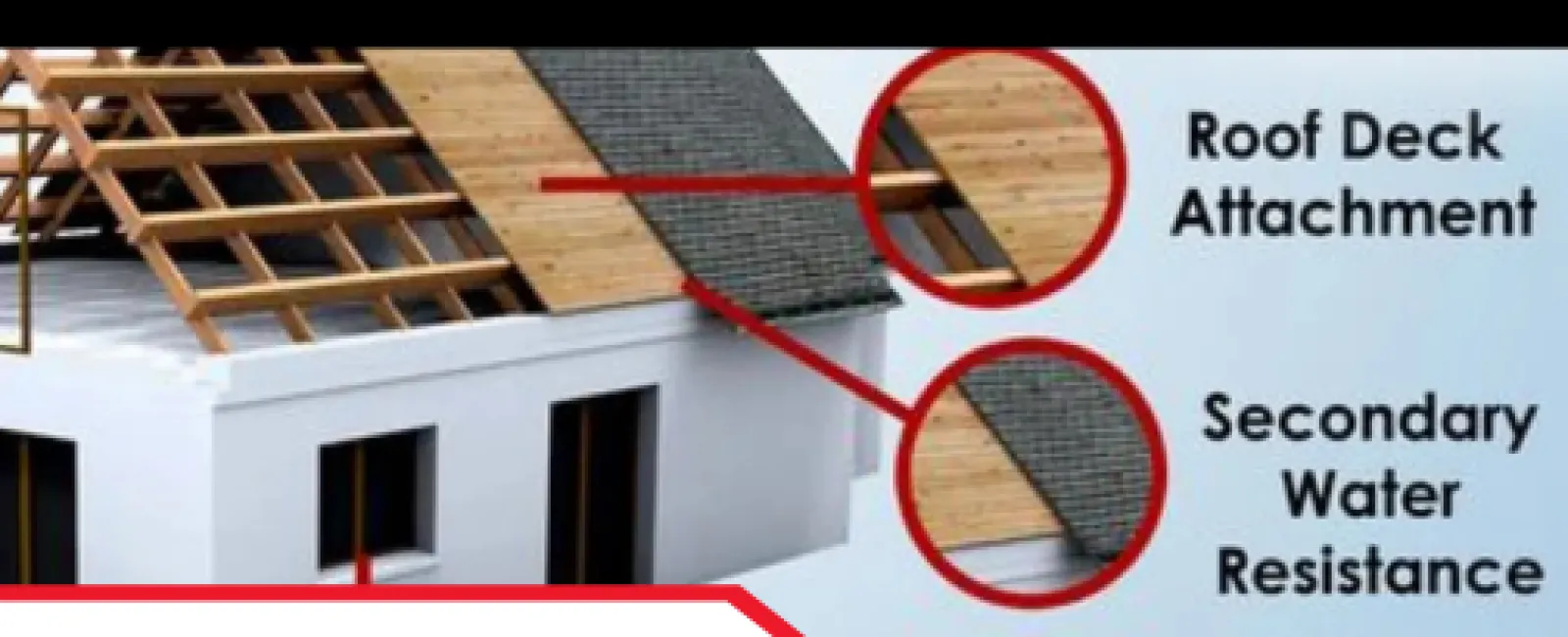
Roof Covering and Deck Attachment
The inspection evaluates:
-
Roof sheathing type
-
Nail size and spacing
-
Truss spacing
These details affect how well the roof performs during high winds.
Secondary Water Resistance
If present, features such as self-adhering underlayment are documented, as they help prevent water intrusion if shingles are damaged.
Opening Protection
Inspectors document:
-
Impact-rated windows
-
Hurricane shutters
-
Hurricane-rated garage doors
Opening protection plays a major role in preventing internal pressurization during storms.
Are Wind Mitigation Inspections Required?
In most cases, wind mitigation inspections are not required by insurance companies. However, they are highly recommended because of the potential cost savings.
For many Florida homeowners, wind mitigation discounts can result in significant annual insurance premium reductions. The inspection itself is often offset quickly by these savings.
Four-Point vs. Wind Mitigation: Key Differences
Although both inspections are insurance-related, their purposes are very different:
-
Four-point inspections are typically required for older homes and determine insurability.
-
Wind mitigation inspections are usually optional and determine eligibility for discounts.
In Florida and across the Southeast, homeowners often need one, the other, or both—depending on the property and the insurance carrier.
Why These Inspections Matter in Florida and the Southeast
Florida's exposure to hurricanes, tropical storms, and high winds makes insurance underwriting more complex than in many other regions. As a result, insurers rely heavily on four-point and wind mitigation inspections to assess and price risk accurately.
In the broader Southeast, aging housing stock and increased storm activity have also led to tighter insurance requirements. These inspections are no longer optional extras—they are often essential parts of the insurance process.
How LunsPro Supports Clients and Realtors
LunsPro works closely with homeowners, buyers, and real estate professionals throughout Florida and the Southeast to ensure these inspections are completed accurately and efficiently. Clear reporting, proper documentation, and proactive communication help prevent delays and reduce frustration during insurance underwriting.
By understanding insurance expectations and regional requirements, LunsPro helps clients avoid unnecessary site revisits, missed deadlines, and coverage surprises.
Four-point and wind mitigation inspections serve very specific and important purposes in today's insurance landscape. While a standard home inspection provides a comprehensive evaluation of a property, insurance companies require targeted information to assess risk and determine pricing.
In Florida, especially for homes 15 years or older, a four-point inspection is often unavoidable. Wind mitigation inspections, while typically optional, offer valuable opportunities for insurance discounts and long-term savings. Understanding the difference between these inspections—and knowing when each is needed—helps homeowners and buyers navigate the process with confidence.
By working with LunsPro, clients throughout Florida and the Southeast benefit from experience, efficiency, and a proactive approach that keeps transactions moving forward. Whether required or optional, four-point and wind mitigation inspections play a critical role in protecting coverage, controlling costs, and ensuring a smoother insurance experience.