For many homebuyers, receiving a home inspection report can be both informative and overwhelming. Inspection reports often contain technical terminology, formal phrasing, and language that may sound alarming at first glance. Words such as "safety hazard," "defect," or "recommend immediate evaluation" can raise concerns, even when the actual issue may be minor or easily corrected. Understanding why this language is used—and how to interpret it correctly—is a critical part of the inspection process.
In Florida and throughout the Southeast, where real estate transactions move quickly and inspection timelines are tight, buyers may not always have the opportunity to fully digest a report before discussions begin. At LunsPro Inspection Group, inspectors emphasize the importance of clear communication alongside thorough reporting. This article explains why inspection reports contain strong or formal language, how legal requirements influence report wording, and why buyer involvement and open communication are essential to avoiding unnecessary panic or confusion.
Why Inspection Reports Use Formal and Cautious Language
Home inspection reports are legal documents. They serve as an official record of the inspector's observations at the time of the inspection and may be referenced long after the transaction is complete. Because of this, inspectors must use language that is precise, defensible, and compliant with industry standards and legal expectations.
In many cases, the wording in an inspection report is intentionally conservative. Inspectors are required to document conditions as they appear on the day of the inspection and to identify potential risks, even if those risks are unlikely to result in immediate failure. This approach protects all parties by ensuring that concerns are clearly disclosed and not minimized in writing.
The Role of Risk Management and Liability
One of the primary reasons inspection reports contain strong language is risk management. Inspectors operate in a regulated environment and must protect themselves and their clients from future disputes or litigation. If an issue is observed and not documented clearly, it can lead to questions about whether the inspector fulfilled their duty.
For example, certain electrical conditions may require firm language due to safety implications, even if the actual repair is simple or inexpensive. The language used reflects the potential risk, not necessarily the severity or cost of the repair. This distinction is not always obvious to buyers reading the report without additional context.
Common Areas Where Language May Sound Alarming
Electrical Systems
Electrical findings are among the most common areas where report language can feel intimidating. Terms such as "safety concern" or "potential shock hazard" are often used to describe conditions that do not meet current safety standards. In many Florida and Southeast homes, especially older properties, electrical systems may include outdated components that are still functioning but no longer considered best practice.
While the language may sound severe, the actual solution may be straightforward. This is why follow-up communication is so important.
Structural and Safety-Related Items
Inspectors are obligated to identify any condition that could affect occupant safety. This includes issues related to stairways, railings, attic access, or structural components. Even minor deviations from accepted safety standards must be documented formally.
Again, the language reflects the obligation to disclose, not an intention to alarm.
Why Strong Language Does Not Always Mean a Major Problem
One of the most common misconceptions among buyers is that strong language in a report automatically indicates a major defect. In reality, inspection language is often standardized to ensure consistency and legal protection.
An item described as a "safety concern" may require attention, but it does not necessarily mean the home is unsafe or unlivable. It simply means the condition should be evaluated or corrected to reduce risk. Understanding this nuance is critical for buyers navigating the inspection process.
The Importance of Communication With the Inspector
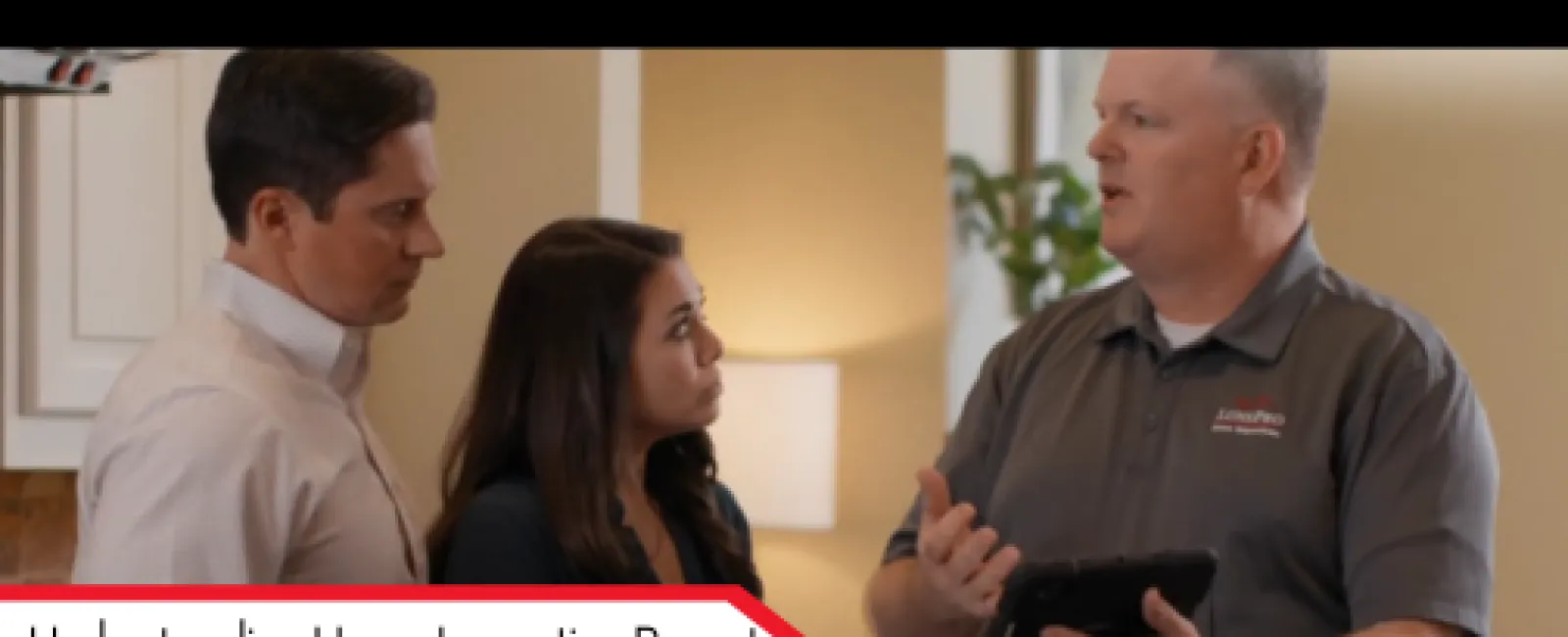
Because inspection reports must meet legal and professional requirements, they cannot always convey tone or context effectively on their own. This is why LunsPro Inspection Group strongly encourages direct communication between inspectors and buyers.
When buyers discuss findings with their inspector, they gain clarity about:
-
The true severity of an issue
-
Whether a condition is common or unusual
-
The likely scope of repair
-
Which items are higher priority versus routine maintenance
This conversation helps "turn down the volume" on language that may otherwise sound alarming when read without explanation.
Buyer Involvement Reduces Panic and Confusion
Buyers who actively participate in the inspection process—either by attending in person or speaking with the inspector afterward—are far less likely to misinterpret report findings. This involvement allows concerns to be addressed immediately rather than escalating into unnecessary anxiety.
In fast-paced Florida and Southeast markets, buyers may feel pressured to make decisions quickly. Direct communication with the inspector helps ensure those decisions are based on understanding rather than fear.
Supporting Realtors and Transaction Coordinators
Clear interpretation of inspection language benefits not only buyers, but also real estate professionals. When buyers misunderstand report findings, questions often ripple through transaction coordinators, realtors, and inspectors, slowing the process.
By encouraging buyer participation and open dialogue, LunsPro helps reduce confusion and keep transactions moving forward. This collaborative approach supports smoother negotiations and fewer last-minute surprises.
Why Legal Language Is Non-Negotiable
It is important for buyers to understand that inspectors cannot simply "soften" report language, even if an issue is minor. Professional standards, insurance requirements, and legal considerations dictate how findings must be documented.
Attempting to downplay or omit concerns in a report can expose inspectors and clients to risk. The formal language ensures transparency and accountability, even if it requires additional explanation afterward.
Regional Considerations in Florida and the Southeast
Homes in Florida and the Southeast often present conditions that are influenced by climate, age, and construction practices. High humidity, storm exposure, and rapid development can all contribute to findings that require careful documentation.
Inspectors familiar with the region understand which conditions are common and which warrant closer attention. Communicating this regional context helps buyers better understand their reports and make informed decisions.
How LunsPro Supports Clear Understanding
LunsPro Inspection Group prioritizes not only accurate reporting, but also education and communication. Inspectors are trained to explain findings clearly and to answer questions in a way that helps buyers understand the real-world implications of report language.
This commitment to clarity reduces unnecessary panic, builds trust, and ensures buyers feel confident rather than overwhelmed.
Home inspection reports are designed to protect buyers by clearly documenting observed conditions and potential risks. The formal and sometimes strong language used in these reports is a necessary part of professional and legal responsibility. While this language can sound intimidating, it does not always indicate a major or costly problem.
In Florida and throughout the Southeast, where real estate transactions often move quickly, understanding inspection language is especially important. LunsPro Inspection Group emphasizes communication and buyer involvement to ensure that reports are not just read, but properly understood.
By staying engaged in the inspection process, asking questions, and speaking directly with the inspector, buyers can avoid unnecessary panic and make informed decisions based on context rather than fear. Ultimately, clear communication transforms the inspection report from a source of concern into a valuable tool for confident homeownership.