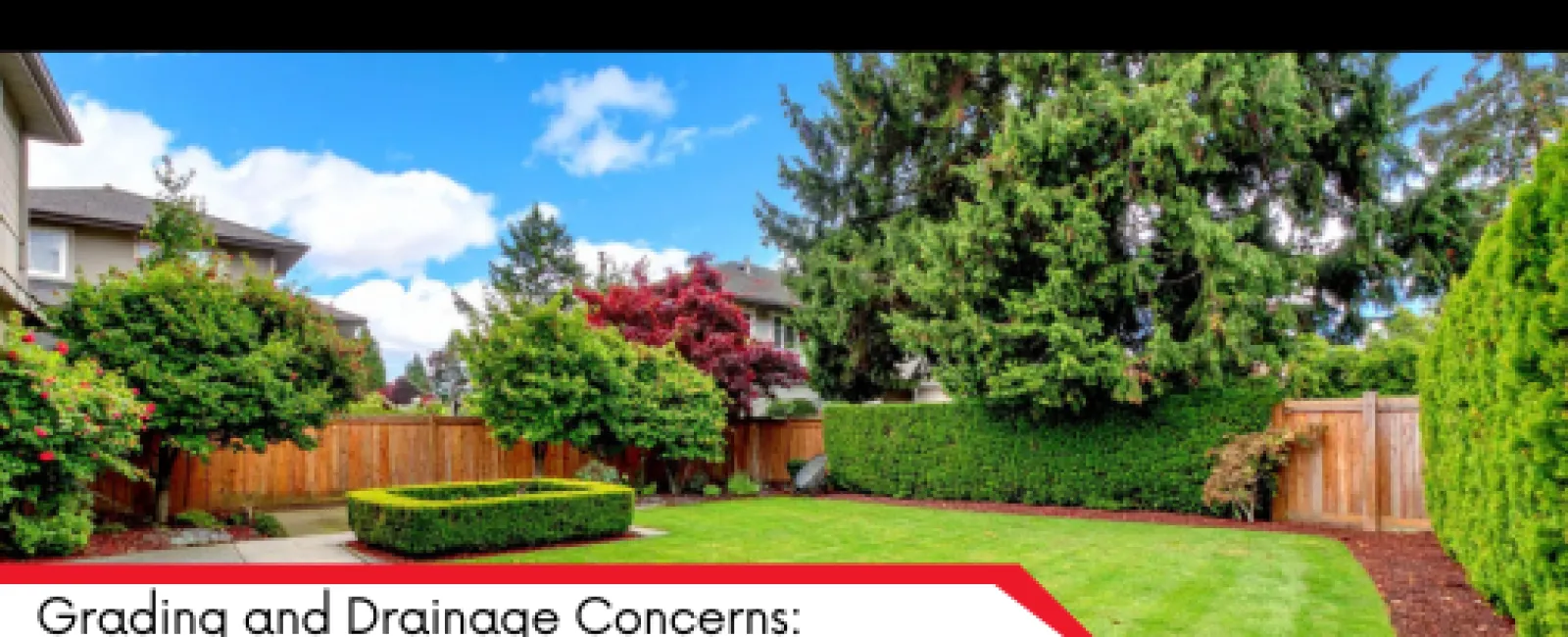
When homeowners think about threats to their property, they often picture severe storms, roof leaks, or foundation cracks. But one of the most common—and most preventable—problems often starts right at ground level: improper grading and poor drainage. When the land around a home doesn't slope correctly or drainage systems are inadequate, water can collect near the foundation. Over time, this leads to standing water, unhealthy landscaping, and potentially serious structural damage.
During a recent inspection, a certified inspector with LunsPro Inspection Group identified grading and drainage conditions that allowed water to flow back toward the home instead of away from it. With no effective drainage system in place, water was consistently pooling near the foundation. While this may seem like a minor issue, it can create major long-term risks if left uncorrected. Identifying concerns like these is a key part of our Residential and Commercial Inspections throughout the Southeast, helping property owners protect their homes from water-related damage.
Why Proper Grading Is So Important
Grading refers to how the soil around a home is shaped and sloped. Ideally, the ground should slope away from the foundation so rainwater naturally drains outward and away from the structure.
When grading is inadequate, homeowners may face:
-
Foundation damage: Persistent moisture weakens concrete and masonry over time
-
Basement or crawlspace leaks: Water can seep through walls and floors
-
Soil erosion: Poor slopes wash away soil, creating unstable ground
-
Pest attraction: Damp areas near foundations invite termites, mosquitoes, and rodents
-
Landscape damage: Standing water prevents healthy grass and plant growth
Across the Southeast, where heavy rainfall and clay-rich soils are common, proper grading is essential to keeping moisture away from the foundation.
The Role of Drainage Systems
Grading works hand-in-hand with drainage. Even well-sloped properties need systems designed to move excess water away from the home, especially during heavy storms.
Common drainage components include:
-
Gutters and downspouts that direct roof runoff away from the foundation
-
French drains that collect and redirect subsurface water
-
Surface drains that manage pooling in yards or paved areas
-
Sump pumps that remove water from crawlspaces and basements
If drainage systems are missing, clogged, or improperly designed, water will inevitably find its way back toward the structure. During inspections, drainage components are evaluated for both placement and performance.
Signs of Grading and Drainage Problems
Many grading issues develop gradually, but there are warning signs homeowners shouldn't ignore.
Common indicators include:
-
Standing water near the home after rain
-
Damp or musty crawlspaces and basements
-
Cracks in foundations or exterior walls
-
Soil erosion around walkways, patios, or driveways
-
Patchy, unhealthy landscaping
-
Persistent moisture odors inside the home
Any of these signs warrant a closer look before damage worsens.
The Cost of Ignoring Water Management Issues
Failing to correct grading and drainage concerns can lead to significant expenses down the road.
Potential consequences include:
-
Costly foundation repairs or stabilization
-
Mold growth that affects both health and indoor air quality
-
Reduced curb appeal and landscaping damage
-
Lower resale value due to unresolved water issues
-
Insurance complications related to moisture intrusion
Addressing grading early is one of the most cost-effective ways to protect a property.
Grading and Drainage in Commercial Properties
Commercial buildings face many of the same risks, often on a larger scale. Parking lots, sidewalks, and landscaped areas can unintentionally funnel water toward buildings if grading is poorly designed.
Common commercial concerns include:
-
Cracking foundation walls from hydrostatic pressure
-
Standing water creating slip hazards
-
Landscaping that directs runoff toward entrances
-
Drainage systems that are undersized or blocked
Professional inspections help property owners and managers identify these risks before they disrupt operations or lead to liability concerns.
How Inspectors Evaluate Grading and Drainage
During an inspection, grading and drainage are evaluated both visually and contextually.
Inspectors typically:
-
Assess soil slope around the foundation
-
Look for erosion, depressions, or pooling water
-
Check gutter and downspout discharge locations
-
Identify drainage systems and evaluate functionality
-
Inspect crawlspaces, basements, and foundations for signs of moisture
This combined exterior and interior approach provides a clear picture of how water interacts with the property.
Preventive Steps Homeowners Can Take
Homeowners can take proactive measures to improve water management:
-
Ensure soil slopes away from the foundation
-
Extend downspouts to discharge water several feet from the home
-
Keep gutters clean and free of debris
-
Install drainage solutions where water consistently collects
-
Re-grade and reseed lawn areas to restore healthy drainage
Pairing these steps with regular professional inspections provides long-term protection.
Why Professional Inspections Matter
At LunsPro Inspection Group, inspectors are trained to spot grading and drainage issues that are easy to overlook but costly to ignore. Detailed reports explain not just what's wrong, but why it matters and how it can be addressed.
Whether you're buying, selling, or maintaining a property, understanding how water moves around your home is essential. Inspections provide the clarity needed to make informed decisions and prevent moisture-related damage.
Proper Grading Is Long-Term Protection
Water is one of the most destructive forces affecting homes and buildings. Without proper grading and drainage, it slowly compromises foundations, encourages mold, and degrades landscaping—often without immediate warning. That's why early evaluation and preventive action are so important.
A professional inspection can help ensure water is directed away from your structure, protecting both safety and long-term property value. Don't wait for drainage issues to become visible damage—address them before they escalate.