
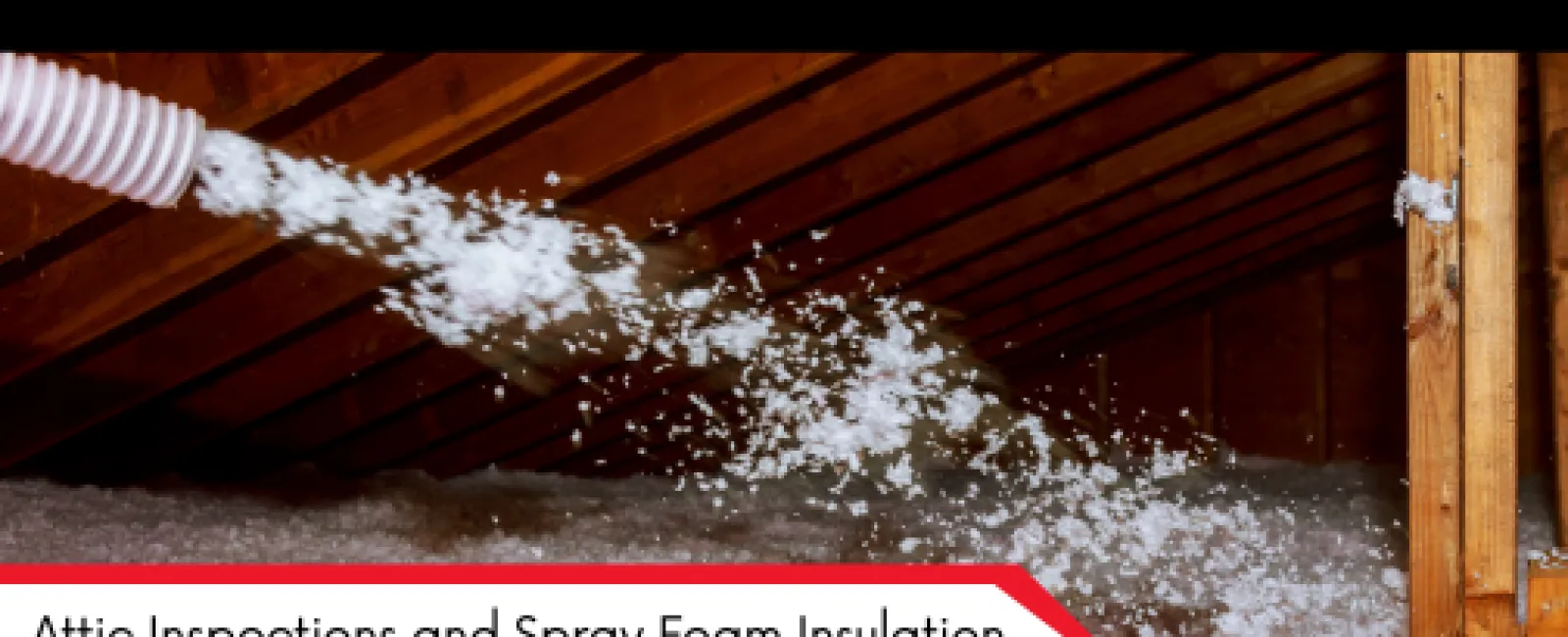
When it comes to improving energy efficiency, many homeowners across the Southeast are choosing spray foam insulation in their attics. Spray foam is known for creating a tight air seal, helping reduce energy costs and maintain consistent indoor comfort throughout the year. However, while spray foam can be highly effective, it must be installed correctly and with safety in mind. Improper application—especially around heating components—can create serious hazards that homeowners may not notice until a problem develops.
During a recent inspection, a certified inspector with LunsPro Inspection Group discovered a furnace flue vent wrapped in insulation as an attempt to separate it from nearby spray foam. While this may have appeared to be a workaround, it was actually a significant safety concern. Furnace flue vents are designed to safely expel hot exhaust gases from the home. When those vents come into contact with combustible materials like insulation, the risk of fire increases dramatically. Identifying hazards like this is a critical part of our Residential and Commercial Inspections, ensuring homes are not only energy-efficient but safe.
Why Furnace Flue Vents Must Remain Clear
Furnace flue vents carry extremely hot combustion gases, including carbon monoxide, out of the home. The vent pipe itself can reach high surface temperatures, which makes clearance from combustible materials essential.
When flue vents touch or are wrapped with insulation, risks include:
-
Fire hazards: Prolonged heat exposure can ignite nearby materials
-
Restricted exhaust flow: Covered vents can cause gases to back up
-
Carbon monoxide exposure: Improper venting can allow dangerous gases into living spaces
-
Reduced furnace performance: Systems may struggle to operate efficiently
Building codes throughout the Southeast require minimum clearances around furnace flues for this reason. Attic inspections carefully evaluate these clearances to ensure safety standards are met.
Spray Foam Insulation and Attic Safety
Spray foam insulation continues to grow in popularity across the Southeast due to its ability to seal air leaks and improve HVAC efficiency. Unlike traditional insulation, spray foam is applied directly to surfaces—sometimes too close to vents, flues, or mechanical components if installers are not careful.
Common risks of improper spray foam installation include:
-
Covering or encroaching on furnace flue vents
-
Blocking required attic or roof ventilation
-
Trapping moisture, leading to mold or wood damage
-
Concealing structural or mechanical issues
During inspections, it's not just the presence of insulation that matters—it's how and where it has been installed.
How Inspectors Identify Attic Hazards
Attics are complex spaces where insulation, ventilation, electrical systems, and HVAC components all intersect. A proper inspection takes a big-picture view of how these systems interact.
Inspectors typically look for:
-
Proper clearance between flue vents and combustible materials
-
Spray foam that blocks ventilation paths or access points
-
Signs of heat damage, discoloration, or improper materials near flues
-
Moisture buildup or mold in sealed attic spaces
-
Safe attic access and visibility of key components
Clear documentation and photos help homeowners understand both safety concerns and recommended next steps.
Attic Safety in Commercial Properties
Attic and insulation hazards aren't limited to single-family homes. Commercial buildings often house HVAC systems above ceilings or in attic-like spaces, where improper insulation placement can pose risks to occupants and operations alike.
In offices, retail spaces, and multi-unit properties, flue clearance and ventilation issues can lead to fire hazards, air quality concerns, and code violations. That's why attic and mechanical evaluations are an important part of commercial inspections throughout the Southeast.
Preventive Steps for Homeowners
Homeowners can reduce attic-related risks by taking a proactive approach:
-
Verify that insulation contractors follow clearance and safety codes
-
Periodically check attic spaces for changes around vents and flues
-
Install and maintain carbon monoxide detectors on every level of the home
-
Schedule professional inspections to confirm both efficiency and safety
With the Southeast's long cooling seasons and humid climate, attic safety plays a major role in comfort, efficiency, and property protection.
Why Professional Inspections Matter
At LunsPro Inspection Group, inspectors are trained to identify subtle but serious issues—such as insulation encroaching on furnace flue vents—that are easy to overlook but dangerous if ignored. Detailed reports, photos, and clear recommendations help property owners address concerns before they escalate.
Our inspections go beyond surface-level observations, focusing on both performance and safety. The goal is to help homeowners and business owners maintain properties that are energy-efficient, code-conscious, and safe for occupants.
Attic Safety Should Never Be an Afterthought
Attics may be out of sight, but they play a direct role in a home's safety. Spray foam insulation can dramatically improve efficiency, but when installed incorrectly around furnace flue vents, it introduces serious fire and carbon monoxide risks. These issues are preventable with proper installation and professional oversight.
If you're upgrading insulation, purchasing a home, or simply want peace of mind, a professional inspection can help ensure your attic is working for you—not against you. Don't assume energy efficiency equals safety. Make sure both are addressed the right way.