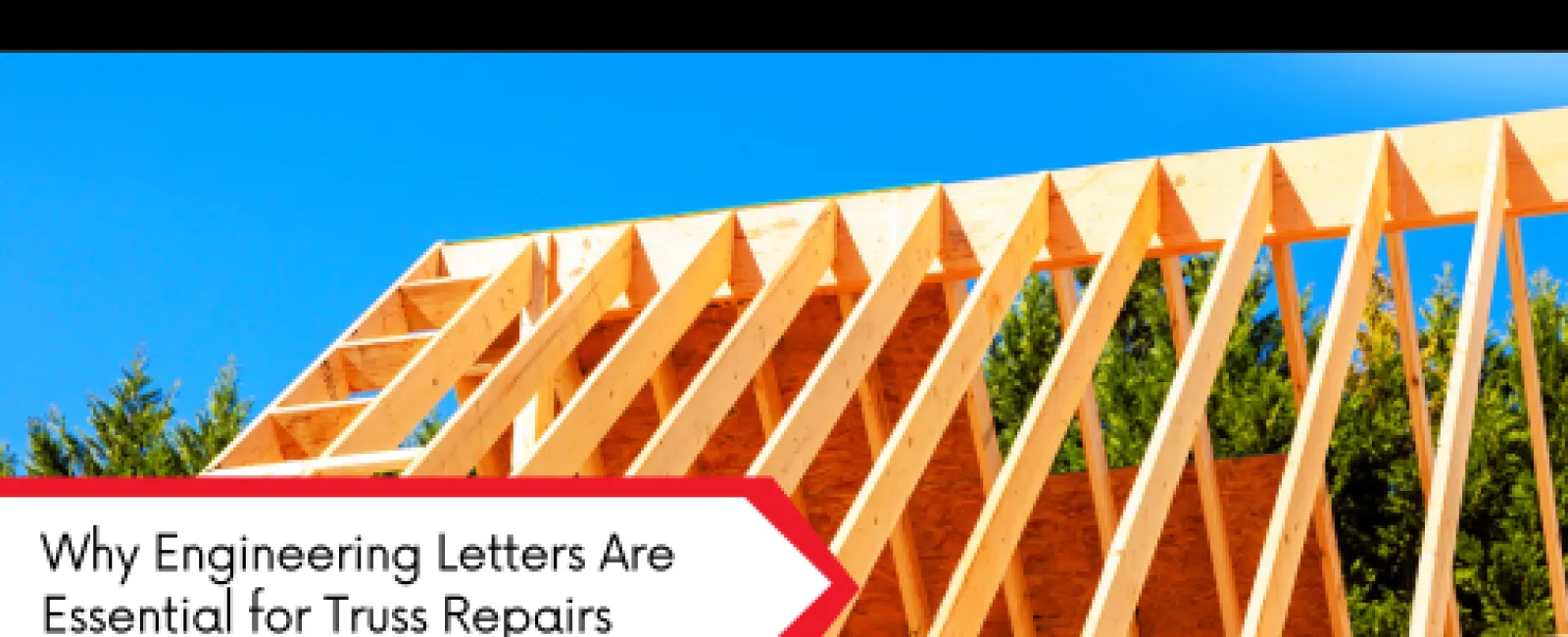
When it comes to property safety, few structural components are as critical—and as often misunderstood—as roof trusses. These engineered systems are specifically designed to distribute weight evenly and maintain the structural integrity of the roof. When a truss is damaged or altered—whether from water intrusion, improper modifications, or installation issues—the safety of the entire home can be compromised. That's when an engineering letter for truss repair becomes essential.
At LunsPro Inspection Group, inspectors routinely encounter situations where damaged or modified roof trusses raise serious concerns for buyers, sellers, and real estate professionals. In these cases, inspectors stress the importance of involving a licensed structural engineer and obtaining proper documentation. An engineering letter isn't just a formality—it's professional verification that the repair meets safety standards and complies with building codes. Understanding why this documentation matters can help prevent delays, renegotiations, or failed transactions.
What Roof Trusses Do and Why They Matter
Roof trusses are pre-engineered assemblies that form the backbone of a home's roof system. Unlike traditional stick framing, trusses are designed with specific load paths and tolerances. They work together as a complete system to support roofing materials and transfer weight safely to the walls and foundation.
Because trusses are engineered components, even small changes can have serious consequences. A single cut member or poorly executed repair can lead to sagging, roof deformation, or long-term structural instability. That's why truss damage is never considered a cosmetic issue—and why DIY repairs are strongly discouraged.
Common Causes of Truss Damage
Truss damage occurs more frequently than many homeowners realize. Some of the most common causes include:
-
Improper alterations: Cutting or modifying trusses to install ductwork, plumbing, or attic access
-
Water damage: Roof leaks that weaken wood members and connectors
-
Pest activity: Wood-destroying insects or rodents damaging structural components
-
Excess loads: Storage, equipment, or finishes added beyond what trusses were designed to support
-
Storm-related impacts: High winds or falling debris causing cracks or displacement
Identifying these issues early during an inspection is key to protecting both the structure and the transaction.
Why Engineering Letters Are Required
When truss damage or alteration is discovered, buyers, lenders, and underwriters often require an engineering letter before moving forward. This document, prepared by a licensed structural engineer, confirms that:
-
The repair was designed correctly
-
The work was completed according to structural standards
-
The truss system can safely carry intended loads
-
The home remains structurally sound
Without this letter, repairs may be considered inadequate—potentially delaying or derailing a sale. More importantly, skipping this step can leave homeowners exposed to liability if problems worsen over time.
The Inspector's Role in Truss Evaluation
Inspectors play a critical role in identifying truss-related concerns. Using experience, training, and inspection tools, they look for signs of cutting, cracking, water damage, displacement, or unapproved reinforcement. Once identified, inspectors clearly document the condition and recommend evaluation by a qualified structural engineer.
This process ensures that issues aren't minimized or overlooked and that repairs are handled the right way—from the start.
How Engineering Letters Protect Everyone Involved
For buyers, an engineering letter offers reassurance that a major structural system is safe and compliant. It reduces the risk of inheriting expensive problems after closing.
For sellers, it prevents last-minute surprises and shows good faith by addressing concerns professionally. Homes with documented repairs often move through the closing process more smoothly.
For real estate professionals, it provides clarity, reduces liability, and helps keep transactions on track.
The Process of Getting an Engineering Letter
While it may sound complex, obtaining an engineering letter typically follows a clear sequence:
-
Truss damage is identified during inspection
-
A licensed structural engineer evaluates the condition
-
A repair plan is created
-
Repairs are completed by qualified professionals
-
The engineer verifies the work and issues documentation
When coordinated efficiently, this process can move quickly and provides long-term protection for all parties.
Why Professional Oversight Is Non-Negotiable
Repairing roof trusses without engineering oversight is risky. Improper repairs can compromise safety, void insurance coverage, fail future inspections, or violate building codes. In many cases, permits are required—and engineering approval is part of that process.
An engineering letter ensures repairs are done correctly, legally, and safely, protecting both the structure and its value.
A Commitment to Clarity and Confidence
At LunsPro Inspection Group, the goal of every inspection is clarity. Discoveries like truss damage can feel overwhelming, but early identification and proper guidance help prevent small issues from becoming major obstacles.
By documenting conditions clearly and guiding clients toward qualified next steps, inspections support safer homes and smoother real estate transactions.
Why Truss Documentation Matters
Roof trusses are foundational to a home's structural performance. Any damage or alteration deserves serious attention. Engineering letters provide the assurance that repairs meet safety, strength, and compliance requirements—offering peace of mind to buyers, sellers, and lenders alike.
Choosing a professional inspection means choosing long-term protection. When it comes to structural integrity, there's no substitute for doing it right the first time.