
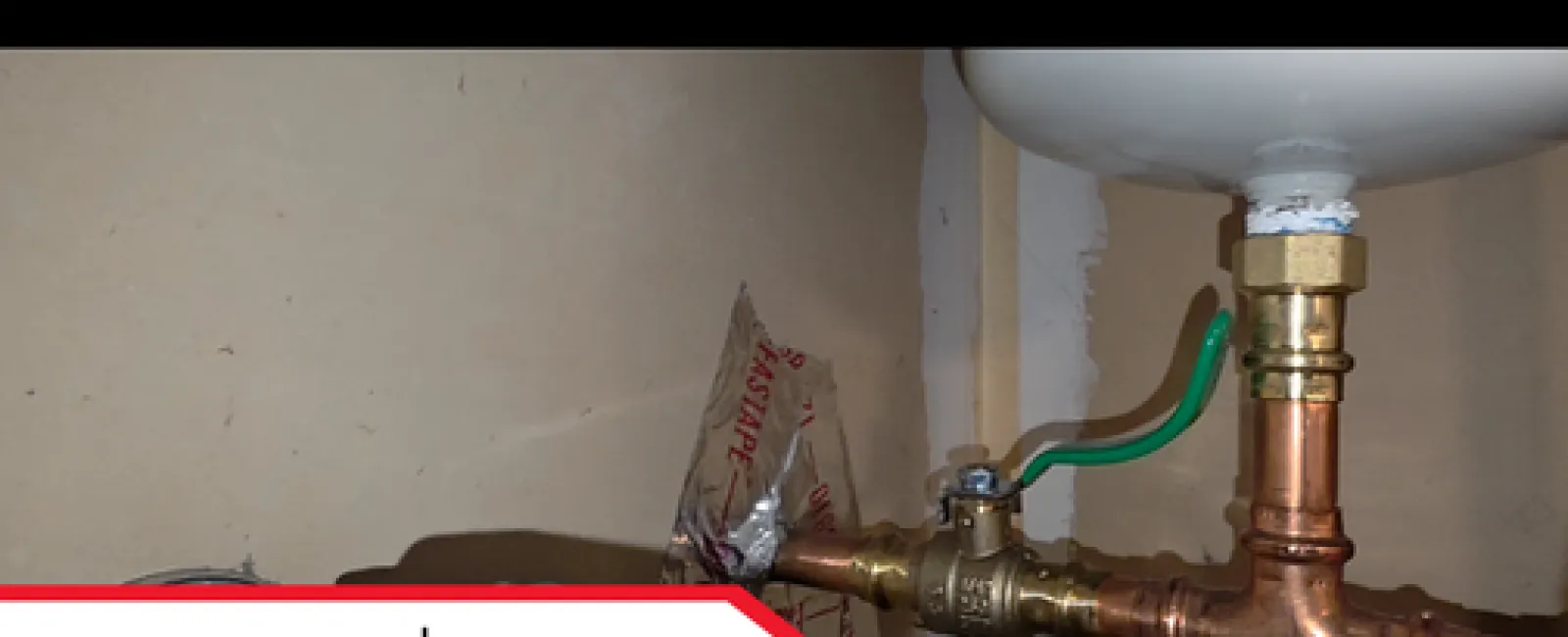
Plumbing components are designed to function under specific installation standards. When those standards are not followed, even if the system remains operational, the deviation can indicate potential long-term reliability concerns. During a recent inspection, Licensed Inspector Devin P. of LunsPro Inspection Group identified a water shut-off valve that had been bent into position. The valve was functional, but it was not installed in the proper configuration.
At first glance, a bent shut-off valve may not seem alarming. Water was flowing, and the fixture could be operated. However, visible alterations to plumbing components often signal installation challenges, space constraints, or workmanship issues that deserve attention. For homeowners across the Southeast, understanding what this type of observation means can help protect both property value and long-term plumbing performance.
Understanding Water Shut-Off Valves
Water shut-off valves serve a critical role in residential plumbing systems. These valves allow homeowners and professionals to stop water flow to specific fixtures or to larger sections of the home when repairs or replacements are needed. They are commonly located near:
-
Water heaters
-
Sinks and toilets
-
Washing machines
-
Main water supply lines
Shut-off valves are engineered to sit in a specific orientation. When installed correctly, they align with supply piping without stress, twisting, or bending. Proper alignment ensures smooth operation and reduces strain on fittings and connections.
When a shut-off appears bent to accommodate placement, it suggests that either the piping alignment was off or the valve was forced into position to fit within limited space.
What It Means When a Valve Is Bent
In the situation observed by Licensed Inspector Devin P., the shut-off was described as functional but not installed as it should be. This distinction is important.
A plumbing component can operate normally in the short term while still being installed improperly. A bent valve may indicate:
-
Misaligned piping
-
Tight installation clearances
-
Improper measurement during installation
-
Excessive force applied during fitting
Over time, stress on plumbing connections can weaken joints or compromise seals. Even small amounts of torque placed on a valve body can contribute to premature wear.
For homeowners in regions such as Atlanta, Charlotte, Greenville, and Charleston, where humidity levels are elevated, even minor plumbing vulnerabilities can escalate. Persistent moisture exposure in enclosed spaces can accelerate deterioration of surrounding materials.
Why Proper Installation Matters
Professional plumbing installations follow manufacturer specifications and industry best practices. These guidelines exist to ensure safety, longevity, and performance.
When a shut-off valve is flat and properly aligned, it distributes water pressure evenly across fittings. When it is bent or forced into place, the system may experience uneven mechanical stress. While this may not result in immediate failure, it increases the likelihood of:
-
Slow leaks
-
Drips at compression fittings
-
Reduced valve lifespan
-
Difficulty operating the valve in an emergency
Emergency accessibility is particularly important. If a homeowner needs to quickly stop water flow due to a leak or water heater issue, the shut-off valve must operate smoothly and predictably.
Water Heater Replacement Scenarios
The commentary referenced a scenario in which a water heater is being replaced. Water heater replacements are common during the lifespan of a home. During such projects, shut-off valves are often disconnected and reconnected.
If space is tight or alignment is not corrected during reinstallation, a plumber may bend piping slightly to make components fit. While this may restore functionality, it does not always meet ideal installation standards.
Homeowners may not notice this detail while sitting in another room. As Devin P. described, you might simply hear a loud sound during work and assume everything is routine. However, visual inspection can reveal whether the finished installation meets proper alignment expectations.
Southeastern Climate and Plumbing Stress
Southeastern homeowners face environmental factors that place added importance on plumbing reliability:
-
High humidity
-
Seasonal storms
-
Temperature fluctuations
-
Expansive clay soils in some regions
Homes in Atlanta and Charlotte may experience occasional freezing temperatures, while coastal areas like Charleston face salt air and elevated moisture levels. These factors can contribute to corrosion, expansion, and contraction within plumbing systems.
An improperly aligned shut-off valve may be more vulnerable under these environmental stresses. Over time, minor weaknesses can become more pronounced.
The Role of Professional Inspections
Southeastern Residential and Commercial Inspections conducted by LunsPro Inspection Group include evaluation of visible plumbing components. Inspectors do not merely verify whether water flows—they assess installation quality and visible irregularities.
Home Inspections in Atlanta, Home Inspections in Charlotte, Home Inspections in Greenville, and Home Inspections in Charleston frequently uncover minor workmanship issues that homeowners may otherwise overlook. Identifying these concerns early allows homeowners to address them proactively.
It is important to note that inspectors report visible conditions at the time of inspection. A bent shut-off valve does not automatically indicate imminent failure. However, documenting the condition provides clarity and encourages informed decision-making.
Functional vs. Proper
One of the most important distinctions homeowners should understand is the difference between "functional" and "properly installed."
Functional means the system works at the moment.
Properly installed means it conforms to accepted standards and is positioned for long-term reliability.
A bent shut-off valve may meet the first definition but not the second. Professional inspections highlight this difference so that homeowners can evaluate potential corrective measures.
Why These Details Matter in Real Estate Transactions
In competitive Southeastern markets, small inspection findings can influence negotiations. Buyers reviewing inspection reports for homes in Greenville or Charleston often look closely at plumbing conditions.
While a bent valve may not be a major defect, it can prompt questions about overall workmanship quality. Addressing small concerns before listing a home can reduce friction during contract negotiations.
For sellers, correcting minor installation irregularities may demonstrate proactive maintenance. For buyers, understanding these observations ensures transparency.
Preventative Maintenance for Homeowners
Homeowners can take several steps to monitor shut-off valves and plumbing alignment:
-
Periodically inspect visible valves for unusual bending or stress.
-
Ensure valves turn smoothly without resistance.
-
Check for moisture around fittings.
-
After major plumbing work, visually confirm proper alignment.
If a valve appears forced or misaligned, consulting a qualified plumbing professional can provide clarity.
Supporting Long-Term Property Performance
LunsPro Inspection Group emphasizes structured, consistent evaluation methods during Southeastern Residential and Commercial Inspections. Plumbing systems are a core component of any property's infrastructure. Even small deviations in installation can influence long-term durability.
Home Inspections in Atlanta, Home Inspections in Charlotte, Home Inspections in Greenville, and Home Inspections in Charleston routinely identify minor installation inconsistencies. While not every irregularity requires immediate correction, awareness empowers homeowners to prioritize maintenance effectively.
Professional inspections are not designed to alarm homeowners but to inform them. Observations like a bent shut-off valve provide objective insight into installation quality.
A properly installed plumbing system should not rely on forced alignment or improvised positioning. While functionality is important, correct installation supports longevity and reduces mechanical stress. The difference may seem subtle, but over time it can influence performance.
Licensed Inspector Devin P.'s observation reinforces the value of careful visual evaluation. What appears minor at first glance can reveal underlying workmanship concerns. For Southeastern homeowners, especially in high-moisture environments, attention to these details supports long-term property protection.
Choosing experienced inspectors ensures that both major defects and subtle installation irregularities are documented clearly. Through comprehensive inspections, homeowners gain the knowledge needed to make informed maintenance and purchasing decisions.