When evaluating a home, many of the most serious issues are not visible to the naked eye. Moisture intrusion, overheating electrical components, and hidden building envelope failures often develop behind walls, ceilings, and finishes long before physical signs appear. In Florida and throughout the Southeast, where humidity, heavy rainfall, and storm activity are constant factors, these hidden conditions can escalate quickly into costly repairs. For this reason, infrared technology has become an essential tool in modern home inspections.
At LunsPro, infrared scanning is not treated as an optional add-on or specialty service—it is a core component of every inspection. By integrating infrared technology into each evaluation, LunsPro provides clients with a more complete, data-driven understanding of a property's condition. In addition to the standard infrared applications included with every inspection, LunsPro also offers a full infrared scan option for clients who want a deeper analysis of moisture and thermal anomalies throughout the home. This approach reflects the realities of Florida construction, climate exposure, and long-term risk management.
What Infrared Technology Does in a Home Inspection
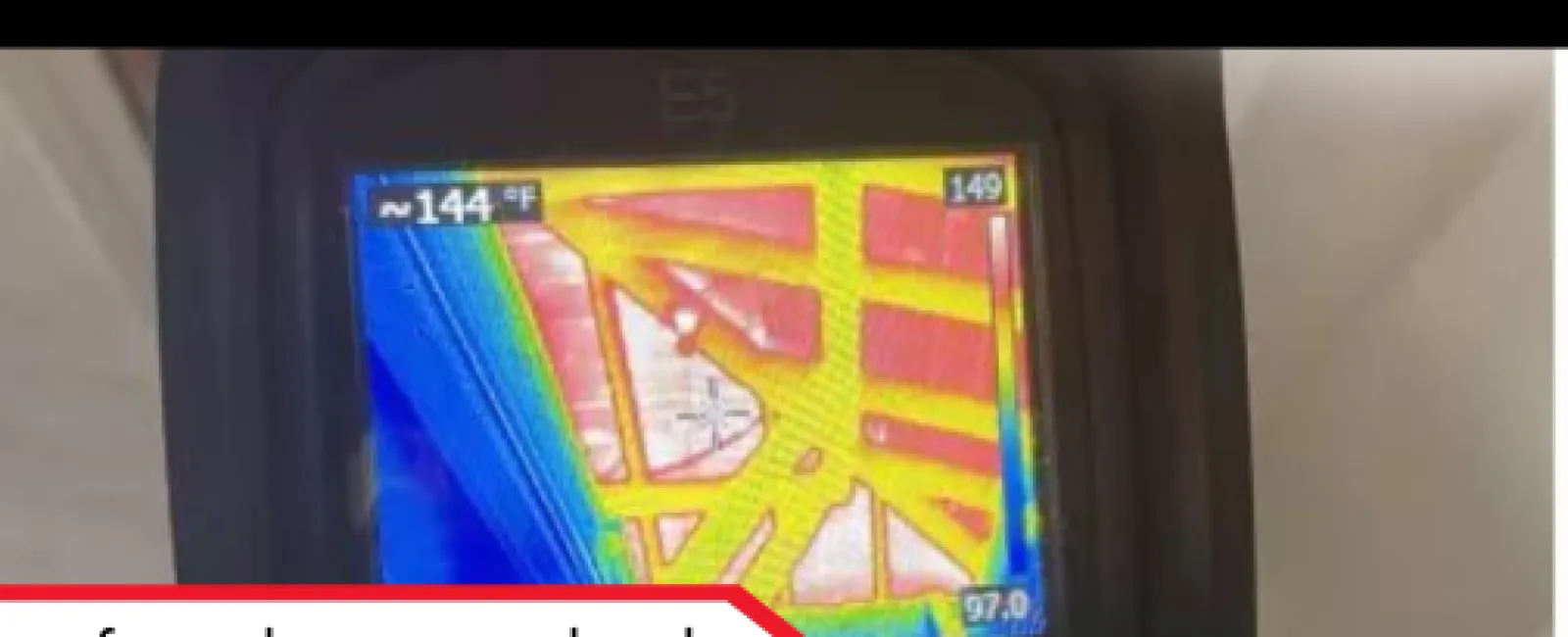
Infrared cameras do not "see through walls," but they detect differences in surface temperature. These temperature variations—known as thermal anomalies—can indicate underlying conditions such as moisture intrusion, missing insulation, air leaks, or overheating electrical components. In Florida's climate, moisture detection is one of the most valuable uses of infrared scanning, as water intrusion often begins invisibly and spreads before stains or damage become apparent.
Water typically appears cooler than surrounding materials, especially when it is actively present or evaporating. On an infrared image, this often shows as blue or dark areas contrasted against warmer surroundings. When interpreted by a trained inspector, these thermal patterns can guide further investigation and help confirm whether a condition represents an active issue or a historical event that has already been resolved.
Infrared Scans Included in Every LunsPro Inspection
A significant differentiator for LunsPro is that infrared scanning is included in every inspection as part of the standard service. This baseline infrared use focuses on areas where thermal imaging provides immediate safety and performance value.
One of the primary applications is scanning electrical panels. Electrical components that are overheating can present serious fire hazards, particularly in older homes or properties with unpermitted modifications. Infrared allows inspectors to identify abnormal heat signatures that may indicate loose connections, overloaded circuits, or failing components—issues that may not be detectable through visual inspection alone.
Infrared is also used selectively to evaluate areas where there is visible staining, suspected moisture intrusion, or reported water damage. In these cases, thermal imaging helps determine whether a leak is active or inactive and whether moisture is spreading beyond what can be seen on the surface. This targeted use enhances accuracy and reduces guesswork, allowing inspectors to make more informed recommendations.
The Full Infrared Scan Option Explained
In addition to the standard infrared applications included with every inspection, LunsPro offers a full infrared scan for clients seeking a more comprehensive evaluation. A full infrared scan involves systematically scanning all accessible exterior walls and other key areas of the home, regardless of whether there are visible signs of a problem.
This proactive approach is especially valuable because many moisture-related issues show no outward symptoms until damage has progressed significantly. By scanning all exterior walls, inspectors can identify concealed moisture intrusion early—often before it causes staining, drywall deterioration, or mold growth.
Unlike targeted infrared use, which is reactive to visible indicators, a full infrared scan is preventive in nature. It is designed to uncover issues that homeowners, buyers, and even experienced inspectors might otherwise miss.
Why Full Infrared Scans Matter in Florida Homes
Florida homes face environmental stresses that make full infrared scanning particularly valuable. Wind-driven rain, tropical storms, roof penetrations, window flashing failures, and building envelope deficiencies all increase the likelihood of hidden moisture intrusion. Even high-end homes with premium finishes are not immune.
Infrared technology allows inspectors to detect temperature differentials that signal moisture accumulation behind walls or ceilings—often in areas where there is no visual evidence of a problem. These findings can prompt further evaluation, such as moisture meter readings or targeted exterior inspections, before damage becomes extensive.
In the Southeast, where moisture issues can quickly lead to mold growth or structural deterioration, early detection is critical. A full infrared scan provides a broader safety net, especially for buyers who want to minimize unexpected post-purchase repairs.
Infrared and Previously Disclosed Leaks or Flooding
One of the most practical uses of a full infrared scan is in homes with a history of leaks or flooding, whether disclosed by the seller or documented in prior repair records. Even when repairs have been completed, it can be difficult to confirm that all moisture has been fully resolved without thermal imaging.
Infrared scanning helps verify whether moisture remains trapped behind walls or ceilings, even if cosmetic repairs have concealed the original damage. This is particularly important in Florida, where drying conditions are often slower due to high ambient humidity.
For buyers, this added layer of verification can provide confidence that past issues have truly been addressed. For sellers, it can help identify lingering concerns before listing, reducing the risk of surprises during buyer inspections.
Interpreting Infrared Findings Responsibly
It is important to understand that infrared cameras do not diagnose problems on their own. They identify temperature anomalies that must be interpreted by trained professionals within the context of the home's construction, climate conditions, and other inspection findings.
At LunsPro, infrared imaging is used as a diagnostic aid, not a standalone conclusion. When a thermal anomaly is identified, inspectors investigate further to determine the likely cause. This may involve correlating infrared images with visual observations, moisture readings, or exterior conditions such as flashing, roof penetrations, or drainage patterns.
This disciplined approach ensures that infrared findings are accurate, meaningful, and useful—not speculative or misleading.
Infrared Scanning as a Risk Management Tool
From a broader perspective, infrared scanning serves as a powerful risk management tool for homeowners and buyers in Florida and throughout the Southeast. The cost of repairing hidden moisture damage often far exceeds the cost of identifying it early. Issues such as rotted framing, compromised insulation, or microbial growth typically develop slowly and silently until they require invasive and expensive remediation.
By incorporating infrared scanning into inspections—and offering full infrared scans when appropriate—LunsPro helps clients make decisions based on information rather than assumptions. This is particularly important in competitive real estate markets, where buyers may feel pressure to move quickly and waive contingencies.
The Value of Infrared Inspections in the Southeast
Infrared technology has fundamentally improved the accuracy and depth of home inspections, especially in moisture-prone regions like Florida and the broader Southeast. By revealing hidden conditions that traditional inspections cannot detect, infrared scanning helps protect buyers, homeowners, and investors from unexpected repair costs and long-term structural concerns.
LunsPro's commitment to using infrared scans on every inspection reflects a forward-thinking, professional approach to property evaluation. The availability of a full infrared scan option further enhances this service, offering clients a comprehensive assessment of exterior walls and other critical areas—even when no visible problems exist.
In an environment where moisture intrusion is one of the most common and costly threats to residential properties, infrared scanning is not simply an added feature—it is a critical safeguard. Through consistent use of this technology, LunsPro continues to deliver thorough, reliable inspections that meet the demands of Florida's climate and the expectations of clients throughout the Southeast.