
A professional home inspection is one of the most important steps in the real estate process, yet it is also one of the most misunderstood. Buyers often assume an inspection is a guarantee against future problems, while sellers and agents may expect inspectors to uncover every possible defect regardless of access or conditions. In reality, a home inspection is a structured evaluation based on observable conditions at a specific moment in time. Understanding this distinction is essential for setting realistic expectations and avoiding confusion after the inspection is complete.
At LunsPro, serving clients throughout Florida and the Southeast, a strong emphasis is placed on education and transparency. Inspectors take care to explain what an inspection does—and does not—cover so that clients, real estate professionals, and homeowners all share the same understanding. When expectations are aligned, the inspection becomes a powerful decision-making tool rather than a source of frustration. This article explains the practical limitations of home inspections and why recognizing them is critical to a smooth transaction.
A Home Inspection Reflects the Condition of the Home That Day
One of the most important principles to understand is that a home inspection reflects the condition of the home on the day of the inspection. Inspectors evaluate systems and components as they exist at that specific point in time. Weather conditions, occupancy status, and system operation all influence what can be observed.
For example, if it is raining during the inspection, certain moisture-related conditions may be more apparent. Conversely, if it has been dry for an extended period, leaks that only occur during heavy rainfall may not be detectable. Inspectors cannot predict future weather events or how a home will respond to them. They can only report on evidence that is visible or measurable during the inspection.
This reality is particularly relevant in Florida, where weather patterns can change rapidly and seasonal conditions vary significantly. A roof, drainage system, or exterior wall may perform differently during a tropical storm than it does on a clear day. A professional inspection provides a snapshot—not a forecast—of the home's condition.
Inspections Are Not Predictive by Nature
Home inspections are observational, not predictive. Inspectors are trained to identify existing defects, safety concerns, and signs of potential issues, but they cannot guarantee future performance. Systems that are functioning properly at the time of inspection may fail later due to normal wear, environmental factors, or changes in usage.
This limitation applies across all major systems, including roofing, plumbing, electrical, HVAC, and appliances. Even with advanced tools such as infrared imaging, inspectors cannot determine when or if a component will fail in the future. Infrared technology can identify temperature differentials and moisture anomalies, but it cannot detect problems that are dormant or have not yet developed.
LunsPro emphasizes this distinction to clients throughout the Southeast to ensure clarity. An inspection is a risk assessment based on current conditions, not an insurance policy against future repairs.
Access Limitations and Their Impact on Inspection Scope
Another critical aspect of setting expectations involves accessibility. Inspectors are limited to evaluating areas and components that are readily accessible at the time of inspection. Furniture, stored items, locked doors, and personal belongings can all restrict access.
Inspectors are not permitted to move heavy furniture, personal property, or stored items. This includes bookcases blocking electrical outlets, packed closets restricting attic access, or window sills filled with décor that prevents proper operation checks. While inspectors may move small, lightweight items within reason, they are not allowed to rearrange a home.
In some cases, such as accessing an attic through a closet, inspectors may ask a real estate agent or homeowner to move items if they are present and willing. However, if access cannot be safely or reasonably obtained, those areas must be excluded from the inspection and documented as such in the report.
Why Inspectors Cannot See Behind Walls
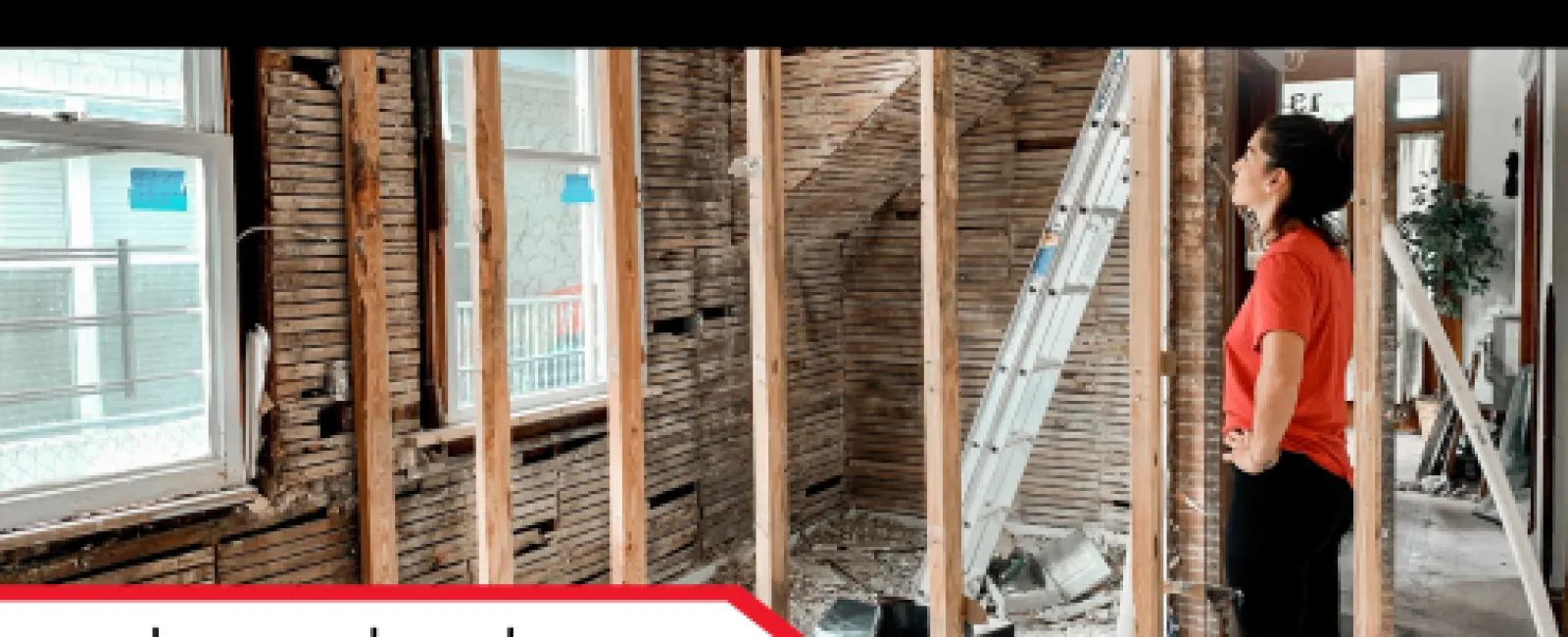
A common misconception is that inspectors can determine the condition of everything inside a home, including what lies behind walls and ceilings. In reality, home inspections are non-invasive. Inspectors do not cut into walls, remove finishes, or dismantle building components.
While infrared imaging can help identify temperature variations that suggest moisture or insulation issues, it does not provide direct visibility behind walls. If there is no active leak, no moisture accumulation, or no thermal anomaly at the time of inspection, the issue may not be detectable.
This is especially important in Florida homes, where moisture intrusion may occur intermittently due to wind-driven rain or seasonal storms. If conditions are dry and there is no evidence of water intrusion, inspectors cannot confirm or deny the possibility of future leaks.
The Role of Furniture and Occupancy
Occupied homes present unique challenges during inspections. Furniture placement, stored belongings, and daily-use items can block access to outlets, windows, baseboards, and structural components. Inspectors must work within these constraints while maintaining professionalism and respecting personal property.
Closets are a common example. If a closet is packed floor to ceiling, it may not be possible to access an attic hatch or inspect wall surfaces. Similarly, large furniture placed directly against walls can obscure signs of moisture intrusion or structural movement.
LunsPro documents these limitations clearly in inspection reports so clients understand what was and was not inspected. This transparency is essential for managing expectations and identifying areas that may require follow-up once access is available.
Weather Conditions and Their Influence on Findings
Weather plays a significant role in what can be observed during a home inspection. Rain, wind, temperature, and humidity all affect system performance and visible conditions. Inspectors cannot control the weather, nor can they recreate specific environmental conditions.
For example, air conditioning systems may not be testable below certain outdoor temperatures, and irrigation systems may be turned off during drought conditions. Roof leaks that only occur during heavy storms may not be apparent during dry weather.
In the Southeast, where climate conditions can vary dramatically, these factors are particularly important. LunsPro inspectors account for weather-related limitations and note them in reports to ensure full disclosure.
Why Setting Expectations Benefits Everyone
Clear expectations protect all parties involved in a real estate transaction. When clients understand the scope and limitations of an inspection, they are better equipped to interpret the findings accurately. This reduces misunderstandings, disputes, and unrealistic assumptions.
For real estate agents, setting proper expectations helps maintain trust and professionalism. For inspection companies like LunsPro, it ensures that services are evaluated fairly and within their intended purpose.
Most importantly, it empowers buyers and homeowners to make informed decisions based on reliable information, rather than assumptions about what an inspection should uncover.
A Realistic View of Home Inspections
A professional home inspection is an invaluable tool, but it is not without limits. It represents the condition of the home on the day of the inspection, based on what is visible, accessible, and testable at that time. It cannot predict future failures, uncover concealed defects without evidence, or evaluate areas that are blocked or inaccessible.
In Florida and throughout the Southeast, understanding these limitations is especially important due to climate-related factors, occupancy conditions, and construction practices. By clearly communicating what an inspection does and does not include, LunsPro helps clients approach the process with confidence and clarity.
When expectations are properly set, a home inspection becomes what it is intended to be: a professional, objective assessment that supports informed decision-making. By recognizing the realities of access, weather, and non-invasive evaluation, buyers, sellers, and agents can avoid unnecessary confusion and ensure a smoother, more transparent real estate experience.