
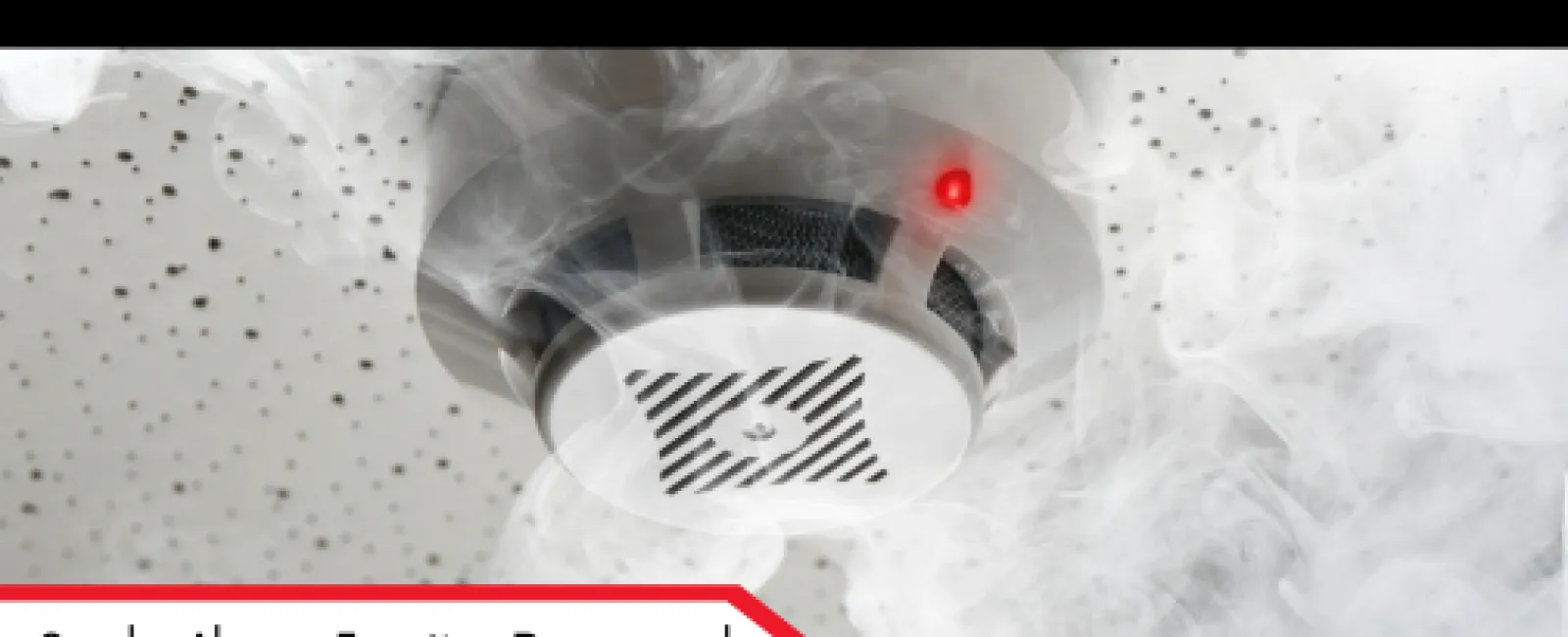
Home safety is built on details that many homeowners never see—or think to question. Electrical systems, smoke alarms, and concealed wiring are designed to work quietly in the background, protecting occupants without drawing attention to themselves. However, when these systems are improperly installed or modified, even something as simple as a smoke alarm can become a potential safety concern. Understanding how these components should be installed and why proper placement matters is essential for homeowners throughout the Southeast, where a mix of newer construction, aging homes, humidity, and evolving building standards can create unique challenges.
At LunsPro Inspection Group, residential and commercial inspections regularly reveal design and installation details that homeowners were never made aware of during purchase or construction. One recurring issue involves smoke alarms connected to electrical junction boxes that are improperly located outside the drywall instead of being concealed within it. While this may seem like a minor design oversight, it raises important questions about electrical safety, fire protection, and building best practices. This article explains why junction box placement matters, how smoke alarms should be installed, and what Southeastern homeowners can do to ensure their homes are safe, compliant, and well-maintained.
Understanding Smoke Alarms and Their Role in Home Safety
Smoke alarms are among the most critical life-safety devices in any home. Their primary purpose is early detection of smoke and fire, providing occupants with the warning needed to evacuate or respond before conditions become life-threatening. In Southeastern states, where residential construction often includes a combination of hardwired smoke alarms and battery backups, proper installation is essential to ensure reliable performance.
Modern building standards typically require smoke alarms to be hardwired into the home's electrical system, often with battery backup to ensure operation during power outages. These alarms are commonly interconnected, meaning when one alarm activates, others throughout the home will also sound. This design greatly improves occupant awareness, especially in larger homes or multi-story structures common in many Southeastern neighborhoods.
However, the effectiveness of smoke alarms depends not only on their presence but also on how they are installed. Improper wiring methods, exposed electrical components, or incorrectly placed junction boxes can compromise both safety and reliability. Homeowners may assume that if an alarm is present and functioning, it is installed correctly—but inspections often reveal otherwise.
What Is a Junction Box and Why Placement Matters
A junction box is an enclosure designed to house electrical connections safely. It protects wiring splices from physical damage, reduces the risk of electrical shock, and contains sparks or heat that may occur during a fault condition. Junction boxes are a fundamental component of electrical safety, and their placement is governed by well-established standards.
In residential construction, junction boxes are intended to be installed inside walls, ceilings, or other approved cavities, with an accessible cover plate when required. They should never be left exposed outside the drywall in finished living spaces unless specifically designed and permitted for that purpose. When a junction box is mounted outside the drywall without proper enclosure or protection, it can create several issues:
-
Increased risk of accidental contact with live wiring
-
Reduced fire resistance of the wall or ceiling assembly
-
Potential violation of building and electrical standards
-
Increased likelihood of damage during normal household activities
When a smoke alarm is connected to a junction box that is improperly mounted outside the drywall, it raises concerns about both electrical safety and installation quality. Even if the smoke alarm itself functions, the underlying wiring method may not meet accepted safety practices.
Common Causes of Improper Junction Box Installation
Improper junction box placement is not always the result of negligence. In many cases, it occurs due to shortcuts during construction, remodeling, or repair work. Southeastern homeowners often encounter these issues in homes built during periods of rapid development, where speed and cost control sometimes took precedence over long-term quality.
Some common reasons junction boxes end up outside the drywall include:
-
Last-minute design changes that were not properly integrated
-
Retrofit installations where walls were not opened correctly
-
Inexperienced or unlicensed electrical work
-
Inadequate inspection oversight during construction
Homes built in the early to mid-2000s, a period of significant growth across the Southeast, frequently exhibit these types of issues. While they may not always pose an immediate danger, they should be evaluated and corrected to reduce long-term risk.
Electrical Safety Concerns for Southeastern Homes
The Southeastern United States presents unique environmental factors that can exacerbate electrical safety issues. High humidity, seasonal storms, and temperature fluctuations can all affect wiring, connections, and electrical enclosures over time. Exposed or improperly installed junction boxes are particularly vulnerable in these conditions.
Moisture intrusion can accelerate corrosion of electrical components, increasing resistance and heat buildup. This is especially concerning near smoke alarms, which are intended to provide early warning of fire hazards. If the electrical connection supplying a smoke alarm is compromised, the alarm may fail when it is needed most.
Additionally, many Southeastern homes include attic-mounted or ceiling-mounted smoke alarms, where heat and humidity levels can be higher than in living spaces. Properly enclosed junction boxes help protect wiring from environmental stress, while exposed installations may degrade more quickly.
How Home Inspections Identify These Issues
A professional home inspection plays a critical role in identifying improper smoke alarm and junction box installations. During an inspection, trained inspectors from LunsPro Inspection Group evaluate visible electrical components, smoke alarm placement, and accessible wiring to identify conditions that may warrant further evaluation or correction.
Inspectors do not simply verify that smoke alarms are present; they assess how they are installed and whether visible components follow accepted safety practices. When a junction box is found mounted outside the drywall, it is documented as a safety concern, along with recommendations for correction by a qualified electrician.
For Southeastern homeowners, a thorough home inspection provides valuable insight into construction quality and helps prioritize repairs that impact safety. Even in newer homes, inspections can reveal installation details that were overlooked or improperly executed.
Why These Issues Matter Even in Newer Homes
Many homeowners assume that newer construction automatically meets all safety standards. While building codes have improved over time, compliance is not always perfect. In fast-growing Southeastern markets, homes built during construction booms may exhibit inconsistencies in workmanship.
Smoke alarm wiring issues and exposed junction boxes are examples of problems that may pass unnoticed for years. Because they are often hidden behind fixtures or located on ceilings, homeowners rarely inspect them closely. However, these details matter because they affect how systems perform during emergencies.
Correcting these issues early can prevent more serious problems later, including electrical faults, nuisance alarms, or system failures. Addressing them also supports long-term home value and reduces complications during resale, when buyers may request repairs following an inspection.
Best Practices for Smoke Alarm and Electrical Installations
To maintain a safe home environment, Southeastern homeowners should be aware of best practices related to smoke alarms and electrical installations:
-
Smoke alarms should be securely mounted and properly wired
-
Junction boxes should be fully enclosed within walls or ceilings
-
Electrical connections should be protected from physical damage
-
All work should be performed by qualified professionals
Routine testing of smoke alarms is also essential, but testing alone does not reveal hidden wiring issues. Periodic home inspections provide a more comprehensive assessment of electrical safety and installation quality.
The Role of Professional Evaluation and Maintenance
When an inspection identifies an exposed junction box or improper smoke alarm connection, the recommended course of action is evaluation by a licensed electrician. Corrections typically involve relocating the junction box inside the wall or ceiling cavity and ensuring that all wiring is properly enclosed and secured.
Homeowners should avoid DIY electrical repairs unless they are properly trained, as improper corrections can create additional hazards. Professional evaluation ensures that repairs meet current standards and provide long-term safety.
LunsPro Inspection Group emphasizes education alongside inspection findings. By understanding why these issues matter, homeowners are better equipped to make informed decisions about maintenance, repairs, and upgrades.
Electrical safety is not defined solely by whether systems appear to function on the surface. Details such as junction box placement and smoke alarm wiring play a crucial role in protecting homes and occupants from fire and electrical hazards. In Southeastern homes, where environmental factors and diverse construction timelines intersect, these details deserve careful attention.
Improperly installed junction boxes connected to smoke alarms are more than cosmetic concerns. They represent a breakdown in established safety practices that are designed to reduce risk and improve system reliability. Identifying and correcting these issues helps ensure that smoke alarms perform as intended when they are needed most.
For homeowners across the Southeast, a professional home inspection provides clarity and peace of mind. LunsPro Inspection Group remains committed to delivering thorough, informative inspections that highlight safety concerns and empower homeowners with knowledge. By addressing electrical details proactively, homeowners can protect their families, preserve their investment, and maintain confidence in the safety of their homes for years to come.