Many homeowners focus on what they can see during a home inspection—roofing, siding, HVAC systems, and interior finishes. However, some of the most expensive and disruptive issues can be hidden entirely underground. Sewer lines, whether connected to a municipal system or a private septic tank, are often overlooked despite their critical role in a home's overall functionality. Sewer Scope inspections provide valuable insight into the condition of these buried lines, helping homeowners identify potential problems before they become costly emergencies.
In the Southeastern United States, environmental conditions such as mature landscaping, dense clay soils, and decades-old infrastructure can place added stress on sewer systems. Licensed Inspector Matt F. of LunsPro Inspection Group regularly emphasizes the importance of Sewer Scope inspections across a wide range of property types and ages. From new construction homes to century-old properties, sewer lines can develop serious issues that are impossible to identify without specialized inspection equipment.
What Is a Sewer Scope Inspection?
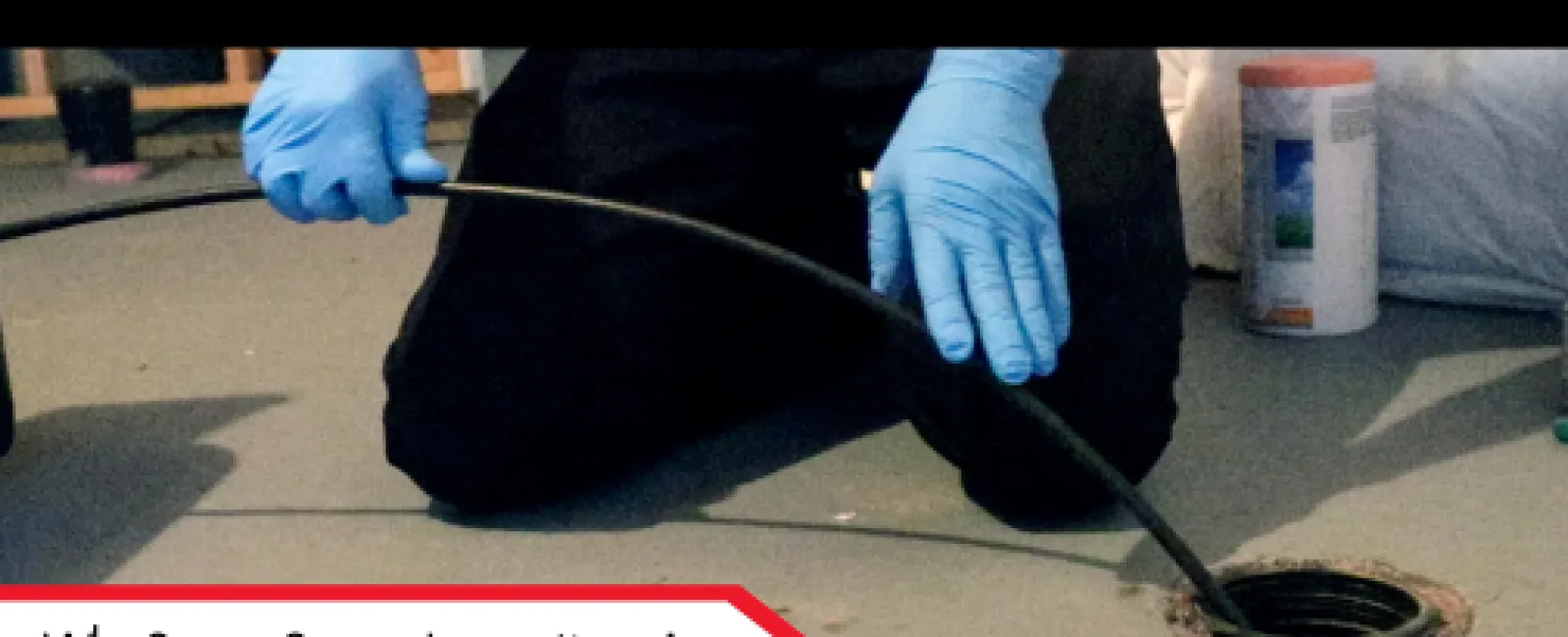
A Sewer Scope inspection involves inserting a specialized camera into the home's sewer line to visually assess its condition. The camera travels through the pipe, allowing a licensed inspector to identify defects such as blockages, damaged pipe sections, or intrusions that could compromise proper wastewater flow. This type of inspection provides real-time visual evidence of the sewer line's condition and helps homeowners understand potential risks.
Unlike standard home inspections, Sewer Scope inspections focus exclusively on the underground piping that connects the home to either a municipal sewer system or a private septic tank. Because these components are buried, issues often go unnoticed until a backup or failure occurs. Sewer Scope inspections offer a proactive approach, allowing problems to be identified early, when repairs may be less extensive.
Why Sewer Scope Inspections Are Recommended for Homes of All Ages
There is a common misconception that only very old homes require Sewer Scope inspections. In reality, Licensed Inspector Matt F. recommends these inspections for new construction, homes that are 20 years old, and properties that are over a century old. Each category presents its own unique risks.
New construction homes may seem unlikely candidates for sewer issues, but installation defects, construction debris, or improper connections can occur. A Sewer Scope inspection provides peace of mind that the sewer line was installed correctly and is functioning as intended.
Homes that are approximately 20 years old often begin to show early signs of wear in underground systems. Matt F. notes that he frequently finds issues in homes of this age range, making Sewer Scope inspections especially valuable. Small defects at this stage can worsen over time if left unaddressed.
Older homes, including those that are 100 years old or more, may have outdated materials or long-established environmental stressors affecting the sewer line. These properties often benefit significantly from a Sewer Scope inspection, as repairs can be complex and costly once failures occur.
Sewer Scope Inspections and Septic Systems
Homes with septic systems require additional consideration. In properties where the sewer line connects directly to a septic tank, the connection point can be particularly vulnerable. According to Licensed Inspector Matt F., issues discovered near this junction can indicate the potential for major repairs, as both the sewer line and septic system may be affected.
In one example involving a home built in 1993, a Sewer Scope inspection revealed active tree root intrusion approximately 17 feet from the inspection point, near where the sewer line connects to the septic system. This type of finding underscores why Sewer Scope inspections are so important for septic properties. Damage at or near the connection point may require specialized repairs that involve coordination between sewer line professionals and septic system experts.
Tree Root Intrusion: A Common Southeastern Issue
Tree root intrusion is a frequent concern in the Southeast, where mature trees and expansive root systems are common features of residential landscapes. Roots naturally seek moisture, making sewer lines an attractive target, especially if small cracks or joints are present in the piping.
During a Sewer Scope inspection, active root intrusion can be clearly identified. These roots can restrict flow, trap debris, and gradually worsen, potentially leading to blockages or pipe damage. When intrusion occurs near a septic connection, the implications can be even more significant, as repairs may affect multiple components of the wastewater system.
Why Location Matters: Distance and Repair Complexity
The location of a sewer line issue plays a major role in determining the scope of potential repairs. In the example noted by Matt F., the problem was identified approximately 17 feet from the inspection point, near the septic connection. Issues in this area are particularly concerning because they may involve excavation, system disconnection, or specialized repair techniques.
Sewer Scope inspections provide homeowners with precise information about where a defect is located, not just that a problem exists. This level of detail is invaluable when planning repairs or negotiating responsibilities during a real estate transaction.
Preventing Major Repairs Through Early Detection
One of the primary benefits of Sewer Scope inspections is the ability to identify issues before they escalate. Tree root intrusion, for example, often begins as a manageable condition. Without inspection, homeowners may remain unaware until a blockage or system failure occurs, at which point repairs can be far more invasive and expensive.
By recommending Sewer Scope inspections as part of Southeastern Residential and Commercial Inspections, LunsPro Inspection Group helps homeowners take a proactive approach to property maintenance. Early detection allows homeowners to make informed decisions and plan appropriately for future repairs.
Sewer Scope Inspections in Real Estate Transactions
For buyers and sellers alike, Sewer Scope inspections provide critical information. Buyers gain insight into the condition of a system that could otherwise result in unexpected costs after closing. Sellers benefit from transparency, which can reduce disputes and delays during the transaction process.
Because sewer lines are not typically visible during standard inspections, Sewer Scope inspections add an extra layer of confidence for all parties involved. This is especially important in regions where septic systems and older infrastructure are common.
Why Professional Inspection Matters
Licensed inspectors bring training, experience, and specialized equipment to Sewer Scope inspections. Matt F. of LunsPro Inspection Group emphasizes that understanding what is seen during the inspection is just as important as capturing the footage itself. Professional interpretation ensures that findings are accurately documented and clearly explained to homeowners.
Southeastern Residential and Commercial Inspections benefit from inspectors who understand regional construction practices, soil conditions, and environmental factors. This localized expertise allows for more accurate assessments and practical recommendations.
Educating Homeowners Through Inspection
Beyond identifying defects, Sewer Scope inspections serve an educational purpose. Homeowners gain a clearer understanding of how their sewer or septic system functions and what factors can impact its longevity. This knowledge empowers homeowners to make informed maintenance decisions.
At LunsPro Inspection Group, education is a key component of the inspection process. By clearly explaining findings such as tree root intrusion or connection vulnerabilities, inspectors help homeowners understand both the immediate and long-term implications.
The Value of Sewer Scope Inspections in the Southeast
Environmental conditions in the Southeast make Sewer Scope inspections particularly valuable. Expansive root systems, varying soil conditions, and mixed-age housing stock all contribute to the potential for hidden sewer issues. Regular inspections help mitigate these risks.
Whether a home is newly built, 20 years old, or over a century old, Sewer Scope inspections provide critical insight that cannot be obtained through visual inspection alone. This proactive approach aligns with best practices in Southeastern Residential and Commercial Inspections.
Making Informed Decisions About Your Sewer System
Sewer Scope inspections are an essential tool for homeowners who want a complete understanding of their property. As Licensed Inspector Matt F. demonstrates through real-world findings, serious issues such as active tree root intrusion can exist even in homes that are not considered old. When these issues occur near septic connections, the potential for major repairs increases significantly.
By incorporating Sewer Scope inspections into a comprehensive inspection strategy, homeowners can identify risks early, plan responsibly, and avoid unexpected disruptions. LunsPro Inspection Group remains committed to providing thorough, educational inspections that help Southeastern homeowners protect their investments with clarity and confidence.