
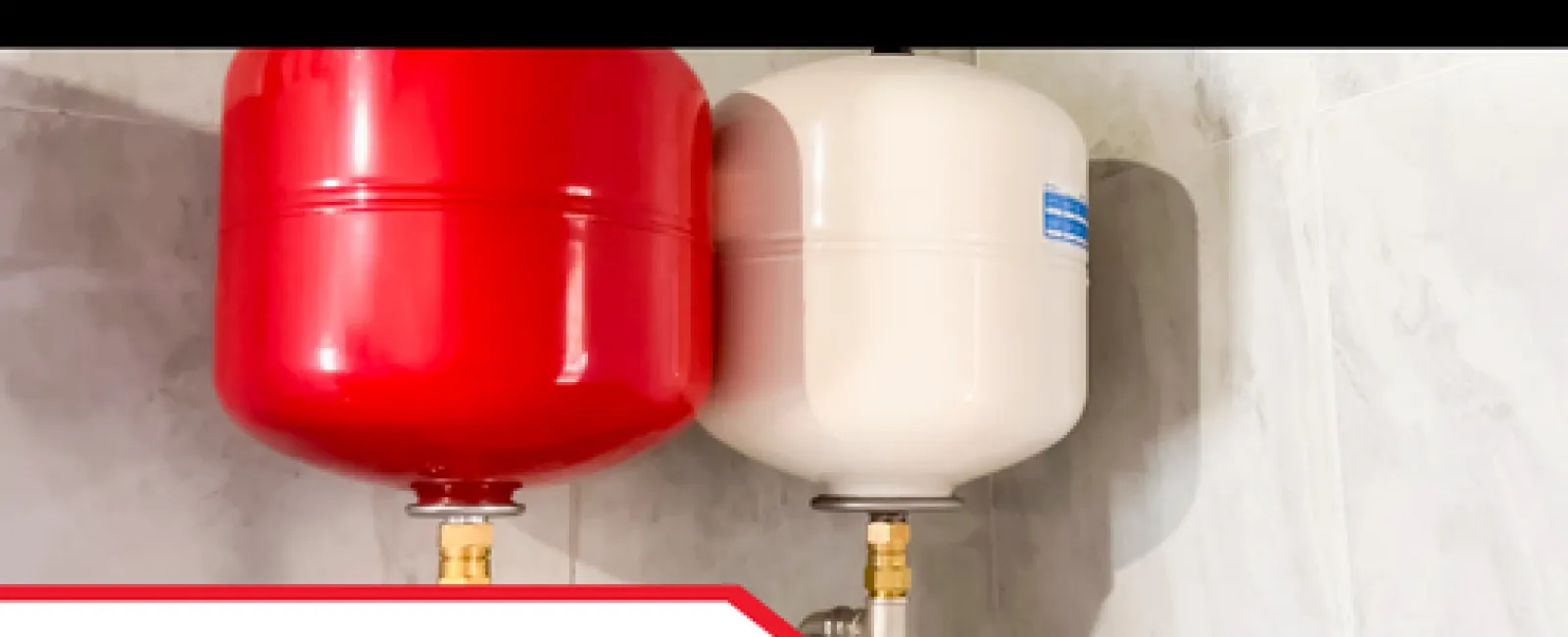
Plumbing systems are designed with specific components that help regulate pressure, protect fixtures, and extend the life of the system. One of these critical components is the expansion tank. While expansion tanks are relatively small and often overlooked, their installation and support play an important role in maintaining a safe and functional plumbing system. When an expansion tank is not properly supported, it can place unnecessary stress on piping and connections, potentially leading to future issues.
Homeowners across the Southeast often focus on visible plumbing fixtures such as faucets and water heaters, but components like expansion tanks are just as important. Licensed Inspector Devin P. of LunsPro Inspection Group frequently encounters situations where expansion tanks are present but not installed according to best practices. These conditions may not cause immediate failure, but they highlight why professional inspections remain essential for Southeastern homeowners.
What Is an Expansion Tank and Why Does It Matter?
An expansion tank is designed to manage increased pressure within a plumbing system. As water heats up, it expands, and without a place for that expanded water to go, pressure can build inside the system. The expansion tank absorbs this excess pressure, helping to protect pipes, fittings, and appliances from damage.
Because expansion tanks are connected to the plumbing system, they must be properly secured. Over time, the weight of the tank—especially when filled with water—can strain the piping if the tank is not adequately supported. Proper installation typically includes a support strap or bracket that connects the tank to a nearby wall or structural element.
Proper Support Requirements for Expansion Tanks
Expansion tanks are not intended to hang freely from plumbing lines. Licensed Inspector Devin P. explains that they are supposed to have a dedicated support strap that anchors the tank securely to a wall. This support helps distribute the weight of the tank and reduces stress on the connected piping.
Inadequate support can take many forms. In some cases, the tank may be completely unsupported. In others, a temporary or improvised method may be used. While these setups may keep the tank in place for a time, they do not meet the intent of proper installation and can create long-term concerns.
Identifying Inadequate Expansion Tank Support
During inspections, one example of inadequate support involves using a piece of PEX piping to hold the expansion tank in place. While this may seem like a creative solution, it is not designed to carry the weight of an expansion tank. Licensed Inspector Devin P. notes that while this type of support may be better than nothing, it still does not provide the stability the tank requires.
PEX piping is flexible and intended to transport water, not act as a structural support. Relying on it to hold an expansion tank can lead to sagging, movement, or additional stress on the plumbing connections over time.
Why This Matters for Southeastern Homeowners
Homes in the Southeast often experience wide temperature fluctuations, particularly between seasons. These temperature changes can increase the frequency and intensity of water expansion within plumbing systems. When expansion tanks are not properly supported, the added stress from repeated expansion cycles can compound existing installation weaknesses.
For homeowners, this means that even minor installation issues can become more significant over time. Properly supported expansion tanks help ensure that pressure regulation systems function as intended, reducing the likelihood of premature wear on plumbing components.
The Role of Professional Inspections
Issues like improper expansion tank support are not always obvious to homeowners. Tanks are often located in utility rooms, garages, or mechanical spaces that receive little attention. Professional inspections conducted by trained inspectors help identify these concerns before they lead to damage.
At LunsPro Inspection Group, inspectors evaluate plumbing components as part of Southeastern Residential and Commercial Inspections. This includes assessing whether expansion tanks are present, properly installed, and adequately supported. These observations provide homeowners with valuable information about the condition of their plumbing system.
Why Improvised Supports Are a Concern
Improvised solutions, such as using PEX piping for support, may indicate that the installation was rushed or modified after the fact. While these methods may temporarily hold the tank in place, they are not designed for long-term reliability.
Licensed Inspector Devin P. emphasizes that proper support straps are specifically engineered to handle the weight and movement of expansion tanks. Using the correct support method helps ensure that the tank remains stable and that plumbing connections are not compromised.
Expansion Tanks and Home Maintenance Planning
Understanding how expansion tanks should be supported allows homeowners to better plan for maintenance and improvements. When an inspection identifies inadequate support, homeowners can consult qualified professionals to correct the issue using appropriate materials and methods.
This type of proactive maintenance aligns with the broader goals of professional inspections. Rather than reacting to failures, homeowners can address small deficiencies before they contribute to larger problems within the plumbing system.
How Expansion Tank Issues Fit Into a Full Inspection
Expansion tank support is just one of many details evaluated during a comprehensive home inspection. While Sewer Scope inspections focus on underground piping, above-ground plumbing components also require careful evaluation. Together, these inspection services provide a more complete picture of a home's plumbing health.
LunsPro Inspection Group integrates findings from multiple inspection areas to help homeowners understand how individual components work together. This holistic approach is especially valuable for Southeastern Residential and Commercial Inspections, where environmental conditions and construction practices can vary widely.
Educating Homeowners Through Inspection Findings
One of the most important roles of a professional inspection is education. When inspectors explain why an expansion tank should be supported and why certain methods are inadequate, homeowners gain practical knowledge they can apply long after the inspection is complete.
Licensed Inspector Devin P.'s observations highlight how even small details can matter. While a piece of PEX piping may seem sufficient at a glance, understanding its limitations helps homeowners make informed decisions about corrective action.
The Importance of Attention to Detail in Plumbing Systems
Plumbing systems rely on many interconnected components working together. When one element, such as an expansion tank, is not properly supported, it can affect the system as a whole. Paying attention to these details helps maintain system performance and longevity.
Professional inspections help ensure that these details are not overlooked. By identifying conditions that differ from intended installation practices, inspectors provide homeowners with a clearer understanding of their property's condition.
Why Proper Expansion Tank Support Matters
Expansion tanks play a critical role in managing plumbing system pressure, but they must be properly supported to function safely and effectively. As Licensed Inspector Devin P. explains, expansion tanks are designed to be secured with a support strap connected to the wall. When that support is missing or replaced with an improvised solution like PEX piping, the setup is considered inadequate.
For Southeastern homeowners, professional inspections conducted by LunsPro Inspection Group provide valuable insight into these often-overlooked components. Through Southeastern Residential and Commercial Inspections, homeowners can identify installation concerns early, plan appropriate maintenance, and maintain confidence in the long-term performance of their plumbing systems.