
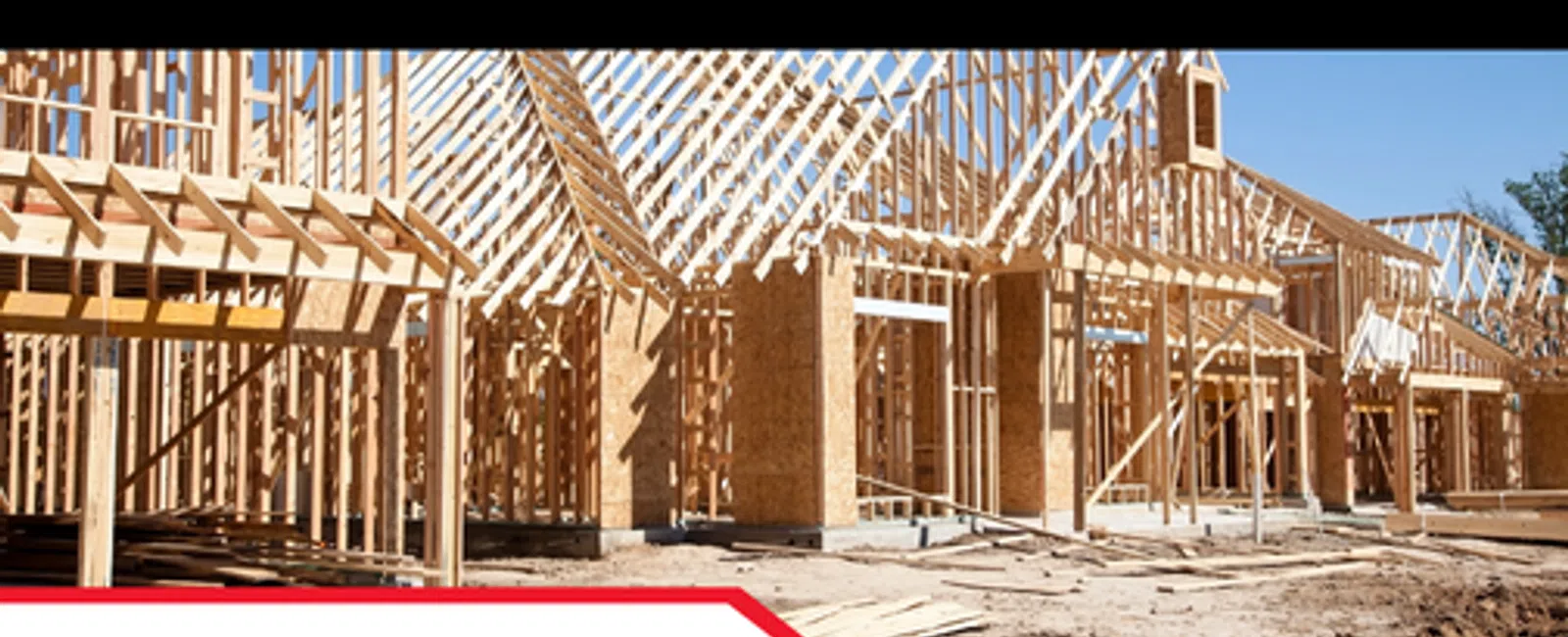
Purchasing a newly constructed home is an exciting milestone. Buyers often look forward to choosing finishes, reviewing floor plans, and watching their future home take shape. Because everything is new, it can be tempting to assume that every component has been installed correctly and that no additional evaluation is necessary. However, new construction involves numerous stages, materials, systems, and installation details. A professional inspection can provide valuable information about visible and accessible conditions throughout the building process.
Unlike an existing home, which is typically inspected after construction is complete, a new construction property offers opportunities for evaluation at different stages. Certain building components are more accessible before drywall installation, while others can be evaluated once the home is substantially complete. An additional inspection near the end of the builder's initial warranty period can help homeowners identify observable concerns that may have developed or become apparent after occupancy.
Licensed and Certified Inspector Mike S. of LunsPro Inspection Group recently explained these services while performing a pre-drywall inspection in Rome, GA. Mike highlighted three important inspection stages: pre-drywall inspections, new construction final inspections, and 11-month warranty inspections. Together, these services provide homeowners with opportunities to better understand their property before construction is finished, before moving in, and before the applicable builder warranty period expires.
For homebuyers throughout Atlanta, GA; Savannah, GA; Nashville, TN; Chattanooga, TN; Charlotte, NC; Raleigh, NC; Greensboro, NC; Greenville, SC; and Charleston, SC, understanding the purpose of each inspection stage can help them plan their new construction experience more effectively.
Why New Construction Homes Still Need Inspections
A newly built home may feature modern materials, updated equipment, and recently installed building systems.
However, the fact that a home is new does not automatically establish that every component has been installed correctly.
Residential construction involves multiple stages of work, and different components become accessible at different times.
Some details can be observed while framing and other building systems remain exposed.
Others can be evaluated after the home is substantially complete and its systems are ready for operation.
A professional inspection provides an independent evaluation of visible and accessible conditions at the time of the inspection.
The purpose is not to assume that something is wrong.
Instead, it is to help the buyer understand the home's condition and identify observations that may warrant additional attention.
Understanding the Three-Phase Inspection Process
Mike described LunsPro Inspection Group's new construction services as a package covering three important stages.
These stages are designed around the progress of the building process.
The pre-drywall inspection occurs before interior wall finishes conceal many construction details.
The new construction final inspection takes place when the home is sufficiently complete for a broader evaluation.
The 11-month warranty inspection occurs after the homeowner has occupied the property for a period of time, typically before the first-year builder warranty expires.
Each inspection has a different purpose.
Together, they provide opportunities to evaluate the property as construction progresses and as the home begins being used.
Phase One: Pre-Drywall Inspection
The pre-drywall inspection takes place before drywall installation covers many of the home's internal components.
Mike described this stage as an opportunity to see the "nuts and bolts" of how a home is constructed.
That description captures the main advantage of inspecting during this phase.
The building's internal construction details are more visible than they will be after walls and ceilings are finished.
A pre-drywall inspection allows the inspector to evaluate accessible components and identify observable concerns before the next stage of construction.
Why Timing Matters
The timing of a pre-drywall inspection is especially important.
Once drywall is installed, many construction details are concealed.
An inspector performing a final inspection may be able to evaluate finished surfaces and accessible systems, but cannot necessarily observe the same internal components that were visible earlier.
Scheduling the inspection before those areas are covered creates an opportunity to document conditions while they remain accessible.
This is one reason buyers should discuss inspection timing with the builder during the construction process.
What a Pre-Drywall Inspection Can Help Identify
During this stage, an inspector evaluates visible and accessible construction details within the agreed inspection scope.
The objective is to identify observable conditions that may need attention before work continues.
Mike emphasized the importance of understanding how the home is being constructed and identifying what may or may not have been completed properly.
That does not mean the inspector can verify every concealed connection or guarantee that every construction detail meets applicable requirements.
Instead, the inspection provides an independent perspective based on the conditions visible at that stage.
Why Addressing Concerns Before Drywall Can Be Helpful
If a concern is identified before drywall installation, the builder may have an opportunity to evaluate and address it while the affected area remains accessible.
This can make communication about the observation more straightforward.
For example, a buyer can share the inspection findings with the builder and request clarification or appropriate corrective work.
The builder and relevant qualified professionals remain responsible for determining and completing the necessary construction work.
The inspector's role is to identify and document observable concerns.
Phase Two: New Construction Final Inspection
The second stage is the new construction final inspection.
Mike explained that this inspection is intended to evaluate the home near completion and help identify conditions that should be addressed before the homeowner moves in.
At this point, many of the home's finished components and installed systems are available for evaluation.
The focus differs from the pre-drywall inspection because the property has progressed into a more complete condition.
Why a Final Inspection Matters
A newly completed home can look attractive and ready for occupancy.
Fresh finishes, new appliances, and completed rooms may create a strong first impression.
However, appearance alone does not establish the condition or functionality of every accessible component.
A final inspection provides an opportunity to evaluate the home independently.
The inspector documents observable conditions and identifies concerns that may warrant attention before occupancy.
This information can help buyers communicate with the builder during the final stages of the transaction.
Evaluating the Completed Home
During a new construction final inspection, the inspector evaluates applicable visible and accessible components within the inspection scope.
The inspection may include observing installed systems, accessible building components, and other conditions that can be assessed once construction is sufficiently complete.
The purpose is to provide information about the property's current condition.
It is important to distinguish this service from an official building-code inspection.
A private home inspection does not replace inspections performed by the local authority having jurisdiction, nor does it certify that every aspect of the home complies with all applicable building codes.
Nevertheless, observable concerns identified during the final inspection can help buyers determine where additional evaluation or builder attention may be appropriate.
The Importance of an Independent Final Evaluation
Buyers sometimes assume that a newly completed home does not need another inspection because construction has already progressed through various stages.
However, different evaluations serve different purposes.
A builder's internal quality-control process, municipal inspections, and an independent home inspection are not necessarily interchangeable.
Each may have a different scope and objective.
A private final inspection focuses on documenting the home's visible and accessible condition for the client.
That information can be useful before the buyer takes possession.
Phase Three: 11-Month Warranty Inspection
The third stage Mike discussed was the 11-month warranty inspection.
This inspection typically takes place toward the end of the first year of ownership, before an applicable initial builder warranty expires.
Its purpose is to identify observable conditions that may deserve the builder's attention while warranty coverage may still be available.
By this point, the homeowner has had an opportunity to live in the property and use its systems.
Some concerns may have become noticeable during ordinary occupancy.
Others may be identified through professional inspection.
Why the 11-Month Timing Is Important
Many new construction homes come with builder warranties, although the terms, coverage, exclusions, and deadlines can vary.
An inspection near the end of the initial warranty period can help homeowners document concerns before an applicable deadline.
However, an inspection finding does not automatically mean the builder is required to repair the condition under warranty.
Coverage depends on the actual warranty agreement and other applicable requirements.
Homeowners should review their warranty documentation and understand the procedures for submitting concerns.
The inspection provides information that may assist with that process.
What an 11-Month Inspection Can Accomplish
An 11-month inspection evaluates visible and accessible property conditions at that point in ownership.
The inspector documents observable concerns that may require additional attention.
The homeowner can then review those findings and determine which items should be communicated to the builder.
This is particularly valuable because the home has been occupied and used since the final construction inspection.
The property's condition may have changed, and some issues may only have become noticeable after regular use.
Why All Three Inspections Serve Different Purposes
One of the most important points Mike emphasized is that LunsPro offers all three new construction inspection stages.
Each provides information at a different point in the home's development.
The pre-drywall inspection focuses on accessible construction details before they are concealed.
The final inspection evaluates the substantially completed property before occupancy.
The 11-month warranty inspection provides another opportunity to identify observable concerns after the homeowner has lived in the property.
These services complement one another.
A final inspection cannot fully recreate the visibility available before drywall installation.
Likewise, a pre-drywall inspection cannot evaluate the completed home in the same way as a final inspection.
The warranty inspection adds a later evaluation after the home has been in use.
Planning Inspections Around Construction
New construction schedules can change.
The timing of drywall installation, final completion, and closing may depend on the builder's progress.
For that reason, buyers should discuss inspection scheduling early rather than waiting until the last moment.
A pre-drywall inspection must be coordinated while relevant components remain accessible.
The final inspection should occur when the home is sufficiently complete for the intended evaluation.
The 11-month warranty inspection should be scheduled with enough time to review the findings and follow the builder's warranty procedures.
Planning ahead helps buyers make better use of each inspection opportunity.
Why Communication With the Builder Matters
An inspection report provides information, but communication is necessary for that information to be useful during construction.
When an inspector identifies a concern, the buyer can share the relevant findings with the builder.
The builder may then evaluate the observation and determine what corrective action, if any, is appropriate.
Clear documentation helps establish what was observed at the time of inspection.
However, an inspection report should not be interpreted as a guarantee that every reported item will be repaired.
The objective is to provide accurate information that supports informed communication and decision-making.
What New Construction Buyers Should Understand
A new construction inspection is not intended to create unnecessary concern about a newly built property.
It is an opportunity to obtain independent information.
Buyers should understand that construction involves numerous components and stages.
Some conditions are easier to evaluate before interior finishes are installed.
Others become accessible only after the home is completed.
Still others may become noticeable after the home has been occupied.
The three-phase approach reflects these differences.
Rather than relying on one inspection to answer every question, buyers can obtain information at several meaningful points.
The Value of Licensed Inspectors
Experienced Licensed Inspectors understand the importance of evaluating observable conditions according to the property's stage of construction.
A pre-drywall inspection requires attention to accessible construction details.
A final inspection requires evaluation of the completed property's visible systems and components.
An 11-month warranty inspection focuses on the condition of the occupied home near the relevant warranty period.
In each situation, the inspector should communicate observations clearly and avoid unsupported conclusions.
The inspection does not replace the builder's responsibilities or the work of other qualified professionals.
It provides an independent evaluation within the inspection scope.
New Construction in Georgia
Mike recorded his explanation while performing a pre-drywall inspection in Rome, GA.
The location provides a practical example of how new construction inspections fit into the building process.
Homebuyers in Atlanta, GA, and Savannah, GA, may also encounter opportunities to schedule inspections at different construction stages.
However, the specific timing and availability of inspections should be coordinated according to the property and construction schedule.
A buyer should not assume that a builder will automatically arrange an independent inspection on their behalf.
Discussing the inspection process early can help avoid scheduling conflicts.
New Construction Throughout the Southeast
New construction is not limited to one city or property type.
Homebuyers throughout Charlotte, NC; Raleigh, NC; and Greensboro, NC, may encounter different construction schedules, building configurations, and builder procedures.
The same general inspection principles can be relevant to residential properties in Greenville, SC, and Charleston, SC.
In Tennessee, buyers in Nashville, TN, and Chattanooga, TN, may also benefit from understanding the differences between pre-drywall, final, and 11-month warranty inspections.
The appropriate inspection scope depends on the property and the services available in that location.
Regardless of geography, the purpose remains consistent: to help buyers better understand visible and accessible conditions at important stages of construction.
Why Inspection Scope Matters
Not every inspection evaluates the same components.
A pre-drywall inspection differs from a final inspection because the building is at a different stage of completion.
An 11-month warranty inspection differs from both because the home has already been occupied.
Buyers should understand what each service includes and what limitations may apply.
This helps establish realistic expectations.
For example, a pre-drywall inspection does not mean every construction component can be evaluated before installation is complete.
A final inspection does not reveal every condition concealed behind finished walls.
An 11-month inspection does not guarantee that the builder will accept every item as a warranty claim.
Clear scope and expectations are essential to an effective inspection process.
Why New Does Not Automatically Mean Perfect
A newly constructed home may contain components that have never been used by the homeowner.
That does not necessarily mean every component has been installed or completed correctly.
Construction involves multiple activities, and observable concerns can arise at different stages.
Professional inspections provide opportunities to identify those concerns.
The objective should not be to assume that every new home has major problems.
Instead, buyers should recognize that independent evaluation can be useful even when a property is newly built.
The Benefits of a Coordinated Inspection Package
Mike described LunsPro's three inspection stages as a package designed to support buyers throughout the new construction process.
This approach can make it easier to understand when inspections should occur.
Rather than treating the pre-drywall, final, and warranty inspections as unrelated services, buyers can view them as separate evaluations within the same homeownership timeline.
Each stage provides information that reflects the home's condition at that particular time.
The package does not eliminate the need for builder communication or specialized evaluations when necessary.
It simply provides a structured approach to professional inspection throughout the process.
LunsPro Inspection Group and New Construction Services
LunsPro Inspection Group provides professional inspection services to help buyers and homeowners understand property conditions.
Through Southeastern Residential and Commercial Inspections, experienced Licensed Inspectors evaluate visible and accessible components within the agreed inspection scope.
For new construction buyers, LunsPro offers pre-drywall inspections, new construction final inspections, and 11-month warranty inspections.
These services are designed to provide information at different stages of the building and ownership process.
Mike's explanation from Rome, GA, demonstrates how the three stages work together while maintaining different purposes.
Making Informed Decisions Throughout Construction
New construction buyers often have many decisions to make.
They may be coordinating with builders, lenders, real estate professionals, and other service providers.
Professional inspections can add useful information to that process.
The pre-drywall inspection provides an opportunity to evaluate accessible construction details before they are concealed.
The final inspection documents observable conditions near completion.
The 11-month warranty inspection helps homeowners identify concerns that may deserve attention before applicable warranty deadlines.
Each stage supports informed decision-making without guaranteeing that every possible defect will be discovered.
Why Homebuyers Should Plan Ahead
One of the easiest ways to miss an inspection opportunity is to wait until the relevant construction stage has passed.
Once drywall has been installed, the original pre-drywall conditions are no longer visible in the same way.
Once closing has occurred, the buyer's opportunities to address certain concerns before occupancy may change.
Once a warranty deadline has passed, the procedures available under that warranty may also change.
Planning ahead allows buyers to schedule inspections at appropriate times and understand what information each evaluation can provide.
This is why discussing inspection options early in the building process is worthwhile.
Professional Inspection Is an Investment in Information
A home inspection does not guarantee that a property will never experience problems.
It also does not replace regular maintenance, builder responsibilities, or specialized professional services.
Its value lies in providing information about observable conditions.
For a newly constructed home, obtaining that information at multiple stages can help buyers understand the property as it progresses from construction to occupancy.
This approach is particularly useful because the visibility and accessibility of building components change throughout the process.
A thoughtful inspection plan recognizes those changes rather than relying on a single evaluation to address every possible concern.
Building a new home involves several important milestones, and each one presents different opportunities to understand the property's condition. Licensed and Certified Inspector Mike S. of LunsPro Inspection Group highlighted three inspection stages while performing a pre-drywall inspection in Rome, GA: pre-drywall, new construction final, and 11-month warranty inspections. Each service has a distinct purpose and provides information at a different point in the building and ownership process.
The pre-drywall inspection allows visible construction details to be evaluated before interior finishes conceal them. The final inspection provides an independent evaluation of the substantially completed home before occupancy. The 11-month warranty inspection offers another opportunity to document observable concerns before an applicable builder warranty period expires. Together, these services help buyers and homeowners remain informed as the property progresses through construction and its first year of use.
For homebuyers throughout Atlanta, GA; Savannah, GA; Nashville, TN; Chattanooga, TN; Charlotte, NC; Raleigh, NC; Greensboro, NC; Greenville, SC; and Charleston, SC, understanding the timing and purpose of new construction inspections can help make the building process more manageable. While every property and construction schedule is different, the value of independent inspection remains centered on accurate observations, clear reporting, and appropriate professional follow-up.
Through LunsPro Inspection Group, professional Southeastern Residential and Commercial Inspections help clients better understand visible and accessible property conditions. Experienced Licensed Inspectors provide evaluations that support informed decisions without replacing builder responsibilities or official construction approvals. For buyers preparing to build or purchase a new home, planning for pre-drywall, final, and 11-month warranty inspections can provide valuable information from the earliest accessible construction stages through the first year of homeownership.