
Kitchen ventilation plays a critical role in maintaining indoor air quality and supporting a comfortable cooking environment. While many homeowners are familiar with traditional overhead range hoods, alternative systems such as downdraft vents are becoming more common in certain home designs. These systems offer a different approach to ventilation by operating at the cooking surface level rather than above it.
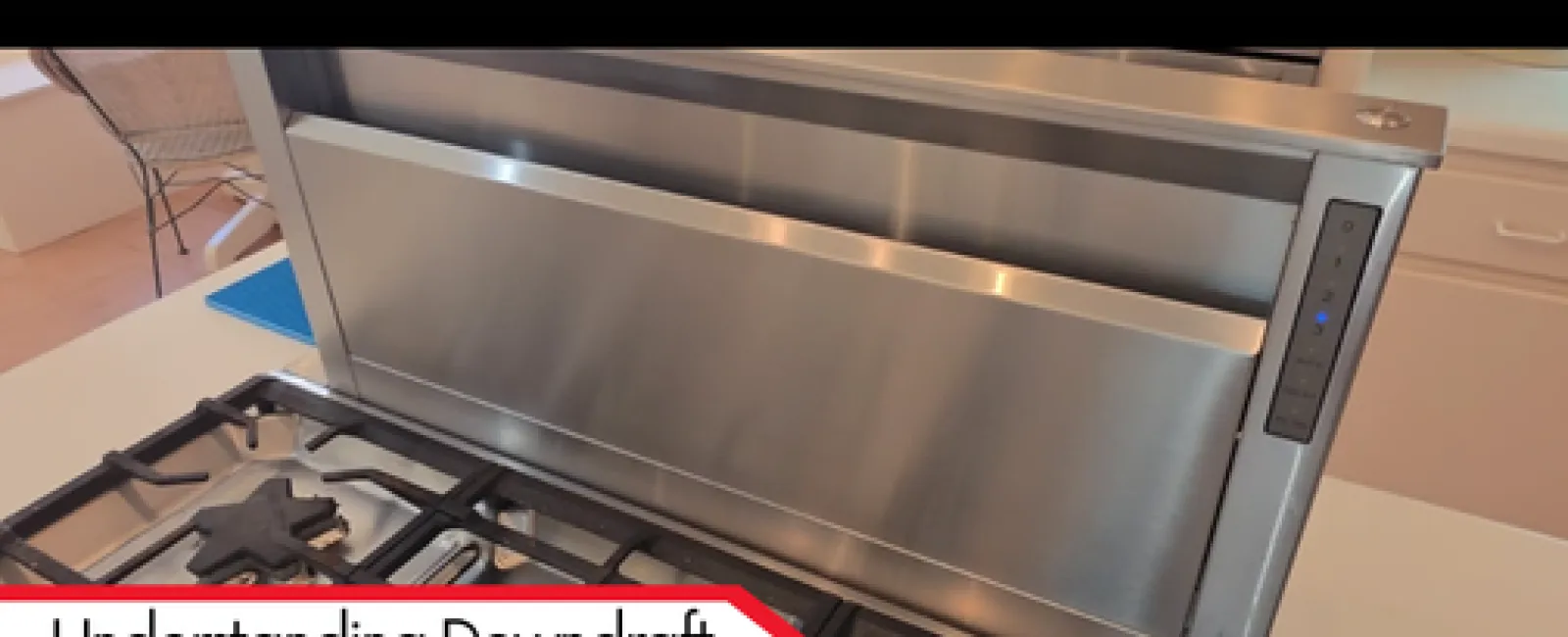
In a recent inspection, Licensed Inspector Devin P. observed a machine-operated downdraft vent integrated into a kitchen setup. This type of system is designed to activate when needed, drawing air downward and away from the cooking area. The presence of this system highlights the variety of ventilation methods that homeowners may encounter during an inspection.
For homeowners throughout the Southeast, understanding how these systems function is an important part of maintaining a safe and efficient home. Professional evaluations conducted by LunsPro Inspection Group help identify and document these features during Southeastern Residential and Commercial Inspections, ensuring homeowners are informed about the systems present in their property.
What Is a Downdraft Vent?
A downdraft vent is a type of kitchen ventilation system designed to remove smoke, steam, and cooking odors directly from the source. Unlike traditional range hoods that capture rising air, downdraft systems pull air downward through a vent located at or near the cooktop.
These systems are often:
-
Integrated into the cooking surface
-
Installed behind or beside the cooktop
-
Activated by a mechanical or motorized component
-
Designed to retract when not in use
In the case observed by Licensed Inspector Devin P., the system was machine-operated, meaning it could be raised or activated as needed during cooking.
How Machine-Operated Downdraft Vents Work
Machine-operated downdraft vents rely on a motorized mechanism to function. When activated, the vent rises from its concealed position and begins drawing air downward.
The process typically involves:
-
Activation of the vent system
-
Air being pulled downward through intake vents
-
Air passing through filters or ductwork
-
Air being redirected outside or through a filtration system
This design allows the system to remain hidden when not in use, contributing to a streamlined kitchen appearance.
Why Some Homes Use Downdraft Ventilation
Downdraft vents are often selected for aesthetic or design reasons. In kitchens where an overhead hood may not be desirable—such as those with open layouts or island cooktops—downdraft systems provide an alternative solution.
Common reasons for using downdraft vents include:
-
Maintaining an unobstructed view in open-concept kitchens
-
Supporting island or peninsula cooktop designs
-
Providing a more integrated and concealed ventilation option
While these systems offer design flexibility, they also introduce unique considerations for performance and maintenance.
What Inspectors Look for in Downdraft Systems
Licensed Inspectors evaluate kitchen ventilation systems as part of a broader inspection process. When assessing a downdraft vent, inspectors typically focus on visible and accessible components.
Key evaluation points include:
-
Operation of the motorized mechanism
-
Condition of visible components
-
General installation and placement
-
Accessibility of the system
By observing these factors, inspectors can document the presence and condition of the system for the homeowner.
Differences Between Downdraft Vents and Range Hoods
Understanding the differences between downdraft vents and traditional range hoods can help homeowners better evaluate their kitchen setup.
Downdraft Vents:
-
Pull air downward
-
Often concealed when not in use
-
Installed at cooktop level
-
Typically motorized
Range Hoods:
-
Capture rising air
-
Installed above the cooking surface
-
Always visible
-
Rely on upward airflow
Each system has its own advantages and considerations, and the choice often depends on kitchen design and homeowner preference.
Considerations for Southeastern Homeowners
In the Southeastern United States, kitchen ventilation is particularly important due to climate conditions and lifestyle factors. High humidity levels and frequent cooking can contribute to indoor air quality concerns if ventilation systems are not functioning effectively.
Downdraft systems can play a role in managing these conditions, but their performance may vary depending on:
-
Kitchen layout
-
Type of cooking performed
-
Maintenance of the system
Through Southeastern Residential and Commercial Inspections, Licensed Inspectors take these regional factors into account when evaluating ventilation systems.
Maintenance and Awareness
Like any mechanical system, downdraft vents require regular attention to maintain proper operation. While the inspection process focuses on visible conditions, homeowners should remain aware of how the system functions over time.
General considerations include:
-
Keeping the vent area clean
-
Monitoring system operation
-
Ensuring accessibility for maintenance
Understanding the presence and function of a downdraft vent helps homeowners take a more informed approach to maintaining their kitchen systems.
The Role of Licensed Inspectors in Identifying Unique Systems
Not all homes are equipped with standard systems. Features like machine-operated downdraft vents highlight the diversity of modern home design.
Licensed Inspectors play a key role in identifying these systems and documenting their presence. Their evaluations help ensure that homeowners are aware of all components within the home, including those that may not be immediately obvious.
By working with professionals from LunsPro Inspection Group, homeowners gain access to detailed insights into both common and unique home features.
Why Documentation Matters
One of the primary benefits of a professional inspection is the documentation provided. When systems like downdraft vents are identified, they are included in the inspection report along with relevant observations.
This documentation helps homeowners:
-
Understand the systems within their home
-
Reference features for future maintenance
-
Share information with contractors if needed
-
Maintain records for long-term property management
For unique systems, this level of detail is especially valuable.
A Broader Look at Kitchen Systems
Kitchen ventilation is just one aspect of a comprehensive home inspection. Licensed Inspectors evaluate a wide range of systems, each contributing to the overall functionality of the home.
By taking a holistic approach, inspections provide a complete picture of the property. This includes identifying both standard and specialized systems, ensuring that homeowners have a thorough understanding of their home.
The machine-operated downdraft vent observed by Licensed Inspector Devin P. highlights an alternative approach to kitchen ventilation that many homeowners may not be familiar with. While these systems offer a unique design and functionality, they also require proper understanding and evaluation.
For homeowners in the Southeast, professional inspections conducted by LunsPro Inspection Group provide valuable insight into these types of systems. Through comprehensive Southeastern Residential and Commercial Inspections, Licensed Inspectors help identify and document both common and specialized features within a home.
Ultimately, understanding the systems within a home is essential for maintaining comfort, functionality, and long-term value. By working with experienced professionals and staying informed, homeowners can ensure that their property is well understood and properly maintained for years to come.