
When purchasing a newly constructed home, many homeowners expect a flawless property. Fresh materials, modern construction practices, and recent completion often create a sense of confidence that everything has been built correctly. However, even new construction homes can present serious issues that are not immediately visible without a professional inspection.
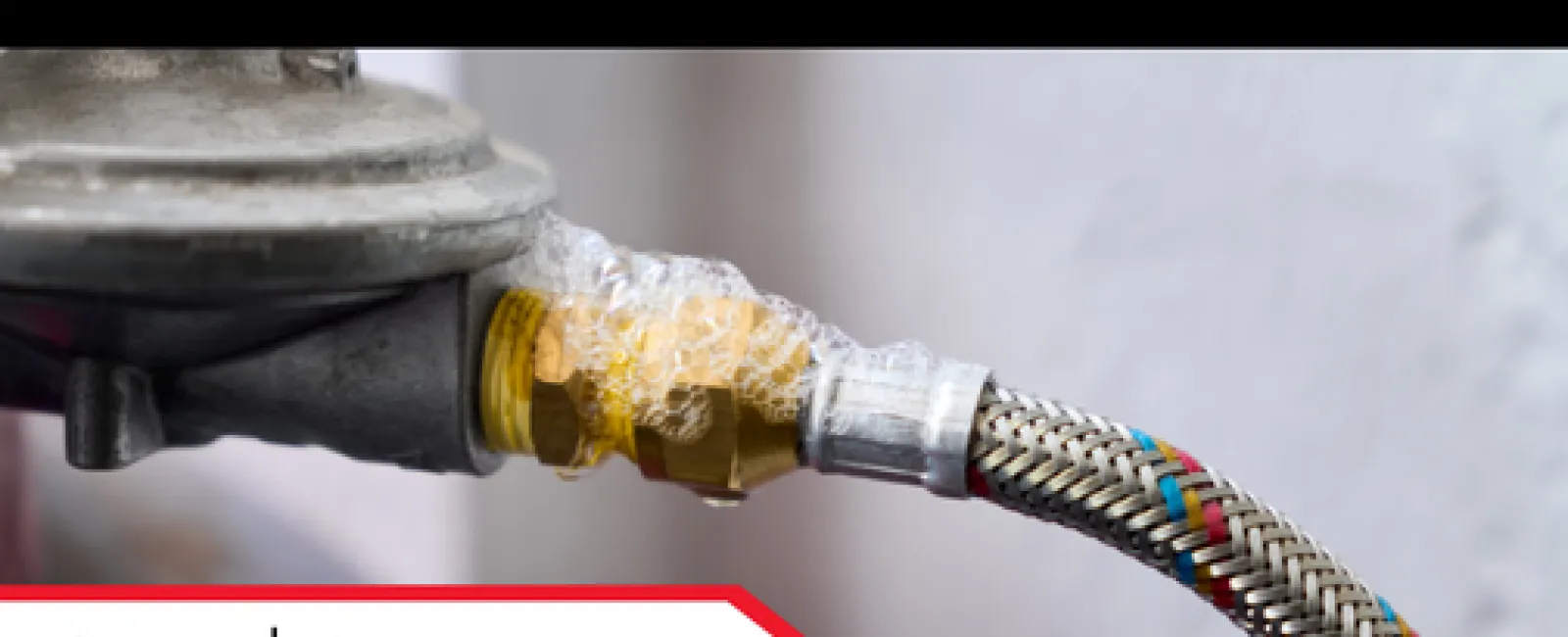
In a recent inspection, Licensed Inspector Rino G. identified a gas leak in a newly constructed home. While the home itself was brand new, the presence of a gas leak highlights a critical reality: construction does not always guarantee perfection. Even small oversights during installation or connection can result in conditions that require immediate attention. This observation serves as a powerful reminder for homeowners across the Southeast that inspections are essential—regardless of a home's age.
Companies like LunsPro Inspection Group specialize in identifying these types of concerns through detailed Southeastern Residential and Commercial Inspections. Their Licensed Inspectors are trained to evaluate critical systems, including gas lines, to help homeowners better understand the condition of their property.
Understanding Gas Systems in Residential Homes
Gas systems are commonly used in homes throughout the Southeastern United States. They power essential appliances such as:
-
Water heaters
-
Furnaces
-
Stoves and ovens
-
Fireplaces
These systems rely on properly installed and sealed gas lines to function safely. Natural gas and propane are highly efficient energy sources, but they require careful handling due to their combustible nature.
Gas lines must be properly connected, sealed, and tested to ensure that no leaks are present. Even a minor issue within the system can result in gas escaping into the home, creating a potentially hazardous condition.
What Is a Gas Leak?
A gas leak occurs when natural gas or propane escapes from a pipe, fitting, or connection point. This can happen for several reasons, including:
-
Improper installation
-
Loose fittings
-
Damaged or defective components
-
Incomplete sealing at connection points
In the case identified by Licensed Inspector Rino G., the gas leak was discovered during an inspection of a newly constructed home. This reinforces the idea that even new systems can have installation-related issues.
Why Gas Leaks Are a Serious Concern
Gas leaks are one of the most important issues that can be identified during a home inspection. Because gas is flammable, any leak presents a safety concern that should be addressed promptly.
Potential risks associated with gas leaks include:
-
Fire hazards
-
Explosion risks
-
Indoor air quality concerns
Although gas systems are designed with safety in mind, proper installation and maintenance are essential to ensure they function as intended.
Professional inspections play a key role in identifying visible or detectable conditions that may indicate a leak.
Why New Construction Homes Can Still Have Gas Leaks
It is a common misconception that new construction homes are free from defects. In reality, the construction process involves multiple trades working on tight schedules, which can increase the likelihood of small oversights.
Gas systems, in particular, require precise installation. Even a minor issue—such as a fitting that is not fully tightened—can result in a leak.
Some common factors that may contribute to gas leaks in new construction include:
-
Incomplete installation of fittings
-
Improper sealing of connections
-
Oversights during final setup
-
Lack of thorough testing before completion
These types of issues are not always visible to homeowners, which is why professional inspections are so important.
The Role of Licensed Inspectors in Detecting Gas Leaks
Licensed Inspectors are trained to evaluate gas systems as part of a comprehensive home inspection. Their role is to identify visible conditions and, when applicable, detect issues that may not be obvious to homeowners.
During an inspection, Licensed Inspectors may:
-
Evaluate visible gas line connections
-
Observe appliance connections
-
Identify signs of improper installation
-
Use tools designed to detect gas leaks
By documenting these findings, inspectors provide homeowners with critical information about the safety and condition of their gas systems.
Why Southeastern Homeowners Should Be Especially Aware
Homes in the Southeastern United States often rely on gas-powered systems for heating and cooking. As a result, gas lines are a common feature in many properties across the region.
Because of this widespread use, it is especially important for Southeastern homeowners to understand the importance of proper installation and inspection of gas systems.
Environmental factors, construction practices, and regional building trends can all influence how these systems are installed and maintained. Through Southeastern Residential and Commercial Inspections, professionals take these factors into account when evaluating homes.
The Importance of Professional Inspections
The discovery of a gas leak in a newly constructed home highlights the value of professional inspections. Even when a home appears to be in perfect condition, underlying issues can still exist.
Professional inspections provide:
-
An independent evaluation of the property
-
Identification of visible and detectable concerns
-
Documentation of findings for homeowner reference
-
Increased awareness of system conditions
For homeowners, this information is invaluable when making decisions about their property.
What Homeowners Can Learn from This Observation
The situation identified by Licensed Inspector Rino G. offers several key takeaways:
1. New does not always mean flawless.
Even newly constructed homes can have installation-related issues.
2. Gas systems require careful attention.
Because of their potential risks, gas systems should always be properly evaluated.
3. Professional inspections provide essential insight.
Licensed Inspectors are trained to identify concerns that may not be obvious.
4. Early detection matters.
Identifying issues early helps homeowners address them before they become more serious.
These lessons are relevant for homeowners at every stage of the homeownership process.
How LunsPro Inspection Group Supports Homeowners
LunsPro Inspection Group is committed to helping homeowners better understand their properties through comprehensive inspection services. Their team of Licensed Inspectors conducts thorough evaluations designed to identify visible and detectable concerns across all major systems.
With a focus on education and clarity, their inspections provide homeowners with:
-
Detailed reports
-
Clear documentation of findings
-
Professional insights into system conditions
-
Guidance for future considerations
These services are designed to support homeowners in making informed decisions about their property.
The identification of a gas leak in a newly constructed home serves as a powerful reminder that even new properties can have serious underlying issues. While new construction offers many advantages, it does not eliminate the need for careful evaluation of critical systems.
For homeowners throughout the Southeast, professional inspections conducted by companies like LunsPro Inspection Group provide valuable insight into the condition of a home. Through Southeastern Residential and Commercial Inspections, Licensed Inspectors help identify concerns that may otherwise go unnoticed, including potentially serious issues like gas leaks.
Ultimately, inspections are about more than identifying problems—they are about providing homeowners with the knowledge and confidence needed to protect their investment. By prioritizing professional evaluations, homeowners can ensure that their property is not only new, but also safe and properly constructed.