
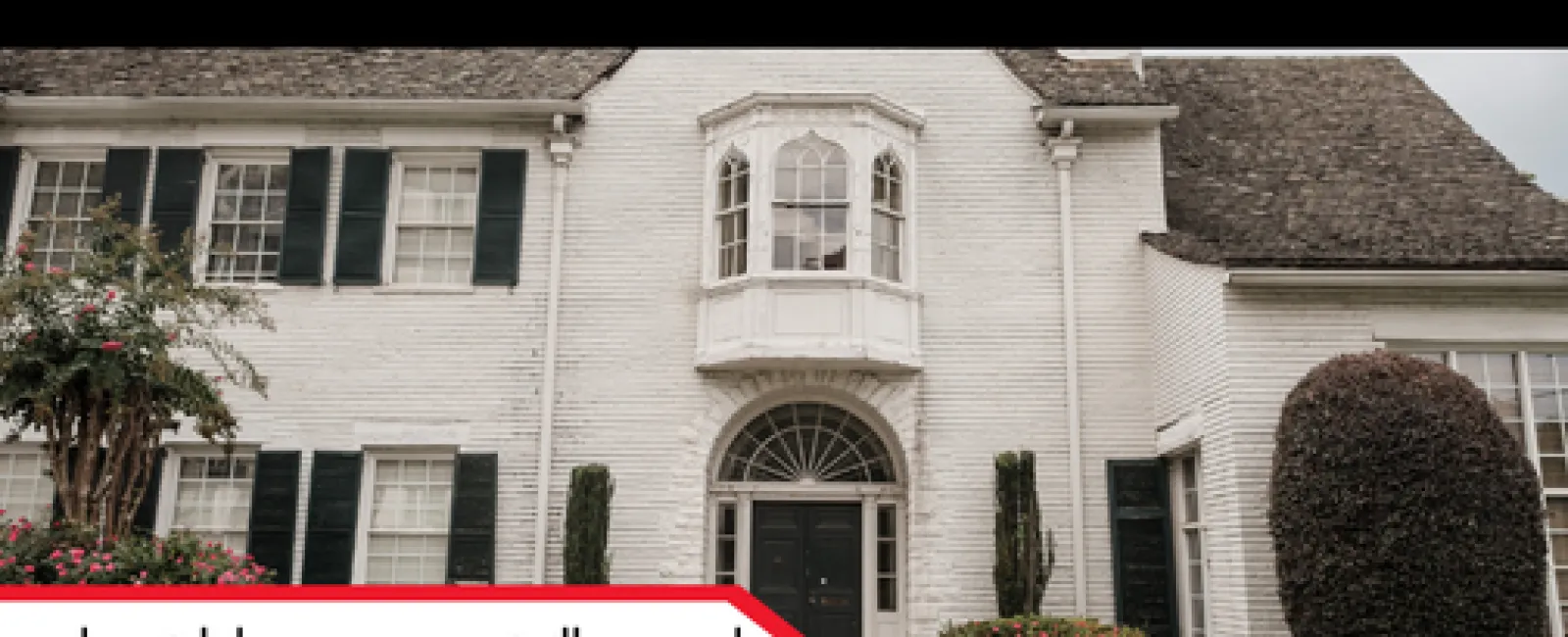
Older homes carry a unique character that many homeowners find appealing. From architectural details to established neighborhoods, properties built in earlier decades often offer a sense of history that newer homes may not replicate. However, with that history comes the reality of aging materials, outdated systems, and conditions that require careful evaluation.
In a recent inspection, Licensed Inspector Devin P. evaluated a 1950's home that had no active gas or water service. Despite the lack of utilities, the client chose to move forward with a professional inspection. During the walkthrough, visible conditions such as a small interior puddle and damaged flooring were observed. While no additional commentary was provided in the video, these observations highlight an important principle for homeowners: even vacant or non-operational homes can present visible concerns that are worth documenting and understanding.
For homeowners throughout the Southeast, inspections conducted by companies like LunsPro Inspection Group provide valuable insight into properties of all ages. Through detailed Southeastern Residential and Commercial Inspections, Licensed Inspectors evaluate visible conditions to help homeowners better understand the current state of a property—even when utilities are not active.
Understanding the Nature of Older Homes
Homes built in the 1950s were constructed using materials and methods that differ significantly from modern building practices. While many of these homes have stood the test of time, decades of use and environmental exposure can influence their condition.
Common characteristics of older homes include:
-
Aging structural components
-
Outdated construction techniques
-
Wear and tear from long-term use
-
Potential deferred maintenance
Because of these factors, older homes often require a more detailed evaluation to identify visible concerns and understand their overall condition.
Why Inspections Matter Even Without Utilities
One of the most important aspects of this inspection is that it was conducted without active gas or water service. Some homeowners may assume that inspections are less valuable in these situations, but this is not the case.
Even without utilities, Licensed Inspectors can still evaluate:
-
Structural components
-
Visible interior and exterior conditions
-
Flooring and finishes
-
Signs of moisture intrusion
-
General property condition
The presence of a small puddle inside the home, despite no active water service, is an example of why inspections remain important. Visible moisture can originate from sources such as previous leaks, environmental exposure, or residual conditions within the home.
What a Small Interior Puddle Can Indicate
The observation of a small puddle inside the home is a notable detail. While the exact source was not explained, the presence of standing water indoors is something inspectors carefully document.
Potential causes of interior moisture may include:
-
Previous plumbing leaks
-
Roof or exterior water intrusion
-
Condensation buildup
-
Environmental exposure through openings or structural gaps
Even a small amount of visible water can provide insight into the home's condition and may warrant further evaluation.
Damaged Flooring: A Common Concern in Older Homes
Damaged flooring is another condition observed during the inspection. In older homes, flooring materials may have experienced years of wear, environmental exposure, or moisture-related issues.
Common reasons for flooring damage include:
-
Long-term foot traffic
-
Moisture exposure
-
Structural settling
-
Material aging
Visible damage to flooring is important to document because it can reflect both cosmetic and underlying conditions. For homeowners, understanding the extent and nature of this damage is an important step in evaluating the property.
The Role of Licensed Inspectors in Older Properties
Licensed Inspectors play a critical role in evaluating older homes. Their training allows them to identify visible conditions and document findings in a way that helps homeowners understand what they are seeing.
During inspections of older homes, Licensed Inspectors focus on:
-
Structural integrity
-
Visible signs of aging
-
Moisture-related concerns
-
Overall property condition
Even without utilities, these evaluations provide valuable insight into the home's current state.
Why Southeastern Homes Require Special Attention
Homes in the Southeastern United States are exposed to environmental conditions that can accelerate wear and deterioration over time. High humidity, frequent rainfall, and seasonal temperature changes all contribute to how materials age.
For older homes, these conditions may influence:
-
Wood components and flooring
-
Interior moisture levels
-
Exterior structural elements
-
Overall durability of materials
Through Southeastern Residential and Commercial Inspections, Licensed Inspectors consider these regional factors when evaluating properties.
The Importance of Documentation
One of the key benefits of a professional inspection is the documentation provided. Even when utilities are not active, inspectors can record visible conditions and provide a clear overview of the property.
This documentation can help homeowners:
-
Understand the current condition of the home
-
Identify areas that may require attention
-
Plan for future improvements or repairs
-
Make informed decisions about the property
For older homes, this level of detail is especially valuable.
What Homeowners Can Learn from This Inspection
The inspection performed by Licensed Inspector Devin P. offers several important takeaways:
1. Inspections are valuable regardless of utility status.
Even without gas or water, visible conditions can still be evaluated.
2. Moisture concerns should not be overlooked.
The presence of a puddle indicates that water intrusion or retention may exist.
3. Aging materials require attention.
Damaged flooring reflects the long-term impact of use and environmental exposure.
4. Older homes benefit from professional evaluation.
Licensed Inspectors provide insight that helps homeowners better understand these properties.
These lessons highlight the importance of taking a proactive approach when evaluating older homes.
How LunsPro Inspection Group Supports Homeowners
LunsPro Inspection Group is committed to helping homeowners understand their properties through comprehensive inspection services. Their Licensed Inspectors provide detailed evaluations that focus on visible conditions across all areas of the home.
Through their inspections, homeowners receive:
-
Clear and organized reports
-
Documentation of observed conditions
-
Professional insights into property condition
-
Information to support informed decision-making
These services are designed to provide clarity and confidence for homeowners at every stage.
A Broader Perspective on Property Evaluation
Inspections are not just about identifying problems—they are about understanding the overall condition of a property. This is especially important for older homes, where visible conditions can provide valuable insight into how the home has aged over time.
By investing in a professional inspection, homeowners gain a clearer picture of the property's strengths and areas that may require attention.
Licensed Inspectors bring a level of expertise that ensures these details are carefully evaluated and documented.
The inspection of this 1950's home by Licensed Inspector Devin P. highlights an important reality: even properties without active utilities can present visible conditions that deserve attention. Observations such as a small interior puddle and damaged flooring provide valuable insight into the home's condition and reinforce the importance of professional evaluation.
For homeowners throughout the Southeast, working with professionals like LunsPro Inspection Group ensures that properties are carefully assessed through thorough Southeastern Residential and Commercial Inspections. Licensed Inspectors help identify visible concerns, document findings, and provide homeowners with the information they need to make informed decisions.
Ultimately, whether a home is newly built, decades old, occupied, or vacant, inspections play a critical role in understanding its condition. By taking a proactive approach and prioritizing professional evaluations, homeowners can better protect their investment and move forward with confidence.