
Buying an older home often comes with unique character, craftsmanship, and architectural details that are difficult to find in newer construction. Many homes built during the 1950s continue to serve families well today, but decades of exposure to weather, soil movement, drainage changes, and normal aging can affect the condition of the home's exterior. Because of this, buyers should carefully evaluate visible structural and exterior conditions before completing a purchase.
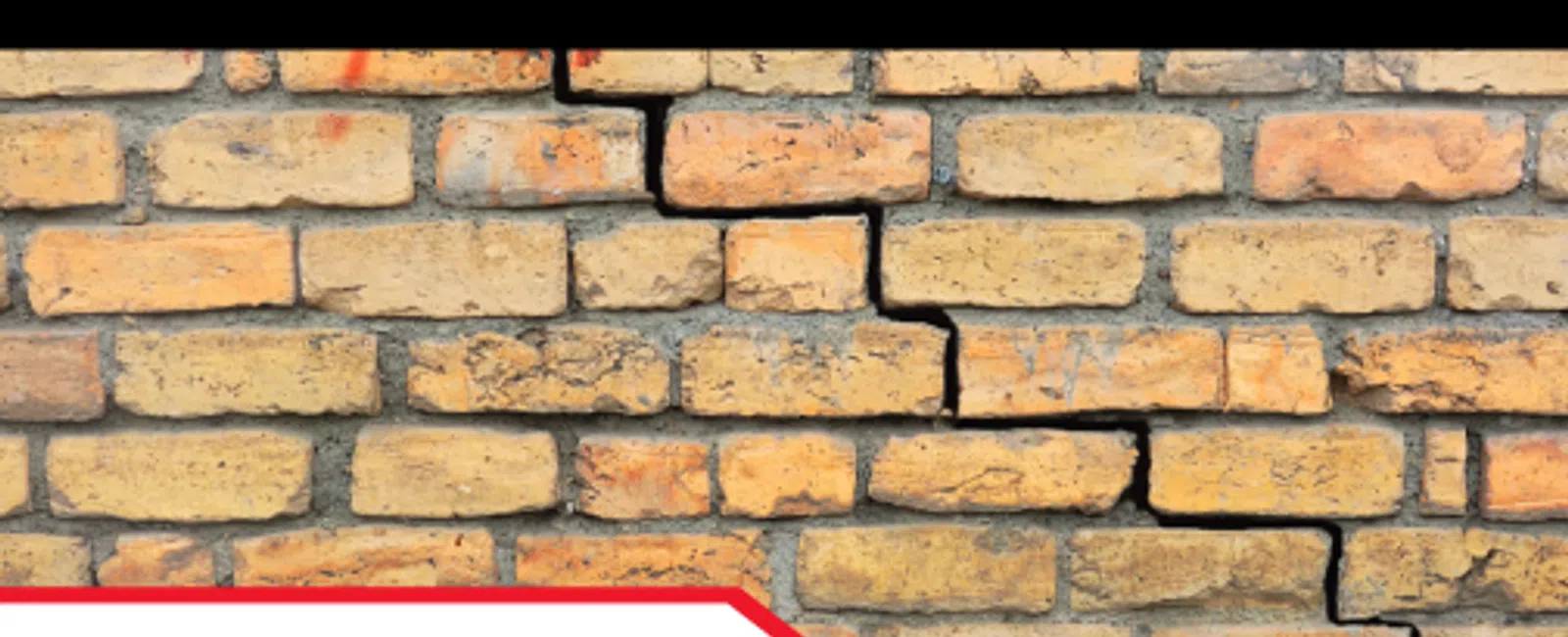
One of the most noticeable exterior warning signs on an older home can be cracking in the brick veneer. While some small masonry cracks may result from normal movement over time, larger or more widespread patterns deserve closer attention. During an inspection of a 1950s home in the Chattanooga area, Licensed and Certified Inspector Jared W. documented extensive brick veneer movement, including severe step cracking, displaced brick, bowed walls, areas that were visibly out of plumb, previous repairs, and signs of settlement. His observations demonstrate why exterior conditions should never be overlooked during the home-buying process.
Through LunsPro Inspection Group, experienced Licensed and Certified Inspectors perform Southeastern Residential and Commercial Inspections that help buyers better understand the visible condition of a property. While inspectors do not determine engineering solutions during a home inspection, documenting significant exterior movement provides valuable information for buyers as they evaluate a home's overall condition.
What Is Brick Veneer?
Many homes throughout the Southeast feature brick veneer rather than full structural brick construction.
Brick veneer is an exterior cladding system attached to the structural framing of the home. Although it provides durability, weather resistance, and curb appeal, it is generally not intended to carry the home's structural loads.
Because the veneer is supported by the foundation and tied to the framing, movement in surrounding components may become visible through the brickwork.
Visible changes in the veneer can sometimes provide clues that additional evaluation is warranted.
What Is Step Cracking?
One of the primary conditions Jared observed was step cracking.
Step cracks follow the mortar joints in a stair-step pattern through the brickwork. These cracks often begin near windows, doors, corners, or other openings where stress naturally concentrates.
Step cracking can vary significantly in appearance.
Some cracks are narrow and relatively isolated.
Others may become wider, extend across large sections of the wall, or include visible displacement between bricks.
During this inspection, Jared documented extensive step cracking around multiple exterior openings, including windows, doors, and the garage area.
Wide Cracks Deserve Attention
Jared noted one crack measuring approximately one-quarter inch wide near a garage door opening.
The width of a crack is one characteristic inspectors observe when documenting visible masonry conditions.
Larger openings may indicate greater movement than narrow hairline cracks, especially when combined with additional symptoms such as:
- Displaced bricks
- Bowed walls
- Multiple crack patterns
- Previous repairs
- Foundation movement
- Doors or windows surrounded by cracking
Rather than evaluating one crack in isolation, inspectors consider the overall pattern visible across the structure.
Brick Movement Is Different From Surface Cracks
One of the most significant observations during this inspection was that portions of the brick veneer had moved enough that Jared could visibly move some of the bricks by hand.
Movement of masonry differs from simple cosmetic cracking.
Visible displacement may indicate that the veneer has shifted from its original position, reducing its stability and potentially allowing additional deterioration if left unaddressed.
Whenever masonry movement is accompanied by separation or looseness, further evaluation is often appropriate.
Why Windows and Doors Often Show Cracking
Several crack patterns in this home appeared around windows and doors.
Openings naturally interrupt the continuity of the wall, making these areas more susceptible to visible stress when movement occurs elsewhere in the structure.
Inspectors frequently pay close attention to:
- Window corners
- Door openings
- Garage doors
- Porch openings
- Foundation transitions
Cracks near these locations do not automatically identify the underlying cause, but they often provide valuable clues about where movement is occurring.
Bowed Walls and Out-of-Plumb Veneer
In addition to cracking, Jared documented portions of the brick veneer that appeared bowed and out of plumb.
A wall that bows outward no longer maintains the straight vertical alignment expected of the original construction.
Jared described one section as appearing "wavy like water," illustrating the degree of visible movement observed from the side profile.
He also measured areas where the veneer was more than one-half inch out of plumb over a four-foot distance.
Visible wall movement is an important observation because it extends beyond isolated cracking and reflects changes in the wall's alignment.
Settlement May Affect Exterior Walls
Throughout the inspection, Jared referenced significant settlement activity.
Settlement occurs when portions of a building move vertically due to changes beneath the supporting structure.
The transcript does not establish the exact cause of settlement at this property, and a home inspection does not determine engineering conclusions. However, inspectors document visible evidence that may suggest movement has occurred.
Visible indicators may include:
- Step cracking
- Vertical displacement
- Uneven brick courses
- Bowed veneer
- Foundation cracking
- Shifting around porches
- Separation near openings
Documenting these conditions provides buyers with a clearer understanding of the property's visible exterior condition.
Drainage Can Influence Exterior Conditions
Jared also noted that a nearby downspout could potentially be related to the settlement observed.
Proper drainage plays an important role in protecting foundations and surrounding soils.
When water is not directed away from the home effectively, moisture conditions around the foundation may change over time.
Good drainage practices typically include:
- Proper downspout discharge
- Positive grading away from the home
- Functional gutters
- Controlled roof runoff
While an inspector may identify drainage concerns, determining whether they caused specific structural movement generally requires additional evaluation beyond the scope of a standard home inspection.
Previous Repairs Tell Part of the Story
Another observation during the inspection was evidence of previous repairs around the garage area.
Previous repair work does not automatically indicate a current problem or unsuccessful repair.
However, repaired areas deserve attention because they suggest the condition may have existed before.
Inspectors typically document visible repair evidence while also noting any remaining movement or deterioration present at the time of inspection.
Why Older Homes Need Thorough Inspections
Jared emphasized that homes from this era deserve comprehensive inspections before purchase.
A home built during the 1950s has experienced decades of:
- Seasonal weather
- Soil movement
- Rainfall
- Temperature changes
- Maintenance
- Renovations
- Repairs
Even when a property appears attractive from the street, significant exterior movement may already be visible.
This inspection demonstrated that important findings were identified before even entering the home.
Exterior observations alone provided substantial information about the property's condition.
Brick Veneer Movement Doesn't Always Tell the Whole Story
Although brick veneer movement can be significant, it should not automatically be interpreted as proof of a particular structural problem.
Home inspectors document what is visible.
They describe:
- Crack patterns
- Displacement
- Bowing
- Alignment
- Visible deterioration
- Previous repairs
Determining the precise cause or recommending structural repairs generally falls outside the scope of a standard home inspection and may require evaluation by qualified specialists.
Why Exterior Inspections Matter Before Buying
Many buyers focus heavily on kitchens, flooring, appliances, and cosmetic updates.
While those features are important, the home's exterior often reveals valuable information about long-term performance.
Inspectors evaluate visible components including:
- Roofing
- Gutters
- Siding
- Brick veneer
- Foundations
- Drainage
- Exterior doors
- Windows
Observations made outside frequently guide buyers toward a better understanding of the home's overall condition.
Homes Throughout the Southeast Experience Similar Conditions
Older brick homes are common across Nashville, Chattanooga, Atlanta, Charlotte, Raleigh, Greensboro, Greenville, Savannah, and Charleston.
Although local soils, weather, and construction practices differ, many older masonry homes experience decades of environmental exposure.
Heavy rainfall, seasonal moisture changes, expanding and contracting soils, and aging construction materials all contribute to the importance of regular inspections.
Because every property is different, visible conditions should always be evaluated individually rather than assumed based on location alone.
Practical Tips for Buyers
If you're considering purchasing an older brick home, keep these recommendations in mind:
- Walk the entire exterior before making assumptions.
- Look for step cracking around doors and windows.
- Notice whether cracks continue over large wall areas.
- Observe whether walls appear straight when viewed from the side.
- Pay attention to previous repairs.
- Consider drainage around the home.
- Schedule a professional home inspection before closing.
These simple steps can help buyers ask informed questions during the purchasing process.
How LunsPro Inspection Group Helps Home Buyers
LunsPro Inspection Group provides comprehensive Southeastern Residential and Commercial Inspections designed to help buyers understand the visible condition of the properties they are considering.
Its Licensed and Certified Inspectors carefully document observations involving structural components, roofing, exterior finishes, brick veneer, drainage, and many other accessible systems throughout the inspection process.
For buyers throughout Nashville, Chattanooga, Atlanta, Charlotte, Raleigh, Greensboro, Greenville, Savannah, and Charleston, professional inspections provide valuable information that supports informed decision-making before closing.
The extensive brick veneer movement documented by Licensed and Certified Inspector Jared W. illustrates why exterior inspections are such an important part of evaluating older homes. Severe step cracking, displaced masonry, bowed walls, out-of-plumb veneer, previous repairs, and visible settlement are all conditions that deserve careful documentation before a buyer commits to a purchase.
While visible cracking alone does not determine the exact cause or required repair, it provides important information about the home's condition and highlights areas that may warrant additional evaluation. As Jared pointed out, these significant exterior findings were observed before even entering the house, reinforcing the value of beginning every inspection with a careful examination of the outside.
For homeowners and buyers across Nashville, Chattanooga, Atlanta, Charlotte, Raleigh, Greensboro, Greenville, Savannah, and Charleston, comprehensive Southeastern Residential and Commercial Inspections from LunsPro Inspection Group help identify visible conditions that might otherwise be overlooked. Experienced Licensed and Certified Inspectors provide objective observations that allow buyers to better understand the homes they are considering.
Whether a property is brand new or more than 70 years old, a thorough inspection remains one of the best ways to gather the information needed to make a confident and informed home-buying decision.