A swimming pool is often one of the most exciting features of a home. It can provide a place to relax, entertain guests, stay active, and spend time with family during the warmer months. For many buyers, a backyard pool is a major selling point that adds both enjoyment and value to a property. However, while pools are designed for recreation, they also include systems and safety features that deserve careful evaluation before regular use.
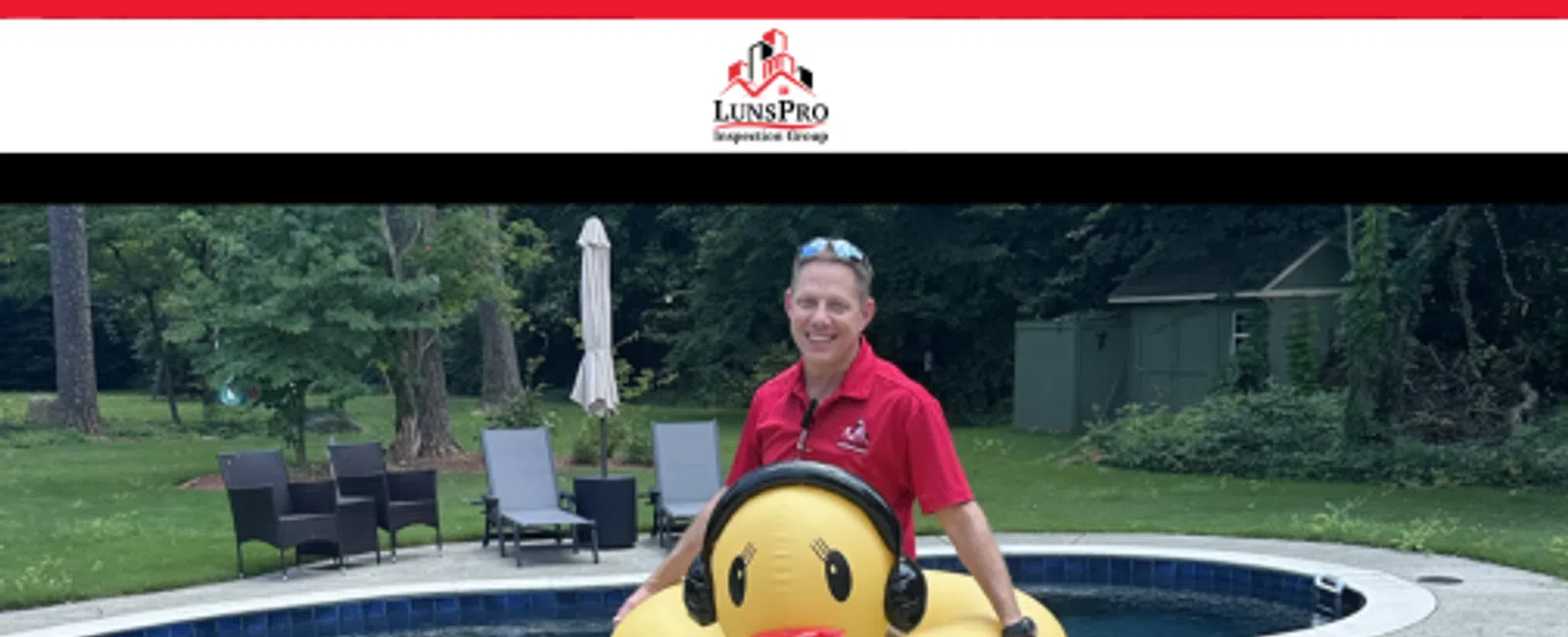
It's easy to focus on clear water, attractive landscaping, or fun pool accessories, but those details don't reveal whether the pool's essential components are functioning properly. Licensed and Certified Inspector Scott A. recently shared a simple reminder during a pool inspection: the inflatable duck may be fun, but the pool itself is serious. Before anyone enjoys the water, important safety features and major components should be evaluated.
For homeowners across Nashville, Chattanooga, Atlanta, Charlotte, Raleigh, Greensboro, Greenville, Savannah, and Charleston, a professional pool inspection provides valuable information about visible and accessible components. Through LunsPro Inspection Group and its Licensed and Certified Inspectors, Southeastern Residential and Commercial Inspections help buyers and homeowners better understand the condition of the property, including outdoor amenities such as swimming pools.
Why a Pool Inspection Is Different From a Home Inspection
A standard home inspection evaluates many major systems within the home, including the roof, electrical system, plumbing, HVAC, structure, and other visible and accessible components.
A pool inspection focuses specifically on the swimming pool and its related equipment and safety features. Because pools contain electrical components, moving equipment, water circulation systems, and safety barriers, they require their own detailed evaluation.
Rather than assuming everything is functioning because the water looks clean, inspectors evaluate visible conditions that may affect safety and operation.
Safety Comes First
Scott emphasized that pool inspections are largely about safety.
Pools naturally present risks because they combine water, electrical equipment, and recreational use. A thorough inspection helps identify visible conditions that deserve attention before homeowners begin using the pool regularly.
While every pool is different, safety-related features deserve careful review because they are designed to help reduce potential hazards.
Why Pool Gates Matter
One of the first items Scott mentioned was the importance of functional gates.
A pool gate serves as part of the property's safety barrier. It helps control access to the pool area and is intended to reduce the likelihood of unsupervised entry.
During an inspection, visible conditions may include whether:
- The gate opens and closes properly
- The gate appears functional
- The latch operates
- The barrier appears complete
- Visible damage is present
A gate that does not function as intended may reduce the effectiveness of the pool enclosure.
Because gates are frequently used, they can experience wear over time. Routine inspection helps identify visible issues before they become larger concerns.
Pool Lighting Is More Than Convenience
Scott also highlighted pool lights as an important inspection item.
Pool lighting serves more than an aesthetic purpose. Properly functioning lighting helps improve visibility around the pool during evening hours and allows users to better observe the water and surrounding deck.
During a pool inspection, visible operation of lighting may be evaluated where practical and accessible.
If lighting does not operate as expected, additional evaluation by a qualified professional may be appropriate.
Looking at Major Pool Components
Scott explained that inspectors evaluate the pool's major components.
Although each inspection depends on the specific property and the accessibility of equipment, major components often include items associated with the pool's visible operation and overall condition.
A professional inspection helps buyers understand whether these components appear to be functioning normally at the time of the inspection.
Identifying concerns before purchasing a home may allow buyers to better understand future maintenance or repair needs.
Why Appearance Doesn't Tell the Whole Story
Many pools look beautiful during a showing.
The water may be clear.
The deck may be clean.
Decorative features may make the backyard feel like a private retreat.
However, visual appearance alone does not confirm that every component is functioning properly.
A clean pool can still have concerns involving:
- Safety features
- Equipment operation
- Lighting
- Gates
- Other accessible components
That is why relying only on appearance can create a false sense of confidence.
Pool Safety Is Especially Important During Summer
Throughout the Southeast, pools receive heavy use during the warmer months.
Long summers in Nashville, Chattanooga, Atlanta, Charlotte, Raleigh, Greensboro, Greenville, Savannah, and Charleston mean families often spend considerable time outdoors.
Before that first swim of the season, homeowners should make sure visible safety features are functioning properly.
Routine inspections can help identify conditions that deserve attention before the pool becomes part of daily summer activities.
Pool Ownership Includes Responsibility
Owning a swimming pool involves more than keeping the water clean.
Responsible ownership includes monitoring visible equipment, maintaining safety features, and addressing concerns as they arise.
Homeowners should routinely pay attention to:
- Gates
- Latches
- Lighting
- Pool equipment
- Surrounding walking surfaces
- Visible signs of wear
Professional inspections complement routine homeowner maintenance by providing an independent evaluation of visible and accessible components.
Pool Inspections for Home Buyers
If a home includes a pool, buyers should consider having it inspected as part of their overall due diligence.
The pool represents a significant feature of the property and may require maintenance, repairs, or future improvements just like any other major system.
A dedicated inspection provides additional information beyond what is typically observed during a casual walkthrough.
Rather than discovering concerns after moving in, buyers have the opportunity to better understand the visible condition before closing.
Why New Pool Owners Benefit From an Inspection
Even experienced homeowners may not be familiar with pool systems if this is their first home with a swimming pool.
A professional inspection can help new owners become more familiar with:
- Visible equipment
- Safety features
- Pool layout
- General operating components
- Maintenance priorities
This knowledge helps homeowners begin ownership with greater confidence.
Pools and Family Safety
Families with children or frequent visitors often place an even greater emphasis on pool safety.
Functional gates and properly operating safety features contribute to creating a safer environment around the pool area.
Although no inspection eliminates every risk, understanding the condition of visible safety features is an important step toward responsible pool ownership.
Routine Maintenance Supports Long-Term Performance
Like every other part of a home, pools benefit from regular maintenance.
Cleaning, water treatment, and routine equipment servicing all contribute to long-term operation.
Periodic inspections also provide opportunities to identify visible changes that may develop over time.
Addressing smaller concerns early can often help homeowners avoid more extensive repairs later.
Why Pool Inspections Complement Home Inspections
A home inspection and a pool inspection work together.
The home inspection evaluates the residence itself, while the pool inspection focuses on the backyard amenity that many buyers intend to use frequently.
Together they provide a more complete understanding of the property.
This combination helps buyers make informed decisions about both indoor and outdoor systems.
Why Southeastern Homeowners Should Consider Pool Inspections
Swimming pools are common throughout many Southeastern communities because of the region's warm climate.
Homes in Nashville, Chattanooga, Atlanta, Charlotte, Raleigh, Greensboro, Greenville, Savannah, and Charleston often include pools that receive months of seasonal use.
Because of that extended use, inspecting visible safety features before regular operation becomes even more valuable.
Knowing that gates, lights, and other major components appear to be functioning properly helps homeowners begin the swimming season with greater confidence.
Practical Pool Safety Reminders
Scott's inspection highlights several practical reminders for homeowners:
- Don't judge a pool by appearance alone.
- Make sure pool gates operate properly.
- Verify that pool lights function as intended.
- Pay attention to visible safety features.
- Consider a professional pool inspection before purchasing a home.
- Continue routine maintenance throughout ownership.
These simple habits help support safer and more enjoyable pool ownership.
How LunsPro Inspection Group Helps
LunsPro Inspection Group provides comprehensive Southeastern Residential and Commercial Inspections that help buyers and homeowners better understand their properties. In addition to evaluating the home itself, Licensed and Certified Inspectors also perform pool inspections that focus on visible and accessible components and important safety features.
For buyers throughout Nashville, Chattanooga, Atlanta, Charlotte, Raleigh, Greensboro, Greenville, Savannah, and Charleston, adding a pool inspection can provide valuable information before closing. Understanding the condition of the pool helps homeowners plan for maintenance, prioritize safety, and enjoy one of the home's most popular outdoor features with greater confidence.
A backyard pool can be one of the most enjoyable parts of a home, but it also comes with important responsibilities. As Scott A. points out, while pool toys may bring fun to the backyard, the pool itself deserves serious attention. Functional gates, working lights, and properly operating major components all contribute to a safer environment for homeowners and their guests.
For homeowners across the Southeast, a professional pool inspection is a practical way to better understand the condition of these visible features before regular use begins. LunsPro Inspection Group and its Licensed and Certified Inspectors provide detailed Southeastern Residential and Commercial Inspections that help buyers make informed decisions about every part of a property—including the pool.
Whether you're purchasing your first home with a pool or preparing for another summer season, taking the time to inspect visible safety features can help you enjoy your backyard with greater confidence and peace of mind.