
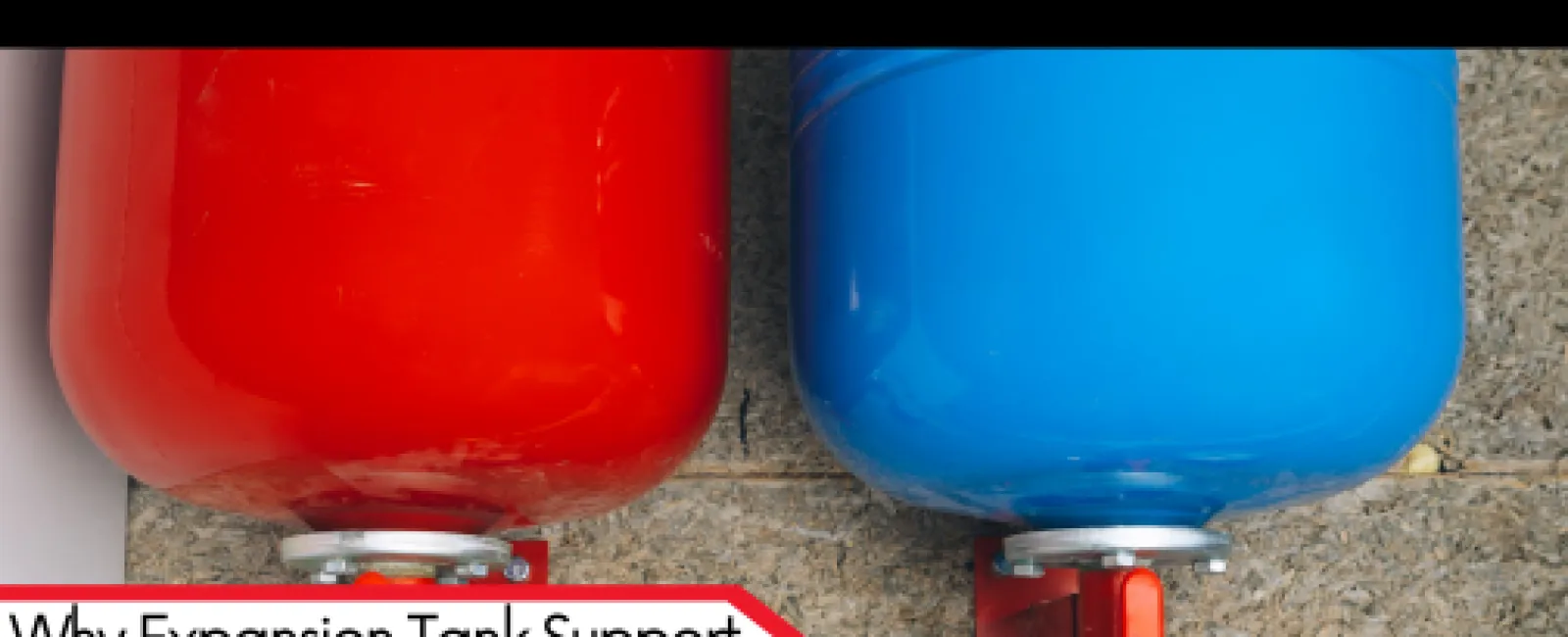
Water heater systems are designed to operate safely under pressure, and one key component that helps regulate that pressure is the expansion tank. While it may appear to be a small addition to the system, the expansion tank plays a critical role in maintaining balance within the plumbing. However, for it to function properly, it must be installed and supported correctly.
In a recent inspection, Licensed Inspector Devin P. identified an expansion tank that was not properly supported. The tank appeared to be leaning, with evidence that an attempt had been made to secure it using drywall screws instead of a more appropriate fastening method. As a result, the weight of the tank was not adequately supported, placing stress on the connected piping—specifically flexible PEX piping. This condition highlights an important issue: improper support can lead to long-term strain and potential failure within a plumbing system.
For homeowners throughout the Southeast, inspections conducted by LunsPro Inspection Group provide valuable insight into these types of conditions. Through comprehensive Southeastern Residential and Commercial Inspections, Licensed Inspectors evaluate plumbing components to identify visible concerns that may impact system performance.
What an Expansion Tank Does
An expansion tank is designed to absorb excess pressure within a water heater system. As water heats, it expands, and without a mechanism to manage that expansion, pressure can build within the system.
The expansion tank helps by:
- Providing a space for expanded water to go
- Reducing pressure buildup in the system
- Helping protect plumbing components from stress
Because it is connected directly to the plumbing system, its installation and support are important for overall performance.
Why Proper Support Is Necessary
Expansion tanks are often mounted near the water heater and connected to the plumbing system. While they may appear lightweight when empty, they become significantly heavier when filled with water.
Proper support is necessary to:
- Prevent movement or shifting
- Maintain alignment with connected piping
- Reduce stress on fittings and connections
- Ensure long-term stability
In the scenario observed by Licensed Inspector Devin P., the tank was not adequately supported, allowing it to lean and place additional strain on the piping.
The Problem with Improper Fasteners
The use of drywall screws to secure an expansion tank is not sufficient for supporting the weight of a water-filled tank. Drywall screws are not designed to handle significant loads, especially when attached to materials that may not provide strong anchoring.
Proper fastening typically involves:
- Securing into structural framing (such as studs)
- Using appropriate hardware designed for load-bearing support
When incorrect fasteners are used, the connection may weaken over time, increasing the likelihood of movement or failure.
How This Affects PEX Piping
PEX piping is commonly used in modern plumbing systems due to its flexibility and durability. While it can accommodate some movement, it is not intended to support the weight of heavy components like an expansion tank.
In this case, the leaning tank placed stress on the connected PEX piping. Over time, this stress can:
- Cause the piping to bend excessively
- Place strain on fittings and connections
- Increase the risk of leaks
This demonstrates how one improperly supported component can affect other parts of the system.
Why This Issue May Develop Over Time
Improperly supported expansion tanks may not fail immediately. Instead, the issue can develop gradually as the system is used.
Factors that contribute to this include:
- Continuous pressure changes within the system
- The weight of the tank when filled
- Movement caused by improper support
Over time, these factors can lead to increased stress and eventual failure.
The Role of Licensed Inspectors
Licensed Inspectors are trained to identify visible conditions that may impact system performance. During an inspection, they evaluate plumbing components to ensure they are properly installed and supported.
This includes:
- Observing the position and alignment of the expansion tank
- Checking for secure attachment
- Evaluating the condition of connected piping
- Documenting any visible concerns
By identifying these issues, inspectors help homeowners understand potential risks.
Why This Matters for Southeastern Homeowners
Homes in the Southeastern United States often experience environmental conditions that can affect plumbing systems. Temperature fluctuations, humidity, and regular system use all contribute to how materials perform over time.
Because of these factors, ensuring that components are properly supported is especially important. Through Southeastern Residential and Commercial Inspections, Licensed Inspectors consider these regional influences when evaluating homes.
Preventative Awareness for Homeowners
Homeowners can benefit from understanding how their plumbing systems are configured. While not all components are easily accessible, visible elements such as expansion tanks can provide insight into system condition.
Things to look for may include:
- Whether the tank appears securely mounted
- Signs of leaning or movement
- Stress on connected piping
Recognizing these indicators can help homeowners stay aware of potential concerns.
The Value of Professional Inspections
Professional inspections conducted by LunsPro Inspection Group provide a detailed evaluation of a home's plumbing system. Licensed Inspectors identify visible conditions and document their findings in a clear and organized manner.
Through these inspections, homeowners receive:
- Insight into system performance
- Documentation of observed conditions
- Information to support informed decisions
This level of detail helps homeowners better understand their property.
A Broader Perspective on Plumbing System Integrity
Plumbing systems rely on proper installation, support, and alignment to function effectively. Each component plays a role in maintaining system balance, and issues with one part can affect others.
By identifying conditions like an unsupported expansion tank, Licensed Inspectors provide valuable insight into how the system is performing.
What Homeowners Can Learn from This Inspection
The situation observed by Licensed Inspector Devin P. offers several important takeaways:
1. Proper support is essential.
Heavy components like expansion tanks must be securely mounted.2. Incorrect materials can lead to issues.
Using drywall screws for support is not sufficient.
3. Stress can build over time.
Leaning components can place strain on connected piping.
4. Professional inspections provide clarity.
Licensed Inspectors help identify conditions that may not be obvious.
The unsupported expansion tank observed during this inspection highlights how improper installation can lead to stress within a plumbing system. While the issue may not cause immediate failure, the combination of weight, pressure, and inadequate support creates conditions that can lead to problems over time.
For homeowners throughout the Southeast, working with professionals like LunsPro Inspection Group ensures that these types of concerns are identified through thorough Southeastern Residential and Commercial Inspections. Licensed Inspectors provide valuable insight into system performance, helping homeowners understand how different components interact.
Ultimately, maintaining a home involves paying attention to both major systems and smaller details. By recognizing the importance of proper support and relying on professional inspections, homeowners can better protect their property and avoid unexpected issues.