
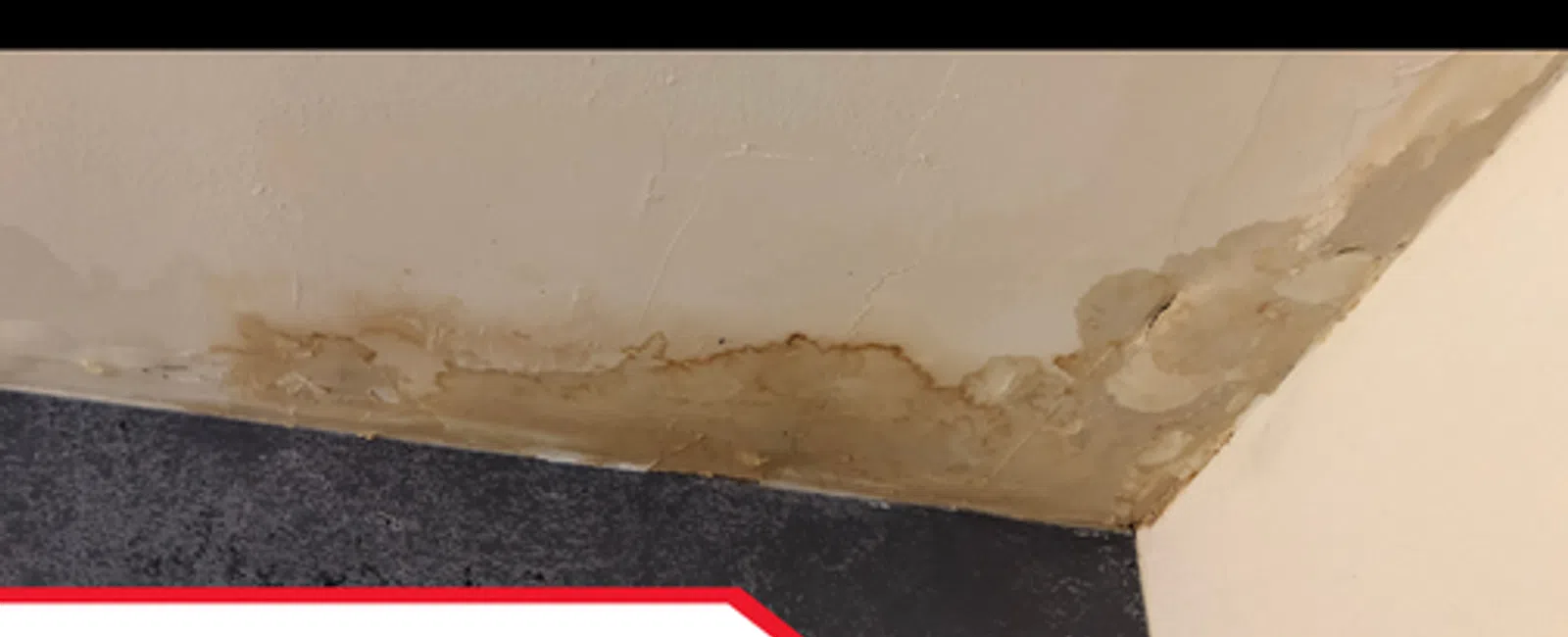
A slow leak in a kitchen can be easy to underestimate. At first, it may seem like a minor plumbing issue or a small amount of moisture around an appliance. But when a leak continues over time, the water can affect cabinets, drywall, flooring, subflooring, and even structural components below the room. By the time visible damage appears, the condition may already extend farther than a homeowner expects.
That is especially important when buying an older or "as-is" property. In those situations, the buyer may be accepting the home in its current condition, which makes understanding that condition even more valuable. During an inspection of a 1980s home in Murfreesboro, Tennessee, Licensed and Certified Inspector David L. found an ongoing leak associated with a refrigerator water line. The area was heavily saturated, visible growth was present on both cabinetry and drywall, and the flooring had begun to sag.
For buyers throughout Nashville, Chattanooga, Atlanta, Charlotte, Raleigh, Greensboro, Greenville, Savannah, and Charleston, this type of condition demonstrates why a professional inspection can be especially important in older homes and as-is transactions. Through LunsPro Inspection Group, experienced Licensed Inspectors perform thorough Southeastern Residential and Commercial Inspections that help clients better understand visible and accessible property conditions before taking ownership.
Why Small Plumbing Leaks Can Cause Big Damage
A plumbing leak does not have to be dramatic to become significant.
A pipe that bursts may create immediate flooding and obvious damage. A slow refrigerator water line leak is different. It may release only a small amount of water at a time, but if the condition continues for days, weeks, or months, that moisture can accumulate in building materials.
Commonly affected materials may include:
- Cabinet bases
- Drywall
- Flooring
- Subflooring
- Trim
- Floor framing
- Materials in the crawlspace or level below
The longer the leak continues, the more opportunity water has to move beyond the original source.
This is why identifying the source matters just as much as identifying the visible symptom.
Refrigerator Water Lines Are Easy to Forget
Many modern kitchens include refrigerators connected to a water supply for ice makers and water dispensers.
Because the water line is typically hidden behind the appliance, homeowners may not see it during everyday use.
That makes these connections easy to forget until a problem becomes visible.
A leak behind a refrigerator may remain concealed by the appliance itself. Water can collect beneath cabinets or flooring before it appears in a visible location.
If the homeowner rarely moves the refrigerator, the condition may continue unnoticed.
In David's inspection, the refrigerator water line had been leaking for an unknown period of time, and the surrounding materials showed evidence that the condition had been present for a while.
Why the Length of Time Matters
Moisture damage is strongly influenced by duration.
A brief exposure may cause limited surface damage. Persistent moisture can saturate absorbent materials and spread beyond the immediate area.
In the Murfreesboro home, David noted that the materials were heavily saturated and that visible growth had developed.
He also observed sagging in the floor.
Those conditions suggest the leak had not been a short-term event.
The exact duration could not be determined from the inspection alone, but the important point is that continued leakage had already affected multiple building materials.
Visible Growth Needs Attention
David observed visible growth on the cabinet and drywall.
Homeowners should avoid automatically identifying visible growth by appearance alone. Different materials can look similar, and determining exactly what is present may require additional evaluation.
However, visible growth in an area with known moisture is still important because it indicates that the materials have been exposed to damp conditions long enough for changes to occur.
The most important first step is always controlling the moisture source.
If the refrigerator water line continues leaking, cleaning or treating visible surfaces alone will not solve the underlying problem.
Once the leak is repaired, affected materials can be evaluated appropriately.
Saturated Drywall Can Deteriorate
Drywall is not designed to remain wet.
When exposed to prolonged moisture, it can soften, stain, swell, or deteriorate.
In this inspection, David noted visible growth on the drywall and described the area as heavily saturated.
That matters because drywall can conceal what is happening behind the finished surface.
Moisture may have traveled into adjacent wall cavities or floor assemblies.
A standard home inspection cannot determine every concealed condition, but visible saturation provides an important reason to recommend further evaluation and repair.
Why Sagging Floors Are Significant
One of the more concerning observations in the kitchen was sagging flooring.
A floor should remain stable and reasonably level under normal use.
When a section begins to sag in an area with long-term moisture exposure, the condition may indicate that materials beneath the finished floor have been affected.
Potentially affected components can include:
- Subflooring
- Underlayment
- Floor framing
- Finish flooring
The exact cause and extent need to be evaluated based on the specific construction.
However, visible sagging in a moisture-damaged area should never be treated as merely cosmetic.
It may indicate that the leak has affected more than surface finishes.
Why the Crawlspace Matters
David noted that he expected to find additional evidence of the moisture problem in the crawlspace.
That expectation makes sense because water can move downward through flooring assemblies.
A kitchen leak may eventually affect:
- Subflooring
- Joists
- Insulation
- Plumbing components
- Crawlspace surfaces
This is one reason crawlspaces are important parts of a professional home inspection.
Buyers may never enter them during a showing, but crawlspaces can provide valuable information about what is happening beneath the living areas.
Moisture-related findings below a kitchen may help explain visible conditions above.
"As-Is" Does Not Mean "Skip the Inspection"
One of the most important lessons from this home is the distinction between buying a property "as-is" and buying it without information.
An as-is sale generally means the seller is offering the property in its current condition and may not intend to make repairs.
That does not make an inspection less useful.
In many ways, it can make the inspection even more important.
If the buyer is going to assume responsibility for existing conditions, they need to understand what those conditions are before making the final decision.
A professional inspection can help identify:
- Moisture concerns
- Electrical issues
- Structural defects
- Plumbing problems
- HVAC conditions
- Roofing concerns
- Visible safety issues
- Deferred maintenance
The goal is not necessarily to ask the seller to repair everything.
The goal is to understand what the buyer may be taking on.
Older Homes Require Context
A home built in the 1980s has already experienced decades of normal use and maintenance.
That does not automatically mean it is in poor condition.
Many homes from that era have been carefully maintained and updated.
But older properties can contain systems and materials that have been repaired or modified over time.
Buyers may encounter:
- Original plumbing components
- Replacement appliances
- Updated HVAC systems
- Renovated kitchens
- Older electrical components
- Repairs completed at different times
A professional inspection helps provide context.
Rather than assuming the home is good or bad because of its age, the property can be evaluated based on its current visible condition.
Moisture Problems Are Especially Important in the Southeast
The Southeast already experiences high humidity and substantial rainfall.
Homes in Nashville, Chattanooga, Atlanta, Charlotte, Raleigh, Greensboro, Greenville, Savannah, and Charleston all face varying levels of heat and humidity throughout the year.
Indoor leaks add another source of unwanted moisture.
When building materials remain wet, humid conditions may slow drying and increase the importance of addressing the source quickly.
This is one reason moisture management should remain a priority for Southeastern homeowners.
The goal is always to keep water where it belongs and prevent prolonged exposure to materials that are not designed to remain wet.
Why Buyers Should Pay Attention to Kitchens
Kitchens contain multiple plumbing connections and appliances.
Potential water sources include:
- Sink supply lines
- Sink drains
- Dishwashers
- Refrigerator water lines
- Ice makers
- Filtration systems
Any of these components can develop a leak.
Because cabinets and appliances can conceal portions of the plumbing, buyers may not notice a problem during a walkthrough.
A professional inspection can evaluate visible and accessible conditions and operate fixtures where appropriate.
When moisture is found, the inspector can document the condition and recommend further evaluation when needed.
Surface Repairs Are Not Enough
A common mistake with water damage is focusing only on what can be seen.
If a cabinet is stained, someone may replace the cabinet.
If drywall is damaged, someone may repaint it.
If flooring looks bad, someone may replace the finish material.
But none of those repairs will solve the problem if the water source remains active.
The proper sequence is:
- Identify the source.
- Stop the leak.
- Evaluate affected materials.
- Repair or replace damaged components as appropriate.
- Confirm the area is dry before completing cosmetic restoration.
This sequence helps reduce the chance of the problem returning.
Why Inspection Findings Should Be Documented
A detailed inspection report gives buyers a record of what was observed at the time of the inspection.
That documentation can be especially useful in an as-is transaction.
Rather than relying on memory, buyers can review:
- Photographs
- Descriptions
- Locations
- Recommendations
- Observed conditions
This helps them make informed decisions about repairs, budgeting, and future maintenance.
The report does not guarantee that every concealed condition has been discovered, but it provides valuable information about what was visible and accessible during the inspection.
The Value of a Thorough Report
David emphasized the importance of receiving a thorough report on an as-is home.
That is an important point.
A good inspection report should help the client understand not just that a condition exists, but why it deserves attention.
For example, "water leak near refrigerator" provides basic information.
A more useful explanation includes the visible saturation, growth on surrounding materials, floor sagging, and the likelihood that additional areas below may also be affected.
That context helps the buyer understand the potential scope of the issue.
How LunsPro Inspection Group Helps Buyers
LunsPro Inspection Group provides professional inspection services throughout the Southeast.
Through detailed Southeastern Residential and Commercial Inspections, its Licensed Inspectors evaluate visible and accessible components throughout the property.
That may include:
- Roofing
- Structural components
- Crawlspaces
- Electrical systems
- Plumbing
- HVAC equipment
- Interior finishes
- Exterior components
- Moisture-related conditions
For buyers considering older or as-is homes, this broad evaluation can help reveal conditions that are easy to miss during a normal showing.
The objective is not to create fear.
It is to provide information.
As-Is Buyers Need Realistic Expectations
An as-is property can still be a good purchase.
Some buyers are comfortable taking on repairs.
Others may be looking for a property they can renovate over time.
The important part is understanding the visible condition before making that commitment.
A leaking refrigerator water line that has already led to saturated materials, visible growth, and sagging floors represents more than a minor maintenance item.
It is exactly the kind of condition a buyer should know about before taking ownership.
That information allows the buyer to consider repair costs, timing, disruption, and whether additional professional evaluation is needed.
The moisture damage identified by Licensed and Certified Inspector David L. demonstrates how a relatively small plumbing leak can become a much larger problem when it continues unnoticed. A refrigerator water line had been leaking long enough to saturate surrounding materials, produce visible growth on cabinets and drywall, and contribute to sagging flooring. The condition also raised concern that additional damage could be present in the crawlspace below.
For buyers considering an older or as-is property, this is a strong reminder that appearances do not always reveal the full condition of a home. A kitchen may look functional while moisture is affecting hidden materials beneath cabinets or flooring. A walkthrough may reveal very little compared with what a systematic professional inspection can uncover.
For homeowners and buyers throughout Nashville, Chattanooga, Atlanta, Charlotte, Raleigh, Greensboro, Greenville, Savannah, and Charleston, LunsPro Inspection Group provides thorough Southeastern Residential and Commercial Inspections performed by experienced Licensed Inspectors. The goal is to help clients understand what is visible and accessible so they can make informed decisions about the property.
"As-is" should never mean "unknown." A professional inspection helps replace uncertainty with information, giving buyers a clearer picture of the repairs, maintenance, and planning that may come with the home they are considering.