
Electrical grounding is one of those home systems that most people rarely think about until something is wrong. Unlike a leaking faucet or a cracked window, a grounding issue may not create an obvious everyday symptom. The lights may still work, appliances may still run, and the home may seem completely normal. Yet the grounding system plays an important role in electrical safety, which is why visible defects deserve attention when they are found.
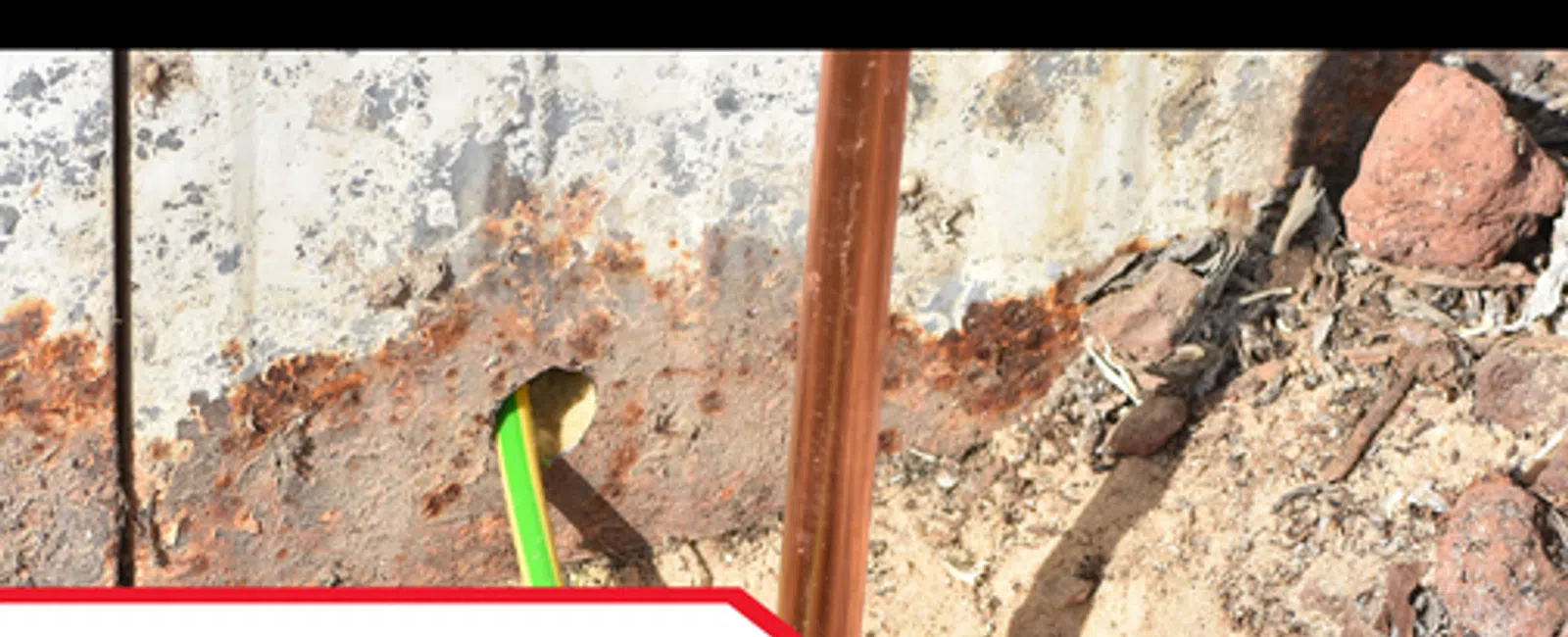
Licensed and Certified Inspector Devin P recently highlighted a grounding electrode conductor that was not properly connected to the ground rod. He explained that the metal rod extending into the soil is part of the grounding system, but if the conductor and rod are no longer connected, the intended grounding path is interrupted. He also pointed out that this type of damage can happen when exterior equipment, such as a lawn mower, strikes the connection.
For homeowners throughout Nashville, Chattanooga, Atlanta, Charlotte, Raleigh, Greensboro, Greenville, Savannah, and Charleston, this is a useful reminder that some important electrical components are located outside the home and can be affected by routine yard work or exterior activity. Through LunsPro Inspection Group, experienced Licensed Inspectors perform thorough Southeastern Residential and Commercial Inspections that help identify visible electrical concerns before they are ignored or overlooked.
What Is a Grounding Electrode Conductor?
A grounding electrode conductor is part of the electrical grounding system.
In simple terms, it connects the home's electrical system to a grounding electrode, such as a ground rod installed in the earth.
The exact configuration of a grounding system can vary depending on the property, but the basic purpose is to provide a connection between the electrical system and the grounding electrode.
Devin demonstrates this by showing the conductor and the rod extending down into the ground.
When that connection is intact, the grounding system can perform as intended.
When the conductor is disconnected, damaged, or separated from the rod, the intended path is no longer complete.
Why the Ground Rod Matters
The ground rod is installed into the earth and serves as one part of the grounding electrode system.
It is not simply an exposed piece of metal beside the home.
It is part of a larger electrical safety arrangement.
Homeowners may walk past a ground rod for years without realizing what it is. Because it is often located close to the exterior wall and near grade, it can also be easy to bump, strike, or damage unintentionally.
That is one reason exterior inspections matter.
A visible grounding connection can sometimes reveal a problem that the homeowner would never notice from inside the house.
Why a Disconnected Grounding Conductor Is Important
Devin describes the disconnected condition as a significant electrical hazard for the home and the people inside it.
That is the most important takeaway.
The issue is not cosmetic.
A grounding conductor is not there for appearance. It serves a functional electrical safety purpose.
When the connection is interrupted, the home's grounding system may not perform as intended under fault or abnormal electrical conditions.
The exact effect depends on the electrical system and circumstances, but the visible disconnection itself deserves prompt evaluation and repair by a qualified electrician.
Why Lawn Equipment Can Cause Damage
One of the more practical points Devin makes is that these connections can sometimes be damaged by lawn mowers.
That makes sense because grounding components may be installed low on the exterior wall or near ground level.
Exterior equipment can contact them accidentally.
Potential sources of damage may include:
- Lawn mowers
- String trimmers
- Landscaping equipment
- Yard tools
- Maintenance work near the foundation
A conductor that was originally installed correctly may later become damaged during routine property maintenance.
This is a good example of why home condition can change over time.
A system can begin in proper condition and later develop a defect through accidental impact.
Why Homeowners May Not Notice the Problem
A disconnected grounding conductor may not produce an immediate visible or audible warning.
That is one of the reasons it can remain unnoticed.
The home may still have power.
Lights may still turn on.
Electrical devices may still operate.
Without someone looking at the exterior connection, the homeowner may have no reason to suspect anything is wrong.
That is where professional inspection can provide value.
Licensed Inspectors systematically evaluate accessible electrical components and exterior conditions rather than relying only on whether the home appears to function normally.
Exterior Electrical Components Deserve Attention
Electrical inspection is not limited to interior outlets and the main service panel.
Important components may also be located on the exterior of the home.
Depending on the property, inspectors may observe visible conditions involving:
- Service equipment
- Grounding connections
- Exterior receptacles
- Disconnects
- Meter equipment
- Other accessible electrical components
The exact scope depends on the inspection and property configuration.
The key point is that exterior electrical systems deserve the same attention as interior components.
Why Grounding Is Part of a Larger Safety System
The grounding electrode conductor does not operate in isolation.
It is one part of the home's broader electrical system.
That system includes components such as:
- Service equipment
- Branch circuits
- Breakers
- Conductors
- Grounding components
- Bonding components
Each part plays a specific role.
A home inspector does not redesign the electrical system during an inspection. Instead, the inspector identifies visible conditions that do not appear appropriate and recommends further professional evaluation where needed.
When a grounding conductor is visibly disconnected, that is a clear condition to document.
Older and Newer Homes Can Both Have Grounding Issues
Electrical grounding concerns are not limited to homes of a particular age.
An older home may contain aging or modified electrical components.
A newer home can still have exterior damage after construction is complete.
A conductor can be hit by landscaping equipment regardless of whether the property is five years old or fifty.
This is why home age should not replace inspection.
A professional evaluation should be based on the condition that exists at the time of the inspection.
Why This Matters Across the Southeast
Homes throughout the Southeast often have active outdoor areas, regular landscaping, long mowing seasons, and frequent property maintenance.
That includes homes in Nashville, Chattanooga, Atlanta, Charlotte, Raleigh, Greensboro, Greenville, Savannah, and Charleston.
Because yard work happens often in these regions, exterior electrical components may be exposed to repeated activity around the foundation.
This does not mean grounding connections are constantly being damaged.
It simply means homeowners should remain aware that exterior electrical components can be affected by maintenance activity.
Periodic inspection helps identify visible issues before they remain unnoticed for long periods.
What Homeowners Can Look For
Homeowners should not attempt electrical repairs themselves unless they are properly qualified.
However, they can remain aware of visible conditions around the exterior of the home.
If a grounding conductor appears:
- Broken
- Loose
- Disconnected
- Bent
- Damaged
- Pulled away from the grounding electrode
the area should be evaluated by a qualified electrical professional.
Homeowners should avoid handling or repositioning electrical components without proper training.
The goal is awareness, not DIY repair.
Why Professional Electrical Evaluation Matters
A home inspection can identify the visible problem, but a qualified electrician is the appropriate professional to determine the repair method.
That distinction is important.
The inspector documents that the grounding conductor is disconnected.
The electrician can then evaluate:
- The condition of the conductor
- The clamp or connector
- The grounding electrode
- Other related grounding components
- The appropriate correction
This layered approach helps keep inspection findings accurate and repairs appropriately specialized.
Small Exterior Defects Can Have Big Consequences
One reason this finding is so useful from an educational standpoint is that the problem looks physically small.
A short piece of conductor and a connection at a ground rod do not appear dramatic.
Yet Devin emphasizes that the condition can create a significant electrical concern for the whole house.
That contrast is important.
Not every serious home issue looks serious.
A missing shingle may be small.
A loose electrical connection may be small.
A damaged grounding conductor may be small.
The physical size of the defect does not determine how important it is.
Why Home Inspections Need a Systematic Approach
A thorough inspection relies on a methodical process.
Inspectors move through the property checking accessible systems and components rather than focusing only on what immediately catches attention.
Electrical grounding is a good example.
Most buyers would not walk around the exterior looking for a ground rod connection.
A Licensed Inspector is more likely to recognize the component, understand its purpose, and notice when something is visibly wrong.
That professional perspective can reveal conditions that a casual walkthrough would miss.
Electrical Safety Should Never Be Assumed
Homeowners sometimes assume that if the electricity works, the electrical system must be safe.
That is not a reliable conclusion.
An electrical system can continue operating while still containing visible deficiencies.
Examples may include:
- Loose connections
- Damaged conductors
- Missing protection
- Improper installations
- Grounding issues
The continued operation of appliances does not prove that every safety component is functioning properly.
That is why inspection focuses on condition, not just operation.
Maintenance Around the Foundation Matters
The area immediately around the home often contains more than landscaping.
It may also include:
- Utility penetrations
- Electrical components
- Grounding equipment
- Plumbing connections
- HVAC lines
- Drainage components
Homeowners and landscaping crews should therefore use care when operating equipment close to the foundation.
A mower or trimmer can damage more than plants.
Being aware of exposed building systems can reduce the likelihood of accidental damage.
How LunsPro Inspection Group Helps Homeowners
LunsPro Inspection Group provides professional inspection services designed to help homeowners and buyers better understand visible and accessible property conditions.
Through comprehensive Southeastern Residential and Commercial Inspections, its Licensed Inspectors evaluate components involving:
- Electrical systems
- Roofing
- Plumbing
- HVAC equipment
- Structural components
- Exterior conditions
- Interior systems
- Safety concerns
The purpose is not to make unsupported diagnoses.
It is to identify visible concerns and provide clear information that helps clients determine appropriate next steps.
A disconnected grounding electrode conductor is exactly the kind of issue a professional inspection is designed to document.
Electrical Findings Can Be Easy to Overlook
Homeowners naturally focus on visible and functional parts of the property.
They may notice a flickering light or a broken switch.
A grounding connection outside the house is much easier to ignore.
That is why inspection adds value.
The process looks beyond everyday use and examines accessible components that homeowners may rarely think about.
The result is a more complete understanding of the property's visible condition.
The disconnected grounding electrode conductor identified by Licensed and Certified Inspector Devin P is a strong reminder that some important electrical safety components are easy to overlook. The ground rod may be visible outside the home, but if the conductor is no longer properly connected, the intended grounding path is interrupted. Devin also points out that routine yard work, such as lawn mowing, can sometimes damage these exterior connections.
For homeowners throughout Nashville, Chattanooga, Atlanta, Charlotte, Raleigh, Greensboro, Greenville, Savannah, and Charleston, this is another reason to pay attention to exterior electrical components and schedule professional inspections when appropriate. A home can continue to function normally while still containing a visible electrical defect that deserves repair.
Through LunsPro Inspection Group, experienced Licensed Inspectors provide detailed Southeastern Residential and Commercial Inspections that help identify these kinds of conditions before they are forgotten or ignored. The goal is simple: help homeowners understand what is present, what deserves attention, and when a qualified professional should be brought in.
Electrical grounding may not be something homeowners think about every day, but it is an important part of the home's safety system. When the connection is visibly damaged or disconnected, it should be taken seriously and corrected by the appropriate electrical professional.