
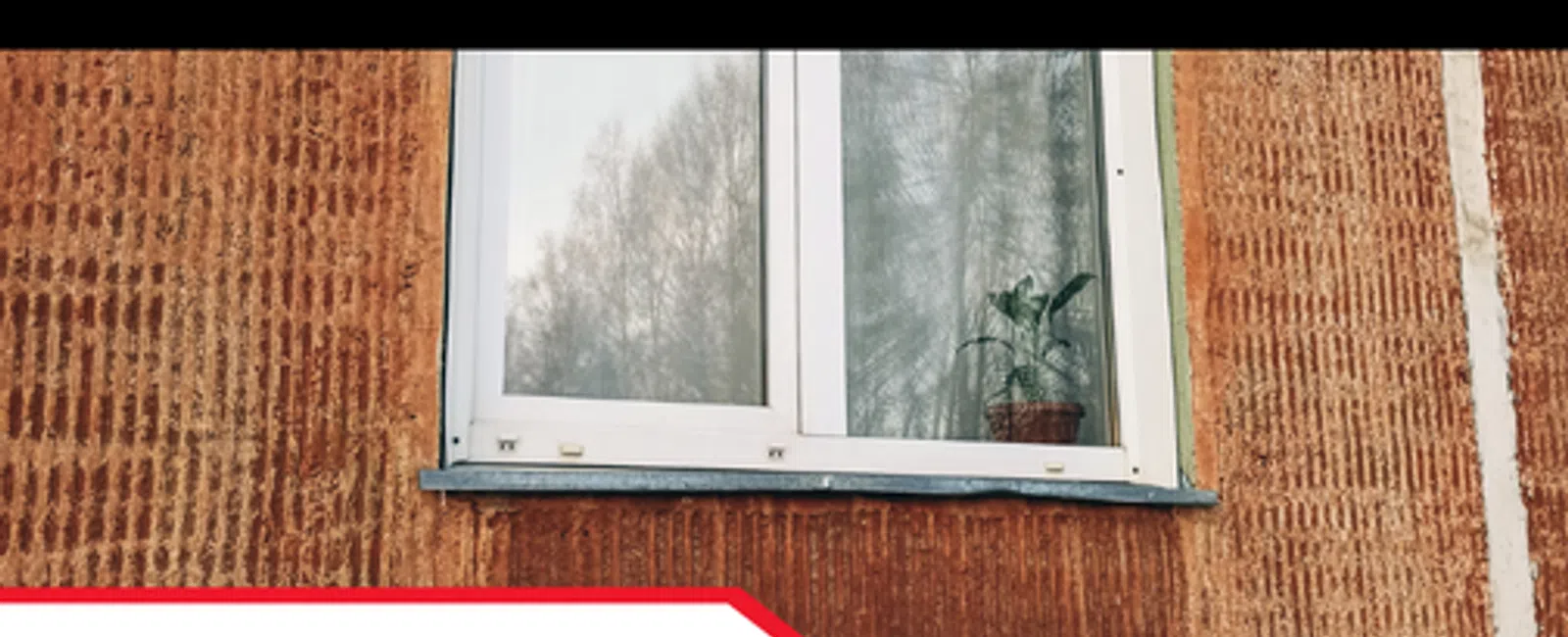
Not everything discovered during a home inspection is a defect. Occasionally, an inspector encounters something that simply makes the day more interesting. Licensed and Certified Inspector Jared of LunsPro Inspection Group recently spotted a tiny frog resting on the exterior wall of a home. There was no reason to turn the little visitor into a major concern. It was simply an unexpected sight while examining the outside of the property.
The encounter does, however, provide a useful opportunity to discuss an important part of professional home inspections: paying close attention to the exterior. While a frog on the siding may simply be a fun discovery, the same careful visual process can help Licensed Inspectors notice visible conditions involving siding, windows, exterior penetrations, foundation areas, and other accessible components. For homeowners throughout the Southeast, the exterior deserves more than a quick glance because it is the first place where many building materials interact with weather and outdoor conditions.
Professional Southeastern Residential and Commercial Inspections performed by LunsPro Inspection Group take a systematic approach to evaluating accessible property components. Whether a home is located in Nashville, Chattanooga, Atlanta, Charlotte, Raleigh, Greensboro, Greenville, Savannah, or Charleston, taking time to examine the exterior helps provide a more complete understanding of the property.
Exterior Inspections Require Attention to Detail
A homeowner may walk around a house regularly without truly examining the exterior.
That is understandable.
Once people become familiar with their homes, siding, windows, foundation walls, and other exterior features tend to blend into the background. Unless something changes dramatically, it may not attract much attention.
An inspector approaches the exterior differently.
Instead of simply looking at the house as a whole, the inspector observes individual accessible components and their visible condition.
The tiny frog Jared spotted demonstrates the level of attention involved. If an inspector can notice something that small against an exterior wall, it is a good illustration of how carefully the exterior is being observed.
That does not mean the frog itself represents a concern. It doesn't.
The lesson is about observation.
Not Every Inspection Find Is a Problem
Home inspections are commonly associated with defects.
People often expect inspectors to find damaged roofing, plumbing leaks, electrical concerns, or other conditions that require attention.
But inspectors also encounter plenty of things that are completely harmless.
A frog resting on exterior siding is a good example.
Professional inspection requires distinguishing between an interesting observation and a property condition that actually needs to be documented as a concern.
That distinction is important because an inspection should provide useful information rather than make ordinary conditions sound alarming.
A tiny frog does not need to become a dramatic inspection finding.
Sometimes a frog is just a frog.
Why the Home's Exterior Matters
Although this particular observation was lighthearted, exterior evaluation is a serious part of understanding a home's condition.
The exterior forms an important boundary between interior building materials and outdoor conditions.
Rain, wind, sunlight, humidity, temperature changes, landscaping, and normal aging all interact with exterior materials.
Depending on the home and what is accessible, an inspector may observe components such as:
- Exterior wall coverings
- Windows and exterior trim
- Foundation areas
- Doors
- Exterior penetrations
- Visible flashing details
- Porches and decks
- Other accessible exterior features
The exact components and conditions vary from property to property.
The objective is to evaluate what is visible rather than assume the exterior is in good condition simply because the home looks attractive from the street.
Siding Deserves More Than a Quick Look
The frog Jared encountered was sitting directly on the home's siding.
Siding is one of the most visually prominent exterior components, but homeowners may rarely inspect it closely.
From a distance, an exterior wall can appear uniform.
Closer observation may reveal individual areas that deserve attention.
The appropriate inspection approach is not to assume there is a problem but to look carefully at visible conditions.
Different homes also use different exterior materials, so inspectors need to evaluate what is actually installed rather than apply the same assumptions to every property.
Windows Are Important Exterior Components
The screenshot also shows a window directly above the little visitor.
Windows are another important transition in the exterior wall.
They interrupt the wall covering and create openings between the interior and exterior of the building.
During an exterior inspection, accessible window areas can be visually observed for their apparent condition.
Again, the frog's presence does not indicate anything about the window.
It simply happened to be located nearby.
The broader lesson is that an inspector examining an exterior wall is looking at more than one component at a time.
Siding, trim, windows, penetrations, and foundation areas can all exist within a relatively small section of wall.
Why Inspectors Walk Around the Property
A professional home inspection is not performed from the driveway.
Walking around the accessible exterior provides different viewing angles and allows the inspector to examine portions of the building that may not be visible from the front.
The side and rear elevations can be just as important as the front.
This systematic movement around the property is also why inspectors occasionally encounter wildlife, insects, nests, landscaping obstacles, and other unexpected sights.
The environment surrounding a home is active.
Birds may land on roofs.
Insects may appear around exterior components.
And, occasionally, a small frog may decide that the siding is a perfectly good place to spend some time.
The Southeast Has Plenty of Outdoor Activity
Homes throughout the Southeast exist in an environment where homeowners routinely encounter wildlife and insects outdoors.
That means inspectors working in Nashville, Chattanooga, Atlanta, Charlotte, Raleigh, Greensboro, Greenville, Savannah, and Charleston may occasionally encounter animals or insects while moving around a property.
An animal simply being present outdoors does not automatically establish a building problem.
That distinction is important.
A frog on an exterior wall is different from evidence that an animal has entered or damaged part of the structure.
Professional inspection content should not make unsupported conclusions from a harmless observation.
In this instance, the information provided establishes only that Jared found a little frog on the home's exterior wall.
Observation Comes Before Interpretation
One of the fundamental principles of professional inspection is observing what is actually present.
The inspector should not start with a conclusion and then search for evidence to support it.
Instead, the process begins with observation.
- What is visible?
- What is accessible?
- Is there an actual defect?
- Does something need further evaluation?
- Or is it simply an unusual but harmless sight?
This evidence-based approach helps Licensed Inspectors provide information that is useful without exaggerating conditions.
The same principle applies whether the inspector is evaluating an electrical component, plumbing fixture, roof surface, exterior wall, or tiny visitor on the siding.
Homeowners Can Perform Their Own Visual Checks
Homeowners do not need to wait for a professional inspection to occasionally walk around their property.
Routine visual awareness can help people become familiar with what their home normally looks like.
The key is not to turn every walkaround into an attempt to diagnose the building.
Instead, simply pay attention.
Has something visibly changed?
Is a component damaged?
Does something look different from the last time you checked?
Are there areas that should be evaluated more closely?
Knowing what is normal for your property can make changes easier to recognize.
Don't Forget Areas You Rarely Visit
Many homeowners regularly use the front entrance and backyard but rarely spend time along the sides of the house.
Those less frequently visited areas can be easy to overlook.
An exterior inspection should not focus only on the most visible elevation.
Where accessible, the property should be viewed from multiple sides.
This broader approach creates a more complete picture of exterior conditions.
It also explains why professional inspectors sometimes find things homeowners have never noticed.
The homeowner may simply have had no reason to stand in that particular location and look closely at the wall.
Exterior Conditions Can Change Over Time
A home is not static.
Exterior materials are continuously exposed to outdoor conditions, and their visible condition can change over time.
That is why a property that was inspected years ago may not look exactly the same today.
Homeowners should not assume that a previous inspection means exterior components never need to be looked at again.
Routine maintenance and periodic observation remain part of homeownership.
A professional inspection provides information about observable conditions at a particular point in time.
Homebuyers Often Focus on the Interior
When touring a property, buyers naturally spend much of their time indoors.
They imagine furniture arrangements, evaluate kitchens, look at bathrooms, check bedroom sizes, and consider storage.
The exterior may receive only a few minutes of attention.
That creates an important difference between a buyer walkthrough and a professional home inspection.
A home inspector is not deciding whether they like the property.
They are examining accessible systems and components.
That shift in perspective encourages a much closer look at areas buyers might otherwise pass quickly.
New and Older Homes Both Need Exterior Attention
Exterior inspection is relevant regardless of a home's age.
Older homes may have experienced years of weather exposure, maintenance, repairs, and renovations.
Newer homes have had much less time outdoors but still need their visible components evaluated based on their actual condition.
Age alone should not determine whether an exterior deserves attention.
The same is true of appearance.
Fresh paint or attractive siding does not replace a systematic inspection.
Likewise, an older exterior should not automatically be assumed defective simply because it shows its age.
The condition should be based on what can actually be observed.
A Thorough Inspection Is About the Whole Property
Buyers sometimes think primarily about major systems when scheduling a home inspection.
Roofing, HVAC, electrical, plumbing, and structural components certainly deserve attention.
But a home is made up of many interconnected areas.
The exterior is part of that larger picture.
Professional Southeastern Residential and Commercial Inspections take a broad approach to accessible property conditions rather than limiting attention to only one or two systems.
That helps clients understand more about the property as a whole.
Why Small Details Matter
The frog itself may not matter to the condition of the home, but noticing it illustrates something important about inspection work.
Details matter.
Inspectors spend their days looking carefully at components most people rarely examine.
Sometimes the detail is significant.
Sometimes it is minor.
Sometimes it requires additional evaluation.
And sometimes it is simply a tiny frog sitting quietly on the siding.
The professional skill lies partly in knowing the difference.
LunsPro Inspection Group and Exterior Inspections
LunsPro Inspection Group provides professional inspection services designed to help clients better understand visible and accessible property conditions.
During an exterior evaluation, Licensed Inspectors systematically observe accessible components and document relevant concerns when they are identified.
The objective is not to turn every unusual sight into a problem.
It is to provide clear, factual information.
That balanced approach helps homeowners and buyers distinguish between conditions that deserve attention and observations that are simply part of the environment surrounding a home.
Professional Inspection Adds a Different Perspective
Homeowners know their properties better than anyone in terms of daily use.
Professional inspectors bring a different kind of perspective.
They are trained to look systematically.
Instead of walking past an exterior wall because it appears generally fine, an inspector slows down and examines accessible components.
That is why inspections can uncover conditions a homeowner or buyer did not notice.
The process is deliberate.
And occasionally, that deliberate process produces a lighter moment like spotting a tiny frog hanging out on the side of the house.
There is something useful about those moments because they demonstrate that professional inspection does not have to make every observation sound alarming. Licensed and Certified Inspector Jared W. found a small frog on an exterior wall. Based on the information available, that is exactly what it was: a little visitor on the siding. There is no reason to turn it into evidence of damage or make assumptions that are not supported by the observation.
At the same time, finding something so small illustrates why careful exterior observation matters. The same attention that spots a frog can help Licensed Inspectors notice visible conditions involving siding, windows, foundation areas, exterior penetrations, and other accessible components. The value comes from looking carefully and then reporting accurately.
For homeowners throughout Nashville, Chattanooga, Atlanta, Charlotte, Raleigh, Greensboro, Greenville, Savannah, and Charleston, exterior areas should remain part of routine property awareness. Homes interact with the outdoor environment every day, and periodically looking at those surfaces can help homeowners become familiar with their normal condition.
Through LunsPro Inspection Group, professional Southeastern Residential and Commercial Inspections provide a systematic evaluation of visible and accessible property components. Sometimes that process identifies an important defect that deserves attention. Other times, it simply leads to one of the smallest and cutest inspection finds of the day.