
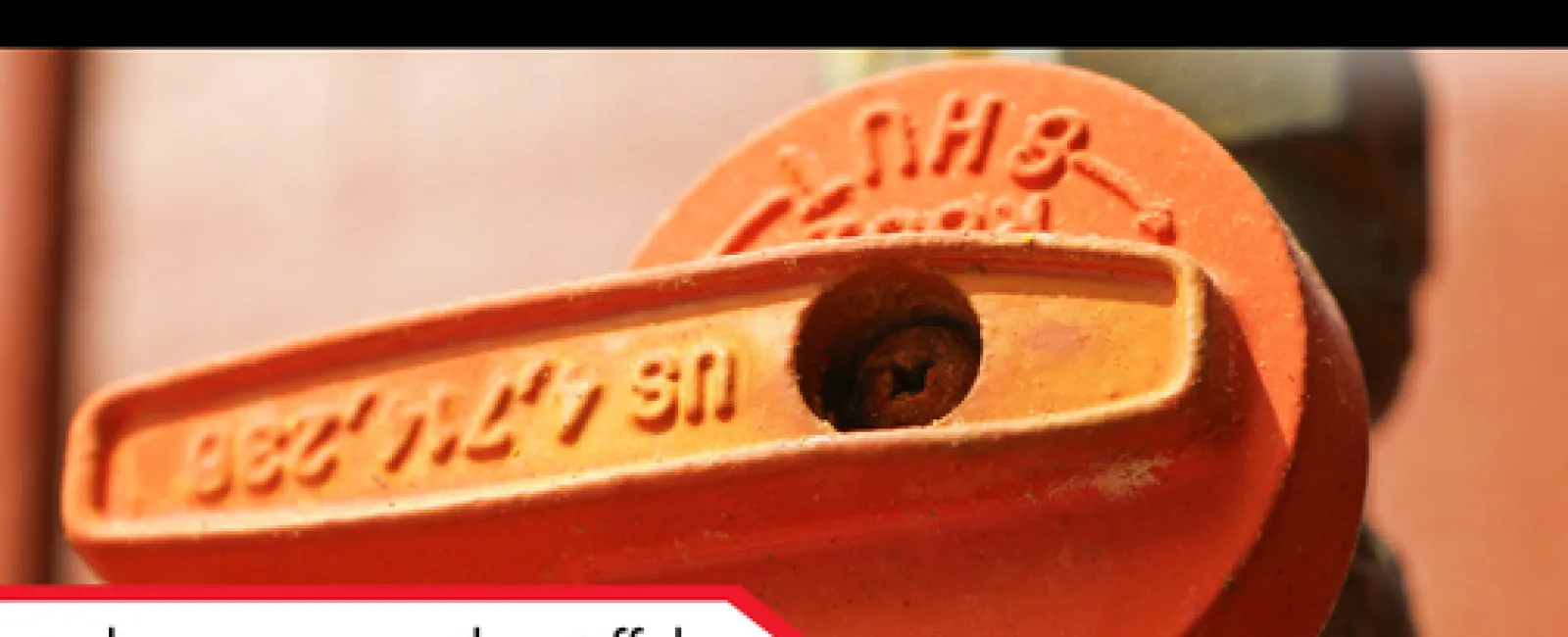
When a professional home inspection concludes, many homeowners focus primarily on the findings—roof conditions, HVAC performance, plumbing observations, and structural components. However, equally important are the professional procedures inspectors follow during and after the inspection process. One such procedure is shutting off the main water valve when the inspection is complete. While it may appear to be a simple action, it reflects a disciplined, standardized approach to protecting the property.
Licensed Inspector Erik J. of LunsPro Inspection Group demonstrates this exact practice: after completing an inspection, he shuts off the water valve before leaving the home. There is no elaborate explanation in the moment—just the action itself. Yet that action speaks volumes about professional inspection protocol, risk awareness, and respect for the property. For homeowners across the Southeast, understanding why this step matters helps clarify what to expect from high-quality Southeastern Residential and Commercial Inspections.
Why Water Control Matters During a Home Inspection
Water is one of the most potentially damaging elements in any residential or commercial structure. While plumbing systems are designed to safely distribute water throughout a property, any unexpected failure—such as a loose fitting, aging supply line, or compromised shut-off valve—can lead to immediate and costly damage.
During a home inspection, inspectors routinely operate plumbing fixtures. This may include:
-
Running sinks and tubs
-
Flushing toilets
-
Operating dishwashers (where accessible)
-
Testing visible plumbing connections
-
Checking for leaks under fixtures
Because these systems are actively engaged during the inspection, it is critical that the property is left in a controlled state once the evaluation is complete. Shutting off the water valve ensures that the system is not left pressurized unnecessarily, particularly in vacant properties or homes where utilities may have been temporarily activated for inspection purposes.
For homeowners in the Southeast, where humidity levels are already high, unintended water exposure can quickly escalate into secondary concerns such as mold growth, material deterioration, or structural weakening. A simple shut-off step can help minimize these risks.
Professional Standards and Procedural Discipline
When Licensed Inspector Erik J. shuts off the water valve at the end of an inspection, he is demonstrating procedural discipline. Professional inspections are not limited to identifying issues; they also involve managing the property responsibly during the evaluation process.
At LunsPro Inspection Group, Southeastern Residential and Commercial Inspections are conducted with attention not only to reporting but also to process. The property must be left in a condition consistent with how it was found—or secured appropriately if utilities were activated specifically for the inspection.
This practice becomes especially important in:
-
Vacant homes
-
New construction properties
-
Investment properties
-
Foreclosures
-
Homes between occupants
In these scenarios, water may have been turned on solely for inspection access. Once the evaluation concludes, shutting off the valve prevents unintended water flow after the inspector leaves.
Southeastern Climate Considerations
Home Inspections in Atlanta, Home Inspections in Charlotte, Home Inspections in Greenville, and Home Inspections in Charleston all share regional environmental factors that make water control particularly important.
1. Humidity and Moisture Exposure
The Southeast is known for elevated humidity levels throughout much of the year. When excess moisture enters a structure—whether from a plumbing leak or unnoticed drip—it does not dry as quickly as it might in arid climates. Prolonged moisture exposure can contribute to:
-
Wood rot
-
Drywall deterioration
-
Flooring damage
-
Mold development
Ensuring that the plumbing system is not left actively pressurized reduces the likelihood of unnoticed leaks occurring after the inspection.
2. Seasonal Temperature Variability
Although the Southeast is generally warmer than northern regions, it still experiences seasonal temperature shifts. In certain conditions, especially in areas like Charlotte or Greenville, freezing temperatures can occur. If a property is vacant and water remains pressurized in pipes during a cold snap, the risk of pipe damage increases.
Shutting off the main valve after inspection can be part of a broader risk-management approach when properties are not fully occupied.
Risk Management in Vacant and Investment Properties
A significant percentage of inspections performed by LunsPro Inspection Group involve homes that are unoccupied at the time of evaluation. This includes:
-
Homes under contract
-
Builder inventory
-
Rental transitions
-
Commercial spaces
When utilities are activated temporarily, the inspector assumes a level of responsibility in ensuring the property is not exposed to preventable risk once the inspection concludes.
Water-related losses can be substantial. Even a small supply-line failure can release gallons of water in a short time frame. In vacant properties, there may be no occupant present to notice the issue immediately.
By shutting off the water valve, the inspector reduces exposure to such scenarios. It is a practical, preventive measure that aligns with professional inspection conduct.
Respecting the Property and the Client
Professional inspections require entering private property and interacting with core systems. That access carries responsibility.
When Erik J. shuts off the valve and confirms the action, it reflects respect for:
-
The seller's property
-
The buyer's investment
-
The listing agent's liability
-
The overall transaction process
Homeowners in Atlanta, Charlotte, Greenville, and Charleston expect inspections to be thorough. They also expect their property to be left secure. Properly managing utilities—especially water—is part of that expectation.
What Homeowners Should Understand
Many homeowners may not realize that inspectors often operate plumbing systems more extensively than typical daily use during the limited timeframe of an inspection. Fixtures are tested in sequence. Water flow is observed. Drainage is evaluated.
This testing is essential for identifying visible deficiencies. However, once testing concludes, leaving the system in a neutral, secured state is equally important.
For homeowners preparing for Southeastern Residential and Commercial Inspections, it is helpful to:
-
Confirm utility access prior to inspection
-
Understand whether water will be activated temporarily
-
Verify the home's status (occupied vs. vacant)
-
Discuss post-inspection procedures if needed
Transparency and clarity reduce confusion and ensure all parties understand how the property will be left after the evaluation.
The Broader Context of Professional Inspection Practices
Shutting off the water valve is a small but visible example of a broader philosophy: inspections involve both assessment and stewardship.
LunsPro Inspection Group conducts Home Inspections in Atlanta, Home Inspections in Charlotte, Home Inspections in Greenville, and Home Inspections in Charleston with structured processes designed to protect both the property and the transaction.
Professionalism in this field is reflected in:
-
Systematic testing procedures
-
Clear documentation
-
Risk awareness
-
Responsible exit protocols
An inspector's job does not end when the last photograph is taken or the final note is recorded. The closing steps—such as securing utilities—are part of completing the service properly.
Why This Matters for Southeastern Homebuyers and Sellers
Real estate transactions in the Southeast often move quickly. Competitive markets in cities like Atlanta and Charleston require efficient timelines and dependable service providers.
When an inspector demonstrates disciplined procedures—such as shutting off the water after completing the inspection—it reinforces confidence in the overall process. Buyers gain reassurance that the property was handled responsibly. Sellers gain confidence that their home was not left vulnerable.
In a region where climate conditions can amplify water-related risks, attention to this detail is not trivial. It reflects an understanding of environmental factors and property management principles specific to the Southeast.
Professional home inspections involve more than identifying defects. They require operational awareness, procedural consistency, and property stewardship. A simple act—like shutting off the water valve at the end of an inspection—illustrates that responsibility in action.
Licensed Inspector Erik J.'s demonstration of this step highlights the disciplined approach behind Southeastern Residential and Commercial Inspections performed by LunsPro Inspection Group. For homeowners in Atlanta, Charlotte, Greenville, and Charleston, this type of professionalism supports safer property transitions and more secure transactions.
When choosing a qualified inspection provider, homeowners should consider not only the inspection findings but also the processes behind them. Responsible handling of utilities, especially water, is one example of how professional standards protect both the home and the people involved in its purchase or sale.