
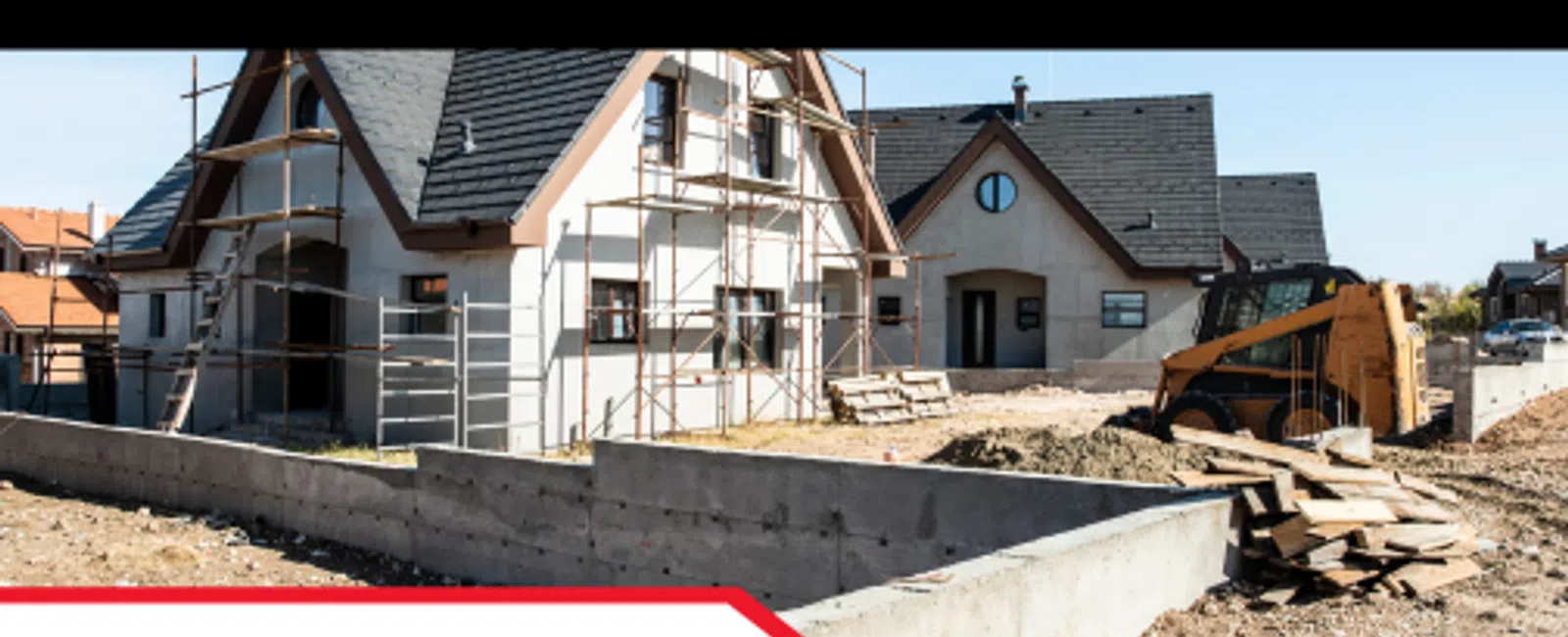
Buying a newly constructed home can feel very different from purchasing an older property. Everything appears fresh, the finishes are new, the systems have had little or no use, and the home may still carry the unmistakable look and feel of recent construction. For many buyers, that creates a natural expectation that the property should be complete, efficient, and free from meaningful defects.
However, a new home is still the result of a complex construction process involving numerous trades, materials, schedules, inspections, and handoffs. Even when a builder delivers a polished finished product, individual components can be damaged, installed incorrectly, left incomplete, or simply overlooked. A professional new construction home inspection gives buyers an independent opportunity to evaluate the finished property before accepting it as complete.
During an inspection of a brand-new home in Nashville, Licensed Inspector David L. identified several conditions that illustrate why that independent review matters. The visible findings included fascia that was not straight, exterior material that appeared poorly secured, additional damaged areas, iced refrigerant lines, and an attic entrance without insulation. Each condition involved a different part of the home, but together they reinforced one important lesson: new construction should still be evaluated carefully.
For homeowners and buyers throughout the Southeast, LunsPro Inspection Group performs detailed Southeastern Residential and Commercial Inspections designed to provide a clearer understanding of a property's visible condition. Its Licensed Inspectors evaluate exterior components, roofing-related features, HVAC systems, attic areas, insulation, and other major systems that can affect long-term comfort and performance.
Why New Homes Can Still Have Defects
New construction projects require many contractors and subcontractors to coordinate their work. Framers, roofers, electricians, plumbers, HVAC technicians, siding installers, insulation crews, painters, and finish carpenters may all contribute to the same property.
Each crew often works within a defined schedule, and later phases may conceal portions of earlier work. Materials can also be damaged after installation as other workers move equipment, ladders, and supplies around the job site.
Common reasons defects may appear in a new home include:
- Installation errors
- Incomplete fastening
- Damaged materials
- Work performed under tight timelines
- Miscommunication between trades
- Items overlooked during final cleanup
- Systems that were not fully tested under normal operating conditions
None of these possibilities automatically means the builder lacks skill or care. They reflect the reality that construction is a complicated human process. An independent inspection adds another layer of review after the major work is complete.
Uneven Fascia on a Brand-New Home
One of the first conditions David L. highlighted was fascia that did not appear straight.
Fascia is the finished board installed along the roof edge. It often supports or borders the gutter system and helps create a clean transition between the roof structure and the exterior of the home. Because fascia is visible from the ground, uneven alignment can affect the home's appearance, but it may also prompt a closer look at how the surrounding components were installed.
A fascia board may appear uneven because of:
- Improper alignment during installation
- Warped or damaged material
- Inconsistent fastening
- Movement in the underlying framing
- Poorly fitted adjoining components
A visual irregularity does not reveal the full cause by itself. However, on a brand-new home, noticeably uneven fascia is worth documenting because buyers reasonably expect newly installed exterior materials to be straight, secure, and properly finished.
During a roof inspection, Licensed Inspectors evaluate more than shingles alone. They also examine visible roof edges, trim, flashing, drainage components, penetrations, and other areas that contribute to the roof assembly's overall performance.
Poorly Secured Exterior Materials
David also observed an area that did not appear to be nailed or fastened properly.
Exterior materials are exposed to wind, rainfall, temperature changes, and repeated seasonal movement. Secure attachment is essential because even a small loose section can become more vulnerable as environmental forces act on it over time.
Poor fastening may contribute to:
- Material movement
- Open gaps
- Reduced weather resistance
- Progressive damage
- Premature repair needs
- Sections becoming detached under wind pressure
In Southeastern cities such as Nashville, Chattanooga, Atlanta, Charlotte, Raleigh, Greensboro, Greenville, Savannah, and Charleston, homes regularly experience thunderstorms, high winds, heavy rainfall, and long periods of humidity. These conditions make proper exterior fastening particularly important.
An exterior component that already appears loose on a new home deserves attention before it has been exposed to years of weather.
Damaged Materials in New Construction
The inspection also revealed more than one damaged area.
Damage to new construction materials can occur at many points during the building process. A component may arrive damaged, be struck by equipment, be cut incorrectly, or sustain damage after installation while other crews continue working nearby.
Visible damage may affect:
- Exterior trim
- Fascia or soffit components
- Siding materials
- Roofing-related elements
- Interior finishes
- Mechanical equipment
Some damage may be cosmetic, while other damage can affect how the component performs. The role of the inspector is to document visible conditions and help the buyer understand what should be reviewed or corrected before final acceptance.
A new home buyer should not assume that damage must be acceptable simply because construction has reached the closing stage. The final inspection is often the best time to identify incomplete or damaged items while the builder is still actively involved with the property.
Iced Refrigerant Lines Are Not Normal
One of the more significant findings involved refrigerant lines that were visibly iced.
Refrigerant lines are part of the air-conditioning system. They transport refrigerant between the indoor and outdoor HVAC components so the system can remove heat from the home.
When ice develops on refrigerant piping, it indicates that the system is not operating under normal conditions. Potential contributing factors can vary and may require evaluation by a qualified HVAC professional. Observable icing may be associated with issues such as:
- Restricted airflow
- A dirty or obstructed filter
- Problems with the indoor coil
- Improper refrigerant conditions
- System installation concerns
- Equipment or control issues
The inspection information provided does not establish the exact cause, so it would be inappropriate to diagnose the system from the visible icing alone. What can be stated confidently is that iced refrigerant lines are not an expected condition in a properly operating new system and warrant further attention.
This finding also demonstrates why buyers should not assume that new HVAC equipment is automatically functioning correctly. New components can still have installation or setup issues, and some problems only become apparent when the equipment is operating.
Why HVAC Performance Matters in Nashville and Chattanooga
Cooling systems play a particularly important role in Nashville, Chattanooga, and other Southeastern markets. Extended warm seasons and periods of high humidity can require air-conditioning systems to operate frequently.
A defect that reduces airflow or cooling performance can affect:
- Indoor comfort
- Humidity control
- Energy use
- Equipment operation
- The system's ability to meet demand during hot weather
Because of these regional conditions, HVAC evaluation is a critical part of a new construction home inspection.
Licensed Inspectors generally assess visible and accessible HVAC components, operate systems when conditions permit, observe temperature performance, and document irregular conditions. When concerns such as iced refrigerant lines are present, specialized evaluation may be recommended.
The Importance of Insulating the Attic Entrance
David also found that the attic entry was uninsulated.
The attic access panel or pull-down stair assembly creates a break in the insulation separating the conditioned living space from the attic. If that opening lacks insulation, heat can transfer more easily between those areas.
In the summer, attic temperatures can become significantly higher than indoor temperatures. An uninsulated attic entrance may allow additional heat to move toward the conditioned space. During cooler weather, indoor heat may move upward through the opening.
An uninsulated attic entry may contribute to:
- Greater heat transfer
- Reduced energy efficiency
- Uneven indoor temperatures near the access point
- Increased HVAC workload
- Air leakage between the attic and living space
Insulating and properly sealing the attic entrance supports the performance of the surrounding thermal envelope.
Why Energy Loss Matters in the Southeast
The Southeastern climate places a heavy cooling demand on many homes. Long summers, strong sunlight, and elevated humidity can keep HVAC systems running for extended periods.
Energy efficiency depends on more than the equipment itself. The home's insulation, air sealing, windows, doors, ductwork, and attic access points all contribute to how effectively conditioned air stays inside.
Even when a home has new insulation throughout the attic, leaving the access panel uninsulated creates a weak point in that barrier. This is why inspectors evaluate attic entries as part of the larger insulation and energy-performance picture.
New Construction Inspections Go Beyond Cosmetic Issues
Some buyers think a final inspection primarily exists to create a list of paint touch-ups, scratched floors, or incomplete trim. Those items may be documented, but a professional inspection goes much further.
A new construction home inspection may evaluate visible and accessible portions of:
- Roofing systems
- Exterior siding and trim
- Structural components
- Electrical systems
- Plumbing installations
- HVAC equipment
- Insulation
- Attic areas
- Windows and doors
- Interior finishes
- Appliances
- Drainage and grading
The findings from David's Nashville inspection touched several of these categories. Uneven fascia and damaged exterior materials related to exterior workmanship. Iced refrigerant lines involved mechanical performance. The uninsulated attic entrance involved the home's thermal envelope.
That variety demonstrates why a comprehensive inspection matters. Defects are not always concentrated in one area.
The Role of a Drone Inspection
The provided inspection commentary did not state that a drone was used on this specific home. However, drone inspection technology can be valuable during some new construction evaluations when roof access is limited or additional visual documentation is helpful.
A drone may allow Licensed Inspectors to observe:
- High roof sections
- Complex roof shapes
- Areas difficult to see from the ground
- Exterior materials near elevated rooflines
- Visible installation irregularities
A drone inspection does not replace all other roof evaluation methods, but it can provide additional angles and detailed imagery where appropriate.
For buyers across the Southeast, technologies such as drones, thermal imaging, and moisture meters can support the inspector's visual evaluation. The most important factor remains the inspector's ability to interpret observable conditions accurately and avoid making unsupported conclusions.
New Construction in Growing Southeastern Markets
Cities throughout the Southeast continue to experience residential growth. Buyers in Nashville, Chattanooga, Atlanta, Charlotte, Raleigh, Greensboro, Greenville, Savannah, and Charleston regularly encounter new subdivisions, infill developments, townhomes, and custom-built properties.
Fast growth creates many opportunities for homebuyers, but it also reinforces the value of independent inspection. Construction volume can place pressure on labor, scheduling, material availability, and quality-control processes.
A buyer should not assume that:
- A municipal approval is the same as a complete home inspection
- A builder walkthrough will identify every visible defect
- A warranty eliminates the need to document concerns before closing
- New materials cannot be damaged
- New systems cannot be installed incorrectly
Each review serves a different purpose. A professional home inspection gives the buyer an independent assessment focused on the visible condition of the completed property.
When Should a New Construction Home Be Inspected?
Depending on the construction process and the services available, inspections may occur at several stages.
Pre-Drywall Inspection
This takes place before insulation and drywall conceal framing, wiring, plumbing, and mechanical components.
Final Inspection
This is performed when the home is substantially complete and major systems can be operated and evaluated.
Warranty Inspection
This may occur before the builder's warranty period ends, allowing homeowners to identify concerns that developed or became apparent after occupancy.
The findings from David's inspection illustrate the value of the final stage. Exterior materials, HVAC performance, and attic insulation details were all visible and ready to be evaluated before the buyer fully accepted the home.
What Buyers Can Learn From These Findings
David L.'s inspection offers several practical lessons.
New does not mean perfect
Recently installed materials and equipment can still have defects.
Exterior alignment matters
Crooked or uneven fascia deserves attention on a finished new home.
Fastening is part of performance
Exterior components should not be loose or poorly secured.
Damaged materials should be documented
New homeowners should know about damage before closing.
Iced refrigerant lines require further review
A new HVAC system should not be assumed to be operating correctly simply because it turns on.
Attic access should support the insulation system
An uninsulated attic entry can become a meaningful point of energy loss.
Independent inspection creates clarity
A professional inspection helps buyers understand the finished home beyond its appearance.
How LunsPro Inspection Group Supports New Home Buyers
LunsPro Inspection Group provides thorough evaluations for buyers who want a clearer understanding of their new home before closing. Through comprehensive Southeastern Residential and Commercial Inspections, its Licensed Inspectors evaluate visible and accessible components and provide detailed documentation of the conditions observed.
A professional roof inspection can identify alignment, fastening, damage, flashing, and other visible concerns. HVAC evaluation can reveal irregular operating conditions such as iced refrigerant lines. Attic inspection can identify missing insulation and other energy-related concerns. When appropriate, technology such as a drone inspection may provide additional visual access to elevated exterior areas.
The purpose is not to create unnecessary concern. It is to give homeowners accurate information while there is still time to ask questions, request qualified evaluations, and better understand the condition of the property.
The conditions identified by Licensed Inspector David L. demonstrate why brand-new homes deserve the same careful attention as older properties. Uneven fascia, poorly secured and damaged exterior materials, iced refrigerant lines, and an uninsulated attic entrance are very different findings, yet all were present within the same newly constructed Nashville home.
None of these conditions should be exaggerated beyond what was visibly observed. However, each one provides useful information about workmanship, mechanical performance, or energy efficiency. Together, they show why a polished appearance and recent construction date cannot replace an independent evaluation.
For buyers in Nashville, Chattanooga, Atlanta, Charlotte, Raleigh, Greensboro, Greenville, Savannah, Charleston, and surrounding Southeastern communities, a professional new construction home inspection can reveal details that are difficult to notice during a final walkthrough. LunsPro Inspection Group and its Licensed Inspectors provide comprehensive Southeastern Residential and Commercial Inspections designed to bring those details into focus.
A new home should begin with confidence, but that confidence should be built on information rather than assumptions. A thorough inspection helps buyers understand what was completed properly, what may need correction, and which conditions deserve specialized follow-up before the home becomes entirely their responsibility.