Radon is different from many of the concerns homeowners encounter during a property inspection. A roof leak may leave a stain. A plumbing failure may create standing water. An electrical problem may produce visible damage or an unusual odor. Radon, however, cannot be identified through normal human senses. It is colorless and odorless, which means homeowners cannot determine whether it is present simply by walking through a house or paying closer attention to the indoor environment.
That makes radon testing an important consideration for buyers and homeowners who want a more complete understanding of the property where they plan to spend their time. During a visit to the Soddy-Daisy area near Chattanooga, Licensed Inspector Jared W. reminded homeowners that radon can exist in Tennessee's rocky and mountainous regions. His message was practical: when someone expects to live in a home for an extended period, testing provides information that can help them plan appropriately and pursue mitigation when necessary.
For homeowners throughout the Southeast, LunsPro Inspection Group provides detailed Southeastern Residential and Commercial Inspections that help clients better understand visible property conditions and available supplemental services. Its Licensed Inspectors educate buyers about concerns that may not be obvious during a typical walkthrough, including environmental conditions that require specialized testing rather than visual observation.
What Is Radon?
Radon is a naturally occurring radioactive gas associated with the breakdown of uranium found in soil and rock. As this natural process occurs underground, radon gas may move through the soil and enter buildings through openings in contact with the ground.
The gas itself cannot be seen, smelled, or tasted. Its presence does not necessarily create an immediate physical sign inside the home. A property may look clean, feel comfortable, and appear well maintained while still containing a radon concentration that can only be identified through testing.
That is why homeowners should avoid relying on appearance, odor, the home's age, or the experiences of nearby properties to determine whether their own home has elevated radon. A test provides property-specific information based on the conditions measured during the testing period.
Why Radon Can Enter a Home
Homes naturally interact with the soil and air surrounding them. Differences in pressure between the building interior and the ground beneath it may allow soil gases to move toward and enter the structure.
Potential entry pathways can include:
- Cracks in concrete slabs
- Foundation joints
- Gaps around utility penetrations
- Openings near plumbing lines
- Crawl spaces
- Floor drains or sumps
- Other gaps between the building and the soil
A home does not need to have a dramatic foundation defect for radon to enter. Very small openings may provide pathways because gases can move through spaces that are not obvious to the homeowner.
Radon levels can also vary between neighboring houses. Differences in soil, foundation construction, ventilation, air pressure, and building operation may affect the concentration inside each property.
Why Tennessee Homeowners Should Consider Testing
Jared W. delivered his reminder from Soddy-Daisy in the Chattanooga area, where mountainous terrain and rocky geological conditions are familiar parts of the landscape. His commentary connected radon with the natural breakdown of uranium in soil and rock, reinforcing why homeowners in this part of Tennessee should not assume that radon is someone else's concern.
Homeowners in Nashville should also consider radon testing as part of informed property ownership. Even though Nashville and Chattanooga have different geography and housing patterns, the underlying lesson remains the same: radon cannot be ruled out based on location assumptions or a home's appearance.
Testing is the practical way to learn more about a specific home.
Why Radon Is a Health Concern
Jared emphasized that radon is radioactive and is recognized as an important lung cancer risk apart from smoking. The health concern is associated with long-term exposure rather than a one-time encounter.
This is particularly relevant for homeowners because people spend significant amounts of time indoors. Bedrooms, living areas, finished basements, home offices, and lower-level recreational spaces may all be used for many hours each week.
The purpose of radon testing is not to frighten homeowners. It is to provide measurable information about an invisible environmental condition. Once homeowners know the result, they can make better-informed decisions about whether additional evaluation or mitigation is appropriate.
Why You Cannot Judge Radon by the Home
Radon is not limited to homes that appear old, neglected, or poorly built. A new construction home may test differently from an older home, but neither age category guarantees a particular result.
Radon can be relevant in:
- New construction homes
- Older houses
- Renovated properties
- Homes with basements
- Homes with crawl spaces
- Slab-on-grade homes
- Large custom residences
- Smaller single-family homes
A clean basement does not prove the air is free of radon. A sealed crawl space does not eliminate the value of testing. A recently completed house should not be assumed to have low radon unless it has actually been evaluated.
This is similar to many findings encountered during professional inspections: appearance is useful, but it does not replace testing when the concern itself is invisible.
Why Testing During a Home Inspection Is Convenient
Jared recommended completing radon testing while the home inspection is being performed. Combining the services can be convenient because both fit naturally into the buyer's due-diligence process.
During this period, buyers are already gathering information about:
- Roofing
- Structure
- Electrical systems
- Plumbing
- HVAC equipment
- Moisture conditions
- Exterior components
- Environmental concerns
Adding radon testing gives the buyer information about a condition that a standard visual inspection cannot confirm.
The process may also give buyers time to review the findings, ask appropriate questions, and discuss next steps before completing the transaction.
Understanding Radon Test Results
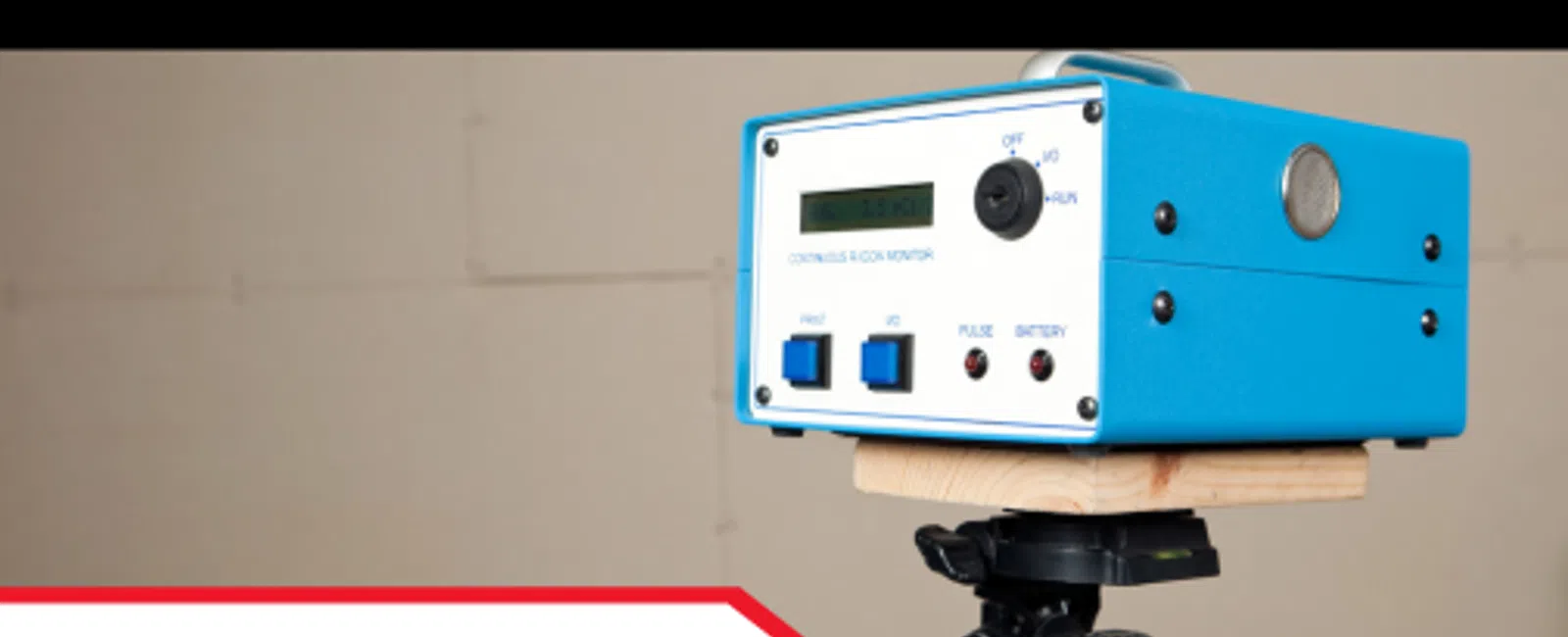
A radon test measures the concentration present in the home during a defined testing period. The result helps homeowners determine whether further action should be considered.
It is important to understand that radon levels may change over time because of factors such as:
- Weather conditions
- Seasonal changes
- Ventilation patterns
- Heating and cooling operation
- Changes to the building envelope
- Foundation modifications
Testing provides valuable information about the measured conditions, but homeowners should follow the guidance associated with the testing method and results. When the result indicates that action is recommended, a qualified radon professional can explain the appropriate next steps.
What Happens if Radon Is Elevated?
An elevated radon result does not mean a home must automatically be abandoned. Radon concerns can often be addressed through mitigation systems designed to reduce the concentration inside the building.
The specific approach depends on the home's construction and measured conditions. A qualified radon mitigation professional may evaluate factors such as:
- Foundation type
- Crawl-space configuration
- Slab construction
- Existing ventilation
- Suitable discharge locations
- Electrical access
- The layout of occupied areas
A common mitigation goal is to collect soil gas from beneath or around the building and direct it safely to the exterior. The exact design should be determined by an appropriately trained professional.
After mitigation, follow-up testing may be used to verify the system's effectiveness.
Radon Testing for New Construction
Buyers sometimes assume that a brand-new home does not need radon testing because the property has not experienced years of wear. However, radon originates primarily from the ground rather than from the aging of household materials.
A new home may still allow soil gas to enter through:
- Slab penetrations
- Foundation joints
- Utility openings
- Crawl-space areas
- Construction gaps
New construction methods may offer opportunities to incorporate radon-resistant features, but homeowners should not assume that such features are present or that they guarantee a particular indoor concentration.
A test provides direct information about the finished home.
Radon Testing for Older Homes
Older homes may have foundation cracks, additions, renovations, or changes in ventilation that affect how soil gas enters and moves through the structure.
They may also include:
- Stone foundations
- Unsealed crawl spaces
- Finished basements
- Older floor drains
- Multiple foundation types
- Utility penetrations added over time
These conditions do not prove elevated radon is present. They simply reinforce why testing can be valuable when evaluating an older property.
Radon and Southeastern Housing
Homes across the Southeast vary widely in design and construction. Buyers in Atlanta, Charlotte, Raleigh, Greensboro, Greenville, Savannah, and Charleston may encounter slab foundations, crawl spaces, basements, split-level homes, townhomes, and properties built across many decades.
Radon considerations should remain property-specific. Regional geology, site conditions, construction type, and building operation all matter, but no broad assumption should replace testing.
For homeowners in coastal markets such as Savannah and Charleston, radon may not always receive the same attention as moisture, storms, or termite activity. However, environmental priorities should be based on the individual property rather than solely on the concerns most commonly associated with the city.
In inland and piedmont markets such as Atlanta, Charlotte, Raleigh, Greensboro, and Greenville, buyers may be more accustomed to hearing about radon. Even then, they should remember that a neighbor's result does not determine their own.
How Radon Testing Complements a Home Inspection
A general home inspection and a radon test serve different but complementary purposes.
The home inspection evaluates visible and accessible components such as:
- Structural systems
- Roofing
- Electrical equipment
- Plumbing
- HVAC systems
- Interior and exterior conditions
Radon testing evaluates an invisible gas that cannot be identified visually.
Together, these services provide a broader understanding of the property. The inspection reveals observable conditions, while testing supplies measured environmental information.
Through Southeastern Residential and Commercial Inspections, LunsPro Inspection Group helps homeowners understand the difference between what can be visually evaluated and what requires specialized equipment or sampling.
What Homeowners Should Know Before Testing
Homeowners should follow all instructions provided for the testing process. Radon testing depends on appropriate conditions and equipment placement, so unnecessary interference can affect the quality of the result.
Depending on the test method, instructions may address:
- Window and exterior door use
- Equipment placement
- Heating and cooling operation
- Movement of the device
- The testing duration
- Unusual weather conditions
- Activities that could disturb the test
The goal is to collect a result that reflects the home's conditions as accurately as practical during the testing period.
Common Radon Misconceptions
Several misconceptions can prevent homeowners from testing.
"I would smell it if it were present."
Radon is odorless, so smell cannot confirm or rule out its presence.
"My home is new."
New construction does not prevent radon from entering through soil-contact areas.
"My neighbor tested low."
Levels can vary from one property to the next.
"I do not have a basement."
Radon can enter homes with crawl spaces or slab foundations as well.
"Testing is only for buyers."
Existing homeowners may also test, especially if they have never done so or have completed significant foundation, ventilation, or remodeling work.
"A high result means the home cannot be lived in."
Elevated radon can often be addressed through professionally designed mitigation.
Why Long-Term Occupancy Matters
Jared specifically encouraged testing when homeowners plan to remain in the property for a long time. That recommendation reflects the importance of understanding conditions in a place where a household may spend years sleeping, working, relaxing, and raising a family.
A home is more than a financial investment. It is also the environment where people spend a large portion of their lives. Testing provides information that helps homeowners evaluate that environment and plan responsibly.
The goal is not to create unnecessary alarm. It is to replace uncertainty with data.
Why Professional Testing Adds Value
A professional radon-testing process helps homeowners receive results collected through an established method and properly placed equipment.
Professional involvement can help with:
- Selecting an appropriate test location
- Following required testing conditions
- Protecting the integrity of the device
- Documenting the testing period
- Explaining the result and possible next steps
That structure can be especially useful during a real estate transaction, when buyers and sellers need clear documentation and limited timelines.
How LunsPro Inspection Group Supports Homeowners
LunsPro Inspection Group provides inspection services designed to help buyers and homeowners make informed decisions about their properties. Its Licensed Inspectors evaluate visible home systems and educate clients about supplemental services that may provide additional insight.
Radon testing is one example of an evaluation that cannot be replaced by visual inspection. Because the gas is invisible and odorless, testing is the practical method of determining the measured concentration within the home.
For clients in Chattanooga, Nashville, and other Southeastern markets, adding radon testing to the inspection process can help create a more complete picture of the property.
Practical Takeaways From Jared's Reminder
Jared W.'s message provides several straightforward lessons for homeowners.
Radon exists naturally
It originates from the natural breakdown of uranium in soil and rock.
You cannot detect it with your senses
Radon is colorless and odorless.
The health concern involves long-term exposure
Understanding the indoor concentration is especially relevant for households planning to occupy a property for years.
Testing provides property-specific information
The appearance, age, or location of a home cannot confirm its radon level.
Testing can be combined with a home inspection
This makes it easier for buyers to gather important information during due diligence.
Elevated results can lead to informed action
Qualified professionals can evaluate mitigation options when necessary.
Radon is easy to overlook because it provides no obvious warning signs. It cannot be seen during a walkthrough, detected by smell, or ruled out because a house looks new and well maintained. As Licensed Inspector Jared W. explained from the Soddy-Daisy and Chattanooga area, radon occurs naturally in soil and rock, making testing an important consideration for homeowners who want to understand the environment where they plan to live.
For buyers and homeowners in Nashville, Chattanooga, Atlanta, Charlotte, Raleigh, Greensboro, Greenville, Savannah, Charleston, and surrounding Southeastern communities, radon testing adds information that a standard visual inspection cannot provide. It replaces assumptions with a measured result and gives homeowners a clearer basis for deciding whether additional action is needed.
LunsPro Inspection Group supports informed homeownership through comprehensive Southeastern Residential and Commercial Inspections performed by experienced Licensed Inspectors. Combining a home inspection with radon testing can help buyers evaluate both the visible condition of the property and an invisible environmental concern that deserves attention.
A radon result is ultimately information. With that information, homeowners can plan appropriately, seek qualified guidance when needed, and move forward with a better understanding of the home they are buying or already occupy.