When buying a home, most buyers understand the importance of scheduling an inspection to evaluate major systems like the roof, foundation, electrical components, and HVAC. But one critical system is often overlooked during the process—the sewer line. Buried underground and completely out of sight, sewer lines can develop serious and expensive problems that aren't visible during a standard home inspection. Unfortunately, many buyers don't realize the importance of a sewer scope until after they've moved in and an issue surfaces.
At LunsPro Inspection Group, inspectors frequently uncover sewer line conditions that could have resulted in major repairs if left undiscovered. From invasive tree roots to deteriorating or collapsed pipes, these hidden problems can disrupt daily life and cost homeowners thousands. Sewer scope inspections—an added service that goes beyond a traditional home inspection—give buyers critical insight into a system they otherwise can't see. In this vlog, we'll explain what sewer scopes are, why they're especially important in the Southeast, and how they help protect your investment.
What Is a Sewer Scope?
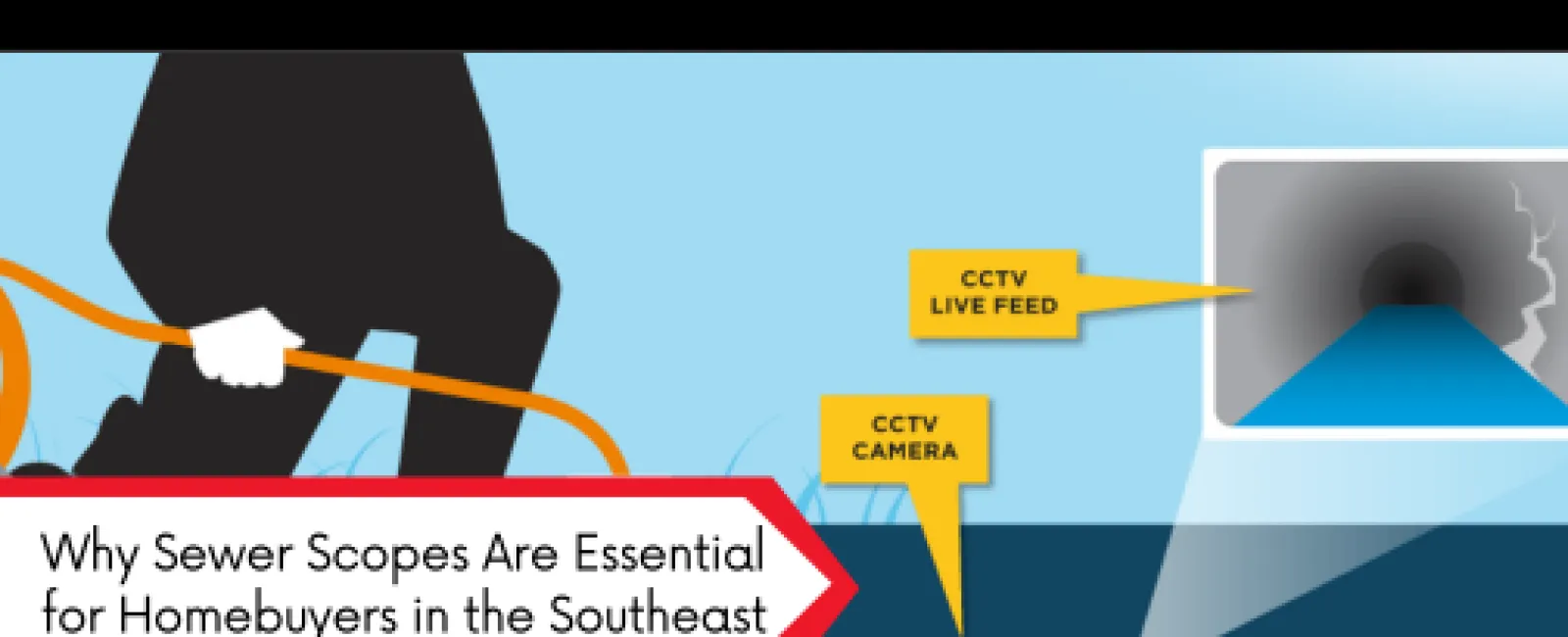
A sewer scope is a specialized inspection that uses a small camera to examine the interior of a home's main sewer line. This pipe carries wastewater from the house to either a municipal sewer connection or a private septic system. By guiding a camera through the line, inspectors can identify cracks, blockages, deterioration, or root intrusion before these issues turn into emergencies.
Standard home inspections focus on visible and accessible components. Because sewer lines are underground, they fall outside the scope of a typical inspection. A sewer scope fills that gap—providing buyers with information they otherwise wouldn't have until a costly failure occurs.
Why Sewer Line Problems Are Common in the Southeast
Homes throughout the Southeast face conditions that make sewer line issues more likely than many buyers expect. Mature trees and dense vegetation are common, and tree roots naturally seek moisture. Even small defects in sewer piping can attract roots, which grow over time and restrict flow.
In addition, many homes—especially those built decades ago—still rely on older piping materials such as clay, cast iron, or fiber-based products. These materials are prone to cracking, corrosion, and collapse as they age. Combine that with heavy rainfall, humidity, and shifting soil, and sewer systems are placed under constant stress.
Because these problems develop underground, they often go unnoticed until backups or failures occur.
Common Issues Discovered During Sewer Scopes
Sewer scope inspections frequently uncover problems that would never be visible otherwise. Common findings include:
Root Intrusion
Tree roots entering through small cracks or joints, leading to blockages and backups.
Pipe Deterioration
Aging materials breaking down over time, increasing the risk of leaks or collapse.
Bellied or Sagging Pipes
Sections of pipe that sink due to soil movement or improper installation, causing waste to collect instead of flow freely.
Blockages and Buildup
Grease, debris, or foreign objects restricting flow within the line.
Collapsed or Broken Lines
Severe structural failure requiring excavation and full pipe replacement.
Identifying these issues before closing can save buyers from unexpected financial and logistical headaches.
The Cost of Skipping a Sewer Scope
Many buyers skip sewer scopes to save money upfront—but the long-term costs can be significant. Sewer line repairs or replacements can easily reach tens of thousands of dollars, especially if excavation is required beneath landscaping, driveways, or foundations.
Beyond repair costs, sewer failures often cause damage inside the home, including ruined flooring, drywall, and personal belongings. They also pose health risks due to exposure to sewage. Compared to these outcomes, a sewer scope inspection is a relatively small investment with substantial upside.
Why Sewer Scopes Are a Smart Move for Buyers
A sewer scope is beneficial for nearly every homebuyer, regardless of the age or location of the home.
Key advantages include:
-
Hidden risk detection: Sewer lines can't be evaluated visually without a camera
-
Negotiation leverage: Documented issues can be addressed before closing
-
Peace of mind: Knowing the condition of the sewer system reduces uncertainty
-
Regional awareness: Environmental and soil factors in the Southeast increase risk
Even newer homes aren't immune. Construction debris, poor installation, or early material failure can still occur.
How Sewer Scopes Fit Into a Complete Inspection Strategy
A thorough inspection isn't one-size-fits-all—especially in regions with unique environmental conditions. While a standard inspection evaluates the home's structure and visible systems, sewer scopes provide critical insight into underground infrastructure.
For buyers, combining a general inspection with a sewer scope creates a more complete understanding of the property. For sellers, completing these inspections before listing can prevent last-minute deal disruptions and increase buyer confidence.
Preventive Tips for Homeowners
Even after purchasing a home, ongoing awareness helps protect the sewer system:
-
Avoid planting large trees near sewer lines
-
Don't flush wipes, grease, or non-biodegradable materials
-
Schedule periodic sewer evaluations or cleanings
-
Watch for warning signs like slow drains or sewer odors
-
Learn what type of piping your home has and plan upgrades if needed
Proactive care helps extend the life of the sewer line and reduce emergency repairs.
Sewer lines may be hidden, but they play a vital role in a home's function, comfort, and safety. Overlooking them during the buying process can lead to expensive repairs and unnecessary stress. A sewer scope inspection provides clarity, reduces risk, and empowers buyers to move forward with confidence.
At LunsPro Inspection Group, comprehensive inspections—including sewer scopes—are designed to help homeowners make informed decisions. Whether you're buying, selling, or simply maintaining your current home, understanding what's happening below ground is one of the smartest steps you can take to protect your investment.