
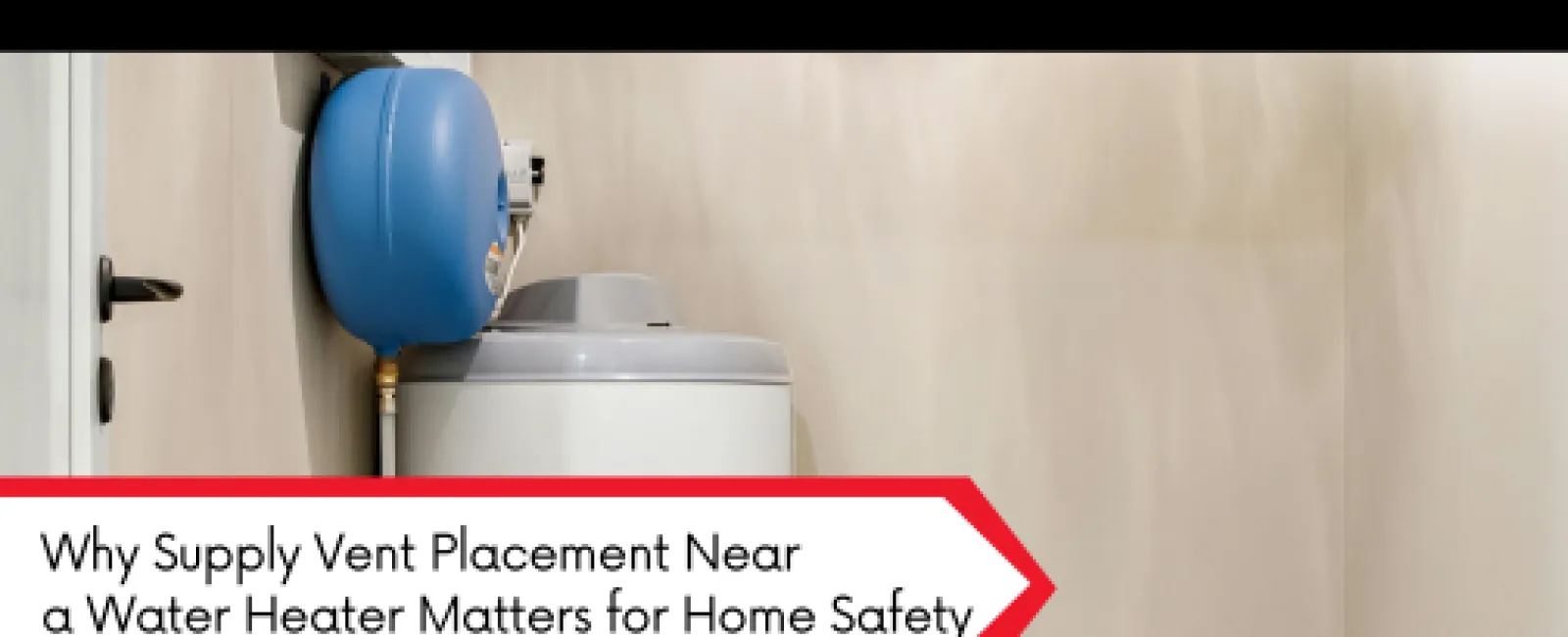
When most people think about home inspections, they picture the obvious concerns—roof conditions, foundation cracks, or visible plumbing leaks. But many of the most important inspection findings are far more subtle. Small details, such as the placement of a supply air vent near a water heater, can carry significant implications for safety, energy efficiency, and long-term comfort.
At LunsPro Inspection Group, inspectors regularly encounter situations where minor-looking conditions warrant closer attention. A vent located too close to a water heater may not raise alarms for a homeowner at first glance, but it can indicate airflow conflicts or installation practices that deserve professional evaluation. This is where comprehensive home inspections matter—identifying not just visible defects, but also less obvious conditions that could affect how systems perform together.
What Supply Vents Do—and Why Placement Matters
Supply vents are a key component of your HVAC system. Their job is to distribute heated or cooled air throughout living spaces in a balanced and efficient way. When vents are properly placed, indoor temperatures stay consistent, energy use is optimized, and comfort levels remain stable.
Problems arise when vents are installed in poor locations. Incorrect placement can reduce HVAC efficiency, interfere with other mechanical systems, or even create safety concerns. That's why inspectors pay attention not only to whether vents exist—but also where they are located.
Why a Supply Vent Near a Water Heater Can Be an Issue
1. Potential Safety Concerns
Water heaters—particularly fuel-burning units—require proper airflow for safe operation. When a supply vent is located nearby, it can alter pressure balance in the room. In certain situations, this may contribute to backdrafting, where exhaust gases such as carbon monoxide are drawn back into the living space rather than vented outdoors.
2. Energy Efficiency Loss
Conditioned air released into a utility room or mechanical space isn't contributing to comfort where it matters most. That wasted airflow forces the HVAC system to run longer, increasing energy consumption and utility costs.
3. Reduced Comfort
When air distribution is unbalanced, homeowners may notice hot and cold spots throughout the house. Rooms farther from the thermostat may never reach the desired temperature, even though the system appears to be working constantly.
4. Installation and Code Considerations
HVAC manufacturers and building standards often specify minimum clearances between vents and appliances. A vent located too close to a water heater can suggest that installation didn't follow best practices, making further evaluation advisable.
How HVAC Systems and Water Heaters Interact
HVAC systems and water heaters frequently share space—such as utility rooms, garages, or closets—which makes their interaction important.
Key interaction points include:
-
Air pressure balance: Improper vent placement can create negative pressure around combustion appliances
-
Moisture management: Conditioned air near water heaters may contribute to condensation
-
System efficiency: Air diverted into mechanical spaces reduces HVAC performance in living areas
Inspections help identify when these systems may be working against each other instead of in harmony.
The Value of a Professional Inspection
Homes throughout the Southeast often face challenging conditions—high humidity, temperature swings, and aging construction—that place extra demand on HVAC and mechanical systems. Professional inspections take these factors into account.
Certified inspectors don't just verify that equipment is present—they evaluate how systems are installed, how they interact, and where potential risks exist. A recommendation to consult an HVAC professional is based on experience and a focus on long-term safety and performance.
Other HVAC and Vent Issues Commonly Found
Vent placement near a water heater is just one example of HVAC-related concerns often identified during inspections:
-
Blocked or closed vents restricting airflow
-
Leaky ductwork causing energy loss
-
Poorly placed return vents pulling air from undesirable locations
-
Systems that are improperly sized for the home
-
Insufficient clearances around mechanical equipment
Each of these conditions reinforces why inspections need to go beyond surface-level observations.
Steps Homeowners Can Take
If vent placement or airflow concerns come up during an inspection, homeowners should consider:
-
Scheduling a full home inspection for an overall system evaluation
-
Consulting a licensed HVAC contractor for airflow or ductwork adjustments
-
Watching for warning signs such as uneven temperatures, unusual odors, or rising energy bills
-
Keeping up with routine HVAC and water heater maintenance
-
Updating older systems when recommended
Addressing minor concerns early can prevent more serious problems down the line.
Attention to Detail Makes the Difference
Homeownership in the Southeast brings many rewards, but it also requires attention to details that aren't always visible. A supply vent located near a water heater might seem insignificant at first, yet it can signal deeper concerns involving safety, efficiency, or installation quality. Identifying these conditions early allows homeowners to take corrective action before costs or risks increase.
At LunsPro Inspection Group, inspections are designed to uncover those small but meaningful details—from HVAC vent placement to structural and mechanical system interactions. Investing in a thorough inspection means making informed decisions, protecting your investment, and ensuring a home that is safer, more efficient, and more comfortable for years to come.