
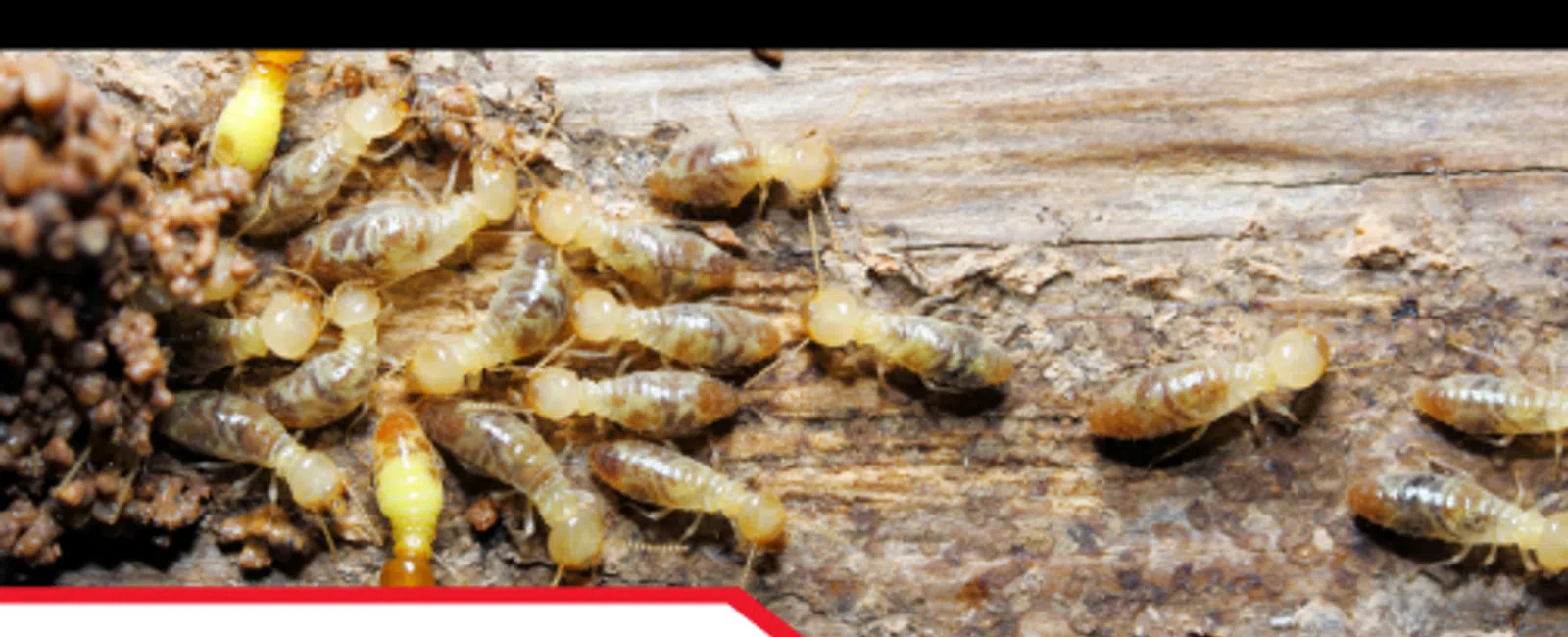
Termites are one of the most important hidden threats a homeowner can face, especially in the Southeastern United States. Unlike a roof leak or a plumbing failure that may quickly reveal itself through visible staining or active dripping, termite activity often develops quietly behind the scenes. Damage can occur in crawl spaces, framing cavities, sill plates, support members, and other structural areas long before a homeowner notices anything unusual. That is why termite awareness is not just a pest-control topic—it is a property protection issue.
During a recent inspection-related video, Licensed Inspector Jared W. highlighted an active termite colony inside a tree in Tennessee and used that example to reinforce a larger message: subterranean termites are a serious concern in the Southeast, and homeowners should not wait until visible damage appears inside the home to take the issue seriously. His point was simple and practical. The presence of termite activity near a property is a reminder to verify whether those insects have reached the structure, whether damage is present, and whether action is needed as soon as possible.
For homeowners in Chattanooga, Nashville, and across the region, this is especially relevant. Tennessee's climate and soil conditions can create an environment where termite pressure is not uncommon. That is why LunsPro Inspection Group encourages buyers and homeowners to view pest inspections as an important part of protecting the property—not just as an optional add-on. Through detailed Southeastern Residential and Commercial Inspections, Licensed Inspectors help clients understand visible property conditions and identify when specialized pest evaluation should be part of the conversation.
When people think about termites, they often imagine a problem that only affects neglected homes or old crawl spaces. In reality, termites are opportunistic. They are not evaluating the age of the home, the style of the neighborhood, or whether the property recently received cosmetic updates. They are looking for cellulose-based material, moisture conditions, and accessible pathways that allow them to move from the soil or nearby activity into structural wood.
That is what makes Jared's observation about the active colony in a tree so useful from an educational standpoint. The tree itself is not the house, but it is a visible sign that termite activity exists in the environment around the property. For a homeowner or buyer, that should trigger a practical question: if termites are active here, has the home itself been evaluated thoroughly enough to confirm whether they have affected the structure or not?
Why a Termite Colony in a Tree Still Matters to Homeowners
It is easy to dismiss termite activity in a tree as "outside the house, so not my problem." But from an inspection perspective, it matters because it tells you something about the surrounding environment.
An active colony in a tree indicates that termites are present in the area. That does not automatically mean the house has active damage, but it absolutely means the risk deserves attention. Subterranean termites do not operate according to property lines or landscaping categories. If they are established in one part of the property or immediate area, that activity can be relevant to nearby wooden structures, fencing, sheds, decks, and—most importantly—the home itself.
For Southeastern homeowners, especially those in wooded lots or neighborhoods with mature landscaping, this matters even more. Trees, stumps, buried wood debris, wood-to-soil contact, and damp exterior conditions can all contribute to a property environment that supports termite activity. A colony in a tree may not be the same as a colony in a sill plate, but it is not something to ignore.
Why Subterranean Termites Are Such a Big Deal in the Southeast
Jared specifically referenced subterranean termites, and that is an important distinction. These are among the most destructive termite types encountered in Southeastern homes. They live in the soil and typically build mud tubes or hidden travel pathways that allow them to move between their colony and a food source while maintaining moisture.
That behavior makes them particularly problematic because:
- They often access a home from below or behind finishes
- They can remain concealed for long periods
- Their damage may develop in framing and structural areas homeowners do not regularly see
- They can travel through crawl spaces, foundation penetrations, sill plates, and other vulnerable entry points
In Tennessee markets like Chattanooga and Nashville, subterranean termites are a serious part of the homeownership conversation because the climate supports their activity and many homes include crawl spaces, wood framing, landscaping features, and moisture-prone conditions that deserve close evaluation.
Why Homeowners Rarely Catch Termites Early on Their Own
One of the reasons termite damage can become so significant is that homeowners often do not know what to look for—or they are not regularly inspecting the places where termite activity tends to begin.
Termites do not usually announce themselves in obvious ways. You are more likely to notice a plumbing leak than termite damage because plumbing leaks often create visible water or staining. Termites, on the other hand, can remain active in:
- Crawl spaces
- Framing behind drywall
- Floor support areas
- Subflooring
- Rim joists and sill plates
- Wooden components near soil contact
If the first time a homeowner thinks about termites is after seeing damaged trim, a soft floor, or a swarm inside the home, the issue may already be well established.
That is why Jared's message matters. Pest inspections are not about waiting until a problem becomes dramatic. They are about verifying whether there is evidence of current or prior activity before the damage becomes more severe.
Why Pest Inspections Belong in the Home Inspection Conversation
A standard home inspection and a pest inspection are related, but they are not the same thing. A home inspection provides a broad evaluation of visible property systems and components. A pest inspection focuses specifically on evidence of wood-destroying organisms, termite activity, conducive conditions, and related concerns.
That distinction matters because termite issues often require a more targeted evaluation than a general walkthrough can provide. A buyer may think, "I'm already getting a home inspection, so I'm covered." But Jared's point reinforces why pest inspections still matter. If termites are active in the area—or if the property shows risk factors—then verifying the home's status through a dedicated pest evaluation is a smart step.
This is where LunsPro Inspection Group and its broader inspection process provide value. A Licensed Inspector can identify visible concerns, contextual clues, and environmental conditions that help a buyer understand when a specialized pest inspection should be part of the due diligence process.
Chattanooga and Nashville: Why Regional Context Matters
Homeownership advice should always account for geography, and termite risk is no exception. Homes in Chattanooga and Nashville may differ in age, style, and lot layout, but both markets include conditions that can make termite awareness important.
In Chattanooga, many homes sit on sloped or wooded lots, and the mix of older housing stock, crawl spaces, and tree-heavy environments can create termite risk factors that deserve attention. In Nashville, rapid growth has added new construction, flips, infill development, and a wide range of housing types, but "newer" does not mean "immune." Termites are not only a concern for old homes. If conducive conditions exist, the age of the property does not eliminate the need for inspection.
For buyers relocating to Tennessee from another region, this is especially important. Someone moving from an area where termite activity is less common may not realize how normal it is in the Southeast for termite inspections to be part of a smart due-diligence process. Local context matters, and a property that appears clean and updated can still have environmental or structural conditions that warrant a closer look.
Why Trees, Mulch, and Landscaping Can Be Part of the Story
A termite colony in a tree is also a reminder that the conversation about termites should not begin and end at the front door. The entire property environment matters.
Landscaping and exterior conditions that may increase termite interest or accessibility can include:
- Dead trees or stumps
- Wood piles stored close to the home
- Mulch built up heavily against siding or foundation areas
- Fencing or decking with wood-to-soil contact
- Buried wood debris left from construction or previous landscaping
- Chronic moisture near the structure
None of these automatically means the house has active termite damage. But they do help explain why pest inspections should be viewed as part of a broader property evaluation, especially in termite-prone regions.
Jared's example of the active colony in a tree works because it makes the issue visible. Homeowners can see the colony and understand that termites are not theoretical. They are real, they are present in the environment, and they can become a structural concern if the home is not properly evaluated.
What a Buyer Should Do With Information Like This
If a buyer sees termite activity near a property—or hears from an inspector that termites are active in the area—the next step is not panic. The next step is clarity.
A practical response includes:
-
Schedule or confirm a pest inspection.
If termite risk is part of the property picture, a dedicated inspection is one of the best ways to determine whether there is evidence of active infestation, prior treatment, damage, or conducive conditions. -
Ask about prior termite treatment history.
Sellers may have documentation related to previous treatment, warranties, or repair work. -
Evaluate conducive conditions around the home.
Exterior wood contact, moisture, drainage issues, or vegetation close to the structure may all be relevant. -
Treat the issue as a structural protection matter, not just a pest issue.
Termites are not just "bugs." They are a potential threat to wood-framed structural components. -
Act early if damage or activity is found.
Jared specifically emphasized remediation as soon as possible if damage is present or activity is ongoing. That is the right mindset. The goal is to verify and address, not delay and hope.
Why "No Visible Damage" Does Not Always End the Conversation
One of the most important things homeowners should understand is that termite risk is not always obvious from a casual look around the house. A property can show no visible interior damage and still deserve a pest inspection because termite activity often begins in hidden areas.
That is why "I don't see anything wrong" is not the same as "there's no problem." Crawl spaces, sill areas, framing cavities, and concealed structural components are not spaces most homeowners evaluate regularly. This is where professional inspections matter.
A Licensed Inspector can help identify visible red flags and contextual clues. A pest professional can then provide a targeted evaluation for termite evidence, damage, and treatment needs. Together, that process helps move the conversation from guesswork to informed decision-making.
Why This Matters for Sellers Too
Termite awareness is not just for buyers. Sellers in termite-prone areas also benefit from understanding the condition of their property before listing it. If a home has never had a recent pest inspection, or if there are known risk factors like wooded surroundings, crawl space moisture, or old landscaping debris, a seller may want to understand the situation before a buyer's due diligence uncovers it unexpectedly.
Being proactive can help sellers:
- Address issues before they affect negotiations
- Understand whether prior treatment documentation is available
- Improve confidence in the transaction
- Reduce surprises during the inspection period
A visible colony in a tree is the kind of thing that should remind everyone involved in a real estate transaction that pest concerns are easier to handle when they are identified early.
How LunsPro Inspection Group Helps Homeowners and Buyers
LunsPro Inspection Group provides detailed evaluations designed to help homeowners, buyers, and agents better understand the visible condition of a property. Through Southeastern Residential and Commercial Inspections, our Licensed Inspectors look beyond cosmetic presentation to identify the kinds of conditions that can affect performance, maintenance, and long-term ownership. For added peace of mind, our sister company, PestNation, provides professional pest inspections and treatment services, allowing us to offer more comprehensive property protection.
That includes the ability to recognize when a finding or environmental clue points toward a bigger conversation—such as the need for a pest inspection. Whether the home is in Chattanooga, Nashville, or elsewhere in the Southeast, that local awareness matters. Homes in termite-prone regions deserve inspection strategies that reflect real environmental conditions, not just generic assumptions.
A visible termite colony in a tree may not mean the house is damaged. But it absolutely means the property should not be evaluated casually.
Licensed inspector Jared W.'s termite video offers a practical reminder that termite activity is not something Southeastern homeowners should treat as a background issue. An active termite colony in a tree is visible evidence that these insects are present in the environment, and in regions like Tennessee, that should immediately raise the question of whether the home itself has been properly evaluated for activity, damage, or conducive conditions.
For homeowners and buyers in Chattanooga, Nashville, and throughout the Southeast, inspections performed by LunsPro Inspection Group provide an important layer of awareness. Through detailed Southeastern Residential and Commercial Inspections, Licensed Inspectors help clients understand not only the visible condition of the home, but also when nearby conditions point to the need for deeper evaluation—especially where termites are concerned.
Ultimately, termite inspections are not about fear. They are about verification. They help answer a simple but important question: are these insects just nearby, or have they already affected the home? In termite-prone areas, that is a question worth answering early.