
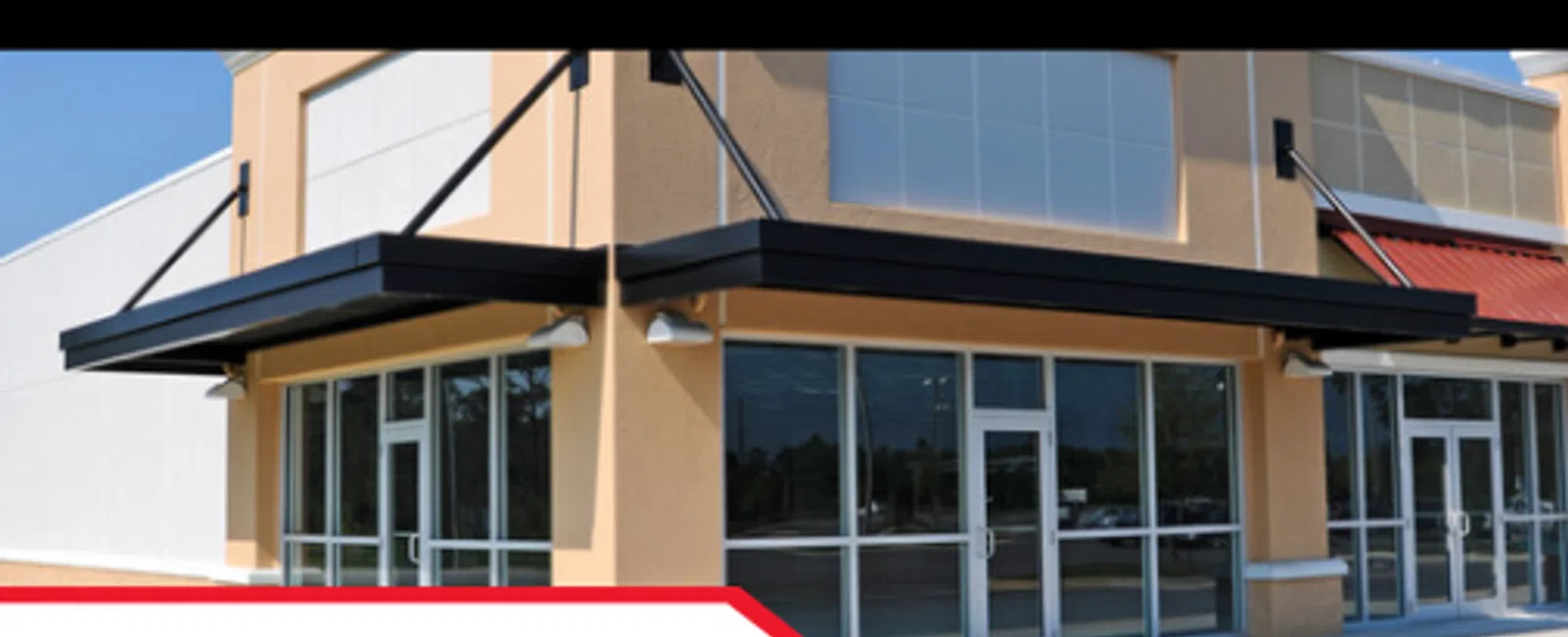
The exterior facade of a commercial building does more than establish its architectural appearance. It serves as an important part of the building envelope, helping protect interior spaces from weather exposure while supporting the performance of windows, doors, exterior wall assemblies, and associated components. Over time, facade materials may experience cracking, corrosion, sealant deterioration, staining, or other visible changes that deserve attention.
For commercial property buyers, investors, and facility managers, understanding exterior wall conditions is an important part of evaluating a building's maintenance needs. A commercial building facade inspection can help document observable deterioration, identify areas where moisture intrusion may be occurring, and highlight conditions that warrant additional professional evaluation.
However, visible facade deterioration does not automatically establish structural instability or indicate that an entire wall assembly requires replacement. Different materials age differently, and some conditions may be primarily maintenance-related while others require specialized investigation. A general commercial property inspection provides valuable information about accessible building conditions but does not replace facade engineering, structural analysis, or comprehensive testing.
What Is a Commercial Building Facade?
A commercial building facade generally refers to the exterior-facing portions of a building's walls and architectural envelope.
Depending on the property, facade components may include:
- Brick masonry
- Concrete walls and panels
- Stucco finishes
- Metal panels
- Exterior cladding
- Stone veneer
- Glass and curtain wall systems
- Exterior sealants
- Wall penetrations
- Window and door interfaces
- Exterior joints and transitions
These components may perform different functions depending on the building design.
Some exterior walls are load-bearing, while others function primarily as non-load-bearing enclosure systems.
The Whole Building Design Guide's wall systems resources explain how exterior wall assemblies contribute to weather protection, thermal performance, moisture management, and overall building-envelope function.
Understanding the type of facade system is important because deterioration patterns and maintenance requirements vary between materials.
Why Exterior Wall Conditions Matter During Commercial Inspections
Commercial facades are exposed to rainfall, sunlight, wind, temperature changes, and other environmental conditions.
Over time, these exposures may affect exterior finishes, joints, fasteners, and other components.
A commercial exterior wall assessment may help identify visible conditions that influence maintenance planning and further evaluation needs.
Potential observations include:
- Cracking
- Displaced materials
- Deteriorated mortar
- Corrosion
- Loose cladding
- Damaged sealants
- Water staining
- Previous repairs
- Deteriorated finishes
- Apparent moisture intrusion
These observations can provide useful information during acquisition due diligence.
However, they do not necessarily establish the underlying cause, extent, or severity of deterioration.
A qualified facade specialist or engineer may be needed when significant conditions are identified.
Masonry Cracks and Visible Displacement
Brick, concrete masonry, and stone are common materials in commercial exterior walls.
These materials may experience cracking or other changes due to several factors, including temperature movement, moisture exposure, material characteristics, construction details, or building movement.
What May Be Observed During a Commercial Masonry Inspection?
Visible conditions may include:
- Horizontal or vertical cracks
- Stair-step cracking
- Deteriorated mortar joints
- Displaced masonry units
- Loose materials
- Surface staining
- Previous patching
- Separation at adjoining materials
Does Cracking Mean Structural Failure?
Not necessarily.
Some cracks may be associated with material movement or localized deterioration rather than structural instability.
Other cracking patterns may warrant closer evaluation because their causes cannot be determined through visual observation alone.
The width, location, pattern, and surrounding conditions may help guide further investigation, but they do not independently establish a structural diagnosis.
A general commercial inspection should document relevant visible conditions and recommend qualified evaluation when appropriate.
It does not determine structural capacity or certify masonry stability.
Exterior Sealants and Expansion Joints
Exterior sealants help manage joints and transitions between building materials.
They are commonly found around:
- Windows
- Exterior doors
- Wall penetrations
- Expansion joints
- Cladding transitions
- Exterior openings
- Connections between different materials
Why Sealant Condition Matters
Sealants may deteriorate because of age, movement, weather exposure, or installation conditions.
Visible concerns can include cracking, separation, missing material, or loss of adhesion.
When sealants form part of the intended water-management system, deterioration may allow moisture to enter vulnerable portions of the building envelope.
However, facade assemblies often contain multiple water-control layers, including flashing, drainage cavities, and other concealed components.
A damaged exterior sealant does not automatically establish that water has entered the building.
Likewise, apparently intact sealants do not guarantee that concealed water-management details are functioning properly.
Commercial Cladding Deterioration
Commercial buildings may use metal panels, composite cladding, stone veneer, stucco, or other exterior finishes.
Each material has different installation methods, attachment systems, and maintenance considerations.
During a commercial cladding inspection, visible observations may include:
- Loose or displaced panels
- Physical damage
- Corrosion
- Cracking
- Delamination
- Deteriorated fasteners where visible
- Previous repairs
- Open joints
- Damaged transitions
Why Attachment Conditions Deserve Attention
Some cladding systems rely on concealed fasteners, anchors, or supporting assemblies.
A general inspection may identify visible movement or deterioration but cannot establish the condition of every concealed attachment.
Loose or displaced materials may require prompt evaluation because exterior components can create hazards if they become detached.
However, determining attachment adequacy or facade stability requires qualified specialist assessment.
A commercial inspection does not include destructive testing, comprehensive anchor evaluation, or engineering certification.
Water Staining and Exterior Wall Moisture Intrusion
Moisture management is one of the most important functions of a commercial building envelope.
Water may enter wall assemblies through damaged joints, deteriorated flashing, window interfaces, roof-to-wall transitions, or other vulnerable areas.
The EPA's moisture control guidance for building design, construction, and maintenance emphasizes the importance of controlling moisture through appropriate construction details and ongoing maintenance.
Visible Moisture-Related Conditions
A commercial facade inspection may identify:
- Water staining
- Efflorescence
- Corrosion
- Deteriorated exterior finishes
- Interior moisture damage
- Damaged exterior joints
- Leakage around windows
- Discoloration near wall penetrations
What Does Efflorescence Indicate?
Efflorescence is a visible deposit of salts that may appear on masonry surfaces when moisture transports soluble materials through or across the masonry.
Its presence may indicate that moisture has moved through the material.
However, efflorescence alone does not establish an active leak, a specific moisture source, or structural damage.
Does Staining Confirm Active Water Intrusion?
No.
Staining may result from previous leakage, condensation, environmental exposure, or other conditions.
Determining whether moisture intrusion is active may require additional investigation or specialized testing.
A general commercial property inspection does not automatically include water penetration testing or concealed moisture evaluation.
How Facades Interact With the Building Envelope
Exterior walls do not function independently from other building components.
A commercial building envelope includes interconnected systems that manage weather exposure, heat transfer, air movement, and moisture.
These may include:
- Roofing systems
- Exterior wall assemblies
- Windows
- Doors
- Flashing
- Drainage components
- Sealants
- Wall penetrations
- Roof-to-wall transitions
Why Connections Between Systems Matter
Water intrusion near an exterior wall may originate from a component located above or beside the visible damage.
For example, staining near a window may involve the window assembly, surrounding flashing, adjacent cladding, or another water-management detail.
Similarly, deterioration near the top of a wall may relate to roof drainage or parapet conditions.
A commercial building envelope inspection considers visible relationships between these components.
However, identifying the exact source of concealed leakage may require specialized investigation.
Historic and Older Commercial Building Facades
Older commercial buildings may contain traditional masonry, stonework, decorative concrete, historic windows, or other materials that require particular maintenance approaches.
Properties in established commercial districts may also have undergone multiple facade repairs or renovations.
Why Older Materials Require Careful Evaluation
Traditional masonry and exterior finishes may have different moisture-management characteristics from modern wall systems.
Repairs using incompatible materials or methods can sometimes create additional deterioration concerns.
The National Park Service's Standards for Rehabilitation provide preservation principles for work involving historic properties, including consideration of character-defining materials and appropriate repair approaches.
These standards are particularly relevant when a property is designated historic or subject to applicable preservation requirements.
However, not every older commercial building is a designated historic property.
What Should Buyers Consider?
Buyers may benefit from reviewing:
- Previous facade repairs
- Available maintenance records
- Renovation documentation
- Known moisture concerns
- Applicable preservation restrictions
- Specialist recommendations
A general commercial inspection may document visible conditions but does not establish historic preservation compliance or prescribe specialized restoration methods.
Facade Maintenance and Repair Planning
Commercial facades require ongoing maintenance because exterior materials are continually exposed to environmental conditions.
The Whole Building Design Guide's facilities operations and maintenance resources emphasize preventive maintenance, organized facility management, and long-term building-system planning.
Common Maintenance Considerations
Depending on the facade system, maintenance planning may involve:
- Sealant condition
- Masonry joints
- Exterior finishes
- Cladding attachments
- Window interfaces
- Drainage details
- Previous repairs
- Moisture-related deterioration
How Inspection Findings Support Maintenance Decisions
A commercial exterior wall inspection may help property stakeholders identify areas requiring:
- Further professional evaluation
- Routine maintenance
- Repair prioritization
- Additional documentation
- Contractor estimates
- Longer-term capital planning
Not every observed deficiency requires immediate replacement.
The appropriate response depends on the condition, its significance, the facade design, and specialist findings.
Deferred Maintenance and Capital Expenditures
Deferred maintenance refers to repair or maintenance activities that have been postponed.
For commercial facades, this may involve deteriorated sealants, damaged finishes, unresolved leakage, or other exterior conditions.
When certain problems remain unaddressed, deterioration may continue and affect additional materials.
However, the presence of deferred maintenance does not automatically mean a complete facade replacement is necessary.
Planning for Future Repairs
Property owners may use inspection findings to identify potential capital expenditure considerations involving:
- Masonry restoration
- Cladding repairs
- Sealant replacement
- Exterior finish rehabilitation
- Window-related repairs
- Moisture-management improvements
Detailed repair scope and costs should be developed by appropriately qualified contractors or specialists.
A general commercial inspection does not provide definitive facade repair pricing or determine the remaining service life of every exterior component.
Commercial Facade Inspection Limitations
A general commercial property inspection focuses on visible and accessible conditions within the agreed scope.
It is not equivalent to a comprehensive facade engineering investigation.
What Is Typically Outside the Scope?
Unless separately arranged, a general commercial inspection does not include:
- Structural engineering
- Facade engineering
- Destructive testing
- Material sampling
- Water penetration testing
- Rope-access inspections
- Concealed attachment testing
- Formal facade safety certification
- Comprehensive code-compliance assessments
Why Access Limitations Matter
Commercial facades may extend several stories above ground level.
Certain wall areas, upper elevations, roof transitions, and concealed assemblies may not be accessible during a standard inspection.
Inspectors may document visible conditions from accessible locations and recommend specialized evaluation when necessary.
A lack of observed deficiencies does not guarantee that concealed or inaccessible facade components are free from problems.
Building Codes and Facade Evaluations
Commercial exterior wall assemblies may be subject to building-code requirements involving materials, construction, weather protection, and other design considerations.
The International Code Council's I-Codes provide model code frameworks that jurisdictions may adopt or modify.
However, a general commercial property inspection is not a formal code-compliance assessment.
Determining whether an existing facade meets applicable requirements may involve reviewing construction documents, installation history, local regulations, and specialist evaluations.
Visible deterioration alone does not establish a specific code violation.
Facade Assessments During Commercial Property Due Diligence
For buyers and investors, exterior facade conditions can influence maintenance planning and potential repair expenditures.
A commercial property inspection may document visible facade concerns as part of a broader evaluation of the building.
Depending on the property and transaction, additional services may include:
- Property Condition Assessments
- Building Condition Assessments
- Cost-to-Cure Assessments
- Investor & Lender Packages
Property Condition Assessments
A Property Condition Assessment may help organize information about visible building deficiencies and maintenance considerations.
Building Condition Assessments
A Building Condition Assessment can provide broader documentation of observable building conditions, including exterior wall systems.
Cost-to-Cure Assessments
Cost-to-Cure Assessments may support planning for potential repair expenditures associated with identified deficiencies.
Investor & Lender Packages
Investor & Lender Packages may provide property-condition information relevant to acquisition and financing discussions.
These services support informed due diligence but do not replace specialized facade engineering or guarantee particular transaction outcomes.
Commercial Facade Inspections in the Southeast
Commercial buildings throughout the Southeast contain a wide range of exterior wall materials and construction methods.
LunsPro Inspection Group provides commercial inspection services in Georgia, Florida, and North Carolina, including Atlanta, Savannah, Jacksonville, Charlotte, Raleigh, and Greensboro.
An older masonry property in Savannah may have different facade maintenance considerations from a modern office building with glass and metal cladding in Charlotte.
Commercial properties in Atlanta and Greensboro may contain brick masonry, concrete, stucco, or mixed-material exterior assemblies.
Similarly, buildings in Jacksonville and Raleigh may require evaluation of sealants, cladding, drainage details, and other weather-exposed components.
Regional rainfall, humidity, temperature changes, and building age can influence maintenance considerations, but they do not mean every commercial facade has deterioration problems.
Each property should be evaluated according to its actual materials, condition, maintenance history, and inspection scope.
Understanding Facade Conditions Before Property Decisions
Exterior facades play an important role in commercial building performance by protecting interior spaces and supporting the overall building envelope. Masonry, concrete, stucco, cladding, glazing, sealants, and exterior joints may experience different forms of deterioration depending on their materials, installation details, maintenance history, and environmental exposure.
A commercial building facade inspection can help document visible cracking, displaced materials, corrosion, deteriorated sealants, moisture staining, and other conditions that may warrant attention. These observations can support maintenance prioritization, deferred maintenance planning, and acquisition due diligence, but they do not automatically establish structural instability or the need for complete facade replacement.
Understanding inspection limitations is essential. General commercial inspections do not include comprehensive facade engineering, destructive testing, concealed attachment evaluation, or formal facade safety certification. When significant deterioration or potential safety concerns are observed, qualified specialists may be needed to determine the cause, extent, and appropriate response.
For commercial property owners, investors, and acquisition teams throughout Georgia, Florida, and North Carolina, LunsPro Inspection Group supports informed property decisions through commercial inspections, Property Condition Assessments, Building Condition Assessments, Cost-to-Cure Assessments, and Investor & Lender Packages.
By identifying visible exterior wall concerns and determining where further professional evaluation may be appropriate, stakeholders can better understand facade-related maintenance responsibilities and plan for the long-term care of commercial properties.