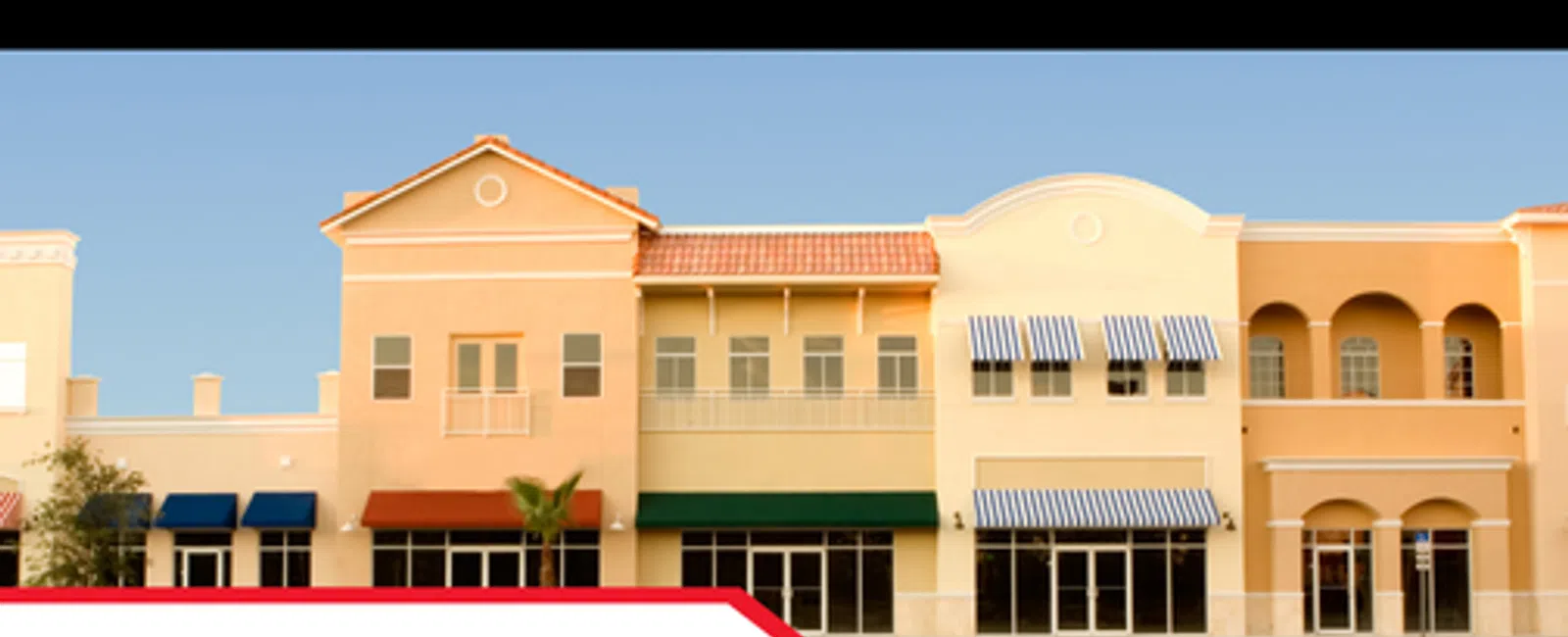
Retail centers can be more complex to evaluate than single-tenant commercial buildings. One property may contain multiple storefronts, separate tenant build-outs, numerous HVAC units, shared plumbing or electrical infrastructure, large roof areas, common walkways, extensive parking, and drainage systems. Maintenance responsibilities may also be divided among property owners, managers, and individual tenants.
A professional retail property inspection in the Southeast can help commercial buyers, investors, developers, owners, and property managers understand the visible and accessible condition of these systems. Rather than simply identifying individual defects, an effective inspection can provide useful context for deferred maintenance, repair priorities, capital planning, and decisions about additional specialist evaluations.
The WBDG overview of building types illustrates how commercial buildings can have different functional requirements based on their use and configuration. For retail properties, understanding how the roof, building envelope, tenant spaces, mechanical equipment, utilities, and exterior site work together is an important part of commercial due diligence.
Why Are Retail Centers Different From Single-Tenant Properties?
A single-tenant building may have one primary occupant and a relatively straightforward arrangement of building systems. A shopping center or multi-tenant retail property can be considerably more complicated.
One center might include restaurants, professional services, traditional retailers, medical-related tenants, fitness businesses, or other commercial uses. Each tenant may have modified its space over time.
Those modifications can affect:
- HVAC systems
- Electrical distribution
- Plumbing
- Interior layouts
- Storefronts
- Roof penetrations
- Exhaust or ventilation components
- Utility arrangements
Property age also matters. A center that has experienced decades of tenant turnover may contain multiple generations of repairs and improvements.
A multi-tenant retail inspection therefore considers both the overall building and the differences between individual tenant spaces.
What Does a Retail Property Inspection Cover?
The exact scope depends on the property and client needs, but a commercial retail property inspection may evaluate visible and accessible conditions involving:
- Roof systems
- Building envelope
- Storefronts
- HVAC equipment
- Electrical systems
- Plumbing
- Interior spaces
- Common areas
- Parking lots
- Walkways
- Exterior drainage
- Accessible structural components
- Visible moisture conditions
The inspection does not automatically include engineering analysis, environmental investigation, code-compliance review, comprehensive accessibility assessment, or specialized mechanical testing.
When findings exceed the inspection scope, additional evaluation by qualified professionals may be recommended.
Large Roof Systems Deserve Careful Attention
Retail centers frequently have substantial roof areas covering multiple tenant spaces.
These roofs may contain numerous:
- HVAC units
- Plumbing vents
- Exhaust penetrations
- Electrical penetrations
- Roof drains
- Other mechanical components
Every penetration or transition can create additional maintenance points.
During a shopping center inspection, visible roof observations may include:
- Roof-covering deterioration
- Flashing
- Parapets
- Penetrations
- Previous repairs
- Roof drains
- Scuppers
- Gutters where applicable
- Ponding
- Damaged materials
- Visible evidence of leakage
A large roof does not automatically indicate greater deterioration. It does mean that the owner may have more roofing components to monitor and maintain.
Roof Findings and Capital Planning
Roof repairs can represent meaningful expenditures for commercial property owners.
Inspection findings may help determine whether the property appears to need localized maintenance, additional roofing evaluation, or consideration of larger future expenditures.
For example, widespread previous repairs, deteriorated flashing, drainage concerns, or visible leakage may justify further evaluation by a qualified commercial roofing contractor.
Inspectors should avoid assigning an unsupported remaining service life based solely on roof age or appearance.
Maintenance records, installation information, roofing materials, previous repairs, warranties, and specialist evaluations can provide additional context.
Storefronts and Exterior Walls
Retail centers may repeat similar storefront systems across many tenant spaces.
Inspectors may observe:
- Storefront windows
- Exterior doors
- Sealants
- Exterior wall finishes
- Masonry
- Siding or panels
- Canopies
- Visible deterioration
- Water staining
- Previous repairs
Repetition matters.
A failed sealant joint at one storefront may represent an isolated maintenance issue. Similar deterioration across numerous storefronts could indicate a broader maintenance project that deserves consideration during acquisition planning.
The same principle can apply to windows, doors, exterior finishes, and canopies.
Moisture and Building-Envelope Conditions
Water intrusion can originate from several portions of a retail building.
Potential sources include:
- Roof leakage
- Failed exterior sealants
- Storefront leakage
- Plumbing leaks
- HVAC condensate
- Exterior wall deficiencies
- Poor site drainage
The EPA's Moisture Control Guidance emphasizes controlling unwanted moisture by considering roofs, walls, foundations, plumbing, HVAC systems, and site drainage as interconnected building components.
During a retail building inspection, staining or deteriorated finishes may provide evidence that moisture has been present. The inspector may document the condition and attempt to identify an apparent source where possible.
A general property inspection, however, cannot always determine the full extent of concealed moisture or damage behind finished materials.
Multiple HVAC Systems Create Additional Due-Diligence Questions
Retail centers frequently have multiple HVAC units, including rooftop equipment serving individual tenants or common areas.
An inspector may observe:
- Equipment condition
- Rooftop units
- Accessible ductwork
- Condensate drainage
- Visible corrosion
- Maintenance conditions
- Damaged components
- Tenant-specific equipment
- Equipment serving common spaces
With numerous units, maintenance history can become particularly useful.
Some equipment may have been replaced recently, while other units may be considerably older. Tenants may also have modified mechanical systems as spaces were renovated.
The inspection can identify visible deficiencies and maintenance concerns, but determining exact HVAC capacity, detailed mechanical performance, or remaining service life may require evaluation by a qualified HVAC contractor or mechanical professional.
Electrical Systems Across Multiple Tenant Spaces
Multi-tenant properties may have electrical systems serving both the overall building and individual occupants.
Depending on accessibility, an inspector may observe:
- Main electrical equipment
- Distribution panels
- Tenant panels
- Electrical rooms
- Visible wiring
- Interior lighting
- Exterior lighting
- Damaged components
- Evidence of overheating
- Tenant modifications
Tenant turnover can result in electrical alterations as spaces are remodeled for different businesses.
Questionable wiring, damaged equipment, overheating, unfinished modifications, or other visible deficiencies may warrant evaluation by a licensed electrician.
A standard commercial building inspection does not perform comprehensive electrical load calculations or certify that the system can support every potential future tenant configuration.
Plumbing and Water Management
Retail centers may contain plumbing systems serving restrooms, tenant spaces, common areas, restaurants, salons, medical-related uses, or other businesses with different water demands.
Inspection observations may include:
- Plumbing fixtures
- Accessible supply piping
- Drain components
- Water heaters
- Restrooms
- Visible leakage
- Corrosion
- Tenant plumbing modifications
- Common plumbing areas
The EPA WaterSense guidance for commercial buildings provides broader information about managing water use in commercial properties, including the importance of identifying leaks and maintaining water-using equipment.
A commercial inspection is not a water-efficiency audit, but visible leaks or deteriorated plumbing components can be relevant to both building maintenance and operating considerations.
When specialized plumbing systems are present, additional evaluation may be appropriate.
Parking Lots Can Represent Major Capital Expenses
Parking is a significant component of many retail properties.
A large shopping center may contain substantially more pavement than building footprint, making exterior surfaces an important part of retail property due diligence.
Inspectors may observe:
- Pavement cracking
- Potholes
- Settlement
- Surface deterioration
- Curbs
- Sidewalks
- Exterior stairs
- Loading areas
- Drainage structures
- Ponding
- Grading
Minor pavement cracking may represent routine maintenance, while widespread deterioration or settlement could indicate a larger repair project.
Understanding the scale of these conditions can help buyers consider both immediate work and longer-term capital expenditures.
Drainage and Stormwater Around Retail Properties
Large roofs and parking areas can generate substantial runoff during rainfall.
Retail properties may rely on combinations of:
- Roof drains
- Scuppers
- Gutters
- Downspouts
- Catch basins
- Surface drains
- Grading
- Other stormwater infrastructure
Visible ponding, blocked drainage structures, erosion, or water accumulating near buildings may warrant attention.
Drainage conditions can also interact with pavement deterioration and building-envelope moisture.
A commercial property inspection can document visible site conditions but should not be represented as a civil engineering study, environmental stormwater assessment, or regulatory compliance evaluation.
Accessibility Observations in Retail Centers
Retail properties serve customers, employees, and visitors, making accessible routes and entrances important aspects of building use.
Depending on the inspection scope, visible observations may involve:
- Accessible parking
- Routes from parking areas
- Curb ramps
- Walkways
- Storefront entrances
- Doorways
- Common restrooms
- Interior circulation areas
The 2010 ADA Standards for Accessible Design provide detailed federal standards concerning accessibility.
A commercial inspector may document apparent accessibility-related conditions, but a standard inspection should not be represented as a comprehensive ADA compliance survey or legal determination.
When a transaction requires detailed accessibility analysis, a qualified accessibility professional may be appropriate.
Multi-Tenant Responsibilities Add Another Layer of Due Diligence
A physical inspection identifies property conditions. It does not determine contractual responsibility for every component.
Within a retail center, components may be:
- Landlord maintained
- Tenant maintained
- Shared among tenants
- Part of common building systems
- Individually metered
- Dedicated to one tenant space
For example, one lease structure may assign certain HVAC maintenance responsibilities to tenants, while another property may handle HVAC centrally through ownership or property management.
Similar differences can apply to storefronts, plumbing, electrical equipment, signs, interiors, roofs, and exterior areas.
Buyers should review applicable leases and property documentation with the appropriate legal and commercial real estate professionals. A commercial inspector should not provide legal interpretations of tenant agreements.
Tenant Improvements Can Change Building Conditions
Tenant build-outs are another important consideration in a Southeast retail center inspection.
Over time, spaces may be divided, combined, renovated, or converted to different uses.
A conventional retail suite could later become a restaurant, salon, fitness facility, or other use requiring different plumbing, electrical, HVAC, or ventilation systems.
Inspectors may observe evidence of previous alterations, including:
- Added electrical circuits
- New plumbing
- Roof penetrations
- Modified HVAC equipment
- Removed or relocated walls
- Patched finishes
- Previous repairs
Visible alterations do not automatically indicate a problem. They provide context about how the building has changed and where additional documentation or specialist evaluation may be useful.
Deferred Maintenance and Long-Term Facility Planning
Retail centers contain many components that require recurring maintenance.
The WBDG Facilities Operations and Maintenance guidance provides broader context about preventive maintenance and maintaining building performance over time.
Inspection findings may help categorize property needs into areas such as:
Immediate Repair Priorities
Active leakage, damaged electrical components, significant plumbing problems, or other conditions that may warrant prompt attention.
Short-Term and Deferred Maintenance
Sealant replacement, localized roofing repairs, HVAC maintenance, pavement repairs, damaged finishes, or drainage improvements.
Potential Capital Expenditures
Large roof systems, multiple HVAC units, extensive parking surfaces, and major building-envelope repairs can represent substantial future expenses.
Specialist Evaluations
Roofing contractors, HVAC professionals, electricians, plumbers, structural engineers, accessibility professionals, or other specialists may be recommended depending on the findings.
Cost-to-Cure Considerations
When deficiencies are significant, buyers or investors may seek contractor estimates or a formal Cost-to-Cure Assessment to better understand potential repair expenditures.
Property Condition Assessments for Retail Centers
Different commercial transactions may require different inspection scopes.
A Commercial Property Inspection, Property Condition Assessment, or Building Condition Assessment can provide organized information about the visible condition of major building and site systems.
Depending on client needs, Investor & Lender Packages may provide additional due-diligence support.
Technology can also supplement certain inspections.
Drone inspections may improve visibility of large or difficult-to-access roof areas when site conditions and regulations permit. Infrared inspections can identify temperature differences that may warrant further investigation.
Infrared imaging does not see through walls and should not, by itself, be treated as confirmation of concealed moisture, missing insulation, or another specific defect.
Retail Property Inspections in Georgia, Florida, and North Carolina
Retail properties throughout the Southeast vary substantially in age, construction, tenant mix, maintenance history, and configuration.
LunsPro Inspection Group provides commercial inspection services in Georgia, Florida, and North Carolina, including markets such as Atlanta, Athens, Savannah, Jacksonville, Charlotte, Raleigh, and Greensboro.
A neighborhood retail center in Athens may have very different inspection priorities from a large multi-tenant property in Atlanta. Likewise, a Jacksonville center with extensive paved areas and rooftop equipment may present different maintenance considerations from a retail property in Charlotte or Raleigh.
The inspection scope should reflect the actual property, its systems, and the client's due-diligence objectives rather than relying solely on the building's retail classification.
A professional retail property inspection in the Southeast can help buyers, investors, owners, developers, and property managers understand the visible condition of a complex commercial asset. Roofs, storefronts, HVAC units, electrical systems, plumbing, parking areas, drainage, and common spaces can each create maintenance and capital-planning considerations.
Multi-tenant properties add another layer because individual spaces may contain different build-outs, equipment, utilities, and maintenance responsibilities. Inspection findings should therefore be considered alongside leases, maintenance records, repair histories, and other transaction documents without treating the physical inspection as a legal review of those materials.
For retail properties in Georgia, Florida, and North Carolina, LunsPro Inspection Group's commercial building inspections can support decisions about immediate repairs, deferred maintenance, specialist evaluations, and potential capital expenditures. Property Condition Assessments, Building Condition Assessments, Cost-to-Cure Assessments, Investor & Lender Packages, drone inspections, and infrared inspections may provide additional information when appropriate to the property and transaction.
Ultimately, a shopping center property inspection is most valuable when it helps stakeholders see beyond isolated defects and understand the broader condition of the asset. That perspective can make it easier to prioritize repairs, investigate significant concerns, plan future maintenance, and approach commercial real estate due diligence with better information.