Managing a commercial property requires ongoing awareness of how building systems, exterior components, and site conditions change over time. Roofing materials deteriorate, HVAC equipment accumulates operating hours, sealants age, pavement develops wear, plumbing components can leak, and drainage conditions may change. For property management firms, owners, asset managers, and investors, understanding these conditions can support more informed maintenance and capital-planning decisions.
Professional property management inspections in Florida can provide a documented snapshot of visible and accessible property conditions. An inspection does not replace routine facility management, preventive maintenance, contractor servicing, or specialized evaluations. Instead, it can supplement those activities by helping stakeholders identify observed deficiencies, deferred maintenance, potential repair priorities, and systems that may warrant closer evaluation.
LunsPro Inspection Group provides commercial inspection services within its Florida commercial service area, including Jacksonville and Northeast Florida. By evaluating a property as an interconnected building and site rather than a collection of isolated components, commercial inspections can help property managers establish a clearer condition baseline and organize maintenance needs more effectively.
How Can Commercial Inspections Help Property Managers?
A commercial property manager may oversee numerous building systems at once while also coordinating tenants, contractors, budgets, routine maintenance, and ownership priorities.
A property condition inspection can help organize information about the physical asset.
Depending on the building and agreed scope, observations may include:
- Roofing and roof drainage
- Building envelope
- Foundations and visible structural components
- HVAC equipment
- Electrical systems
- Plumbing
- Interior areas
- Exterior doors and windows
- Parking areas
- Walkways
- Pavement
- Drainage and grading
- Visible moisture conditions
The WBDG guidance on Facilities Operations and Maintenance provides broader context for the importance of organized maintenance, facility operations, and maintaining building performance over time. For property managers, condition information can support those ongoing efforts by helping establish what is currently visible and where additional attention may be warranted.
Periodic Condition Information Creates a Useful Baseline
A commercial inspection is a snapshot of conditions at a particular time. That limitation can also make periodic documentation useful.
When property managers have organized records of building conditions, they may be better positioned to recognize changes. A roof condition that was previously documented can be compared with later deterioration. A recurring moisture stain may indicate that an earlier repair did not fully resolve the source. Pavement cracking or exterior sealant deterioration can be monitored as part of future maintenance planning.
Periodic commercial building inspections do not guarantee that every developing defect will be discovered. Concealed conditions, sudden equipment failures, and changes between inspections remain possible.
However, consistent condition documentation can help property managers move from reactive maintenance toward more informed planning.
Roof Condition and Long-Term Maintenance Planning
Commercial roofs deserve ongoing attention because they protect large areas of the building envelope and may contain numerous penetrations, drainage components, transitions, and previous repairs.
A commercial property inspection may identify visible conditions such as:
- Deteriorated roof coverings
- Damaged or aging flashing
- Open seams
- Deteriorated penetrations
- Failed sealants
- Ponding water
- Clogged or damaged drainage components
- Previous repairs
- Visible evidence of leakage
Roof age can provide useful context, but age alone does not establish remaining service life.
Installation quality, material type, maintenance, drainage, repairs, weather exposure, and actual condition all influence performance. An inspector should therefore describe observable conditions rather than predict an exact replacement date without adequate supporting information.
For property managers, those observations can help determine whether the next step is routine maintenance, repair, contractor evaluation, or longer-term capital planning.
Roof Drainage Matters in Florida
Florida's heavy rainfall can make roof drainage particularly important.
Commercial roofs may rely on:
- Internal drains
- Scuppers
- Gutters
- Downspouts
- Roof slopes
- Overflow provisions
Debris, damaged drainage components, or poor water movement can contribute to ponding or direct runoff toward vulnerable areas.
A roof inspection should therefore consider both the roof covering and the way water moves away from it.
This does not mean every Florida commercial roof has drainage problems. Building design, maintenance, location, roof configuration, and weather exposure vary considerably from property to property.
The Building Envelope and Water Intrusion
A building's exterior envelope includes walls, windows, doors, sealants, flashing, penetrations, and other components that separate interior spaces from exterior conditions.
Property managers may encounter deterioration such as:
- Failed sealants
- Cracked exterior finishes
- Damaged cladding
- Deteriorated window components
- Door deficiencies
- Corrosion
- Open penetrations
- Water staining
The EPA's Moisture Control Guidance emphasizes managing moisture across the building, including roofs, walls, foundations, HVAC systems, plumbing, and site drainage. That systems-based approach is useful for commercial property management because visible water damage may originate somewhere other than where staining ultimately appears.
A useful property maintenance inspection therefore goes beyond documenting a stain. When possible, observations should help narrow down likely moisture sources and identify where further investigation may be necessary.
Florida Weather and Exterior Maintenance
Florida's climate can influence long-term maintenance priorities.
Depending on the property's location and exposure, relevant conditions can include:
- Heat
- Humidity
- Heavy rainfall
- Strong sunlight
- Wind
- Storm exposure
- Coastal conditions
Exterior sealants, coatings, roofing, metal components, doors, windows, and other materials can respond differently to these environmental conditions.
Properties closer to coastal environments may also experience increased exposure to salt and moisture, while inland buildings can have different maintenance concerns.
These factors provide context rather than predetermined findings. A Jacksonville commercial property should be evaluated according to its actual construction, age, maintenance history, previous repairs, and visible condition.
HVAC Condition and Florida Commercial Properties
HVAC systems can represent a significant maintenance and capital consideration for Florida commercial properties.
Depending on the inspection scope and equipment accessibility, observations may include:
- Equipment condition
- Filters
- Visible ductwork
- Ventilation components
- Condensate drainage
- Corrosion
- Visible moisture
- Deferred maintenance
- General operation
Florida's heat and humidity can place substantial operating demands on cooling equipment, but usage varies according to building type, occupancy, equipment design, operating schedules, and maintenance.
Condensate management also deserves attention. Blocked, damaged, or poorly maintained condensate systems can contribute to unwanted moisture around HVAC equipment and surrounding building materials.
HVAC Observations Are Not an Indoor Air Quality Assessment
Building owners and facility managers should distinguish general HVAC observations from comprehensive indoor air quality evaluation.
The EPA's Building Air Quality Guide for Building Owners and Facility Managers provides guidance addressing ventilation, HVAC operation, moisture, pollutant sources, and other factors affecting indoor building conditions.
A general commercial inspection may identify visible conditions that suggest maintenance or further HVAC evaluation is appropriate. It does not measure all indoor pollutants, establish comprehensive ventilation performance, or replace an indoor-air-quality assessment.
Property managers can use inspection findings alongside HVAC contractors and other qualified professionals when more detailed evaluation is needed.
Plumbing and Water Management
Commercial plumbing systems can affect both daily operations and long-term maintenance expenses.
A commercial inspection service may include observations of accessible:
- Plumbing fixtures
- Supply piping
- Drain components
- Water heaters
- Visible connections
- Shutoff components
- Other accessible plumbing equipment
Inspectors may document visible leaks, corrosion, staining, damaged fixtures, previous repairs, or other conditions requiring maintenance.
Leaks deserve particular attention because even relatively small amounts of recurring water can affect surrounding finishes and building materials over time.
Water Efficiency and Commercial Properties
Property managers may also consider water use as part of broader facility operations.
The EPA WaterSense resources for commercial buildings discuss water management and efficiency opportunities in commercial and institutional properties. Measures such as identifying leaks, maintaining plumbing fixtures, and understanding facility water use can contribute to better water management.
A commercial property inspection is not a water audit and does not provide a comprehensive analysis of consumption or efficiency.
However, observations such as leaking fixtures, deteriorated plumbing components, or evidence of recurring water loss can identify areas where property managers may want additional evaluation.
Electrical Systems and Ongoing Property Management
Electrical systems can change over a property's lifetime through tenant improvements, renovations, equipment additions, repairs, and normal aging.
Depending on the scope, an inspector may observe:
- Service equipment
- Electrical panels
- Visible wiring
- Disconnects
- Lighting
- Receptacles
- Other accessible components
Visible damage, corrosion, missing components, questionable modifications, or evidence of overheating may warrant additional evaluation.
A general property inspection does not replace comprehensive electrical testing, engineering analysis, or evaluation by a licensed electrical contractor when specialized concerns exist.
Parking Lots, Walkways, and Exterior Surfaces
Exterior site conditions can affect maintenance budgets just as much as building systems.
Inspectors may document:
- Pavement cracking
- Potholes
- Settlement
- Damaged curbs
- Deteriorated walkways
- Drainage problems
- Erosion
- Standing water
- Damaged exterior stairs
- General surface deterioration
Large paved areas also influence stormwater movement.
Depressions or deteriorated drainage structures can allow water to collect, while grading may direct runoff toward the building instead of away from it.
For property managers, these observations can support maintenance prioritization and help determine whether paving, drainage, or other site professionals should become involved.
Interior Conditions Can Reveal Larger Building Issues
Interior observations may provide clues about conditions elsewhere in the property.
Examples include:
- Ceiling staining
- Damaged wall finishes
- Deteriorated flooring
- Corrosion
- Cracking
- Visible moisture
- Evidence of previous repairs
A stained ceiling tile, for example, could relate to roofing, plumbing, HVAC condensation, or another source.
The visible symptom should not automatically be treated as the cause.
For maintenance planning, determining the likely source is usually more valuable than repeatedly replacing damaged finishes without addressing the underlying condition.
Deferred Maintenance and Capital Planning
One of the most useful applications of property management inspections in Florida is organizing deficiencies by potential priority.
Inspection findings may help distinguish between:
Immediate Repairs
Conditions requiring prompt attention because active deterioration, leakage, or other significant concerns are present.
Short-Term Maintenance
Items that may not require immediate action but could benefit from maintenance before deterioration progresses.
Deferred Maintenance
Repairs or maintenance that appear to have been postponed over time, potentially resulting in greater deterioration or accumulated needs.
Larger Capital Considerations
Major systems such as roofing, HVAC equipment, pavement, exterior assemblies, or other substantial components may require longer-term budgeting.
Specialist Evaluations
Some findings cannot be fully evaluated during a general inspection. Roofing contractors, HVAC professionals, electricians, plumbers, structural engineers, or other specialists may be appropriate depending on the condition.
Potential Cost-to-Cure Items
Where relevant to the inspection scope, findings can help identify conditions for which an owner, investor, or asset manager may want repair estimates or a more formal cost-to-cure analysis.
The inspection does not establish final construction costs unless cost analysis is specifically included in the service.
Property Condition Assessments and Facility Condition Assessments
Different commercial stakeholders may require different levels of inspection.
A general commercial building inspection, Property Condition Assessment, Building Condition Assessment, or facility condition assessment can vary in scope, documentation, and intended use.
For investors or owners considering acquisition, findings may support commercial property due diligence.
For an existing property manager, similar condition information may support maintenance planning, budgeting, or discussions with ownership.
Establishing the desired scope before the inspection helps ensure the resulting report addresses the client's objectives.
A Commercial Inspection Is Not a Code Inspection
Florida has an established regulatory framework governing building construction. The Florida Building Commission's Code Resources provide access to information concerning Florida's building codes and related standards.
Those resources provide useful context for Florida's built environment, but a standard commercial property inspection is not a building-code compliance inspection.
Similarly, a general commercial inspection should not be represented as:
- A structural engineering evaluation
- An Environmental Site Assessment
- An indoor air quality assessment
- A comprehensive accessibility audit
- Specialized equipment testing
- A regulatory compliance inspection
Where these services are required, appropriately qualified professionals should be engaged.
Commercial Property Inspections in Jacksonville and Northeast Florida
LunsPro Inspection Group provides commercial inspection services in Florida within its actual service footprint, including Jacksonville and Northeast Florida.
Properties in this market can range from offices and retail buildings to warehouses, multifamily properties, medical offices, restaurants, self-storage facilities, and other commercial assets. Each building type creates different maintenance and due-diligence priorities.
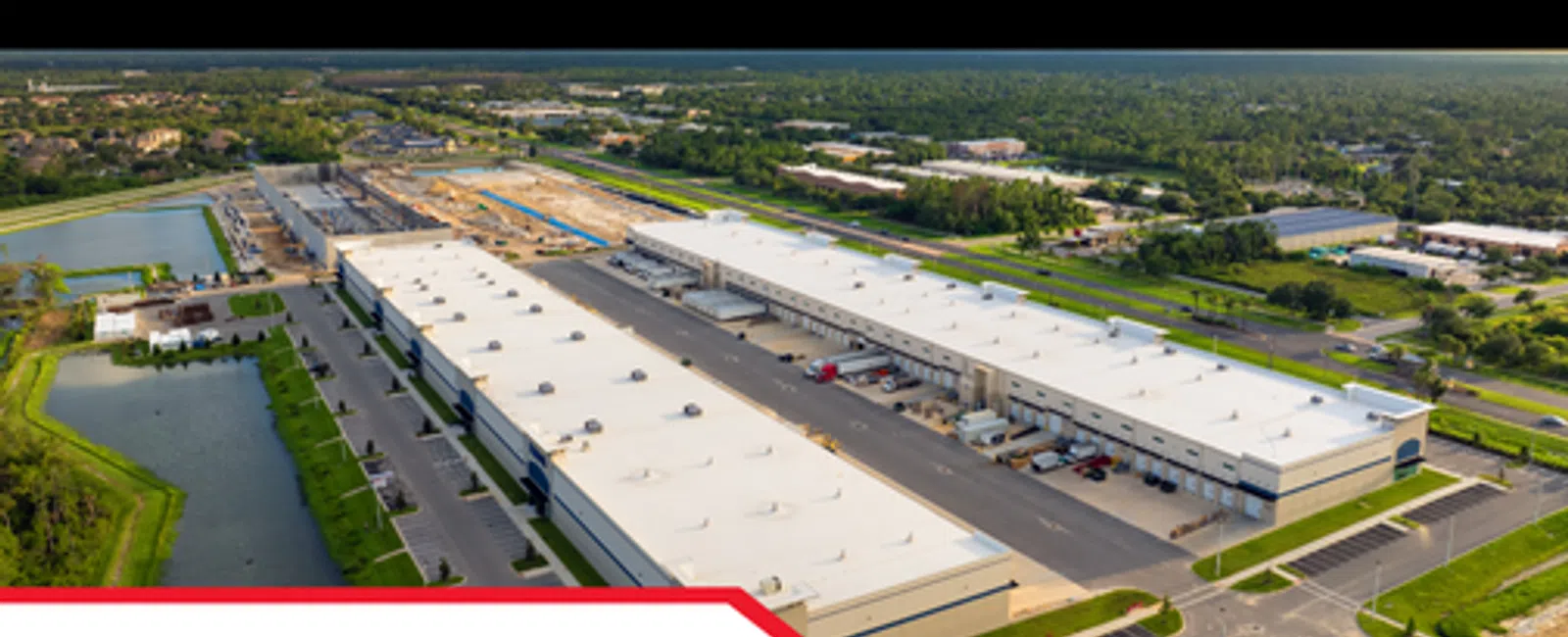
A warehouse with a large low-slope roof, extensive pavement, and loading areas requires a different inspection strategy from an office building with multiple HVAC systems and tenant spaces.
The same principle applies across LunsPro's commercial markets in Georgia and North Carolina. Commercial inspections are property-specific and should account for construction, occupancy, age, maintenance, previous use, and client objectives.
LunsPro's commercial service footprint should not be confused with its broader residential coverage. Commercial inspection services are provided in Florida, Georgia, and North Carolina, not South Carolina or Tennessee.
Commercial property management depends on continuous maintenance rather than occasional inspections alone. Property managers still need regular servicing, contractor relationships, tenant communication, maintenance records, and ongoing observation of building systems. A commercial inspection complements those activities by providing an organized assessment of visible and accessible property conditions at a specific point in time.
For Florida property managers, that information can help identify active repairs, short-term maintenance, deferred maintenance, potential capital needs, and systems requiring specialist evaluation. Roofing, HVAC, plumbing, electrical systems, building envelopes, pavement, drainage, interiors, and moisture conditions can all influence maintenance planning and long-term building performance.
LunsPro Inspection Group's Florida commercial property inspections in Jacksonville and Northeast Florida can provide property managers, owners, investors, and asset managers with clearer documentation of current building conditions. Depending on the scope, those findings can support maintenance planning, facility-condition discussions, commercial property due diligence, and potential cost-to-cure considerations.
The purpose is not to predict every future repair or replace active facility management. Instead, property management inspections in Florida can provide another layer of condition information, helping commercial stakeholders understand what is visible today so they can make more informed decisions about what deserves attention tomorrow.