
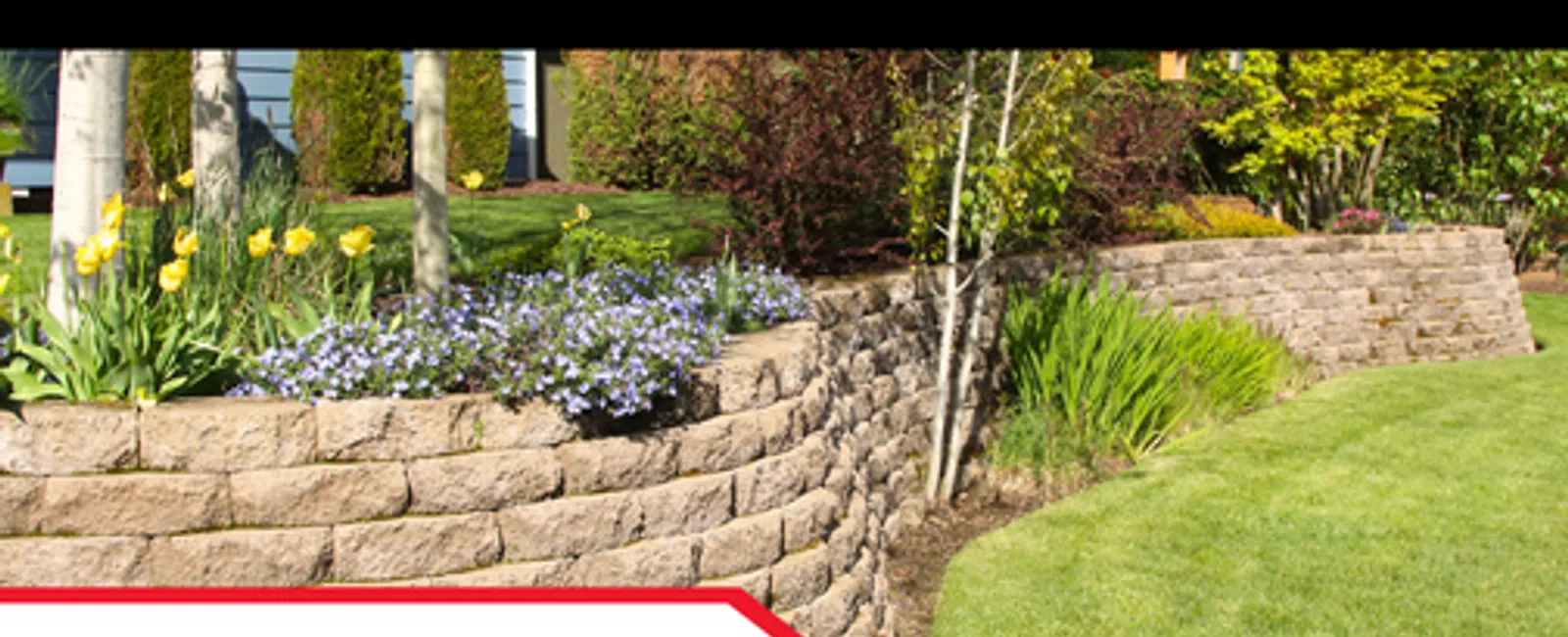
Retaining walls are common landscape and structural features on properties where changes in elevation make it necessary to hold soil in place. They can support yards, driveways, walkways, landscaping, slopes, and other portions of a residential property. While some retaining walls are relatively small landscape features, others retain substantial amounts of soil and can influence drainage, erosion, and the usability of surrounding areas. For homebuyers, understanding the visible condition of these walls can provide useful information about the property beyond the wall itself.
A retaining wall inspection during a home inspection focuses on visible and accessible conditions that may indicate deterioration, movement, drainage concerns, or maintenance needs. Leaning, cracking, displacement, erosion, or water accumulation may deserve attention, but these observations do not automatically mean that a wall is failing. The significance of retaining wall problems depends on factors such as wall construction, height, age, drainage, soil conditions, location, and the type and extent of movement observed.
For LunsPro Inspection Group, retaining walls are one of many exterior components that can provide context about how a property manages water and interacts with the surrounding terrain. During Home Inspections in the Southeast, inspectors may consider retaining walls alongside grading, property drainage, foundations, vegetation, and other site conditions. This broader perspective is particularly useful in areas that experience heavy rainfall, sloped terrain, erosion, and changing soil moisture.
What Is the Purpose of a Retaining Wall?
A retaining wall is designed to resist soil pressure where the ground level differs from one side of the wall to the other. Instead of allowing soil to naturally slope downward, the wall creates a more abrupt change in elevation.
Residential retaining walls may be used to support:
- Elevated lawns and landscaping
- Sloped yards
- Driveways and parking areas
- Walkways and patios
- Areas adjacent to homes
- Garden terraces
- Changes in grade between neighboring properties
- Soil around drainage or site improvements
The forces acting on a retaining wall can be significant. Soil has weight, and its pressure against a wall can change depending on moisture content, drainage, slope, compaction, vegetation, and loads above the wall.
Resources from USDA NRCS - Soil Resources provide useful context for understanding soil as a dynamic natural resource whose characteristics influence water movement, erosion, and land stability. These principles are relevant to residential retaining walls because a wall's performance cannot be separated entirely from the soil it is intended to retain.
Common Types of Residential Retaining Walls
Retaining walls are constructed from many materials and in a variety of configurations. The type of wall can influence what an inspector looks for and how visible deterioration may appear.
Concrete Retaining Walls
Poured concrete can be used for substantial retaining structures because it can provide significant strength when properly designed and constructed.
Visible conditions may include cracking, displacement, surface deterioration, exposed reinforcement, staining, or movement. A small surface crack does not necessarily indicate failure, but significant cracking or displacement may warrant closer evaluation.
Concrete Masonry Block Walls
Concrete masonry units, commonly called concrete blocks or CMUs, may be used in reinforced retaining-wall systems.
Inspectors may observe cracks along mortar joints, displaced blocks, bowing, deterioration, or other evidence of movement. The significance depends on the wall's configuration and the pattern and extent of the condition.
Segmental Retaining Walls
Interlocking concrete blocks are common in residential landscaping. These systems can range from relatively low landscape walls to larger engineered installations.
Visible displacement, rotation, separation, settlement, or erosion around the base can indicate that portions of the system have moved.
Timber Retaining Walls
Pressure-treated timbers or similar materials are sometimes used for residential retaining walls.
Because wood is an organic material, deterioration can be an important consideration. Inspectors may look for decay, splitting, displacement, damaged connections, leaning, or failed components.
Stone and Masonry Walls
Natural stone, brick, and other masonry materials can be found on both older and newer properties.
Age alone does not determine condition. An older stone wall may remain functional, while a newer wall can develop problems if drainage, construction, or site conditions are inadequate.
Why Retaining Wall Drainage Is So Important
Water management is one of the most important factors affecting retaining-wall performance.
A retaining wall does not only resist dry soil. After heavy rainfall, water can enter the soil behind the wall. If that water cannot drain effectively, pressure against the wall can increase.
This is why retaining wall drainage deserves careful attention.
Drainage systems vary by wall design but may involve granular backfill, drainage piping, weep openings, surface grading, or other methods intended to keep water from accumulating behind the structure.
Information from EPA - Stormwater Management Practices provides broader guidance about managing stormwater and runoff. Although these resources are not a retaining-wall inspection manual, they help illustrate why controlling runoff and directing water appropriately are important considerations for developed properties.
During exterior inspections, observable drainage conditions can help an inspector understand how water moves around a retaining wall and the surrounding property.
Water Accumulation Behind a Wall
Water accumulation can increase pressure behind a retaining wall and contribute to other site problems.
An inspector may observe:
- Ponding near the wall
- Concentrated runoff toward the wall
- Erosion channels
- Soil washout
- Persistent wet areas
- Staining or moisture evidence
- Blocked or deteriorated drainage openings
- Downspouts discharging near the wall
These observations do not prove that concealed drainage components have failed. A standard home inspection generally cannot determine the design or condition of underground drainage systems that are not visible.
They can, however, indicate that additional attention to property drainage may be appropriate.
Leaning and Bowing Retaining Walls
One of the more noticeable retaining wall problems is visible leaning or bowing.
A wall that is no longer reasonably aligned may have experienced movement. Potential contributors can include soil pressure, drainage conditions, inadequate construction, settlement, erosion, deterioration, or combinations of these factors.
The amount and pattern of movement matter.
Minor irregularities may have existed for years without significant change. More pronounced leaning, active-looking displacement, or movement affecting nearby improvements may warrant specialist evaluation.
A home inspector should document what is visible rather than conclude from appearance alone that the wall is experiencing structural failure.
Cracking Does Not Automatically Mean Failure
Cracks are another common concern for buyers.
Concrete and masonry materials can crack for many reasons, including shrinkage, thermal changes, settlement, age, and movement. The existence of a crack alone does not establish the severity or cause of a condition.
Inspectors may consider:
- Crack width
- Location
- Pattern
- Displacement across the crack
- Associated wall movement
- Nearby drainage conditions
- Deterioration around the crack
A narrow crack without displacement may have very different implications from widespread cracking accompanied by significant bowing or rotation.
The same principle applies during foundation inspections. Cracks are observations that require context, not automatic evidence of major structural damage.
Displacement and Separation
Individual retaining-wall components can sometimes move relative to one another.
Segmental blocks may shift. Masonry sections may separate. Timber components may pull away from adjacent members. Caps can become displaced.
Small localized movement may represent a maintenance concern, while widespread displacement may suggest a more substantial condition.
During a retaining wall inspection, the inspector looks for relationships among these observations. Displacement combined with erosion, leaning, or water accumulation may be more significant than an isolated cosmetic irregularity.
Deteriorated Materials
Retaining walls are exposed continuously to weather, soil, water, vegetation, and temperature changes.
Over time, materials may deteriorate.
Wood can decay. Mortar joints can weather. Concrete can spall or deteriorate. Metal components can corrode. Blocks can crack or become damaged.
The presence of deterioration does not necessarily mean immediate failure, but it can affect the wall's condition and future maintenance requirements.
For homebuyers, the useful question is not simply whether a retaining wall is old. It is whether visible components appear serviceable, deteriorated, damaged, displaced, or in need of further evaluation.
Soil Erosion Around Retaining Walls
Soil erosion can affect both the area above and below a retaining wall.
Runoff moving across a slope may remove soil near the wall. Water discharging from downspouts, drainage pipes, driveways, or other surfaces can create concentrated erosion.
Inspectors may observe exposed soil, channels, washout, voids, undermined areas, or loss of material near the wall.
Erosion can also provide clues about broader site drainage.
For example, a retaining wall may appear relatively intact while substantial erosion nearby indicates that stormwater is not being effectively controlled. Addressing only the wall without considering the source of the water may fail to address the underlying property condition.
Settlement Around Retaining Walls
Settlement can occur in soil, wall foundations, backfill, or nearby improvements.
Signs may include:
- Low areas
- Depressions
- Rotated wall sections
- Uneven wall tops
- Separated blocks
- Cracked pavement nearby
- Sunken landscaping
- Gaps between adjoining surfaces
Not all settlement is ongoing or structurally significant. Some movement can occur as soils consolidate after construction.
However, visible settlement combined with continuing drainage or erosion problems may deserve further investigation.
Vegetation Can Affect Retaining Walls
Landscaping is often installed around retaining walls, but vegetation can complicate both wall performance and inspection.
Dense plants can prevent inspectors from seeing portions of a wall. Roots may interact with wall components or surrounding soil. Vegetation can also retain moisture or conceal erosion.
Large trees deserve particular context. Root systems can influence surrounding soil, but it is not appropriate to assume that a nearby tree is responsible for wall movement without supporting evidence.
During Home Inspections in Georgia, vegetation can be especially relevant because the long growing season can allow landscaping to become dense around exterior structures.
Retaining Walls and the Home's Foundation
A retaining wall and a home's foundation are not necessarily the same structural system, but their conditions can sometimes be related through grading, soil, and drainage.
For example, a retaining wall close to a home may influence how water and soil are managed around the foundation. Drainage deficiencies near the wall could potentially contribute to wet areas elsewhere on the site.
That is why foundation inspections, retaining-wall observations, grading, and drainage should not always be considered independently.
If an inspector observes wall movement alongside foundation concerns, significant erosion, or unusual site conditions, further evaluation may be appropriate.
Retaining Walls on Sloped Properties
Sloped lots can make retaining walls particularly important.
The steeper and more complex the site, the more attention may be needed to understand drainage pathways, erosion, soil retention, and nearby improvements.
FEMA's Building Science resources provide broader information about building resilience and natural hazards. FEMA also publishes a Landslide Fact Sheet describing landslide risks and warning signs. These resources provide useful context for why slopes, water, soil conditions, and site stability deserve appropriate consideration, although an ordinary residential retaining-wall observation should not be equated with a geotechnical or landslide assessment.
A home inspector can identify visible concerns but cannot determine concealed soil conditions or perform geotechnical analysis during a standard home inspection.
Why Southeast Weather Matters
Southeastern properties can experience intense rainfall, thunderstorms, tropical systems, extended wet periods, and rapid vegetation growth.
Water moving across a sloped property can erode exposed soil or concentrate against site structures. Repeated wetting may also affect certain retaining-wall materials and alter soil moisture conditions.
These issues are relevant during Home Inspections in the Southeast, but local conditions vary substantially.
For Home Inspections in Atlanta, properties can range from relatively level suburban lots to steep sites requiring extensive grade management. Home Inspections in Athens may similarly involve varied terrain, older properties, and established landscaping. During Home Inspections in Savannah, relatively flat terrain and heavy rainfall can make drainage and water management important for different reasons.
A retaining wall inspection should therefore consider the wall within its actual site conditions rather than relying on broad assumptions about the region.
What Inspectors Look for Around the Wall
A useful retaining-wall evaluation extends beyond the face of the structure.
An inspector may consider:
- Grading above the wall
- Drainage patterns
- Downspout locations
- Visible drainage openings
- Erosion
- Vegetation
- Conditions at the base
- Nearby pavement
- Stairs and guard components
- Adjacent foundations
- Driveways or walkways
- Structures supported above the wall
These observations help put the wall's visible condition into context.
For example, a crack in a wall may deserve different consideration if significant soil erosion and water accumulation are occurring directly behind it.
Retaining Walls and Safety Features
Some retaining walls create significant elevation changes.
Depending on the configuration, stairs, guards, railings, walkways, or other safety-related components may be located nearby. These features can be evaluated as part of the home's accessible exterior areas.
The International Code Council - I-Codes provides model-code resources addressing many aspects of building and property safety. A standard home inspection, however, is not the same as a formal code-compliance inspection. Inspectors may identify visible safety concerns without certifying that an existing retaining wall or surrounding improvement complies with every applicable current requirement.
How Retaining Wall Problems May Appear in an Inspection Report
A home inspection report should describe observable conditions rather than make unsupported conclusions.
For example, a report may document:
- Visible wall leaning
- Cracked masonry
- Displaced blocks
- Deteriorated timber
- Erosion at the base
- Water accumulation
- Damaged drainage components
- Settlement
- Vegetation restricting access
- Failed or loose components
These observations can help buyers understand what was visible at the time of inspection and what next steps may be appropriate.
Not every condition requires the same response. Some may be routine maintenance issues. Others may justify repairs or additional evaluation.
When Further Evaluation May Be Appropriate
A general home inspector is not performing a structural engineering or geotechnical analysis of every retaining wall.
Further evaluation by an appropriately qualified engineer, retaining-wall contractor, drainage professional, or other specialist may be recommended when observations include significant movement, substantial cracking, pronounced bowing, extensive deterioration, severe erosion, unusual site conditions, or other evidence that cannot be adequately evaluated within the scope of a visual home inspection.
Specialist evaluation may also be appropriate when a large retaining wall supports a building, driveway, neighboring property, substantial slope, or another significant load.
The purpose of the recommendation is to obtain more information where the limits of a standard inspection prevent a reliable assessment of the condition or its significance.
Avoiding Alarmist Conclusions
Retaining walls often develop imperfections over time.
A crack does not automatically mean structural failure. A slight lean does not necessarily mean a wall is about to collapse. Minor erosion does not automatically indicate a major site-stability problem.
At the same time, dismissing visible movement simply because a wall has been standing for years can also be inappropriate.
A professional inspection takes a measured approach: document observable home inspection defects, evaluate related site conditions, explain relevant limitations, and recommend additional expertise when the available evidence warrants it.
What Homebuyers Can Learn From a Retaining Wall Inspection
For buyers, retaining walls should be viewed as part of the property's larger exterior system.
A wall may influence or be influenced by drainage, grading, landscaping, soil movement, walkways, driveways, and foundations. Understanding these relationships can help buyers plan maintenance and determine whether additional evaluation should occur before closing.
LunsPro Inspection Group considers accessible retaining walls as part of the broader exterior evaluation during applicable residential inspections. For buyers scheduling Home Inspections in Georgia, including Home Inspections in Atlanta, Home Inspections in Athens, and Home Inspections in Savannah, these observations can be particularly valuable on properties with slopes, extensive landscaping, elevation changes, or complex drainage patterns.
Retaining walls perform an important job: they manage differences in grade while resisting pressure from the soil behind them. Because soil, water, drainage, erosion, and construction all influence their performance, evaluating a retaining wall involves more than simply looking for cracks. Leaning, bowing, displacement, deterioration, settlement, water accumulation, and soil erosion all provide pieces of information that should be considered together.
A professional retaining wall inspection does not assume that every irregularity represents failure. Instead, inspectors evaluate visible and accessible conditions and look for related evidence involving retaining wall drainage, grading, erosion, foundations, and other exterior components. This approach provides homebuyers with useful information without overstating what can be determined through a non-invasive visual inspection.
For homeowners and buyers throughout the Southeast, water management deserves particular attention. Heavy rainfall, sloped lots, changing soil moisture, vegetation, and concentrated runoff can influence both retaining walls and the properties around them. Maintaining appropriate property drainage and addressing erosion or deteriorated components early can help reduce the likelihood that smaller site conditions develop into more complicated maintenance concerns.
Ultimately, the value of a retaining wall evaluation is context. Through comprehensive exterior inspections and related foundation inspections, LunsPro Inspection Group can document visible retaining wall problems and help buyers better understand when a condition appears to be a maintenance issue and when additional evaluation by an appropriately qualified professional may be warranted.