
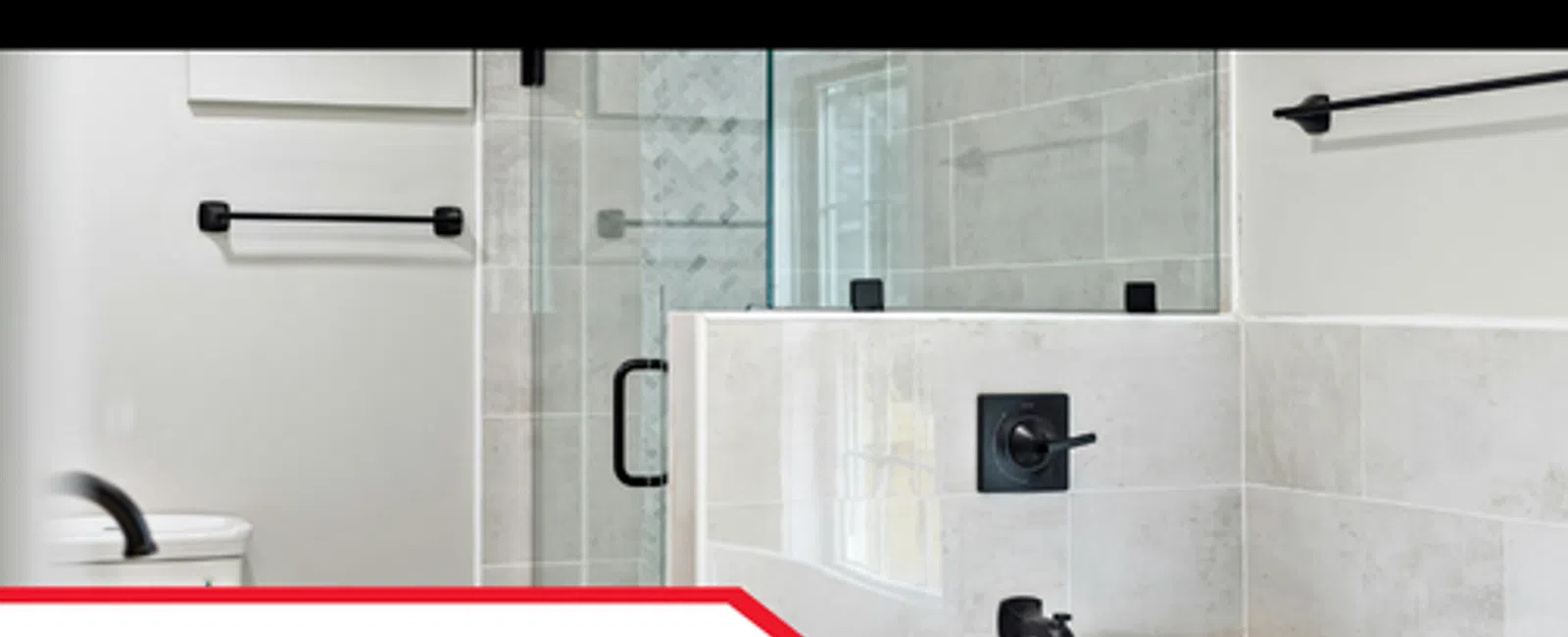
A brand-new bathroom can look nearly flawless at first glance. New fixtures, clean surfaces, fresh finishes, and an unused shower or tub surround naturally create the impression that everything is ready for move-in. But new construction does not mean every material made it through installation without damage. Some defects can be small, difficult to see, and located in areas homeowners may not think to examine closely.
Licensed and Certified Inspector David L. of LunsPro Inspection Group demonstrated this while inspecting a brand-new 2026 home in La Vergne, Tennessee. In the primary bathroom, a fiberglass surround appeared attractive and properly finished at first. On closer inspection, however, David identified damage to the fiberglass base. The defect was difficult to see with water on the surface and was subtle enough that he noted he almost missed it. His recommendation was straightforward: because this was new construction, the damaged area should be repaired or replaced rather than simply left as-is.
For homeowners and buyers throughout Nashville, Chattanooga, Atlanta, Charlotte, Raleigh, Greensboro, Greenville, Savannah, and Charleston, the finding illustrates an important point about new construction. A home does not have to be old to benefit from a professional inspection. Licensed Inspectors performing Southeastern Residential and Commercial Inspections can provide an independent look at visible and accessible components, including finishes that may have been damaged during the construction process.
New Construction Is Still a Construction Project
It is easy to think of a completed new home as a finished product, but every new house has gone through a complex construction process.
Materials have been delivered, stored, moved, cut, installed, adjusted, cleaned, and worked around by multiple trades. Even when the overall workmanship is good, individual components can still be damaged along the way.
Bathroom materials are no exception.
A fiberglass shower or tub surround may arrive at the property in good condition and still experience damage during handling or installation. Tile surfaces, shower bases, surrounds, and other finishes can also develop defects that deserve attention before the homeowner begins using them regularly.
This does not mean that every new bathroom will have problems. It means buyers should not assume a component is defect-free simply because it is new.
Why Fiberglass Surrounds Deserve a Close Look
Fiberglass surrounds are designed to provide a finished surface in wet areas.
Because they are installed around showers and tubs, their condition matters for more than appearance. David specifically emphasized checking fiberglass surrounds for damage that may have occurred during installation.
The base deserves particular attention.
During the La Vergne inspection, the damage David observed was on the fiberglass base itself. It was not immediately obvious, especially with water covering the surface.
That is exactly why inspectors need to look carefully.
A buyer casually touring the bathroom might focus on whether the fixtures look attractive, whether the shower is large enough, or whether the finishes match the rest of the home. An inspector is looking at the component from a different perspective: Is it intact? Is there visible damage? Does something need to be addressed?
Small Damage Can Be Easy to Miss
One of the most useful lessons from David's observation is how subtle some new construction defects can be.
He specifically noted that he almost missed the damaged area.
That matters because not every inspection finding is dramatic. There may not be a large crack, missing component, obvious leak, or visibly unfinished section.
Sometimes the concern is a small defect in a surface that requires closer examination.
Water can also make certain damage harder to see by changing reflections and the appearance of the surface. Lighting, viewing angle, and the color of the material can further affect visibility.
This is one reason a professional inspection is more than a quick walkthrough.
New Build Quality Includes the Finishes
When people discuss new construction quality, attention often goes immediately to major systems.
Buyers want the roof installed correctly. They want the HVAC equipment working. They want the electrical system functioning properly and the plumbing free of leaks.
Those systems certainly matter.
But quality also extends to the materials homeowners will use every day.
A bathroom shower base is one of those components.
If a new fiberglass base is visibly damaged, David's recommendation is that it should be repaired or replaced. The fact that a defect might be repairable does not mean it should simply be ignored.
The homeowner is purchasing a new property and reasonably expects new construction components to be delivered in appropriate condition.
Why Bathroom Damage Shouldn't Simply Sit
David also warned against allowing this type of damage to remain unaddressed.
His concern was that it could worsen during the first few years and eventually contribute to moisture intrusion into the floor.
That possibility is important because bathrooms are regularly exposed to water.
A surface defect in a dry area of the house and damage in a shower or tub area are not necessarily equivalent. Wet areas require surfaces and assemblies that can handle repeated exposure to water during normal use.
If a damaged component could allow moisture to move where it does not belong, the condition deserves attention.
Moisture Intrusion Can Extend Beyond the Surface
Water problems in homes are rarely limited to what homeowners can see.
If moisture reaches materials beneath or around a bathroom fixture, additional components may become involved.
The exact construction varies by home, so an inspector should not assume concealed damage is present without evidence. However, visible damage that could permit moisture intrusion provides a reasonable basis for recommending correction before the condition has an opportunity to worsen.
This is particularly useful in a new construction home.
Addressing the visible defect early may be far simpler than dealing with a moisture-related problem after the bathroom has been used for an extended period.
Why Inspectors Test and Examine New Bathrooms
A new construction inspection should involve more than confirming that a bathroom exists and looks finished.
Accessible components need to be observed and, where appropriate within the inspection scope, operated or tested.
Bathrooms contain numerous areas that deserve attention, including:
- Shower and tub surfaces
- Fiberglass surrounds
- Shower or tub bases
- Tile finishes
- Plumbing fixtures
- Accessible connections
- Floors and walls
- Other visible components
David specifically encouraged homeowners to make sure fiberglass surrounds and bases are being checked, including tiled areas where applicable.
The goal is to identify visible damage while the home is still new.
Why Independent Inspection Still Matters on New Homes
A new home may have been seen by builders, subcontractors, supervisors, and other professionals before the buyer receives the keys.
A professional home inspection still provides another perspective.
The inspector is evaluating the property for the client.
That means systematically moving through accessible areas and documenting conditions that deserve attention.
A small damaged area on a fiberglass base is a good example of why this independent look can be useful. The bathroom was brand-new and visually appealing, but a defect was still present.
It took careful observation to find it.
Don't Confuse Cosmetic and Functional Concerns
Some construction defects are primarily cosmetic. Others can potentially affect how a component performs.
Homeowners should avoid automatically categorizing all surface damage as cosmetic without considering where it is located.
Damage to decorative paint is different from damage to a component intended to manage repeated water exposure.
In a shower or tub area, the location of the defect matters.
David's concern was not simply that the fiberglass base had an imperfection. He noted that leaving the damage could allow the condition to worsen and potentially lead to moisture intrusion into the floor.
That makes correction more important than simply improving appearance.
Repair or Replacement Depends on the Condition
David noted that fiberglass damage can often be repaired.
However, he also emphasized that the component in this new construction home should either be repaired or replaced.
Which option is appropriate depends on the actual condition.
A professional inspection identifies the visible defect, but determining the exact repair method may require the builder, installer, manufacturer, or another appropriately qualified professional.
The inspector's role is not to prescribe an unsupported repair.
It is to document the condition clearly enough that the homeowner understands it needs attention.
New Construction Inspections Are About Details
Major defects naturally receive attention, but smaller findings can also be valuable.
A professional inspection might identify something that requires immediate correction, while another finding may simply need adjustment or repair before the buyer moves in.
Both types of information are useful.
The damaged fiberglass base illustrates this well.
The issue may not define the condition of the entire home. It does not mean the whole bathroom was improperly constructed. It means one visible component was damaged and deserved correction.
That factual approach is important when evaluating new construction.
A New Home Should Be Evaluated as It Exists Today
Buyers sometimes assume that the construction year tells them everything they need to know.
A 2026 home is certainly new, but "new" describes its age, not the condition of every individual component.
A brand-new home can still have:
- Installation damage
- Components requiring adjustment
- Incomplete finishes
- Defects that are difficult to see
- Items that need repair before regular use
None of those possibilities means buyers should distrust new construction.
They simply reinforce the value of evaluating the actual property rather than relying on assumptions.
New Construction Across the Southeast
New residential development continues throughout many Southeastern communities.
Buyers around Nashville and Chattanooga regularly encounter newly constructed homes alongside established properties. The same mix can be found throughout Atlanta, Charlotte, Raleigh, Greensboro, Greenville, Savannah, and Charleston.
Construction styles, materials, builders, and individual properties vary considerably from one location to another.
That is why each home deserves its own evaluation.
A new construction inspection should focus on the property in front of the inspector rather than assuming that homes from a particular builder, development, city, or year will all have the same conditions.
Why Bathrooms Are Worth Extra Attention Before Move-In
Bathrooms are used heavily from the first day a homeowner moves in.
Showers and tubs may be exposed to water every day. A defect that is easy to address before occupancy can become more inconvenient once the homeowner is settled.
Finding visible damage before regular use gives the buyer an opportunity to have the condition evaluated and addressed.
It also creates documentation of what was observed at the time of inspection.
That can be particularly valuable when communicating with a builder about a new construction item.
A Thorough Report Gives Buyers Useful Information
Finding a defect is only one part of an inspection.
Communicating it clearly is equally important.
A useful inspection report should identify the location and nature of the visible concern so the buyer understands what deserves attention.
In this situation, simply saying "bathroom damage" would provide very little context.
Identifying damage at the fiberglass base and explaining the potential concern associated with leaving it uncorrected gives the homeowner more practical information.
That is part of the value provided by professional Licensed Inspectors.
LunsPro Inspection Group and New Construction
LunsPro Inspection Group provides inspection services designed to help buyers better understand the visible and accessible condition of the property they are purchasing.
Through professional Southeastern Residential and Commercial Inspections, inspectors evaluate a broad range of components rather than assuming new construction is automatically free from defects.
For new homes, that means paying attention to both major systems and smaller installation details.
A damaged fiberglass base may be much less dramatic than a major structural or electrical concern, but it is still something a buyer deserves to know about.
Professional inspection helps bring those details into focus.
New Doesn't Mean Skip the Inspection
A brand-new home can be exciting precisely because everything feels fresh and unused.
That same excitement can make it easy to overlook small imperfections.
Buyers may naturally assume that anything wrong will already have been identified during construction. David's finding demonstrates why another careful evaluation can still be worthwhile.
The fiberglass surround looked good overall.
The damage was small and difficult to see.
But once identified, it became an item that could be addressed rather than left to potentially worsen.
That is the practical value of catching new construction defects early.
A professional inspection does not require assuming that something is wrong with every new home. It simply provides an independent opportunity to evaluate what is actually present. As Licensed and Certified Inspector David L. demonstrated in La Vergne, even a beautiful new bathroom can contain installation damage that deserves attention before the homeowner begins using it every day.
For buyers throughout Nashville, Chattanooga, Atlanta, Charlotte, Raleigh, Greensboro, Greenville, Savannah, and Charleston, new construction should be evaluated with the same attention to detail expected of any major property purchase. Fiberglass surrounds, shower bases, tile, and other bathroom finishes may look complete while still containing subtle defects that are difficult to notice during a normal walkthrough.
Through LunsPro Inspection Group, experienced Licensed Inspectors performing Southeastern Residential and Commercial Inspections help buyers look beyond the "brand-new" label and understand the visible condition of the property itself. Finding a small defect before move-in provides an opportunity to address it while it is still a new construction concern rather than discovering it later after continued use and potential moisture exposure.