Auto dealerships and automotive service centers can be complex commercial properties because a single site may support several very different functions. A dealership might include a finished showroom, sales offices, customer waiting areas, restrooms, service bays, parts storage, vehicle inventory lots, delivery areas, and extensive parking and circulation surfaces. Each area places different demands on the building and site.
A professional auto dealership inspection helps buyers, investors, owners, dealership groups, property managers, and commercial real estate professionals better understand the visible and accessible condition of these components. The inspection can identify building deficiencies, deferred maintenance, repair priorities, and conditions that may warrant additional specialist evaluation. It does not, however, replace environmental investigations, regulatory assessments, automotive-equipment certifications, or other specialized services.
For LunsPro Inspection Group's commercial clients in Georgia, North Carolina, and Florida, a dealership property inspection can support acquisition due diligence and ongoing facility planning. The objective is to evaluate the real estate and its major building systems while recognizing that automotive operations can introduce equipment, processes, chemicals, and environmental considerations beyond the scope of a standard commercial property inspection.
Why Are Auto Dealerships Different From Other Commercial Properties?
An auto dealership is rarely just one type of commercial space.
The front of the property may resemble a conventional retail or office building, while the rear service department can function more like an automotive repair facility. Large exterior areas may support customer parking, new and used vehicle inventory, deliveries, service traffic, and vehicle storage.
A comprehensive dealership building inspection therefore considers how these different portions of the property relate to one another.
Inspection priorities may include:
- Roofing and roof drainage
- Building envelope
- HVAC systems
- Electrical systems
- Plumbing
- Interior finishes
- Service-bay conditions
- Overhead doors
- Parking and paved surfaces
- Exterior drainage
- Visible moisture
- Deferred maintenance
Property age, previous use, renovations, dealership expansions, maintenance history, and current operations can all influence what is observed.
Showrooms, Offices, and Customer Areas
Showrooms and administrative spaces are generally evaluated similarly to other commercial occupancies while accounting for the property's individual configuration.
An inspector may observe visible and accessible conditions involving:
- Roofs
- Exterior walls
- Windows and doors
- Interior walls and ceilings
- Flooring
- HVAC
- Electrical components
- Plumbing
- Restrooms
- Moisture conditions
Large showroom windows, for example, may warrant attention for damaged glazing, deteriorated sealants, water staining, or other visible deficiencies. Interior ceilings may provide clues about roof or plumbing leakage, while flooring deterioration may reflect wear, moisture, movement, or other causes.
Accessibility-related observations may also be documented where they fall within the inspection scope. General observations, however, should not be represented as a comprehensive accessibility or regulatory compliance assessment.
Service Bays Require a Different Inspection Focus
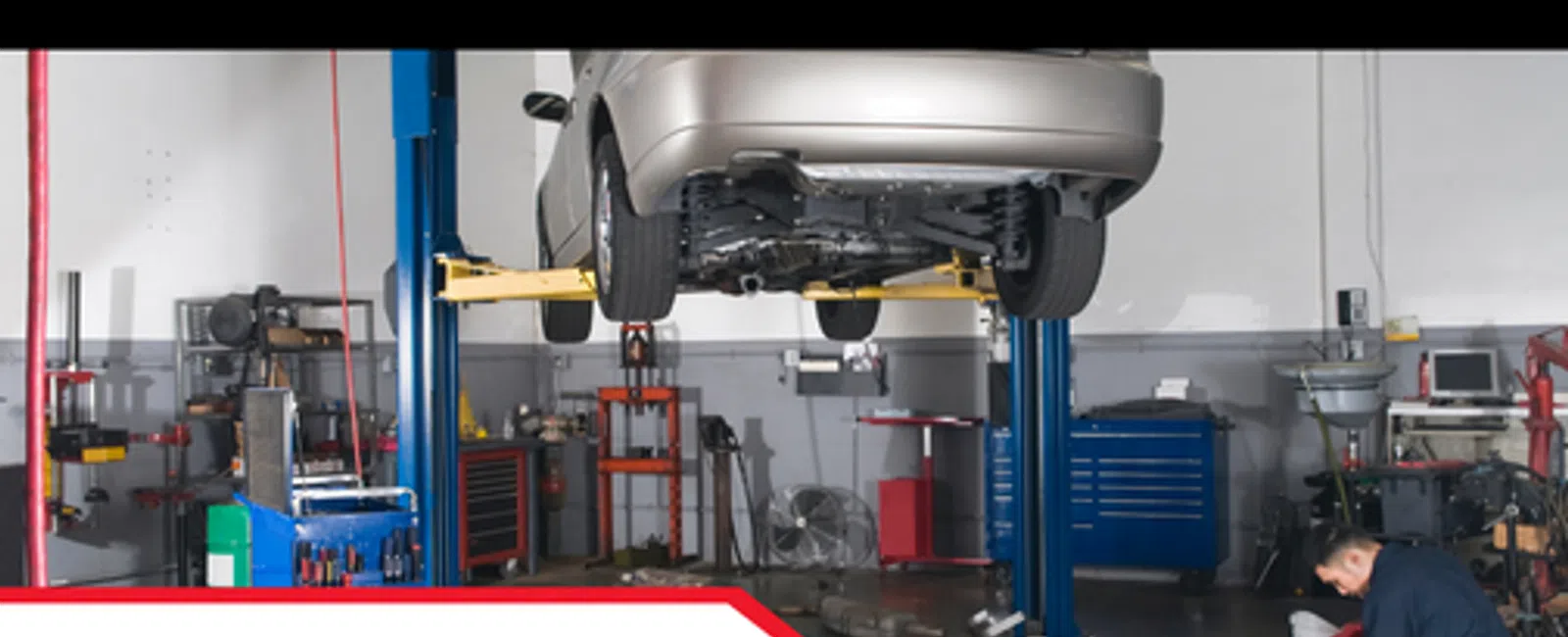
Service departments can place substantially different demands on a building than showroom and office areas.
An automotive service center inspection may include observations of:
- Concrete floors and slabs
- Visible cracking
- Surface deterioration
- Overhead doors
- Electrical components
- Lighting
- Plumbing
- Floor drains
- Ventilation equipment
- HVAC where applicable
- Visible leaks
- Moisture
- Staining
- Walls and ceilings
- General building condition
Heavy vehicle movement, equipment use, fluids, cleaning, and daily repair operations can result in conditions that are uncommon in ordinary office or retail spaces.
A cracked or stained service-bay floor, for example, should be documented in context. Cracking alone does not establish structural failure, and staining alone does not establish environmental contamination.
The purpose of a service bay inspection is to identify observable property conditions and determine where more specialized expertise may be appropriate.
Automotive Equipment Has Separate Inspection Requirements
Service areas may contain vehicle lifts, compressed-air systems, tire equipment, alignment systems, exhaust extraction equipment, specialized electrical connections, and other automotive machinery.
These systems can be important to dealership operations, but they should not automatically be treated as part of the building inspection.
A standard commercial property inspection is generally not an:
- Automotive lift certification
- Equipment inspection
- Compressed-air system certification
- Fire suppression inspection
- Industrial hygiene evaluation
- Engineering analysis
If the buyer intends to acquire or continue using existing automotive equipment, qualified equipment specialists may need to evaluate its condition, installation, capacity, maintenance history, and suitability for continued operation.
Why Ventilation Matters in Automotive Service Areas
Automotive service environments may generate vehicle exhaust, vapors, odors, heat, and other indoor environmental conditions that differ from conventional commercial spaces.
The OSHA resources on indoor air quality provide useful background about ventilation and indoor environmental conditions in workplaces. For an automotive property, this context helps explain why ventilation systems, air distribution, exhaust-related equipment, and overall building conditions may warrant careful consideration.
During an auto repair facility inspection, an inspector may document visible ventilation equipment, accessible ductwork, damaged components, or apparent maintenance deficiencies.
That observation has limits.
A general commercial inspection does not measure contaminant concentrations, calculate required ventilation rates, verify regulatory performance, or determine whether a facility complies with OSHA requirements. Those questions may require industrial hygienists, mechanical engineers, HVAC professionals, or other qualified specialists.
HVAC Systems and Indoor Building Conditions
Auto dealerships may have very different HVAC requirements across the property.
Showrooms and offices typically require comfortable conditioned environments, while service areas may use different combinations of heating, cooling, ventilation, exhaust, or makeup-air equipment.
Visible inspection observations may include:
- Equipment condition
- Filters
- Accessible ductwork
- Rooftop units
- Condensate drainage
- Visible corrosion
- Evidence of leakage
- Deferred maintenance
Older or poorly maintained equipment can represent a future capital consideration, but equipment age alone should not be used to predict an exact remaining service life.
When performance concerns exist, a qualified HVAC contractor or mechanical professional may be needed for more detailed diagnostics.
Automotive Fluids and Specialized Storage Areas
Automotive facilities may store or handle oils, fuels, lubricants, solvents, cleaning products, and other materials associated with vehicle maintenance.
The OSHA Flammable Liquids Standard provides regulatory background concerning the handling and storage of certain flammable liquids in workplaces. Its relevance highlights why automotive properties can contain operational considerations beyond a standard real estate inspection.
A commercial inspector may observe:
- Visible containers
- Storage areas
- Stained surfaces
- Damaged floors
- Floor drains
- Leaks
- Deteriorated finishes
- Unusual odors or conditions
These observations may justify further investigation, but they should not be used to make unsupported conclusions about contamination, hazardous-material compliance, or environmental conditions.
A LunsPro commercial inspection is not an OSHA compliance assessment or hazardous-material evaluation.
Underground Storage Tanks Require Specialized Due Diligence
Some automotive properties may have current or historical underground storage tanks, particularly when the property has previously been associated with fuel storage or other uses involving regulated substances.
The EPA's Underground Storage Tank resources explain the federal framework surrounding underground tanks that store petroleum or certain hazardous substances and provide information about prevention, detection, cleanup, and regulatory programs.
For a commercial buyer, the important point is that UST history can create a separate environmental due-diligence question.
A standard commercial auto dealership inspection is not:
- An Environmental Site Assessment
- An underground storage tank investigation
- Soil or groundwater testing
- Environmental sampling
- A contamination assessment
If records, property history, visible fill locations, vent piping, previous site uses, or other information raises questions about USTs, an environmental consultant may be appropriate.
Roofs Can Contain Numerous Penetrations
Auto dealership buildings can have large roof areas serving showrooms, offices, parts departments, and service spaces.
Depending on building configuration, roofs may contain:
- HVAC equipment
- Exhaust components
- Plumbing vents
- Electrical penetrations
- Skylights
- Other mechanical penetrations
Each transition creates another location where flashing, sealants, and surrounding roofing materials may require observation.
A roof inspection may identify:
- Deteriorated roof coverings
- Damaged flashing
- Failed sealants
- Previous repairs
- Ponding water
- Drainage problems
- Visible leakage
- Deteriorated penetrations
Large roof areas and numerous penetrations do not automatically mean problems exist. They simply increase the number of components that may need to be observed and maintained.
Roof Drainage and Deferred Maintenance
Commercial roofs need a functional path for water to leave the roof.
Depending on the building, drainage may involve internal drains, scuppers, gutters, downspouts, or combinations of these systems.
Clogged drains, deteriorated components, or poor drainage can contribute to ponding and moisture exposure.
For buyers and property managers, visible roof conditions can help distinguish immediate repairs from routine maintenance or longer-term capital considerations. Exact remaining service life may require additional information such as installation records, maintenance history, material type, and roofing-contractor evaluation.
Parking Lots and Vehicle Circulation Areas
Exterior surfaces can represent a substantial portion of an auto dealership property.
These may include:
- Customer parking
- Inventory lots
- Service drives
- Vehicle storage
- Delivery areas
- Employee parking
- Sidewalks
- Curbs
An automotive commercial property inspection may document pavement cracking, potholes, settlement, surface deterioration, damaged curbs, deteriorated sidewalks, ponding, or other visible conditions.
Exterior lighting may also be observed when included within the inspection scope.
Because dealerships routinely accommodate significant vehicle traffic, pavement repairs can become meaningful maintenance or capital-planning considerations.
Large Paved Areas Affect Drainage
Dealership sites may contain extensive impervious surfaces. Rain falling on roofs, parking lots, inventory areas, and service drives must be directed toward appropriate drainage paths.
Inspectors may observe:
- Surface grading
- Catch basins
- Visible drainage structures
- Ponding
- Erosion
- Damaged drains
- Runoff patterns
- Water accumulation near buildings
The EPA's guidance on stormwater discharges from industrial activities provides important context about stormwater runoff from industrial sites and the potential interaction between outdoor operations and water movement.
For an automotive property, that context is useful because vehicle activity, service operations, paved surfaces, and drainage can intersect.
A commercial inspection can document visible property and drainage conditions, but it is not an environmental stormwater assessment, regulatory inspection, or determination of permit compliance.
Why Visible Staining Requires Context
Staining is common in many automotive environments, particularly around service areas and vehicle circulation surfaces.
The presence of staining should be documented when relevant, but appearance alone cannot determine:
- The material involved
- How long it has been present
- Whether it penetrated underlying materials
- Whether soil or groundwater is affected
- Whether regulatory action is required
Environmental conclusions require appropriate investigation.
Where significant or unusual conditions are present, a Phase I Environmental Site Assessment or other environmental due diligence may be appropriate depending on the transaction and property history.
Deferred Maintenance Can Influence Acquisition Planning
A dealership may remain fully operational while accumulating substantial maintenance needs.
The WBDG Facilities Operations and Maintenance guidance provides broader context about preventive maintenance, building operations, and long-term facility performance. These principles are relevant to dealerships because roofs, HVAC equipment, pavement, drainage, exterior assemblies, and interior spaces all require ongoing maintenance.
Inspection findings may help identify:
Immediate Repairs
Active leakage, significantly damaged components, or other conditions requiring prompt attention.
Deferred Maintenance
Roofing repairs, failed sealants, damaged pavement, deteriorated doors, plumbing concerns, or other maintenance that appears to have been postponed.
Capital Expenditure Considerations
Large roofing systems, multiple HVAC units, extensive parking surfaces, and major building components can represent significant future expenses.
Specialist Evaluations
Environmental consultants, engineers, HVAC contractors, electricians, plumbers, roofing contractors, or automotive-equipment specialists may be recommended when findings exceed the inspection scope.
Potential Cost-to-Cure Items
Buyers may use identified deficiencies to determine where contractor estimates or a formal Cost-to-Cure Assessment would be useful.
Property Condition Assessments and Dealership Due Diligence
The appropriate inspection scope depends on the transaction.
A Property Condition Assessment or Building Condition Assessment can help organize information about major building and site systems. Depending on client needs, Investor & Lender Packages may also support acquisition or financing due diligence.
These services can help stakeholders better understand:
- Existing property condition
- Immediate repair priorities
- Deferred maintenance
- Potential capital expenditures
- Specialist recommendations
- Longer-term maintenance needs
For a buyer, the objective is not simply to produce a list of defects. Effective dealership property due diligence helps connect observed conditions with decisions about repair planning, additional investigation, and ownership responsibilities.
Know the Limits of an Auto Dealership Inspection
A commercial property inspection has clear boundaries, particularly at an automotive facility.
It should not automatically be represented as an:
- OSHA compliance inspection
- Environmental Site Assessment
- Underground storage tank investigation
- Hazardous-material assessment
- Industrial hygiene evaluation
- Automotive lift inspection or certification
- Specialized ventilation engineering analysis
- Fire suppression inspection
- Automotive equipment inspection
- Building-code compliance inspection
Those services require different expertise, procedures, instruments, licensing, or regulatory frameworks.
When observations raise questions beyond the building inspection scope, referral to the appropriate environmental consultant, engineer, contractor, equipment specialist, or other qualified professional provides a clearer path forward.
Commercial Auto Dealership Inspections in the Southeast
LunsPro Inspection Group provides commercial inspection services in Georgia, North Carolina, and Florida, including markets such as Atlanta, Savannah, Charlotte, Raleigh, Greensboro, and Jacksonville.
Dealership properties in these markets can differ substantially. A large suburban dealership with extensive inventory lots and multiple service buildings may present different priorities from a smaller urban dealership with limited service operations.
Property history matters as well. Previous renovations, expansions, changes in automotive use, deferred maintenance, and older site infrastructure can influence due-diligence needs.
Commercial services should therefore be tailored to the property rather than based solely on its current dealership use.
An auto dealership inspection gives commercial buyers, investors, owners, and property managers a clearer picture of the visible and accessible condition of a complex property. Showrooms, offices, service bays, roofing, HVAC systems, plumbing, electrical components, pavement, drainage, and exterior areas can each create different repair and maintenance priorities.
Automotive facilities can also introduce questions that extend beyond conventional building inspection. Vehicle lifts, specialized ventilation, automotive fluids, underground storage tanks, stormwater requirements, environmental conditions, and specialized equipment may require additional evaluation by appropriately qualified professionals. Recognizing those boundaries is an important part of effective commercial property due diligence.
For dealership acquisitions and existing facilities in Georgia, North Carolina, and Florida, LunsPro Inspection Group can provide condition information that supports repair prioritization, deferred-maintenance planning, capital considerations, and decisions about further evaluation. Depending on the transaction, Property Condition Assessments, Building Condition Assessments, Cost-to-Cure Assessments, and Investor & Lender Packages can provide additional due-diligence context.
Ultimately, a professional commercial property inspection does not need to answer every specialized automotive, regulatory, or environmental question to be valuable. Its role is to establish a clearer understanding of the physical property, identify observable deficiencies, and help stakeholders recognize where additional expertise may be necessary before making decisions about the building and site.